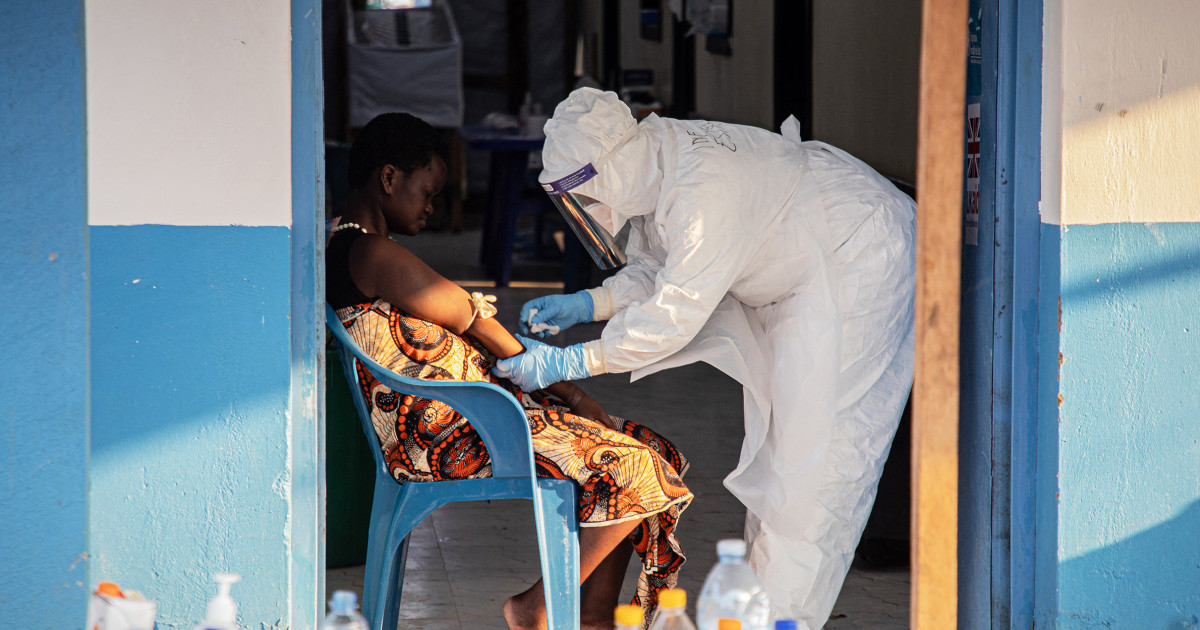
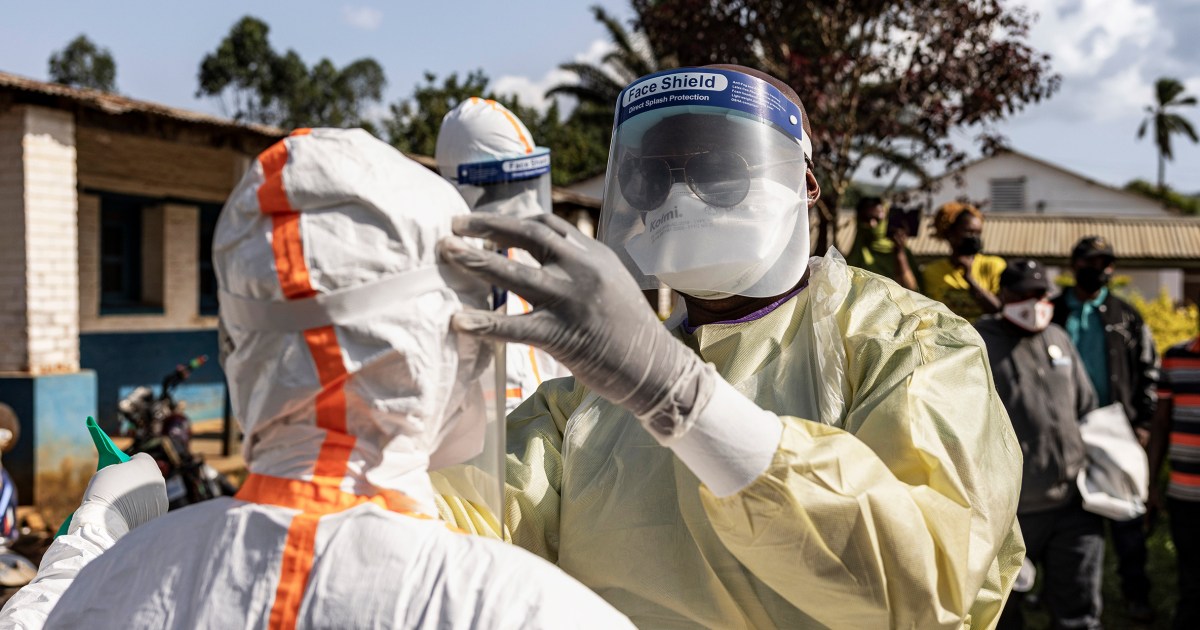
Congo Ebola outbreak tops 2,000 cases as health workers strike
Frontline health workers in Ituri province have launched strikes over unpaid wages as the Ebola death toll rises and transmission chains remain unidentified.
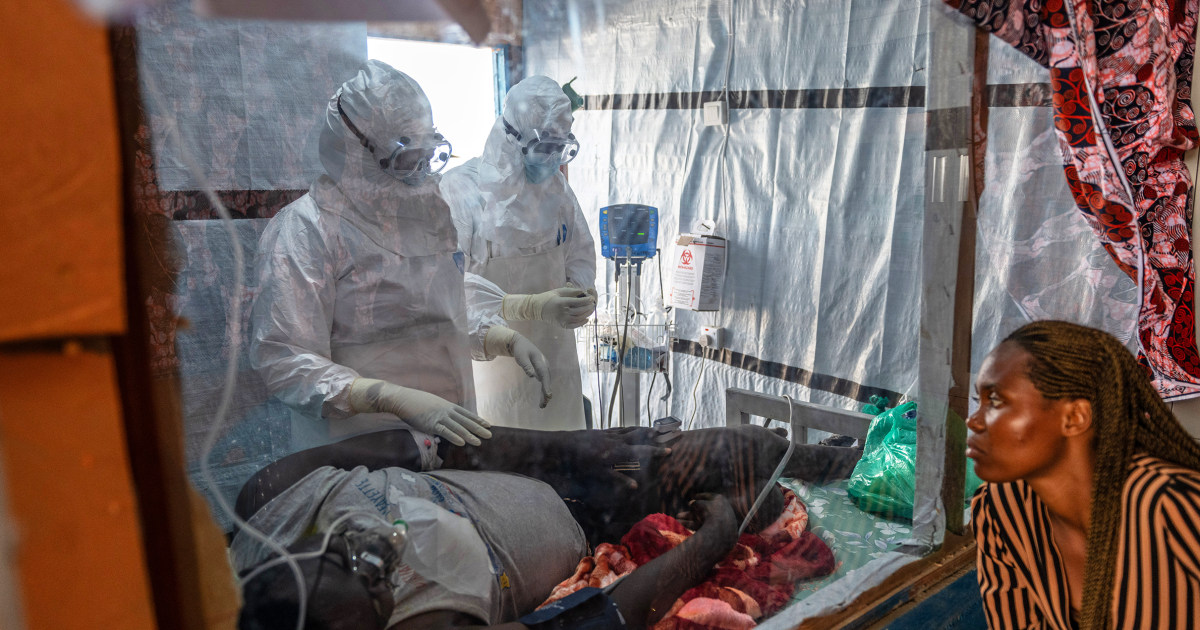
The Ebola outbreak in the Democratic Republic of the Congo has reached a somber milestone with official government data confirming that cases have surpassed 2,000. Reports indicate a total of 2,011 confirmed cases and 754 deaths, as authorities characterize the current crisis as the fastest-growing Ebola outbreak on record. The epidemic, which began on 15 May, is currently concentrated in Ituri province.
The operational response to the virus has been severely hampered by widespread industrial action. On Wednesday, health workers at the Bunia General Hospital—the primary epicenter of the outbreak—walked off the job to protest the non-payment of wages and bonuses. Frontline staff barricaded the hospital entrance, citing that they have received no compensation for their service despite the high-risk, grueling conditions under which they have operated since the start of the outbreak. Reports of similar labor strikes have emerged across other areas of Ituri province, with some personnel reporting that they have not been paid since they were first deployed to manage the health emergency.
Related media


Outbreak Dynamics and Constraints
The current emergency is driven by the Bundibugyo strain, a rare variant of the virus for which there is no currently approved vaccine or specific medical treatment. This distinguishes the present crisis from the majority of the country’s previous 16 Ebola outbreaks, which were largely caused by the Zaire virus for which medical countermeasures exist. While enrollment has recently begun in Ituri for a clinical study involving two potential treatments, the response remains largely reactive.
Dr. Chikwe Ihekweazu, the World Health Organization's health emergencies chief, conducted a site visit to Bunia. Following his assessment, he noted that a significant number of fatalities are occurring within local communities, where victims succumb to the disease before they can reach a medical facility for care. Data released Tuesday by the World Health Organization indicates that at least 80% of new cases are originating from transmission chains that remain unknown to health officials. The situation is further complicated by the failure to identify the original "patient zero," a hurdle that impedes the ability of responders to accurately map the trajectory of the virus.
The response is further constrained by several systemic factors:
- Geographic and Conflict Challenges: Armed conflict and mining-related population movements have led to widespread displacement, making it nearly impossible to monitor thousands of individuals who have had contact with infected persons.
- Surveillance Gaps: According to the Ministry of Health, contact-tracing coverage remains stalled at 67%.
- Scale of the Epidemic: Analysis from the World Health Organization suggests that the true number of infections could be two to four times higher than the official figures currently recorded.
Regional Context and Stability
In the worst-hit province of Ituri, 753 patients remain in hospital care or isolation, while 366 people have been recorded as recovered. Conversely, parts of the region show varying levels of stability. In South Kivu, health officials reported that no new cases have been registered for 47 days.
As the outbreak continues to outpace tracking efforts, international and local health authorities remain focused on the potential outcomes of the ongoing clinical trials for the Bundibugyo strain and the urgent need to address the wage disputes that are currently sidelining the healthcare workforce.
Archypedia is dedicated to independent, evidence-backed reporting. This briefing was synthesized from primary source reporting, corroborated across independent newsrooms, and verified against our Editorial Standards.
Transparency record
Evidence behind this report
This report synthesizes 10 distinct sources. Open the source ledger below to compare the underlying coverage.
- apnews.com
- nbcnews.com
- yahoo.com
- canberratimes.com.au
- swedenherald.com
- who.int
- abcnews.com
- goulburnpost.com.au
- wsws.org
- cbsnews.com
Prepared under the Archypedia Editorial Policy by the Lina Park editorial desk profile. AI-assisted tools may support drafting and verification; public accountability remains with Archypedia. Report an error.