Michigan health officials identify leafy greens as potential parasite source
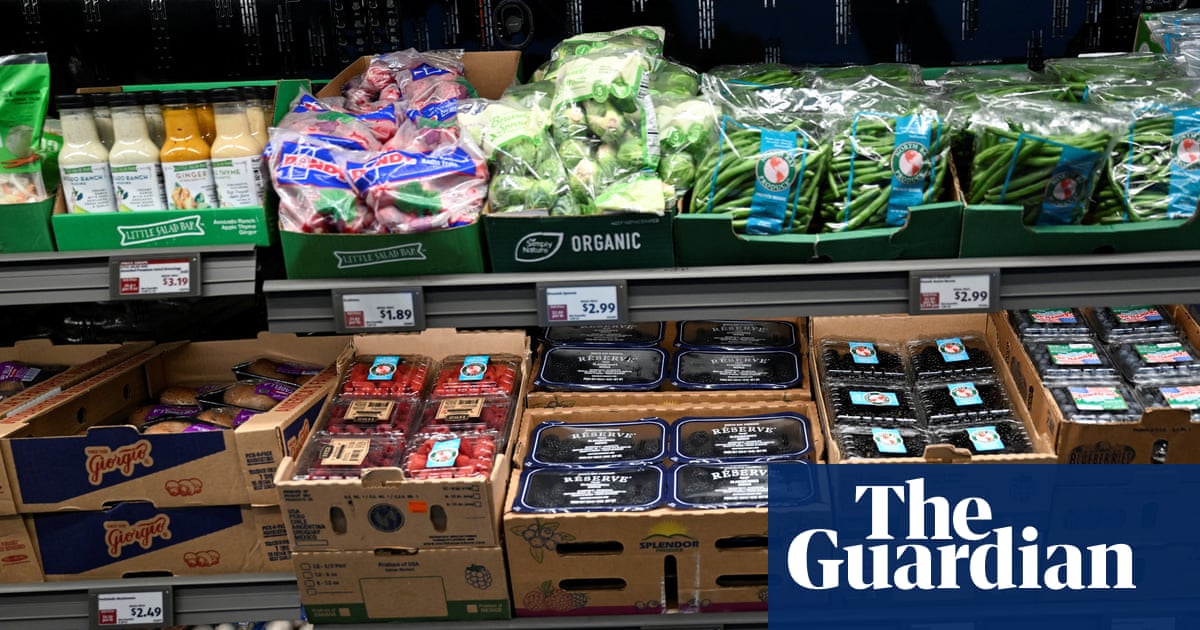
Michigan health authorities have identified lettuce and salad greens as a potential source for a sprawling cyclosporiasis outbreak. Officials are advising consumers to thoroughly wash or cook produce to mitigate the risk of this parasitic infection.
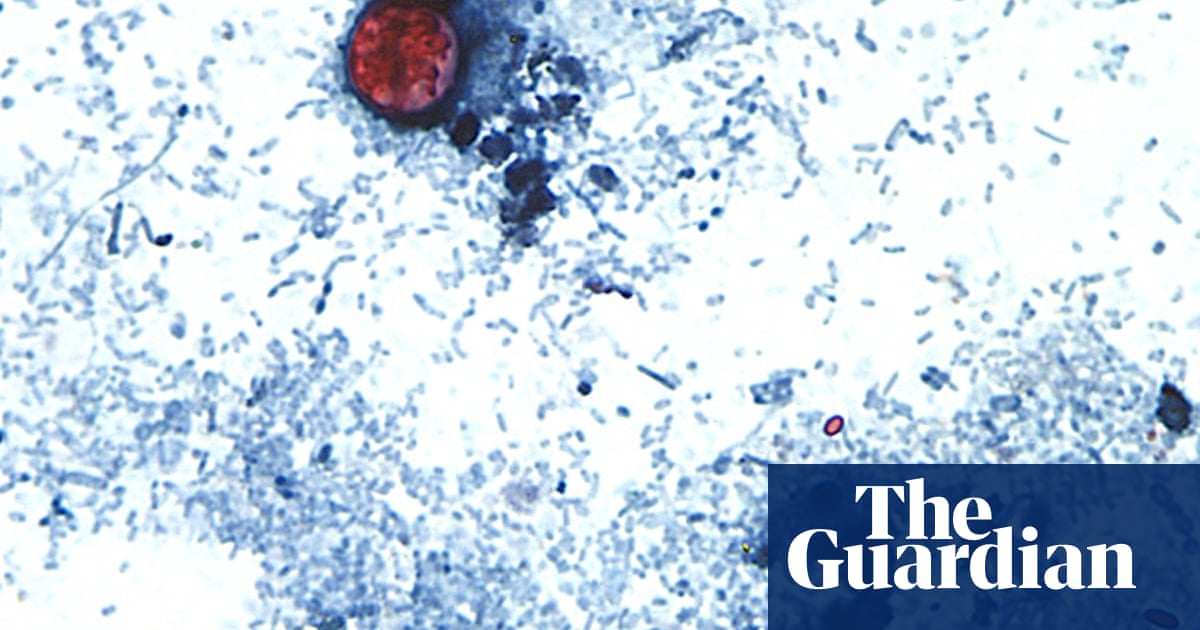
Michigan health officials have identified lettuce and salad greens as a potential source for a sprawling cyclosporiasis outbreak. This development marks the first time authorities have narrowed the scope of their investigation to specific produce types, though they maintain that no individual grower or supplier has yet been linked to the illnesses.
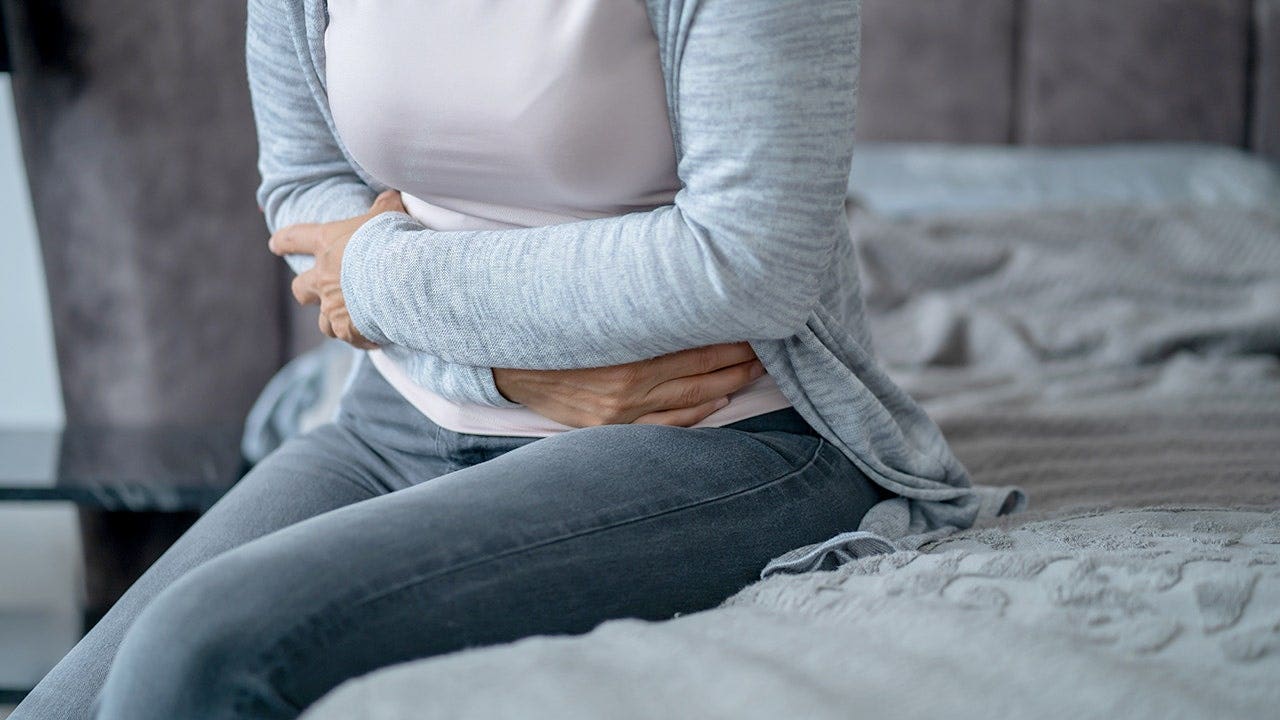
The parasitic infection, caused by Cyclospora cayetanensis, is characterized by prolonged, watery, and often explosive diarrhea, as well as stomach cramps, fatigue, nausea, vomiting, loss of appetite, and weight loss. The current outbreak has prompted state authorities to issue urgent recommendations for commercial kitchens and restaurants, particularly in southeastern Michigan, to thoroughly wash leafy greens, herbs, snow peas, and raspberries. Officials have advised that, where possible, these items should be cooked. For home consumers, the Michigan Department of Health and Human Services (MDHHS) suggests purchasing whole heads of lettuce instead of pre-packaged, pre-washed greens, and carefully stripping away outer leaves before washing the inner portions.
Related media


A Fragmented Investigation
The scale of the outbreak has strained federal reporting systems, leading to a significant gap between state-reported numbers and national data. As of Friday, July 10, 2026, the Centers for Disease Control and Prevention (CDC) officially reported 843 confirmed cases across 31 states. Experts attribute this delay to a six-week reporting lag inherent in the tracking process and concerns over changes to federal oversight.
In July 2025, the CDC narrowed the scope of the Foodborne Diseases Active Surveillance Network (FoodNet), removing Cyclospora from its list of required pathogens for active surveillance. While experts like Craig Hedberg of the University of Minnesota note that Cyclospora remains a nationally reportable disease, others argue the loss of the broader FoodNet structure limits the ability of investigators to identify trends across state lines. Barbara Kowalcyk, director of the Institute for Food Safety and Nutrition Security at George Washington University, describes the impact of these surveillance changes on public health capacity:
"It’s like putting a puzzle together. You start taking pieces out of your puzzle – it’s harder to see the whole picture, and that’s what we’ve done. We’ve taken pieces out of the whole puzzle."
Barbara Kowalcyk, Director of the Institute for Food Safety and Nutrition Security at George Washington University, via The Guardian
Beyond the Produce Aisle
While the investigation remains focused on food, some specialists suggest that the persistent nature of the current outbreak warrants a closer look at water quality. The parasite is notably resilient, surviving conditions that kill other pathogens and resisting chlorine disinfection. Former FDA Deputy Commissioner for Food Policy and Response Frank Yiannas and microbial food safety researcher Robert Mandrell have raised concerns that water—rather than just contaminated produce—may be the primary conduit.
This concern is heightened in regions like Michigan and Ohio, which have recently experienced heavy rainfall and flooding. Contaminated runoff from sewers or septic systems can introduce the parasite into irrigation water or directly into recreational water sources. While foodborne exposure remains the primary hypothesis, officials continue to interview hundreds of patients to identify a common distributor. As the incubation period ranges up to two weeks, patients often struggle to recall specific exposures, complicating the traceback process.
What to Watch Next
- Case Count Updates: Officials expect numbers to climb further given the incubation period and the ongoing nature of the investigation.
- Traceback Progress: The MDHHS and federal partners continue to interview hundreds of patients to identify a common distributor or specific farm, a process complicated by the complex, multi-state nature of modern food supply chains.
- Water Surveillance: While not currently a standard part of the outbreak response, experts are calling for increased monitoring of surface waters and irrigation systems to determine if the parasite is becoming endemic in U.S. Environments.
The CDC continues to coordinate with state and local partners, though no single source for the nationwide cluster has been confirmed.
Archypedia is dedicated to independent, evidence-backed reporting. This briefing was synthesized from primary source reporting, corroborated across independent newsrooms, and verified against our Editorial Standards.
Transparency record
Evidence behind this report
This report synthesizes 10 distinct sources. Open the source ledger below to compare the underlying coverage.
- dispatch.com
- theguardian.com
- fox17online.com
- forbes.com
- detroitnews.com
- usatoday.com
- cidrap.umn.edu
- abcnews.com
- freep.com
- today.com
Prepared under the Archypedia Editorial Policy by the Lina Park editorial desk profile. AI-assisted tools may support drafting and verification; public accountability remains with Archypedia. Report an error.