Congo Ebola outbreak reaches new provinces as treatment workers strike
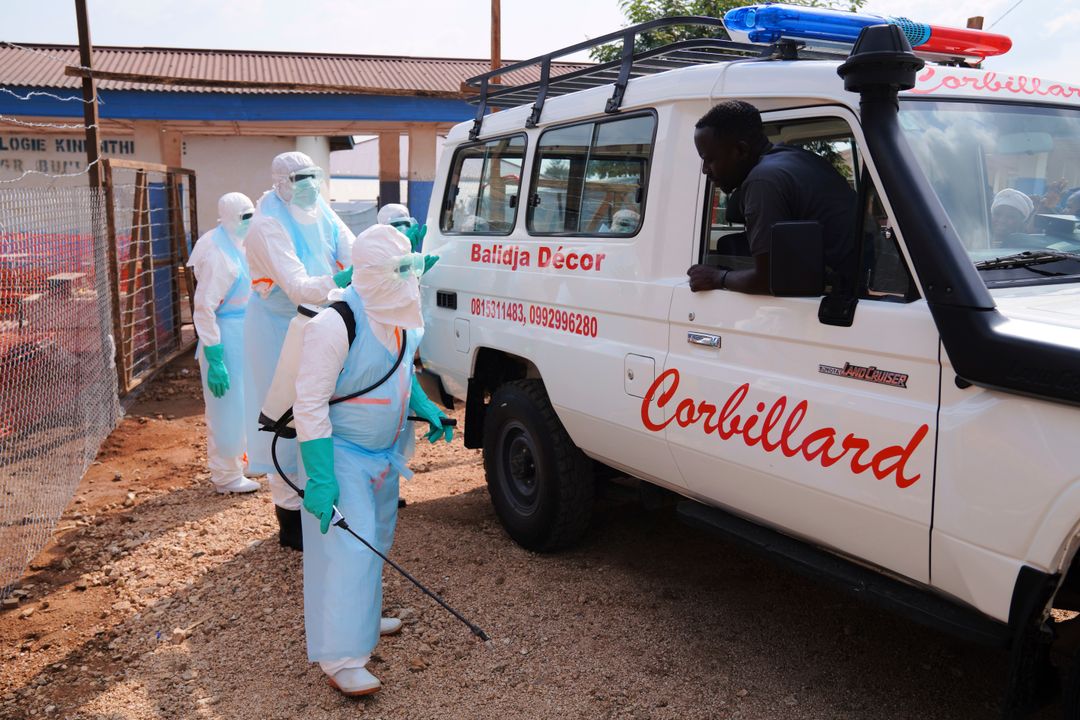
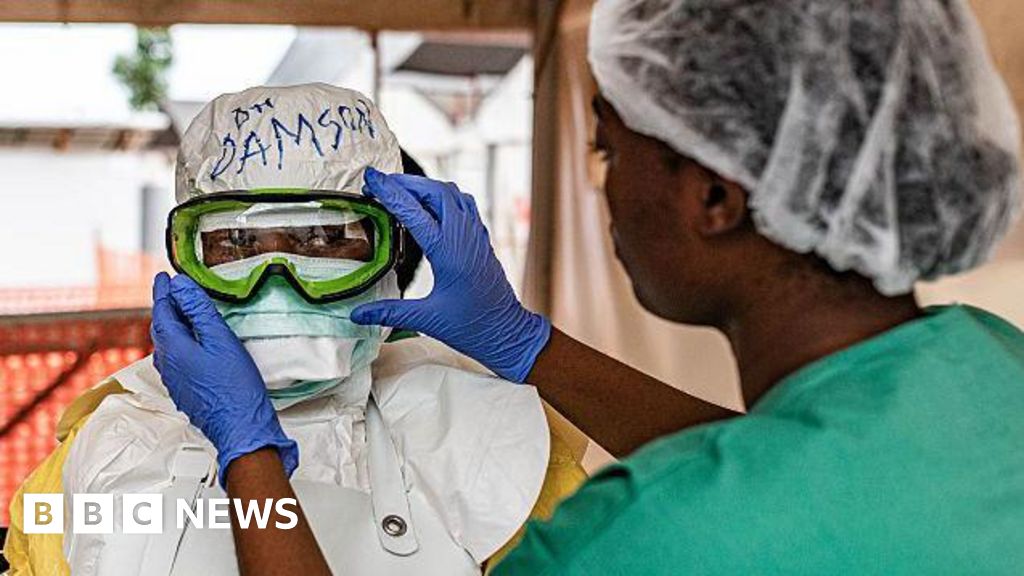
The Ebola outbreak in the Democratic Republic of Congo has officially expanded into the Tshopo and Haut-Uele provinces. Meanwhile, ongoing labor strikes at a treatment center in Ituri are complicating the public health response.
The Ebola outbreak in the Democratic Republic of Congo has expanded into two additional provinces, complicating an already precarious public health response. As of Monday, 13 July 2026, the National Institute of Public Health has officially designated Tshopo and Haut-Uele as epidemic zones, marking a significant geographic widening of the crisis. This spread follows a pattern of movement from the primary epicenter in Ituri province, where containment efforts are now hindered by active labor unrest among emergency responders.
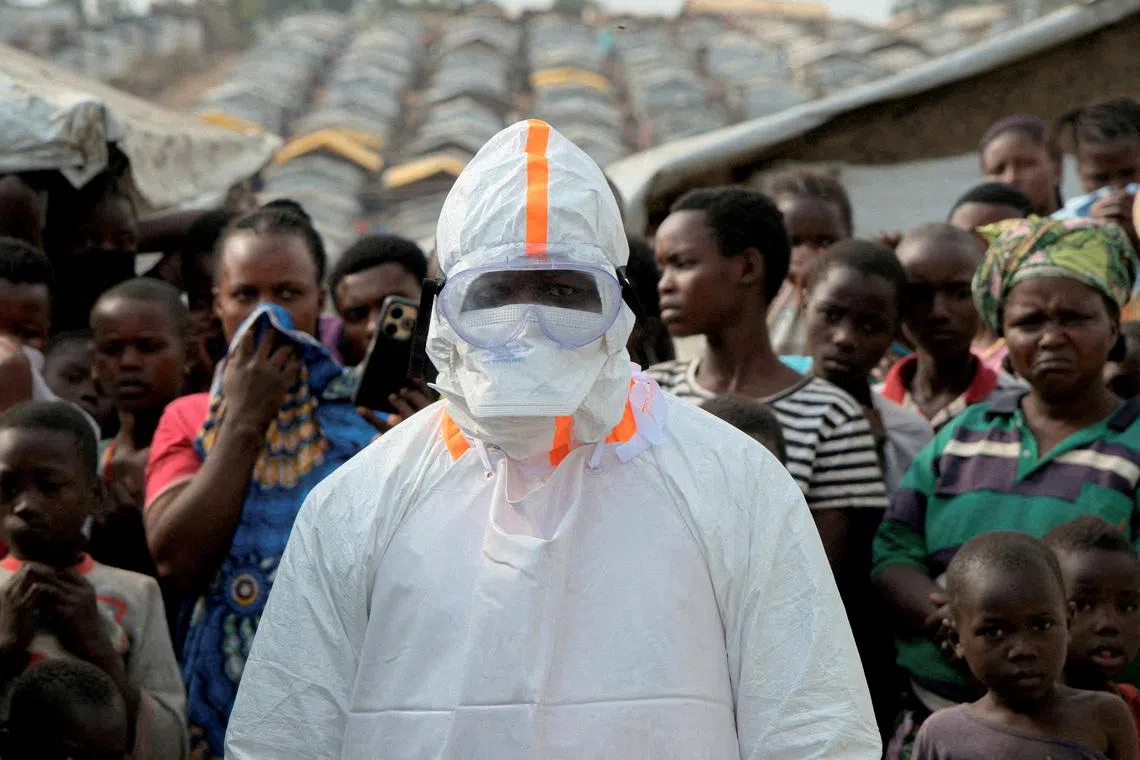
According to official reports released late Sunday, 12 July 2026, the total number of confirmed cases across the country has risen to 1,926, with 702 deaths attributed to the virus. In Tshopo, which includes the major urban center of Kisangani, authorities have recorded four cases and two deaths. Haut-Uele, which shares borders with South Sudan and the Central African Republic, has confirmed one death. The International Rescue Committee noted that the virus’s reach into Tshopo is particularly concerning because the province sits along the Congo River, a primary transport corridor connecting the eastern region to the capital, Kinshasa. While these cases are believed to be primarily imported from Niania in Ituri, the designation of these provinces as epidemic zones allows for the implementation of broader surveillance and emergency protocols.
Related media

A Strained Response
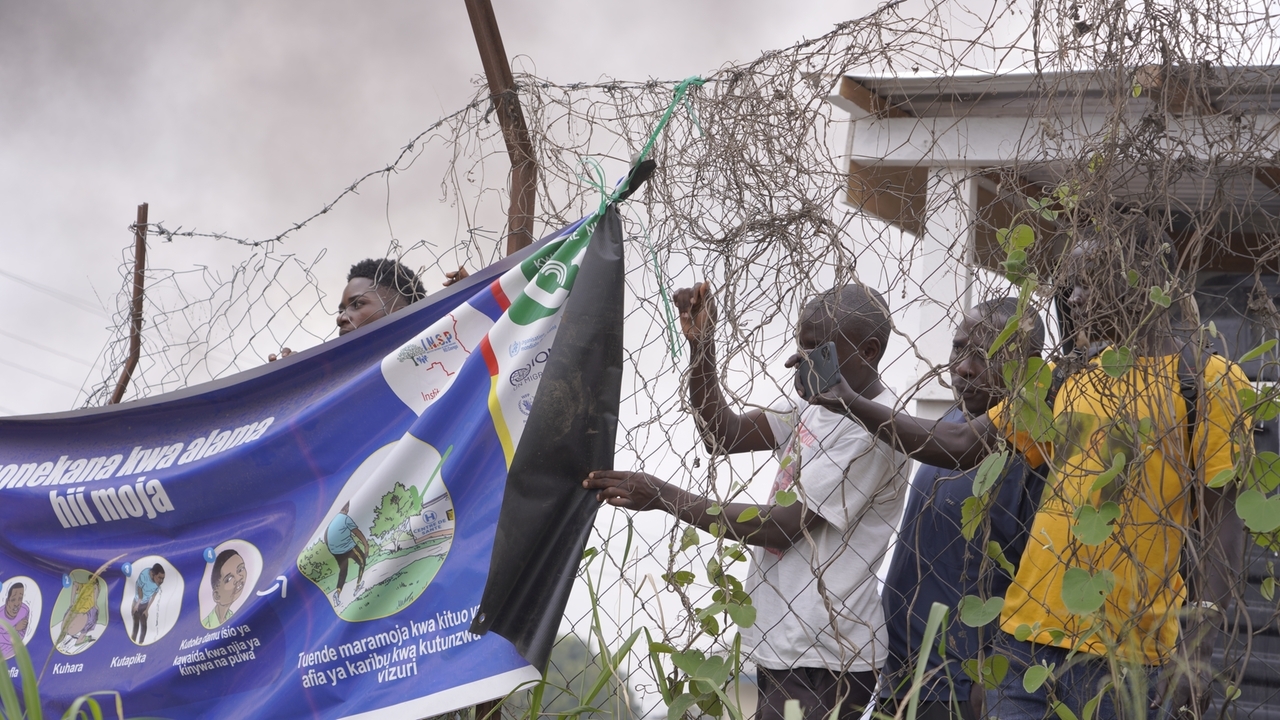
Compounding the geographic spread, staff at an Ebola treatment center at Rwampara General Hospital in Ituri launched a strike on Monday, 13 July 2026. These workers, including epidemiologists, case investigators, drivers, and gravediggers, are protesting a lack of salary and bonus payments from the Congolese government. The facility was closed and access blocked by demonstrators, who were witnessed burning a tire at the site. Officials stated that negotiations are underway to resolve the dispute, but experts warn that if labor actions move to other overstretched centers, the impact on containment would be severe. The outbreak is occurring in a region already suffering from infrastructure limitations, rebel threats, and misinformation that at times characterizes the virus as a hoax or witchcraft rather than a medical reality.
The operational difficulties are further exacerbated by the nature of the virus itself. The current outbreak is caused by the Bundibugyo species, for which there are no approved vaccines. Researchers began a clinical study earlier this month to evaluate two candidates: remdesivir and the experimental antibody treatment MBP134. Patients at a specific site in Ituri are being randomly assigned to receive these treatments alongside standard care, though the World Health Organization has indicated it could take months and potentially 1,000 participants to determine the effectiveness of these therapies. Expansion to other sites remains contingent on safety and security conditions. Separately, the UK’s medicine regulator has authorized human trials for a new vaccine candidate developed at the University of Oxford.
International and Medical Context
While the outbreak remains localized to the DRC and its immediate neighbors, the international profile of the crisis has deepened. An American humanitarian worker infected with the Bundibugyo strain was admitted to an isolation unit at Frankfurt University Hospital in Germany on Monday morning. Hospital staff confirmed the patient’s condition is stable and emphasized there is no risk to the general public. This follows a previous instance in June 2026 where another U.S. Citizen was treated in Berlin before being discharged.
The true scale of the crisis may be significantly higher than official records suggest. A senior World Health Organization official recently estimated that the outbreak could be two to four times larger than current data indicate, noting that four out of five new cases have no known link to existing patients, making the identification of transmission chains a major hurdle for field teams.
What to Watch Next
- Containment Targets: Contact tracing coverage currently stands at 78.3%, which remains below the 90–95% threshold recommended by the World Health Organization to suppress the virus effectively.
- Cross-Border Risk: The World Health Organization estimates a 70% likelihood of the virus crossing into South Sudan. Increased screening and preparedness activities are underway in border regions to mitigate this risk.
- Urban Spread: The inclusion of Kisangani in the epidemic zone marks a shift toward larger, more densely populated hubs, which presents a higher risk of rapid transmission compared to the remote, forested villages typical of historical outbreaks.
Archypedia is dedicated to independent, evidence-backed reporting. This briefing was synthesized from primary source reporting, corroborated across independent newsrooms, and verified against our Editorial Standards.
Transparency record
Evidence behind this report
This report synthesizes 10 distinct sources. Open the source ledger below to compare the underlying coverage.
- bbc.com
- newsday.com
- whtc.com
- yahoo.com
- straitstimes.com
- independent.co.uk
- rescue.org
- y94.com
- nypost.com
- who.int
Prepared under the Archypedia Editorial Policy by the Lina Park editorial desk profile. AI-assisted tools may support drafting and verification; public accountability remains with Archypedia. Report an error.