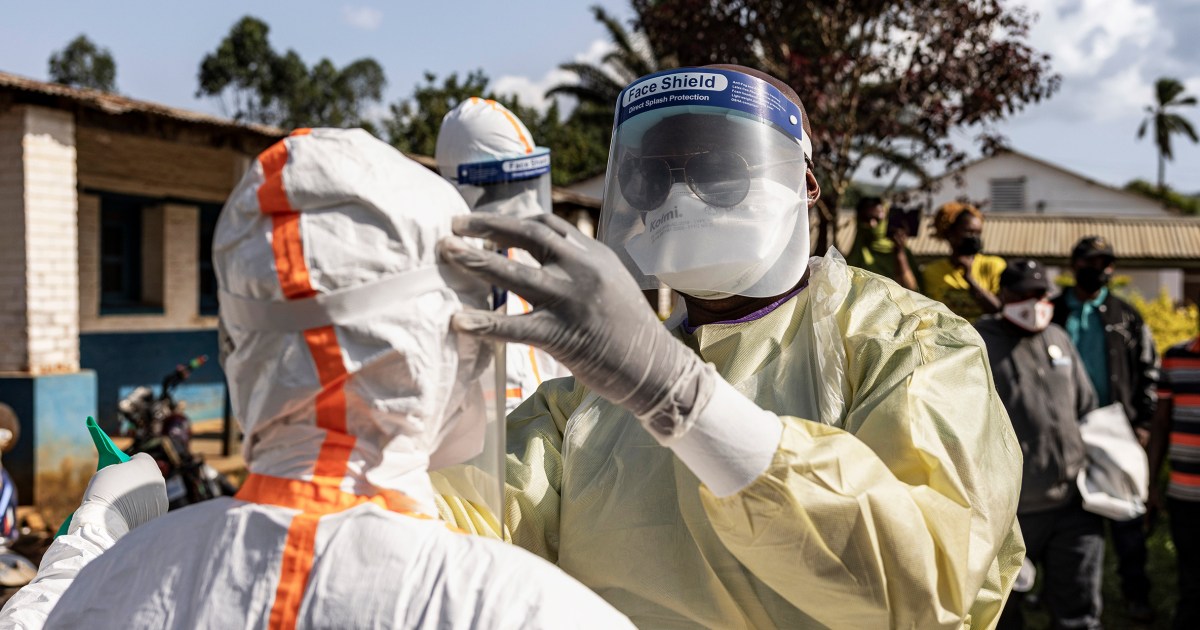
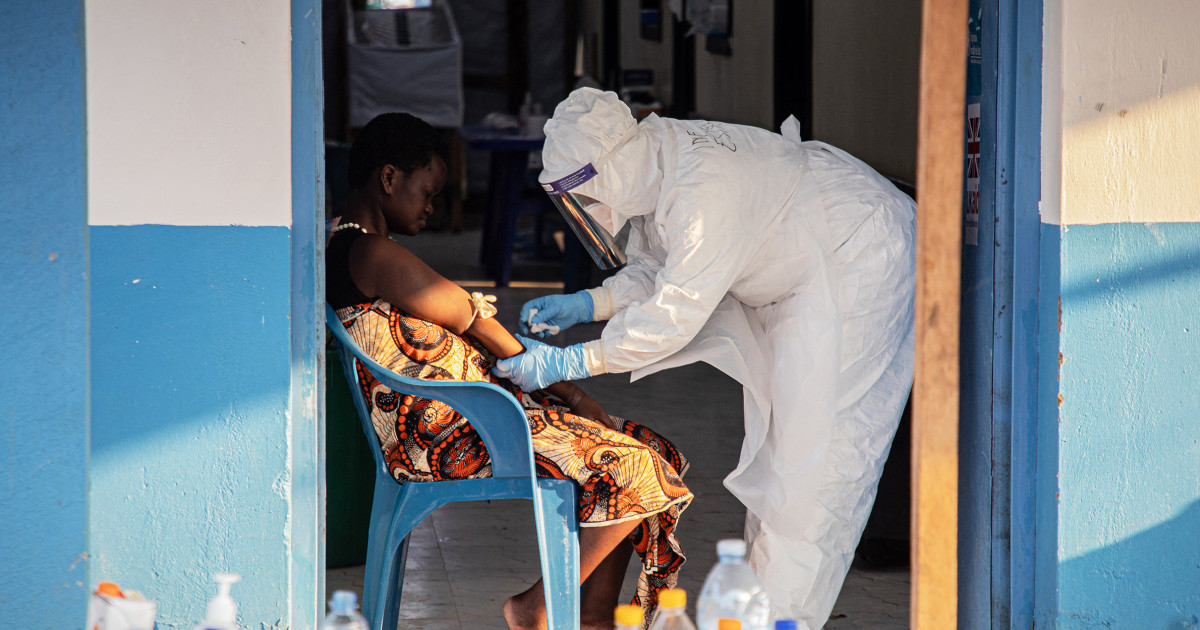
Congo Ebola outbreak likely four times larger than official data suggests
Experts warn that the true scale of the DRC's Ebola crisis is likely hidden, as most new cases in Bunia appear outside of established contact lists.

The Ebola outbreak currently gripping the Democratic Republic of the Congo (DRC) is likely far larger than official counts indicate, with experts warning that the true number of infections could be two to four times higher than reported figures. As of Tuesday, 14 July 2026, the World Health Organization has confirmed at least 1,963 cases and 719 deaths, yet the disparity between recorded data and reality remains a critical obstacle for responders.
The outbreak, which was officially declared on 15 May 2026, involves the Bundibugyo strain of the virus. Because there is currently no approved vaccine or treatment for this Ebola strain, containment depends heavily on identifying, isolating, and tracing the contacts of infected individuals. However, in the heart of the crisis in Bunia, Ituri province, approximately 80 percent of new confirmed patients are appearing outside of known contact lists, according to Chikwe Ihekweazu, the WHO’s Emergencies Director.
Related media
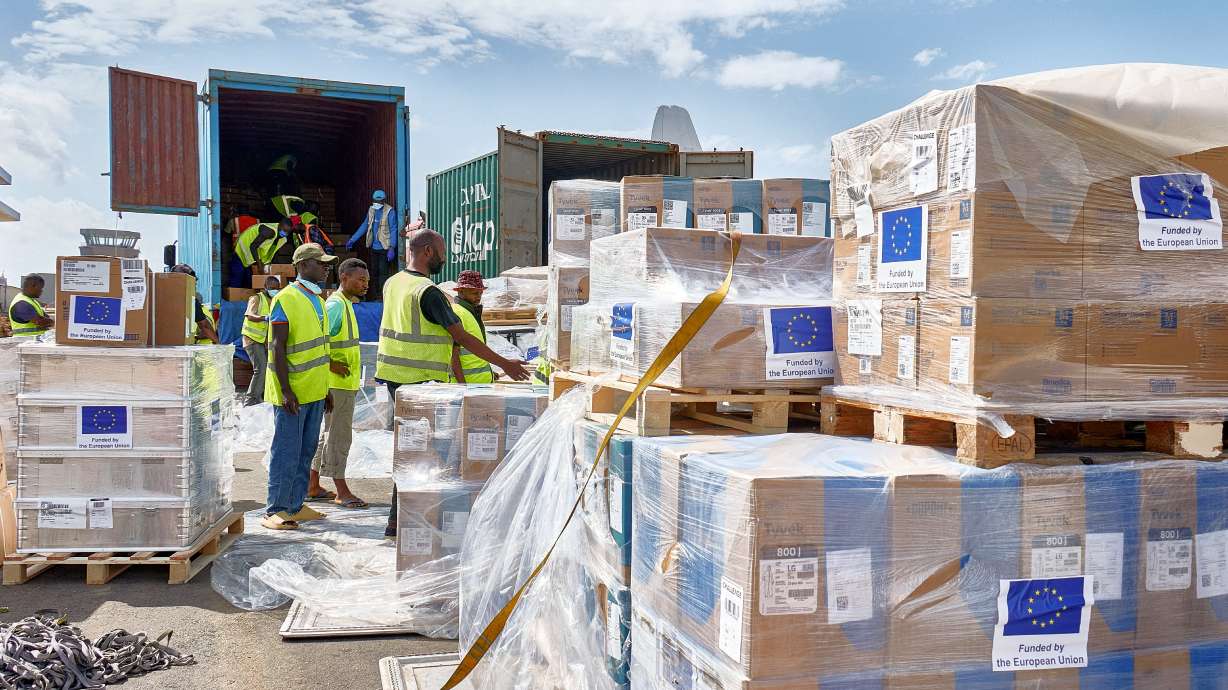


Ihekweazu noted that the lack of links to existing patients suggests that the virus has been circulating within communities far longer than previously understood. This pattern is starkly different from areas with fewer cases, like North Kivu province, where the majority of new cases are identified through established contact tracing efforts, indicating a more controlled environment in that region.
Challenges in Containment
The difficulty in tracking the disease is compounded by the nature of the strain itself. Preliminary evidence suggests the Bundibugyo virus may produce milder symptoms in some patients, leading families to care for their sick at home rather than seeking medical intervention. This delay ensures that patients remain in the community, significantly increasing the likelihood of further transmission. An analysis of the first 400 deaths linked to the outbreak found that roughly 70 percent occurred outside of medical facilities.
In Bunia, a city of one million people, test positivity rates reveal the intensity of this community spread. Roughly one in every two patients tested for Ebola in the area receives a positive result, a figure that highlights the pervasive nature of the virus. This, combined with overcrowding in displacement camps—where 25 cases and 14 deaths have been confirmed by the International Organization for Migration—poses a grave threat to vulnerable populations.
Labor Disputes and Response Gaps
Efforts to stabilize the response are currently strained by internal labor unrest. Doctors and health workers, who have been managing treatment centers since May, have threatened a total strike due to the non-payment of salaries and bonuses. At the Rwampara treatment center in Ituri, staff recently blocked access routes and burned tires in protest of the financial backlog. While Congolese Health Minister Samuel Roger Kamba cited organizational issues and the need to verify payroll lists as the cause for delays, workers maintain that they have been operating under extreme duress without compensation.
Status of the Response
- Treatment Capacity: More than 700 beds are now available across the affected regions.
- Surveillance: Authorities are training 21,000 community health workers for house-to-house identification of suspected cases.
- International Reach: While more than 90 percent of cases are concentrated in Ituri, the virus has reached North Kivu, South Kivu, Tshopo, and Haut-Uele provinces. Additionally, 20 cases, including two deaths, have been reported in Uganda.
Looking Forward
While the WHO describes this as the fastest-growing Ebola outbreak on the continent, officials are pointing to signs of a maturing response. Ihekweazu observed that recent increases in daily confirmed cases, such as a report of over 80 infections in a single day, may actually represent an improvement in detection capabilities rather than a sudden spike in actual infections.
The international community has mobilized $1.5bn to support the health response.
Archypedia is dedicated to independent, evidence-backed reporting. This briefing was synthesized from primary source reporting, corroborated across independent newsrooms, and verified against our Editorial Standards.
Transparency record
Evidence behind this report
This report synthesizes 10 distinct sources. Open the source ledger below to compare the underlying coverage.
- standardmedia.co.ke
- nypost.com
- ksl.com
- hindustantimes.com
- aljazeera.com
- uk.news.yahoo.com
- trtafrika.com
- rescue.org
- imperial.ac.uk
- au.news.yahoo.com
Prepared under the Archypedia Editorial Policy by the Lina Park editorial desk profile. AI-assisted tools may support drafting and verification; public accountability remains with Archypedia. Report an error.