Vaping linked to worsened cardiovascular function in young adults
Studies presented at the ERS Congress reveal that young adults who vape exhibit significantly lower exercise capacity, even with normal lung function.
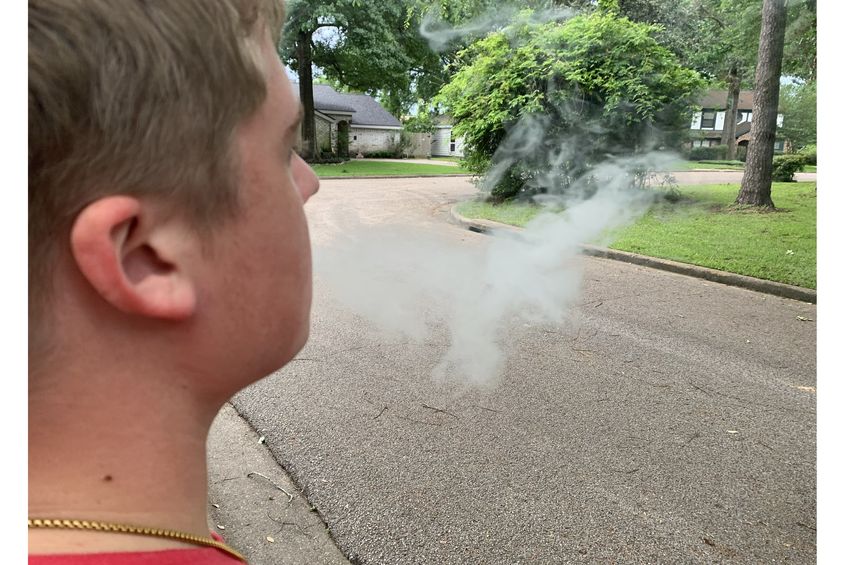
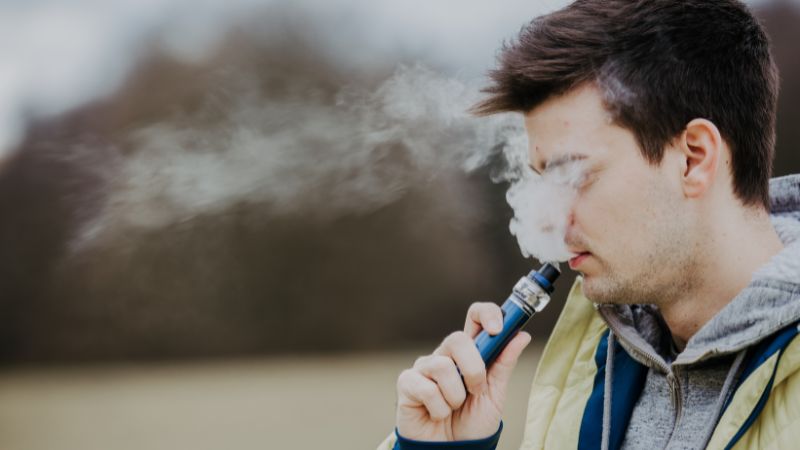
Evidence continues to mount that regular e-cigarette use, once frequently marketed as a safer alternative to tobacco, is tied to measurable declines in cardiovascular and cardiopulmonary health among young adults. Research presented on September 8, 2024, at the European Respiratory Society (ERS) Congress in Vienna, Austria, indicates that young people who vape perform significantly worse on exercise stress tests than their non-vaping peers, often showing physical limitations comparable to those of traditional cigarette smokers.
For young adults, who often remain asymptomatic in routine clinical settings, these findings represent a critical early warning. Researchers have identified that even individuals with otherwise normal lung function exhibit reduced oxygen consumption, higher levels of muscle fatigue, and signs of premature vascular dysfunction after chronic e-cigarette use.
Related media

Comparative Performance in Exercise Testing
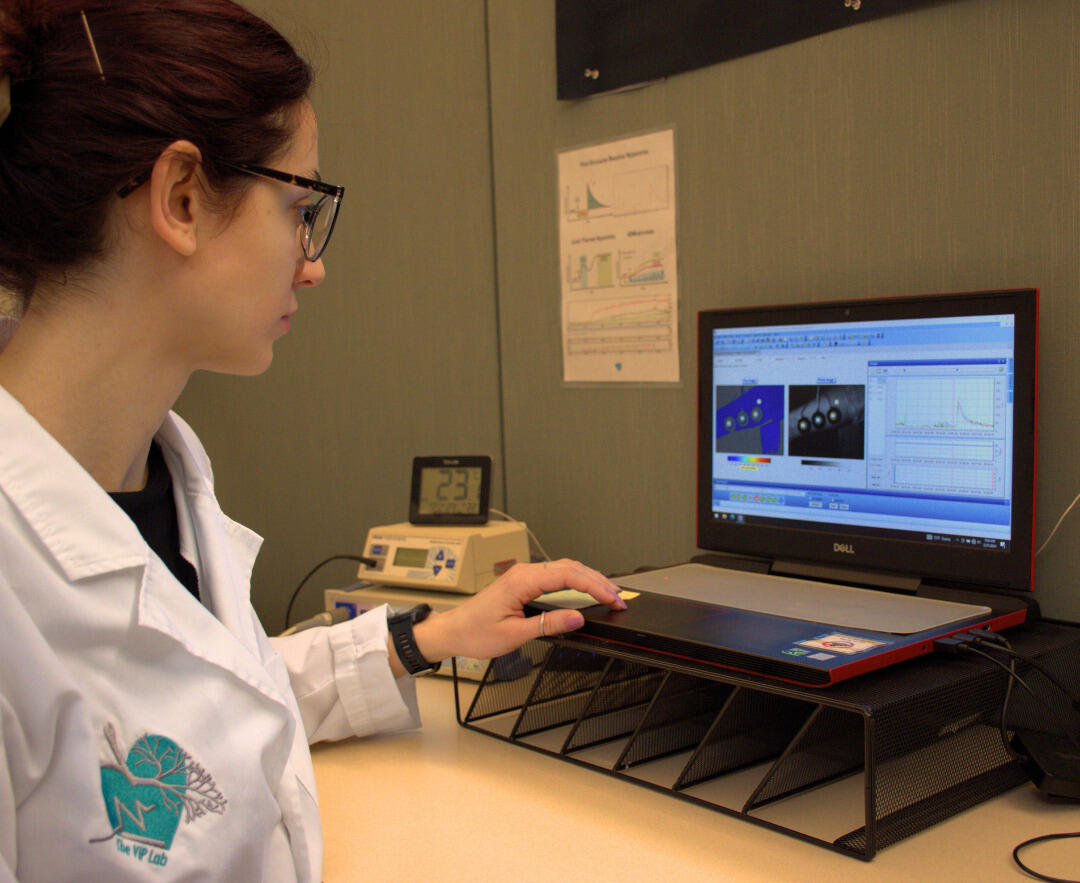
In multiple assessments, researchers utilized stationary bikes and treadmill tests to gauge how vaping influences physical fitness. The results consistently show that vapers underperform when compared to control groups who neither smoke nor vape. In one study of 60 people in their 20s, all of whom had normal lung function via spirometry, those who had vaped for at least two years showed a marked decline in exercise capacity.
| Group | Peak Exercise Capacity (Watts) | Peak Oxygen Consumption (L/min) |
|---|---|---|
| Non-Users | 226 | 3.0 |
| Vapers | 186 | 2.7 |
| Smokers | 182 | 2.6 |
According to Dr. Azmy Faisal of Manchester Metropolitan University, vapers and smokers experienced intense leg fatigue and were more out of breath even before reaching their maximum exercise levels. Blood tests in these groups revealed higher levels of lactate, a sign of muscle fatigue. Another study of 26 e-cigarette users and 16 matched nonusers found that vapers exhibited significantly lower peak oxygen consumption and impaired skeletal muscle oxygen utilization during exercise.
Biological Markers of Impairment
Beyond diminished exercise capacity, clinical observations link vaping to a cascade of immediate and long-term physiological changes. Research from Virginia Commonwealth University (VCU) published in the journal Angiogenesis highlights that healthy adults aged 21 to 31 who use e-cigarettes frequently present premature vascular dysfunction. VCU researchers found that individuals using e-cigarettes for longer than three years exhibit more extensive damage affecting different types of blood vessels.
Immediate physiological responses are also documented. Analysis from the Cardiac and LUng E-cig Smoking (CLUES) Study, presented at the American Heart Association’s Scientific Sessions in November 2022, found that people who vaped experienced higher blood pressure and heart rate immediately after use. This response includes greater constriction of the brachial artery and worse heart rate variability, which indicates the activation of the sympathetic nervous system's fight-or-flight
mechanism.
Further pulmonary research published in Chest on January 2, 2026, found that chronic vapers—defined as daily use for more than two years—experienced greater dyspnea, or shortness of breath, during submaximal exercise. These users also showed blunted postural pulmonary diffusing capacity recruitment, despite having normal resting lung volumes and spirometry.
Differing Perspectives on Risk and Safety
While e-cigarettes are often perceived as safe, the scientific community is increasingly challenging this assumption.
Dr. Filippos Filippidis of Imperial College London noted that while establishing causality in cross-sectional studies is challenging, the persistent association between vaping and reduced fitness should serve as a warning. Similarly, Tijana Simovic, a researcher at VCU, argued that because the harmful effects of traditional cigarettes were recognized decades after adoption, the community should not wait another 50 years to identify the impact of e-cigarettes.
What to Watch Next
- Reversibility: A key pending question identified by VCU researchers is whether the signs of vascular dysfunction observed in young adults can be reversed upon cessation.
Archypedia is dedicated to independent, evidence-backed reporting. This briefing was synthesized from primary source reporting, corroborated across independent newsrooms, and verified against our Editorial Standards.
Transparency record
Evidence behind this report
This report synthesizes 8 distinct sources. Open the source ledger below to compare the underlying coverage.
- newsroom.heart.org
- pubmed.ncbi.nlm.nih.gov
- news.vcu.edu
- ersnet.org
- pulmonologyadvisor.com
- miragenews.com
- healthday.com
- forbes.com
Prepared under the Archypedia Editorial Policy by the Lina Park editorial desk profile. AI-assisted tools may support drafting and verification; public accountability remains with Archypedia. Report an error.