Sri Lanka urges parents to dress preschool children protectively for dengue
Authorities have issued guidance for preschool children to wear protective clothing as the nation faces a spike in dengue fever transmissions. The appeal aims to minimize mosquito exposure during a critical high-risk period.
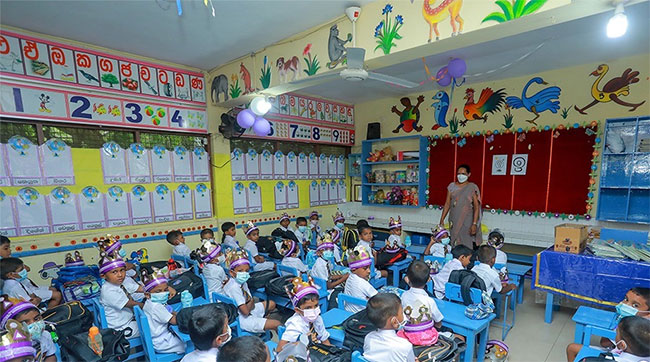
Sri Lankan health and education authorities have intensified their response to a deepening national health crisis, issuing a direct appeal to parents to modify the attire of preschool children to mitigate the risk of dengue fever. Minister of Women and Child Affairs Saroja Savithri Paulraj announced the guidance on Monday, 13 July 2026, during a media briefing at the Department of Government Information held in observance of National Early Childhood Week.
The directive encourages parents to ensure that children attending preschool are dressed in clothing that fully covers their arms and legs. This measure, intended to reduce exposure to the Aedes aegypti mosquito, follows a recent policy shift by the Ministry of Education, which granted similar clothing exemptions for older schoolchildren to prioritize protection over standard uniforms. Minister Paulraj urged parents to apply these same protective standards to younger children before they are sent to class.
Related media
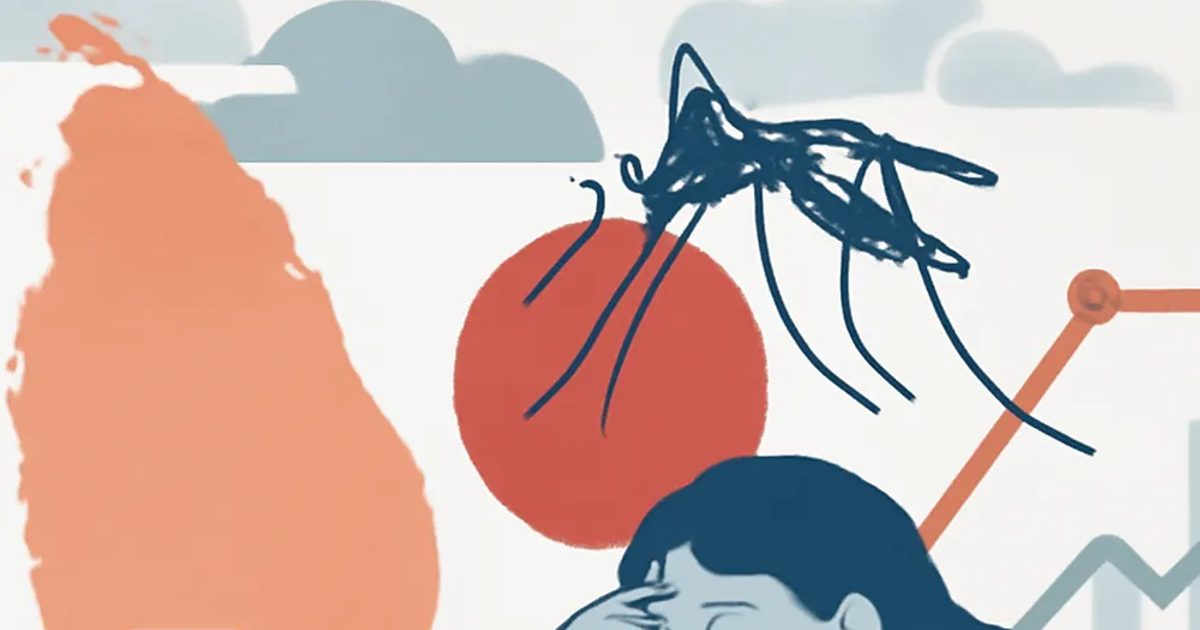
A Critical Period for Public Health
The Minister identified the current window as a high-risk interval, warning that the next two weeks will be particularly critical for controlling transmission within educational settings. In addition to protective clothing, authorities are advising the use of child-safe mosquito repellents as a secondary barrier against bites. Government officials are framing these steps as essential precautions to shield the most vulnerable members of the population from a disease that has become a persistent seasonal challenge.
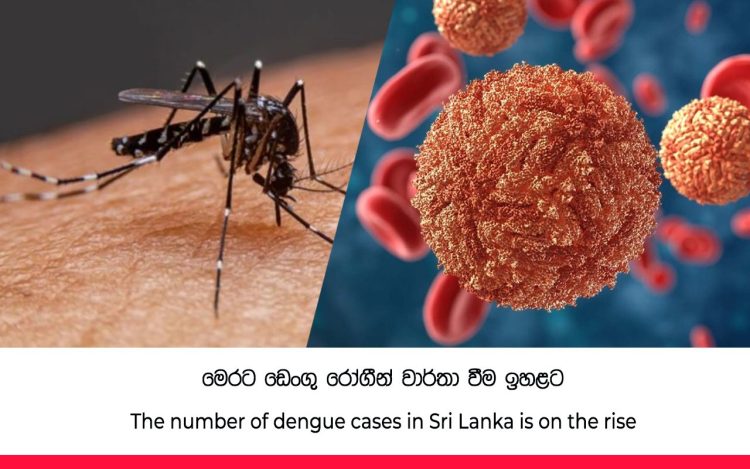
The urgency of the appeal coincides with significant data released by the National Dengue Control Unit. Official figures indicate that the island nation recorded 13,292 cases of dengue within the first 12 days of July. By 12 July 2026, the total national case count for the year had climbed to 68,672, with 47 fatalities attributed to the disease.
Broader Impact and Institutional Response
The surge in cases has forced various disruptions across the educational landscape. The University of the Visual and Performing Arts in Colombo, which had previously shuttered its doors due to the local spread of the virus, officially resumed academic activities on 13 July 2026.
Health officials continue to emphasize that the disease is not confined to urban centers, with infections reported in both rural and city environments. Stagnant water remains the primary focus of prevention efforts. Authorities have repeatedly cautioned that water collected in construction sites, residential gardens, and public spaces provides the necessary breeding grounds for the disease-carrying mosquitoes. Consequently, the government is calling on local government bodies, community organizations, and individual households to remain vigilant and actively participate in prevention drives.
Status of Preventive Measures
To assist families and citizens in navigating the current environment, health authorities have highlighted several key areas for community involvement:
- Personal Protection: Use of insect repellents and full-coverage clothing for children, particularly in schools and preschools.
- Environmental Vigilance: Active inspection and removal of potential mosquito breeding sites, such as containers or stagnant water, in households and workplaces.
- Medical Attention: Early reporting of symptoms to seek prompt medical evaluation, which experts maintain is vital in reducing the risk of life-threatening complications.
The government’s ongoing strategy relies on a combination of individual responsibility and large-scale, coordinated public health interventions. While ministers and the National Dengue Control Unit urge continued vigilance, the coming weeks will likely test the efficacy of these protective directives as the country navigates the period deemed most critical by the Ministry of Women and Child Affairs.
Archypedia is dedicated to independent, evidence-backed reporting. This briefing was synthesized from primary source reporting, corroborated across independent newsrooms, and verified against our Editorial Standards.
Transparency record
Evidence behind this report
This report synthesizes 4 distinct sources. Open the source ledger below to compare the underlying coverage.
Prepared under the Archypedia Editorial Policy by the Lina Park editorial desk profile. AI-assisted tools may support drafting and verification; public accountability remains with Archypedia. Report an error.