US bans citizens in Congo from flights home over Ebola outbreak concerns
The US administration has enacted a temporary ban on direct commercial flights from the DRC and mandated centralized health screening for travelers.
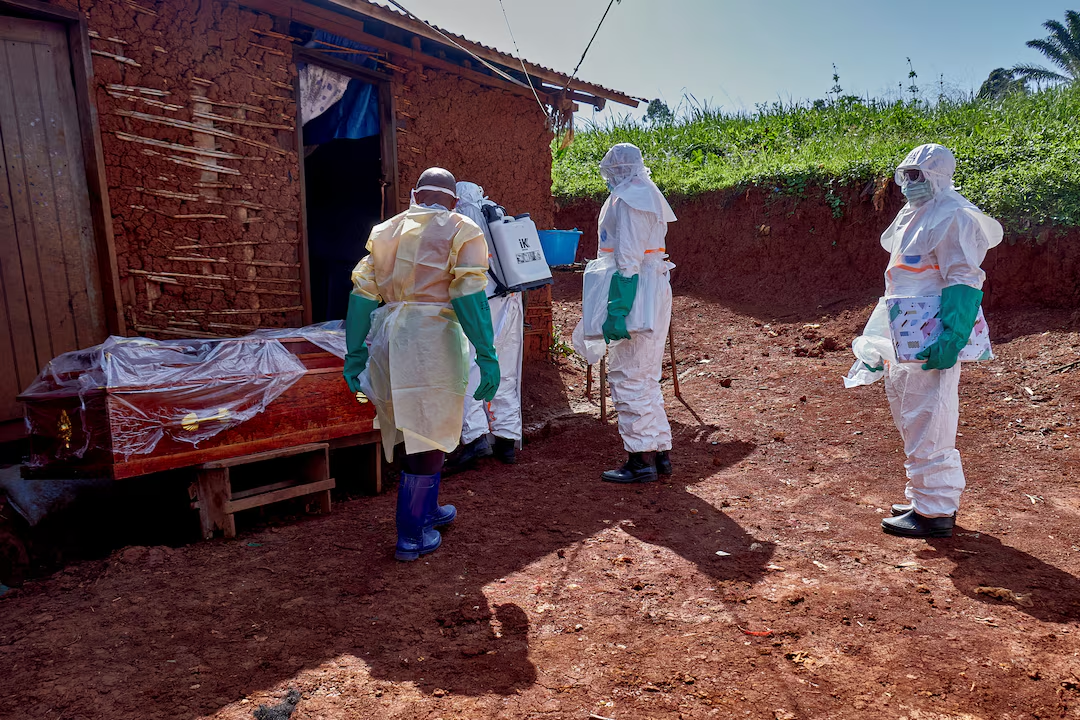
The measures, enacted by the administration to mitigate risks from a spreading Ebola outbreak, include a temporary ban on citizens returning directly from the DRC on commercial flights and the consolidation of all incoming travelers from the three affected nations to Washington Dulles International Airport for enhanced medical screening.
Travel Restrictions and Screening Protocols
Under new orders, U.S. Citizens currently in the DRC or those who have recently departed the country face a 21-day waiting period in a third country before they are cleared to board flights bound for the United States. This policy, cited as being under transportation authority Title 49, effectively places affected individuals on a do-not-board
list. For those permitted to Travel—including lawful permanent residents and other exempted categories—the Centers for Disease Control and Prevention (CDC) have mandated that all arrivals from the DRC, Uganda, and South Sudan enter exclusively through Washington Dulles.
Related media

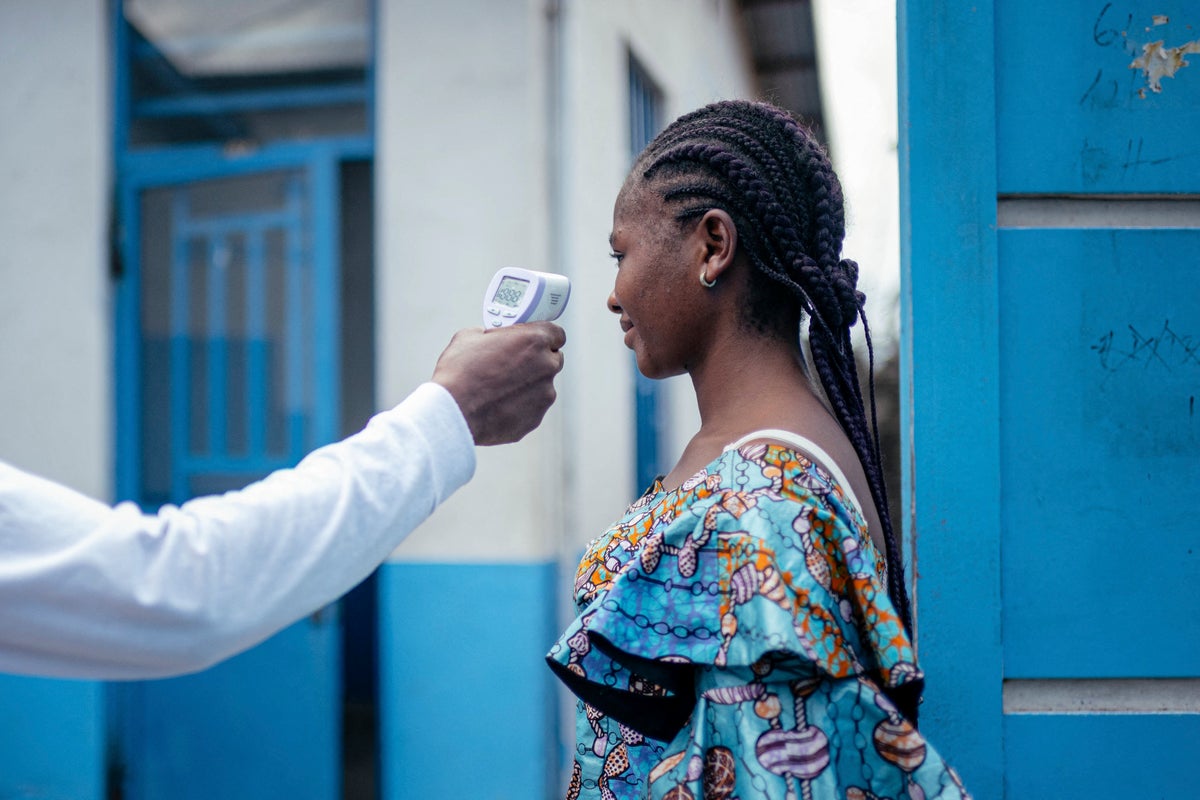
This centralized screening process is intended to manage potential exposures to the Bundibugyo strain of the Ebola virus. Upon arrival, travelers undergo temperature checks and questioning. Additionally, federal authorities have invoked Title 42 public health powers, restricting entry for many non-citizens who have traveled through the region within the last 21 days for at least 30 days.
Health and Security Context
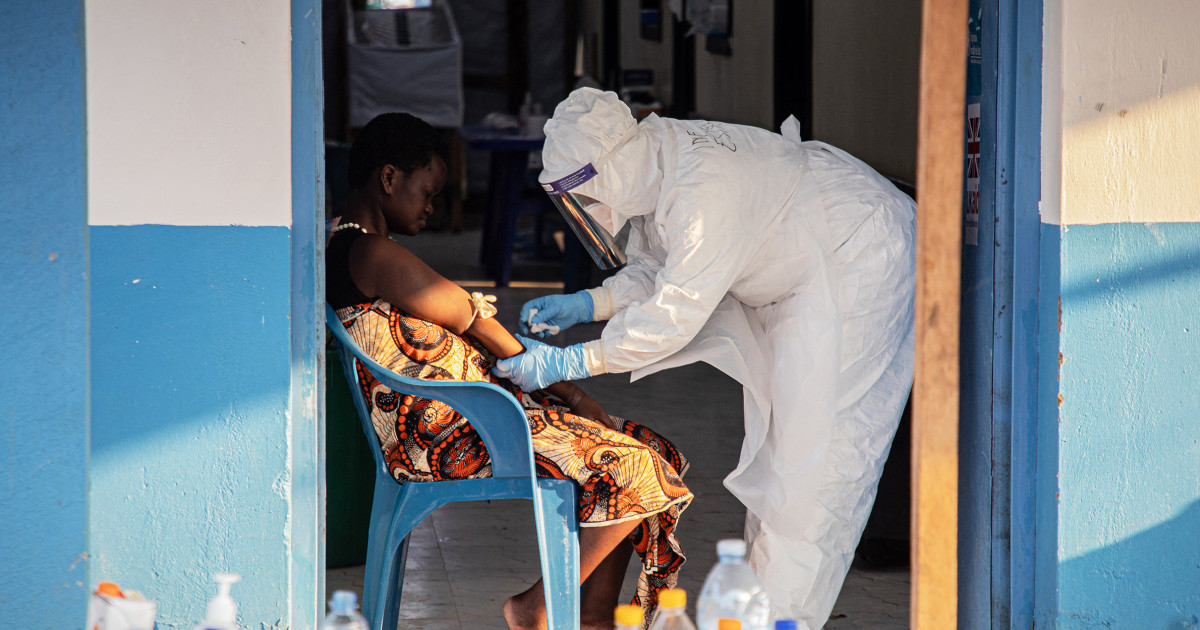
The urgency of these measures follows reports of at least one U.S. Citizen working in the DRC testing positive for the virus, with at least one other American doctor evacuated to Germany for medical treatment. The World Health Organization has classified the situation as a public health emergency of international concern.
The U.S. Department of State has escalated its travel advisory for the DRC to Level 4, warning citizens not to travel to the country. Beyond the health crisis, the advisory highlights severe security risks, including armed conflict in the Kivu and Ituri provinces, kidnapping, and limited consular capabilities outside of Kinshasa.
Conflicting Perspectives on Policy
The administration’s approach has drawn mixed responses. While some officials prioritize border security, others, including international health experts, have voiced concerns regarding the methodology. Regarding the restrictions, officials have maintained a focus on domestic protection:
"We care about Ebola, we don’t want anyone dying or being affected by Ebola, but our number one priority will always be making sure it doesn’t come to the United States."
Conversely, some public health advocates argue that the policy is inefficient. Dr. Jeanne Marrazzo of the Infectious Diseases Society of America stated, Policies that single out individuals not for any scientific or medical reason, but because of their citizenship, won’t prevent outbreaks from spreading.
Ugandan Information Minister Chris Baryomunsi further labeled the U.S. Response as an overreacting
measure that may negatively impact regional economic activity.
What to Watch Next
- Logistical Strain: Experts are monitoring whether concentrating all arrivals at Washington Dulles creates significant bottlenecks that could overwhelm screening capacity if case numbers continue to rise.
- Policy Duration: While the Title 42 order is currently set for 30 days, federal health authorities have indicated they will continue to evaluate the evolving situation to determine if further adjustments to public health measures are necessary.
- Economic Impact: Observers are tracking potential disruptions to global supplies of copper and cobalt, which are vital to technology sectors and heavily sourced from the affected regions in the DRC.
Archypedia is dedicated to independent, evidence-backed reporting. This briefing was synthesized from primary source reporting, corroborated across independent newsrooms, and verified against our Editorial Standards.
Transparency record
Evidence behind this report
This report synthesizes 5 distinct sources. Open the source ledger below to compare the underlying coverage.
Prepared under the Archypedia Editorial Policy by the Lina Park editorial desk profile. AI-assisted tools may support drafting and verification; public accountability remains with Archypedia. Report an error.