UN warns of global vaccination gaps and rising disease outbreaks
Despite incremental gains in infant immunization rates, the UN warns that geopolitical conflict, misinformation, and aid cuts threaten recent progress.
Global vaccination efforts showed signs of stabilization in 2025, yet United Nations agencies cautioned on Wednesday, 15 July 2026, that the system is currently facing systemic instability. While infant immunization rates have seen incremental improvements, the World Health Organization (WHO) and UNICEF warned that a combination of geopolitical conflict, vaccine misinformation, and emerging gaps in international aid threaten to reverse recent progress.
Snapshot of Global Immunization
Data published by the UN indicates that 90 percent of infants globally received at least one dose of the vaccine protecting against diphtheria, tetanus, and pertussis (DTP) in 2025. Approximately 85 percent of infants successfully completed the full three-dose series. These figures represent a one percentage point increase over 2024 results, yet they remain one point below the global coverage levels recorded in 2019, prior to the widespread disruption caused by the COVID-19 pandemic.
Related media
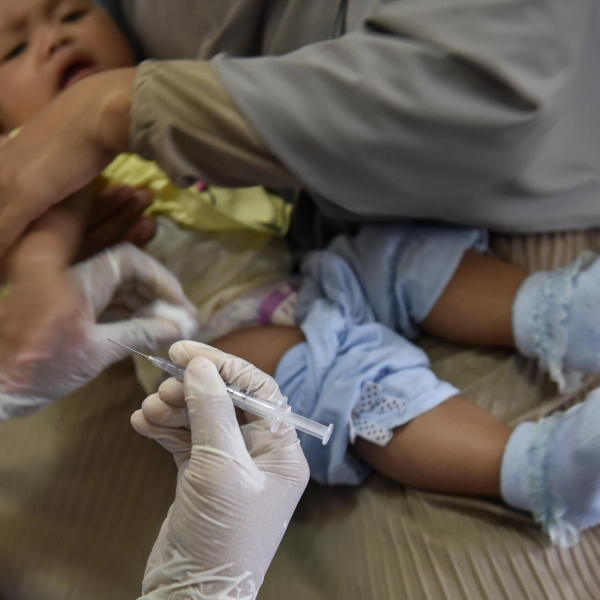
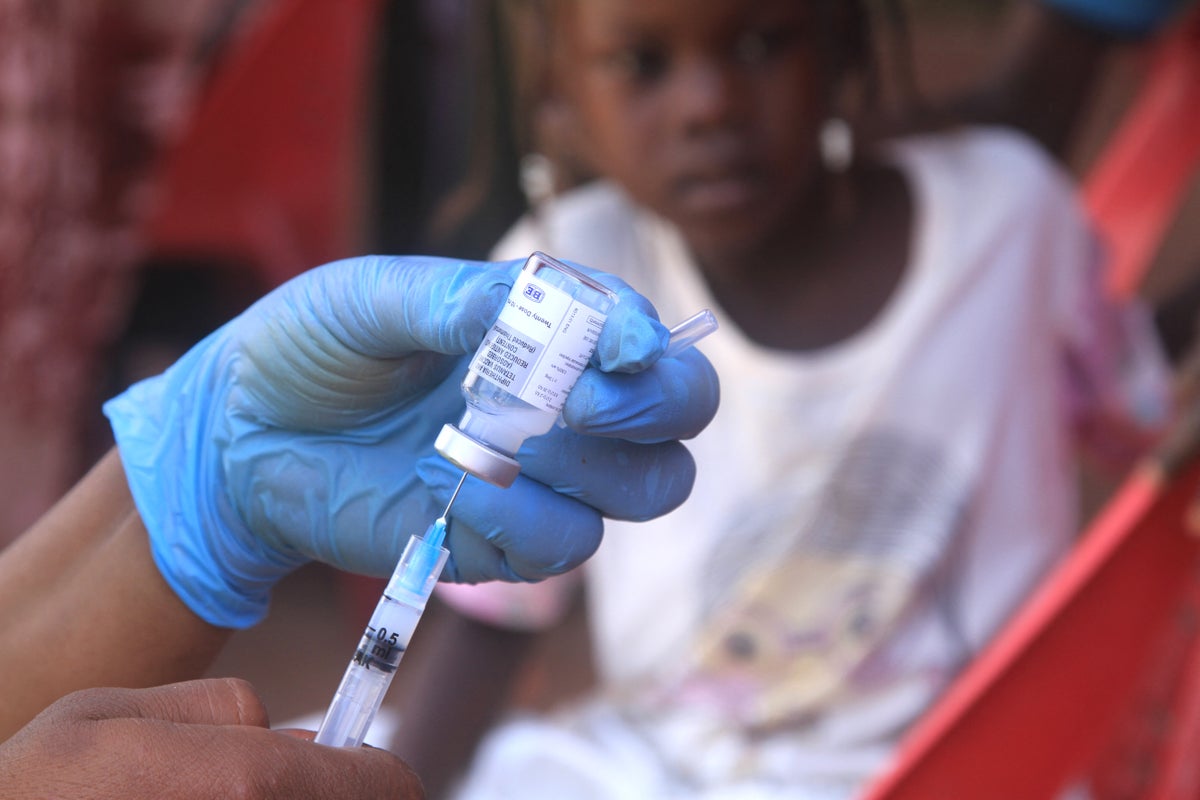
The number of children categorized as "zero-dose" — those who did not receive a single routine vaccine in their first year of life — stood at 13.5 million in 2025. While this represents a reduction of 750,000 children compared to 2024, UN officials noted that the current pace of improvement is insufficient to meet established global goals for 2030. According to The Independent, the current figure remains nearly four million above the milestone required to halve the number of unvaccinated children by the end of the decade.
Outbreaks and Regional Disparities
The persistence of coverage gaps has facilitated a surge in preventable disease outbreaks. Health agencies reported that 57 countries experienced large or disruptive measles outbreaks during 2025. Global coverage for the first dose of the measles vaccine has stalled at 84 percent, with only 77 percent of children receiving the second dose, a figure well below the 95 percent threshold required to prevent community spread.
WHO vaccines director Kate O'Brien identified misinformation as a primary driver of these dropouts, noting that millions of infants receive an initial DTP shot but fail to return for their subsequent measles immunization. Furthermore, Yahoo News reported that conflict settings continue to be the most significant barrier to health equity, with over half of the world's zero-dose children living in fragile or conflict-affected regions, despite those areas accounting for only about one-third of global births.
The Funding Outlook
While low-income countries supported by the vaccine alliance Gavi achieved record-high immunization rates in 2025, the organization warned that its upcoming strategic period is not fully funded. Gavi’s chief country delivery officer, Thabani Maphosa, stated that failing to close the current financing gap could jeopardize programs that would have otherwise saved 600,000 lives.
"The historic levels of immunisation that we are seeing across lower income countries shows what can be achieved when all stakeholders work together towards a shared objective. As Gavi heads into a new five-year period, our great challenge now will be to maintain this momentum in the face of funding constraints, geopolitical uncertainty, and increasing outbreaks."
Thabani Maphosa, chief country delivery officer, via Gavi
UN agencies warned that the 2025 data likely masks the full extent of recent political shifts, as many programs operated on pre-allocated budgets. Officials highlighted that the impact of international aid cuts is expected to manifest more acutely in 2026. UNICEF’s immunization chief Ephrem Lemango noted that these financial pressures are already hindering the infrastructure required to monitor health trends; the number of national immunization surveys submitted to the UN dropped from 50 in 2024 to just 18 in 2025.
What to Watch Next
- Surveillance Capacity: Experts are monitoring whether the decline in national immunization surveys will obscure the true scale of disease transmission in 2026.
- Programmatic Shifts: As Gavi transitions into its 2026–2030 strategic phase, resources will be increasingly concentrated on countries with the lowest coverage and highest dropout rates, as higher-performing nations transition toward self-funded models.
- Aid Impacts: Future reporting will focus on whether the aid funding cuts observed in late 2025 and early 2026 lead to a contraction in routine vaccination schedules in the world’s most vulnerable regions, particularly across sub-Saharan Africa.
Despite the challenges, some areas demonstrate resilience. Sudan, despite ongoing conflict, achieved the largest improvement in DTP3 coverage globally in 2025. Organizations continue to emphasize that, given the economic and social benefits of immunization, prioritizing domestic and international investment remains a critical safeguard for global health security.
Archypedia is dedicated to independent, evidence-backed reporting. This briefing was synthesized from primary source reporting, corroborated across independent newsrooms, and verified against our Editorial Standards.
Transparency record
Evidence behind this report
This report synthesizes 4 distinct sources. Open the source ledger below to compare the underlying coverage.
Prepared under the Archypedia Editorial Policy by the Lina Park editorial desk profile. AI-assisted tools may support drafting and verification; public accountability remains with Archypedia. Report an error.