NASA
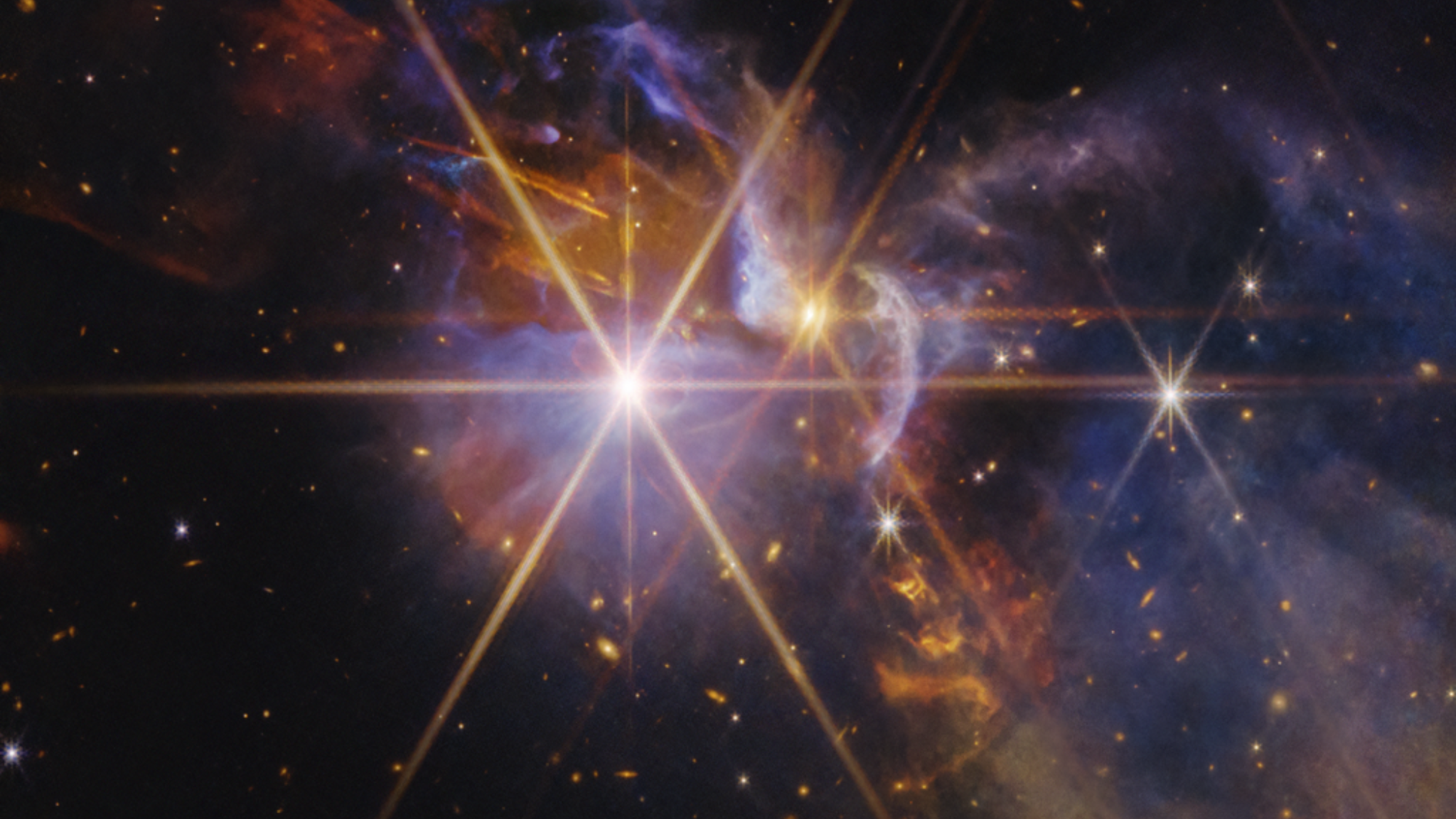
Webb Telescope captures star formation in FS Tau region
New infrared imagery from the James Webb Space Telescope offers a look at the birth of stars within the dust-shrouded FS Tau region. These findings provide evidence that protostars accumulate mass through discrete, energetic episodes rather than steady growth.
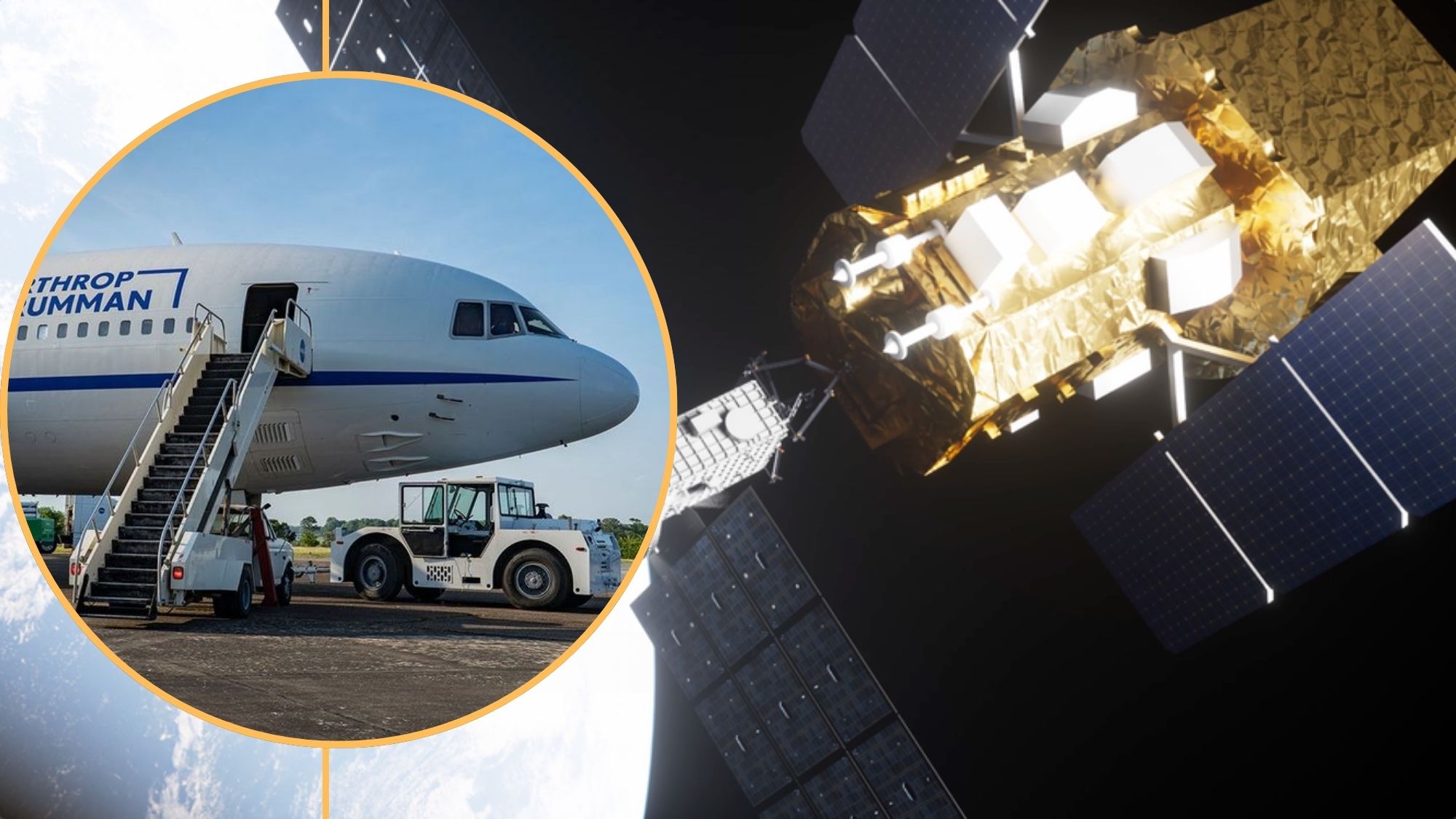
Rescue mission launches to save NASA telescope that’s falling back to Earth
Katalyst Space Technologies has deployed its Link spacecraft to perform a robotic rescue of the Neil Gehrels Swift Observatory. The mission seeks to prevent the telescope from burning up in Earth's atmosphere by boosting it to a higher, stable orbit.
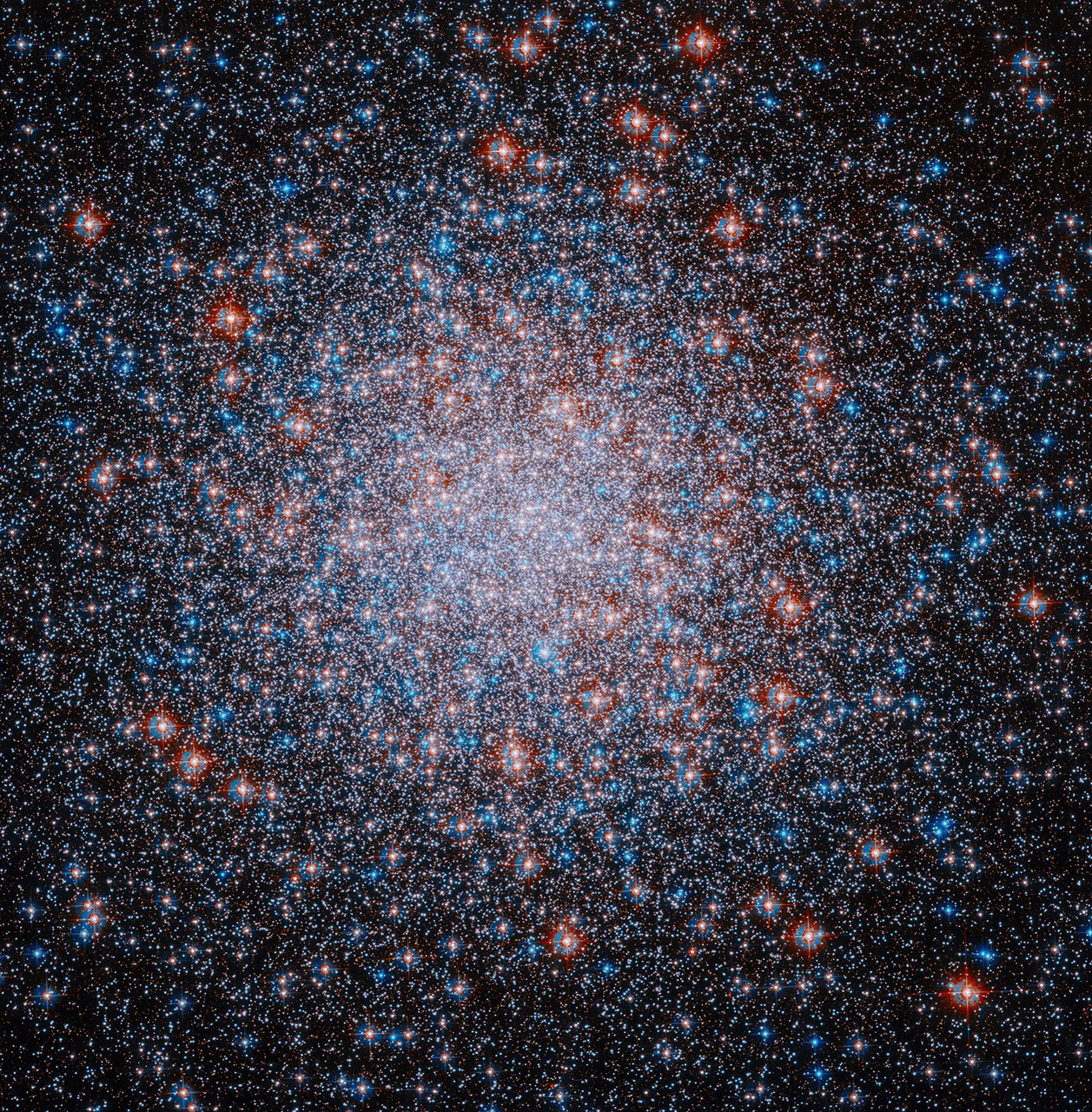
NASA's Hubble Spots Star-Spangled Cosmic Scene
To commemorate the U.S. 250th anniversary, NASA has released a high-resolution image of the massive Messier 3 globular cluster containing 500,000 stars.
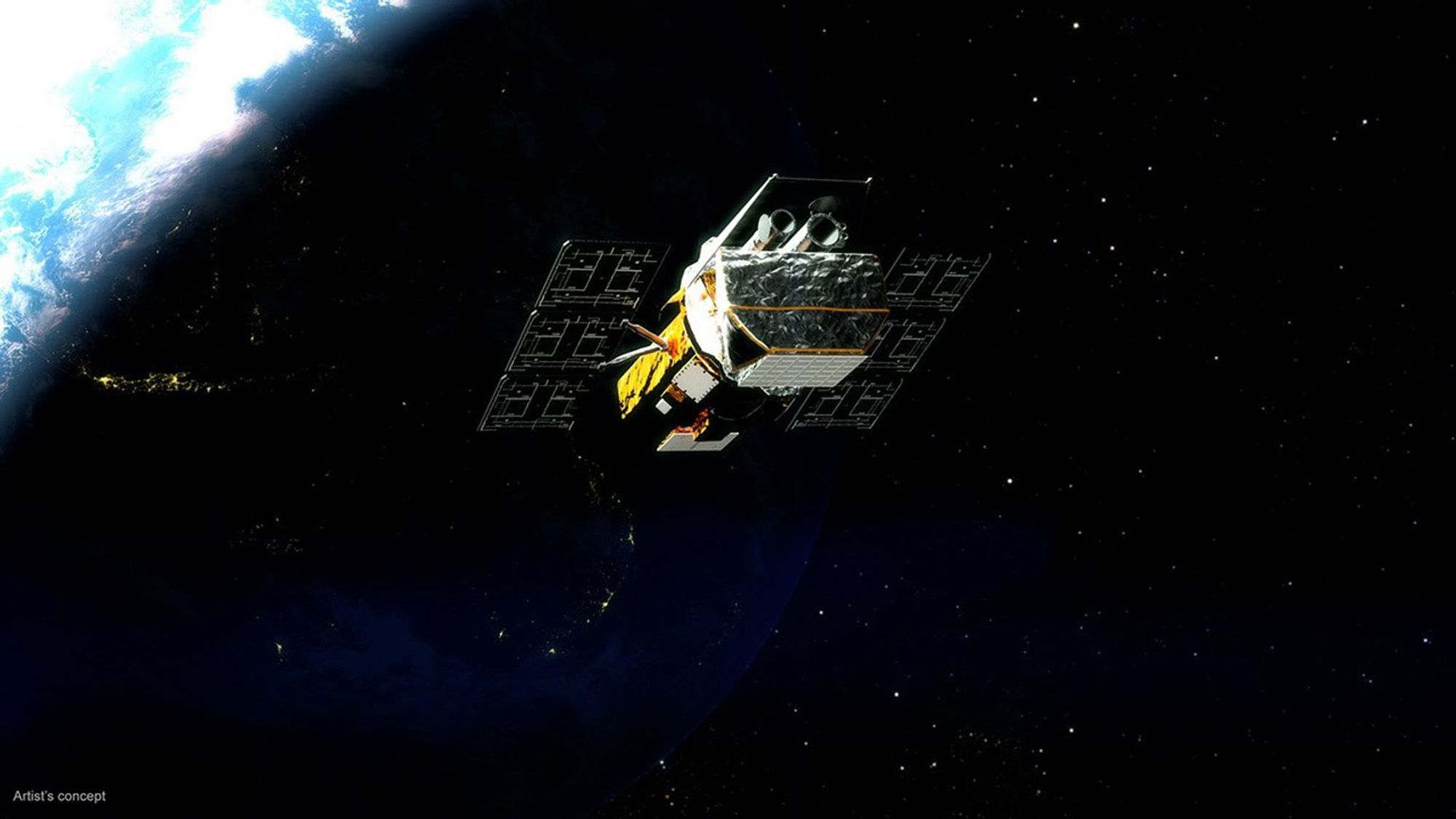
NASA launches Link spacecraft to rescue falling Swift telescope
Katalyst Space Technologies launched the Link spacecraft to stabilize the Neil Gehrels Swift Observatory, which is losing altitude due to solar activity.
NASA launches robotic mission to rescue Swift observatory from orbit decay
A robotic spacecraft is attempting an unprecedented salvage mission to rescue the decaying Neil Gehrels Swift Observatory from atmospheric reentry. This high-risk effort marks the first time an American robotic craft will attempt to service an uncrewed U.S. government satellite.

NASA mission to rescue Swift space telescope delayed by launch problem
A mission to boost the aging Swift gamma-ray telescope's orbit has been paused following a failure to deploy the rocket. NASA is evaluating if a secondary launch attempt is feasible.
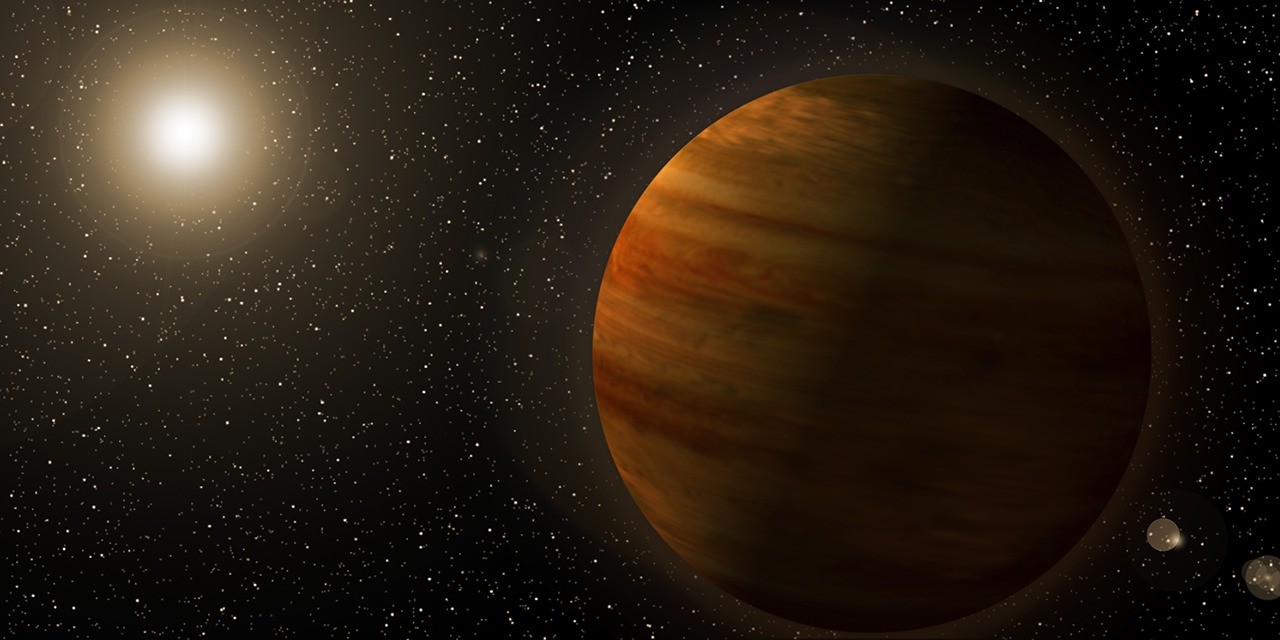
NASA TESS mission identifies first exoplanet using gravitational microlensing
NASA's TESS satellite has successfully utilized gravitational microlensing to discover a super-Jupiter 40,000 light-years away, marking an evolution in its capabilities.

NASA selects Astrobotic Intuitive Machines Firefly
NASA has selected three aerospace companies to develop lunar landers for a series of missions aimed at establishing a sustained human presence on the moon.

New Horizons data confirms solar wind slows in the outer heliosphere
New Horizons data reveals a measurable deceleration of the solar wind as it interacts with interstellar gas. This research helps clarify the heliosphere's protective boundary and its role in shielding the solar system.
NASA to launch robotic mission to rescue Swift observatory from orbit decay
NASA has contracted Katalyst Space Technologies to perform a robotic rescue of the Swift telescope, which is experiencing rapid orbital decay. The mission aims to prevent the satellite's reentry and preserve its ability to study cosmic events.
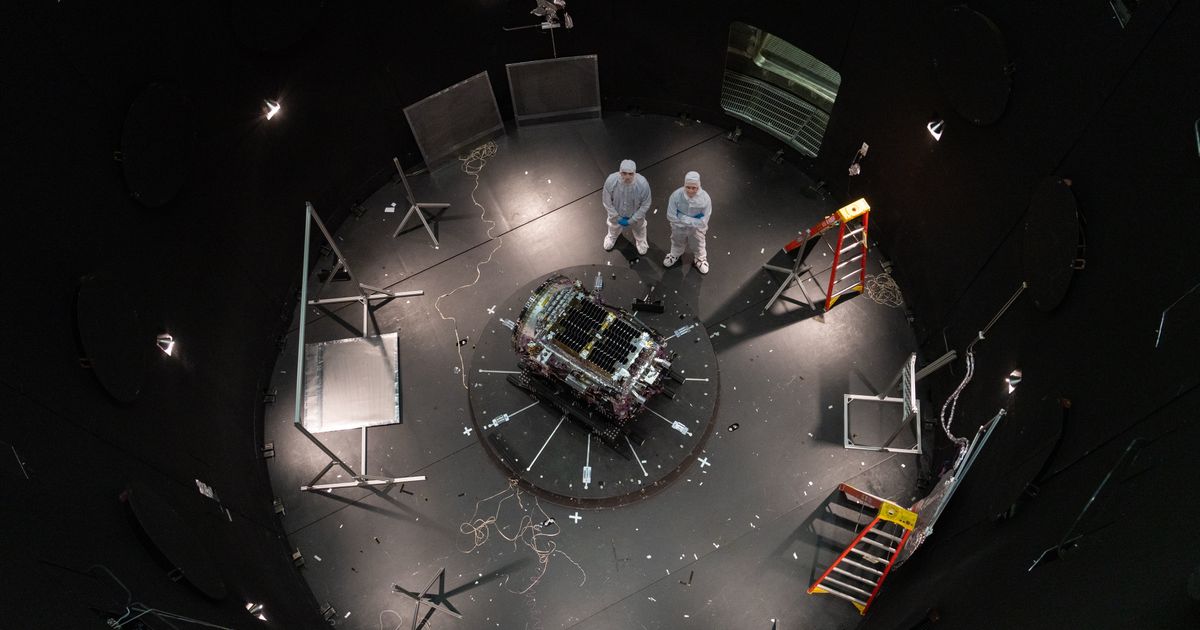
NASA launches robotic mission to boost Swift telescope to higher orbit
NASA has contracted Katalyst Space Technologies to perform an autonomous rescue of the aging Swift telescope, which is losing altitude due to solar activity. The mission aims to demonstrate in-orbit maintenance and extend the lifespan of critical scientific assets.
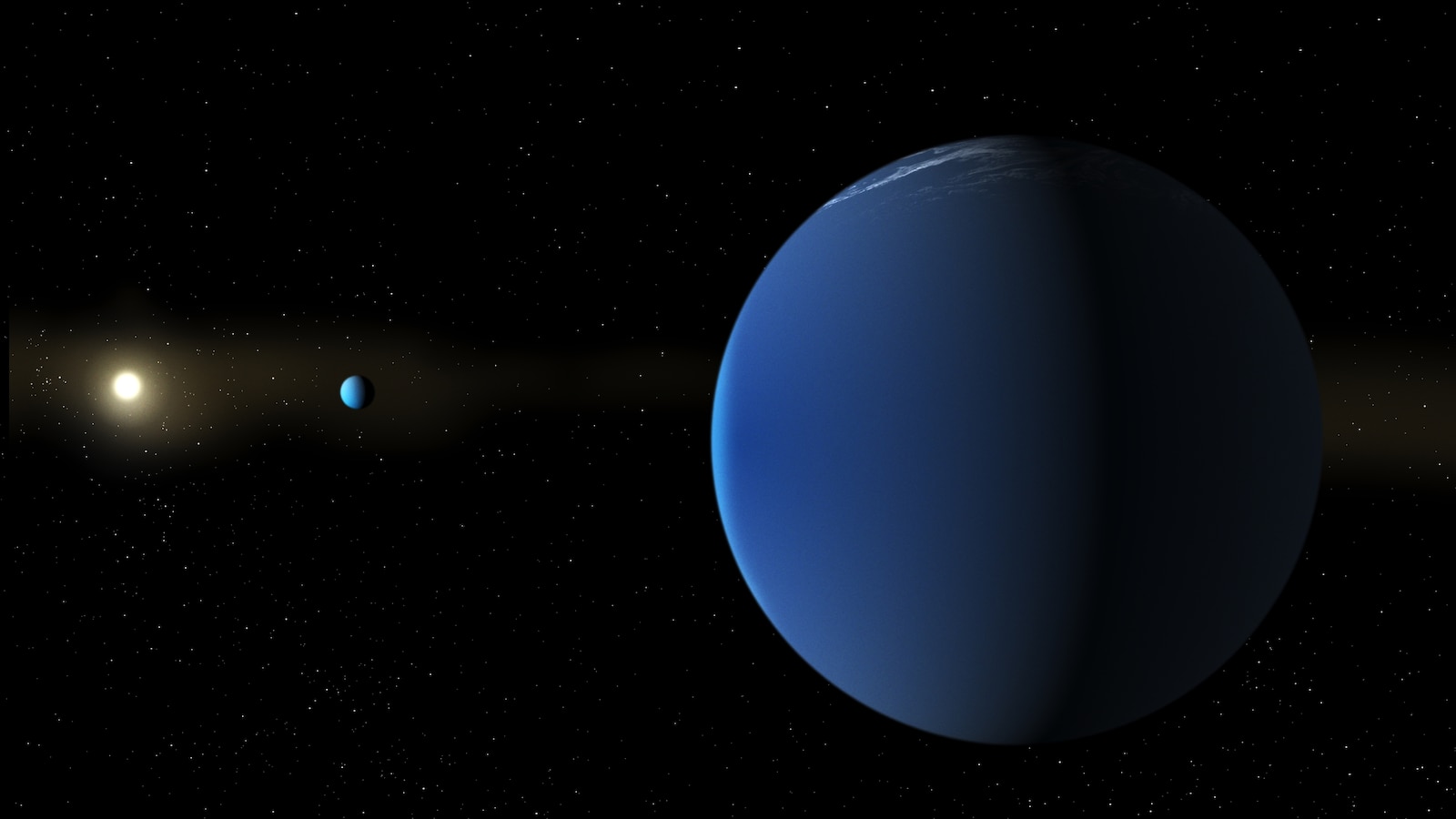
Astronomers identify largest and lowest density super-puff exoplanets yet
Researchers have identified a pair of exceptionally low-density gas giants that defy existing astronomical theories regarding how massive planets form. These super-puff worlds, located 1,110 light-years away, possess vast radii despite having only a small fraction of Jupiter's mass.
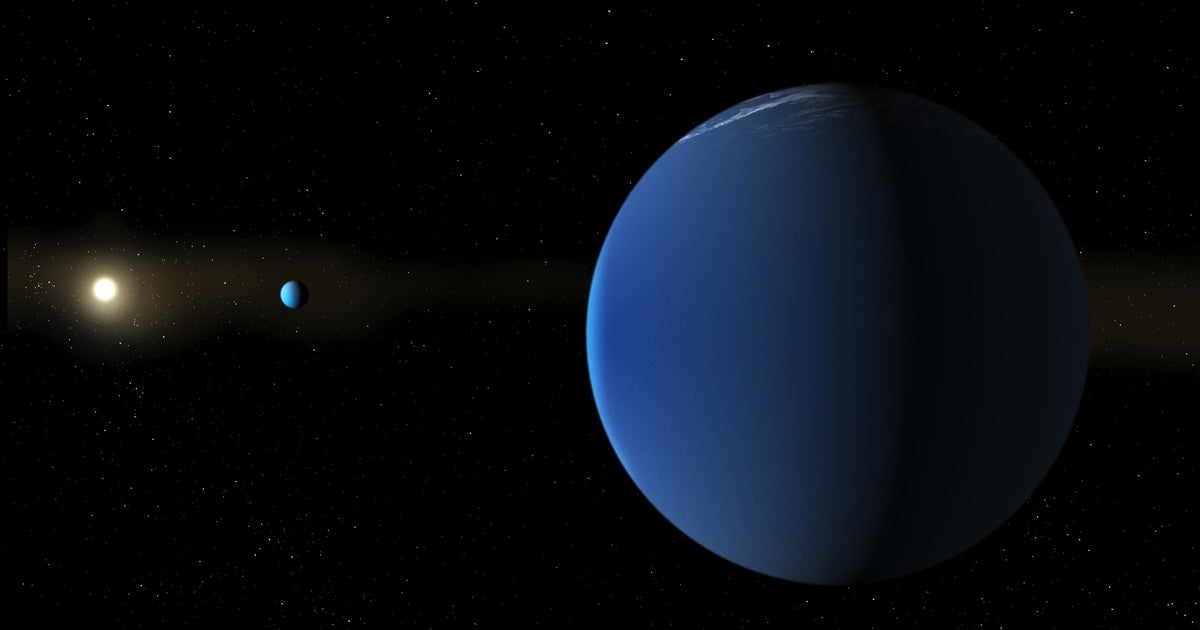
Astronomers found two rare super puff planets lighter than cotton candy
Researchers have identified two giant exoplanets with densities comparable to shaving foam, marking them as some of the lightest worlds ever discovered. These rare super-puffs challenge existing models regarding how giant planets form.
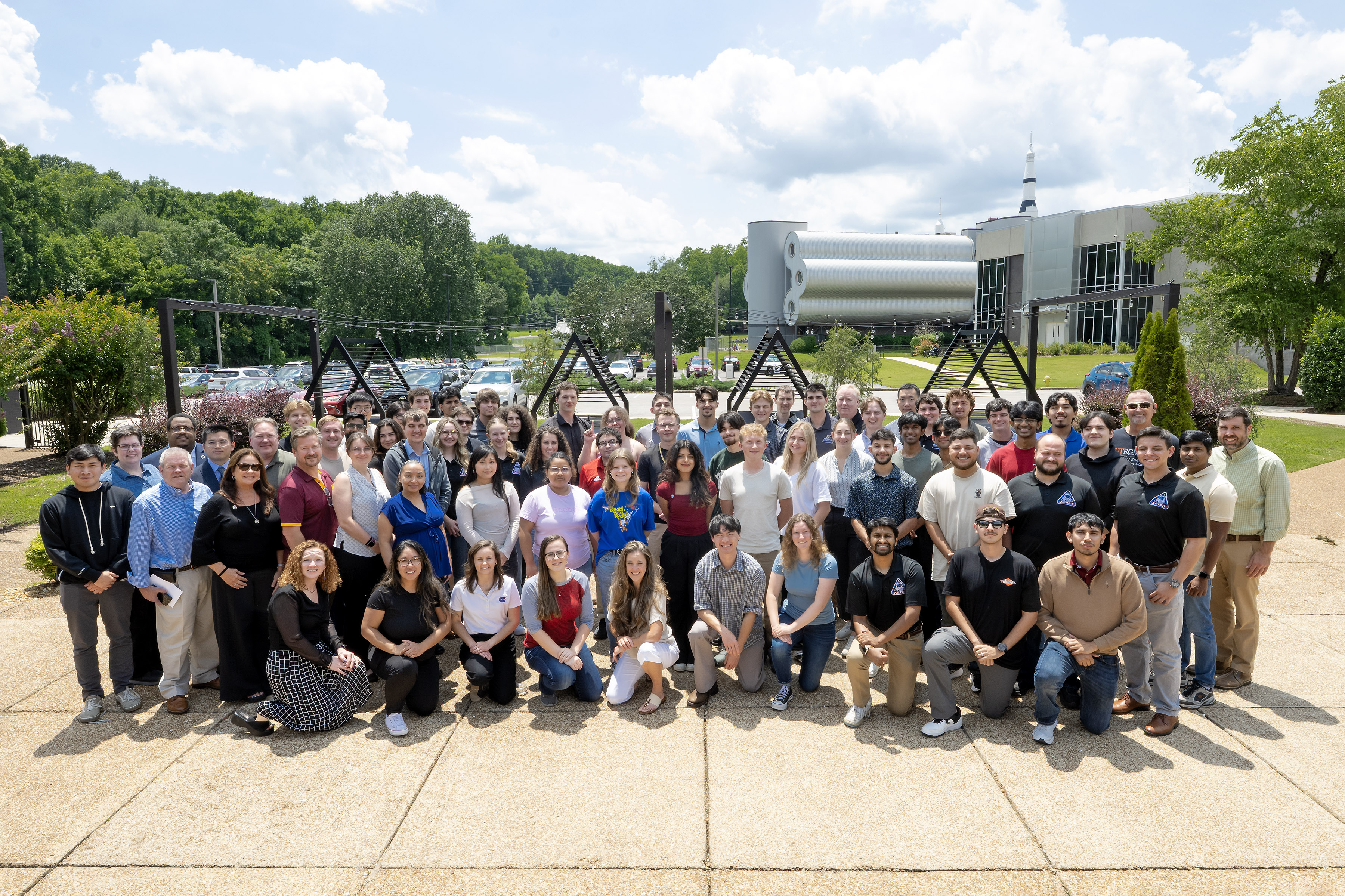
NASA names Cal Poly winner of 2026 Human Lander Challenge for lunar tech
NASA named California Polytechnic State University the winner of the 2026 Human Lander Challenge for their project advancing life support technologies.
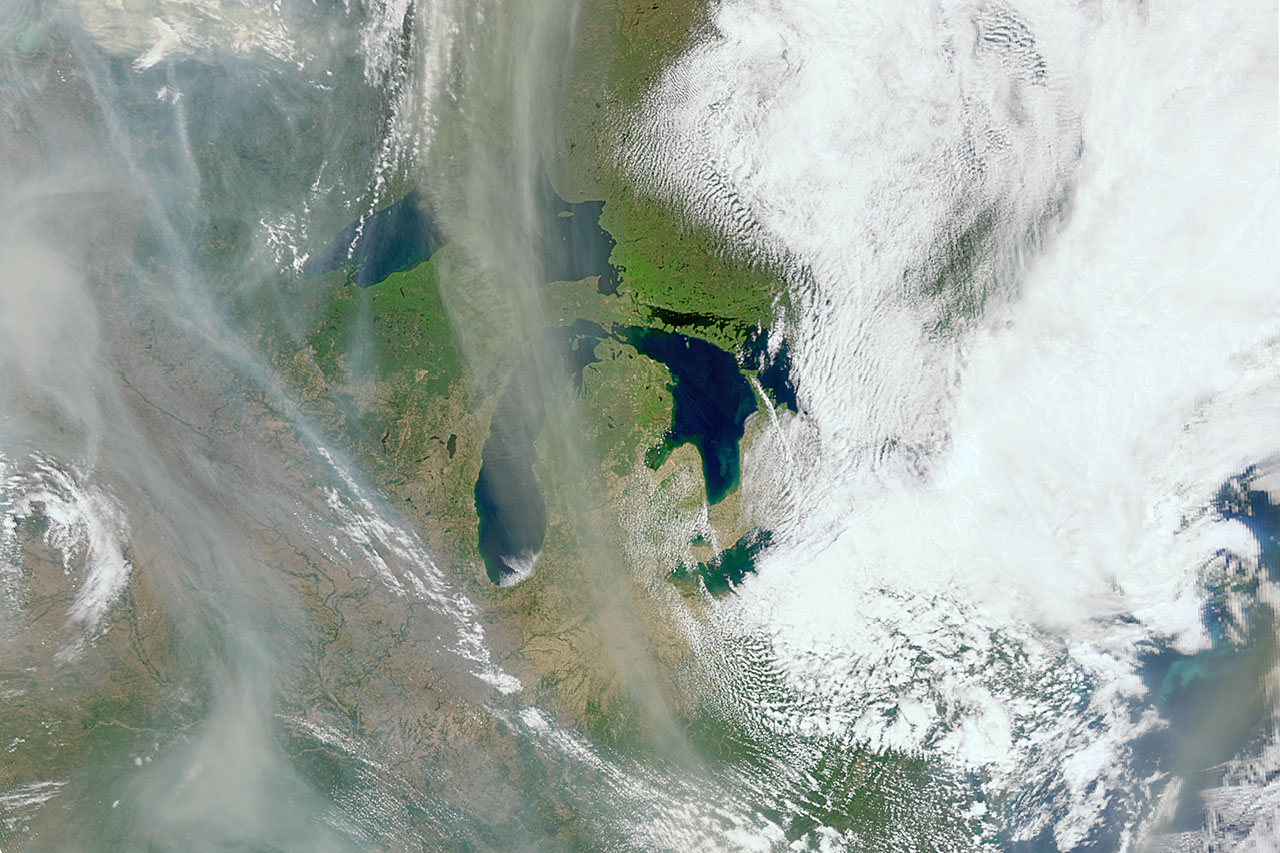
NASA PACE satellite tracks wildfire smoke and vegetation health
Originally designed for ocean observation, NASA's PACE satellite is providing new insights into terrestrial fire tracking and atmospheric smoke plumes. The mission uses hyperspectral instruments to assess vegetation stress and map burn scars.