Astronomers identify largest and lowest density super-puff exoplanets yet
Researchers have identified a pair of exceptionally low-density gas giants that defy existing astronomical theories regarding how massive planets form. These super-puff worlds, located 1,110 light-years away, possess vast radii despite having only a small fraction of Jupiter's mass.
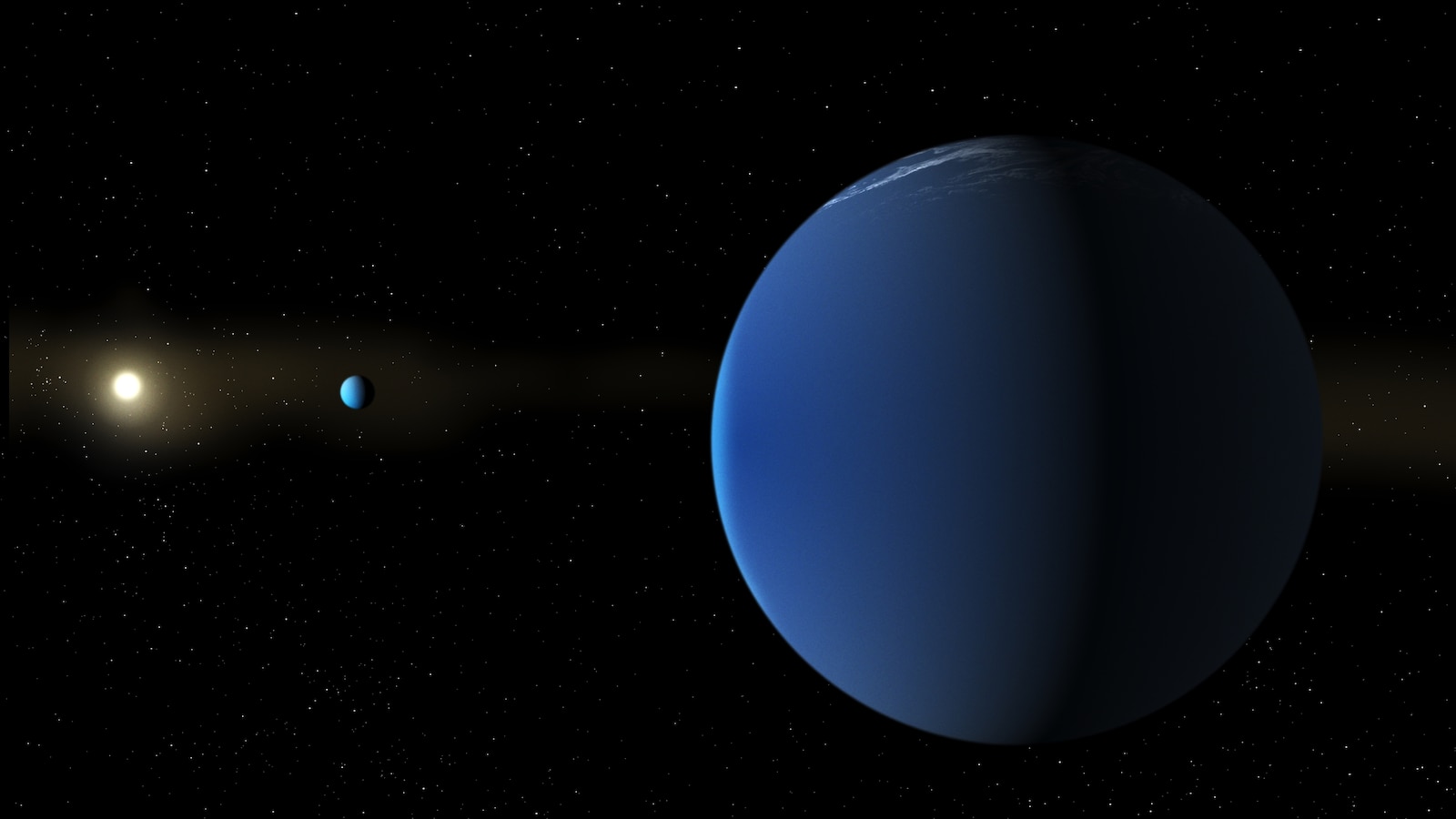
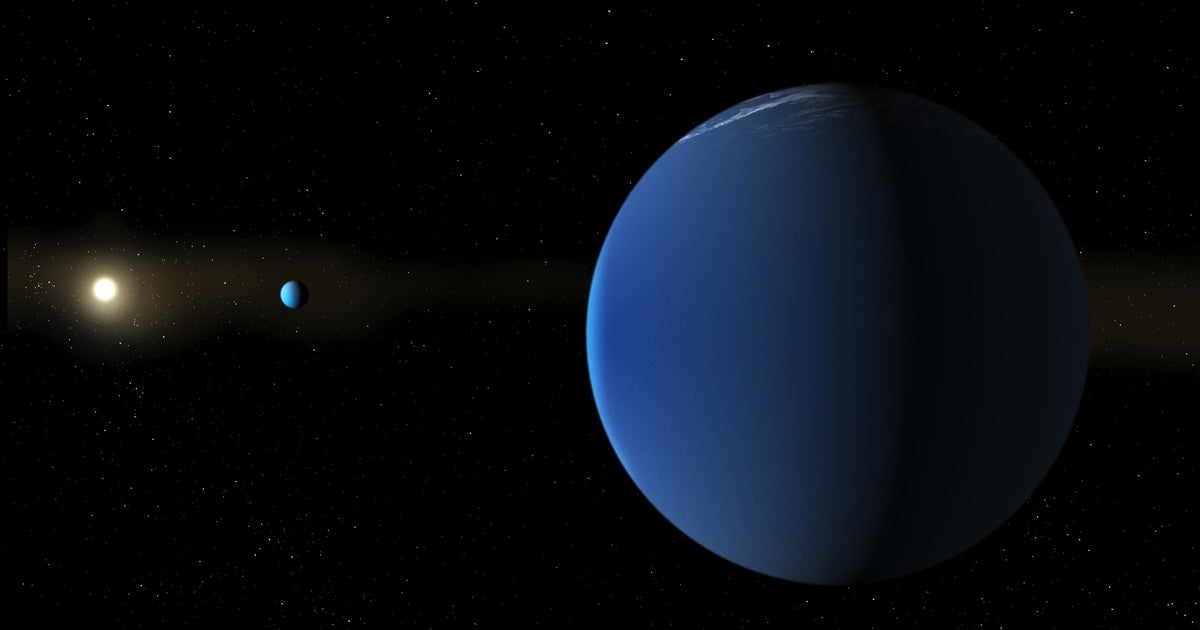
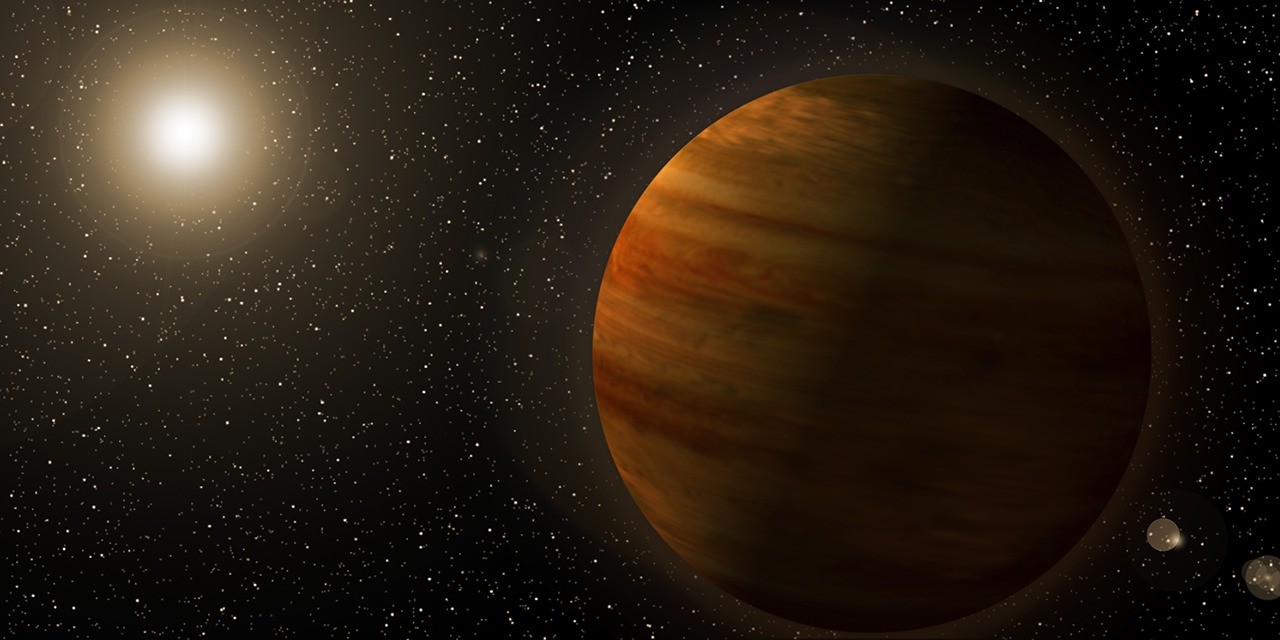
Astronomers have identified a pair of exceptionally low-density giant planets orbiting a star located 1,110 light-years from Earth. These worlds, designated TOI-791 b and TOI-791 c, orbit a Sun-like star within the southern constellation Volans. Researchers have categorized the duo as "super-puffs," a rare class of exoplanets characterized by their immense size and minimal mass.
The discovery, reported in the Monthly Notices of the Royal Astronomical Society, details two planets with physical profiles that challenge established models of planetary formation. Despite having radii comparable to Jupiter, the planets possess only a fraction of the mass typically associated with gas giants of that scale. TOI-791 b accounts for approximately 3 percent of Jupiter's mass, while TOI-791 c accounts for roughly 6 percent. When researchers calculate their density, the figures are remarkably low: 0.038 grams per cubic centimeter for the former and 0.047 grams per cubic centimeter for the latter. For context, Jupiter maintains an average density of 1.33 grams per cubic centimeter.
George Dransfield of the University of Oxford, who led the research, characterized the physical consistency of the planets by noting their similarity to household materials.
"These two planets have densities comparable to a nice blob of shaving foam, fresh from the can."
Because their average density is lower than that of cotton candy, the planets have been colloquially described as lighter than the confection. Dransfield suggests that the visual appearance of these worlds is likely white or blue, depending on the presence of cloud cover, rather than a pink hue.
The detection of these planets involved a combination of space-based and ground-based observations. NASA’s Transiting Exoplanet Survey Satellite (TESS) first identified the transit signals, which were subsequently refined through measurements from ground-based facilities, including the Antarctic Search for Transiting ExoPlanets telescope. Citizen scientists involved in the Planet Hunters project also contributed to the identification of the initial transit signals. The two planets exist in a 5:3 orbital resonance, which allowed researchers to utilize gravitational interactions to calculate the planets' masses with increased precision. The orbital periods for the pair are 139 days and 232 days.
The existence of such inflated, low-density worlds presents a puzzle for planetary scientists. Current theories of planet formation posit that gas giants emerge within protoplanetary disks, where a solid core accumulates gas. The extreme size and low mass of TOI-791 b and c suggest they may have formed further from their host star in cooler regions before migrating inward. However, this migration does not fully explain how they retained such extended hydrogen and helium atmospheres without losing significant material over time due to stellar interaction.
Jon Jenkins, science lead for the Science Processing Operations Center at NASA’s Ames Research Center, noted the significance of the find in the broader context of exoplanet research.
"The main reason these planets are interesting to study is that we didn't expect to see them at all. They represent a puzzle for us to solve about how giant planets like Jupiter and the super-puffs form."
Among the nearly 6,300 confirmed exoplanets catalogued by NASA, fewer than 40 are currently classified as super-puffs. The discovery of two such planets orbiting the same star provides a unique laboratory for studying how giants evolve under near-identical conditions. Researchers now look to the James Webb Space Telescope for further investigation. Future observations are expected to analyze starlight passing through the atmospheres of the planets to confirm their chemical composition, potentially identifying the presence of water vapor, methane, or other molecules, and determining whether the worlds are truly as wispy as current data suggests.
How significant is this development?
Contribute your assessment to the aggregated reader intelligence ledger.
Archypedia is dedicated to independent, evidence-backed reporting. This briefing was synthesized from primary source reporting, corroborated across independent newsrooms, and verified against our Editorial Standards.
Transparency record
Evidence behind this report
This report synthesizes 4 distinct sources. Open the source ledger below to compare the underlying coverage.
Prepared under the Archypedia Editorial Policy by the Niko Vale editorial desk profile. AI-assisted tools may support drafting and verification; public accountability remains with Archypedia. Report an error.