NASA mission to rescue Swift space telescope delayed by launch problem
A mission to boost the aging Swift gamma-ray telescope's orbit has been paused following a failure to deploy the rocket. NASA is evaluating if a secondary launch attempt is feasible.

A salvage mission intended to preserve the Neil Gehrels Swift Observatory remains grounded following an unresolved launch problem that occurred on Thursday, July 2, 2026. The operation, which seeks to boost the decaying orbit of the aging gamma-ray space telescope, faced a technical complication after the Northrop Grumman rocket-launching plane took off from the Marshall Islands. According to NASA, while the aircraft successfully reached flight status following several days of weather-related delays, the flight team encountered an issue that prevented the deployment of the Pegasus rocket attached to the plane’s belly. No new launch date has been established.
A Race Against Atmospheric Decay
The Neil Gehrels Swift Observatory, which launched in 2004, has provided data on gamma-ray bursts and stellar explosions for over two decades. Because the satellite lacks an onboard propulsion system, it has relied on its initial orbital altitude to remain operational. Increased solar activity around the 2024 solar maximum expanded the Earth's atmosphere and accelerated the decay. NASA paused Swift’s science operations earlier this year to preserve its orbit as long as possible. By disabling instruments and relaxing a requirement to have its solar arrays pointing within ten degrees of the sun, Swift's operators have been able to reduce its average cross-sectional area in the direction of flight by approximately 30% while remaining power positive. As of mid-June, modeling predicts Swift will remain above this critical altitude into at least October.
Related media

The Robotic Rescue Strategy
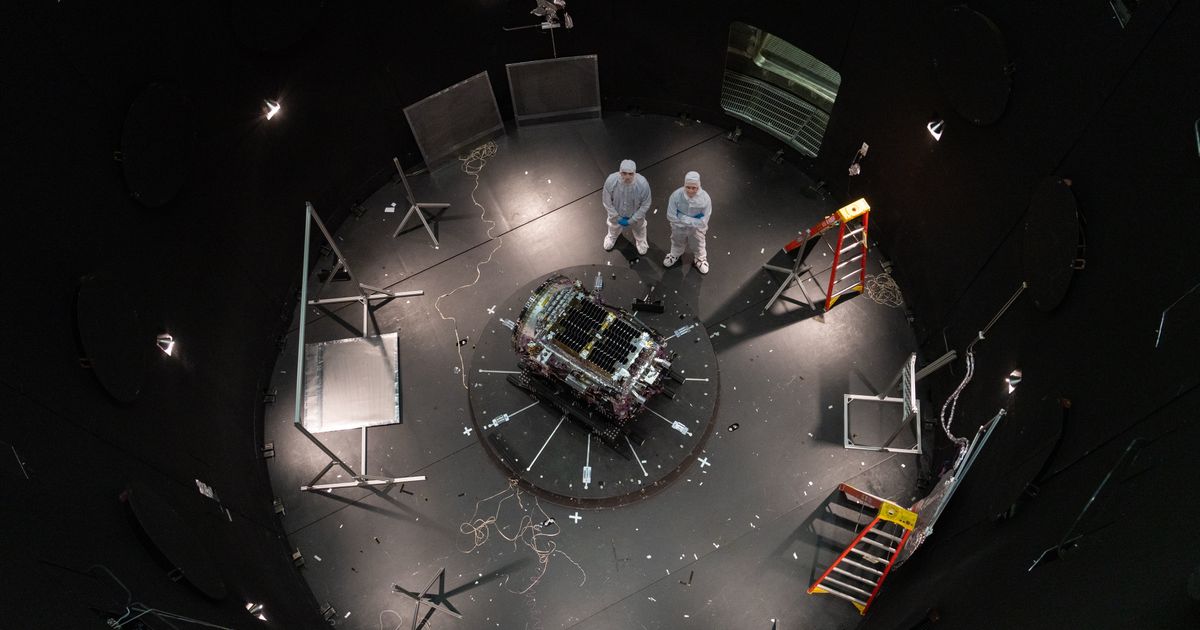
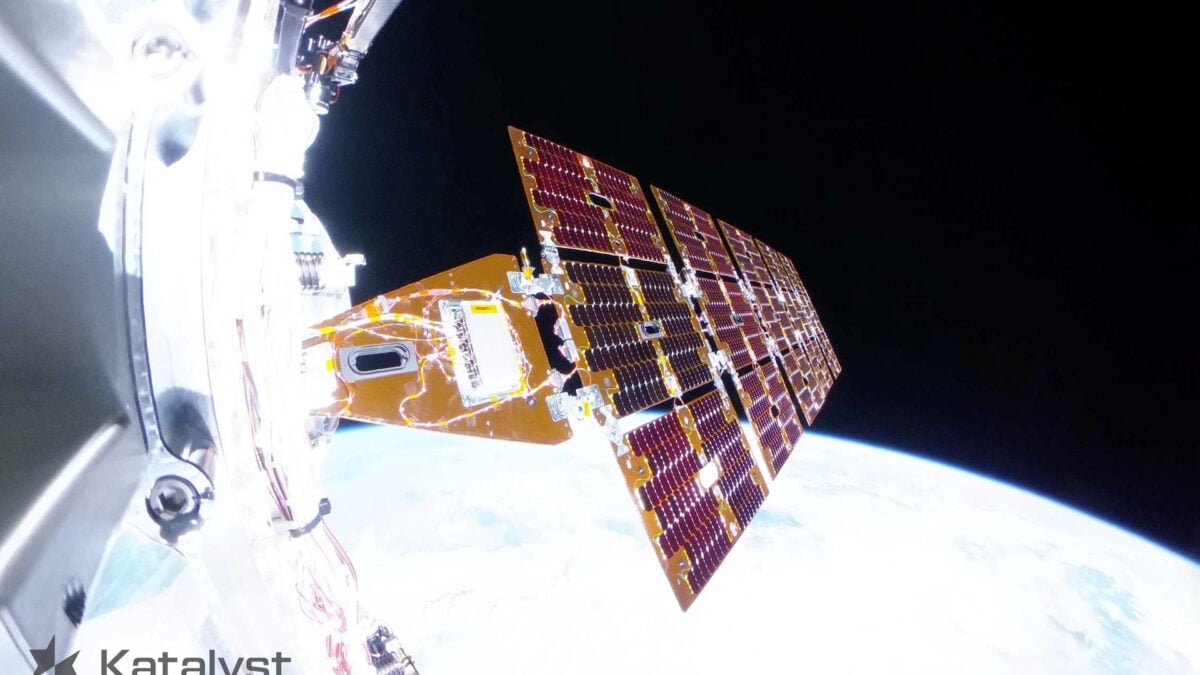
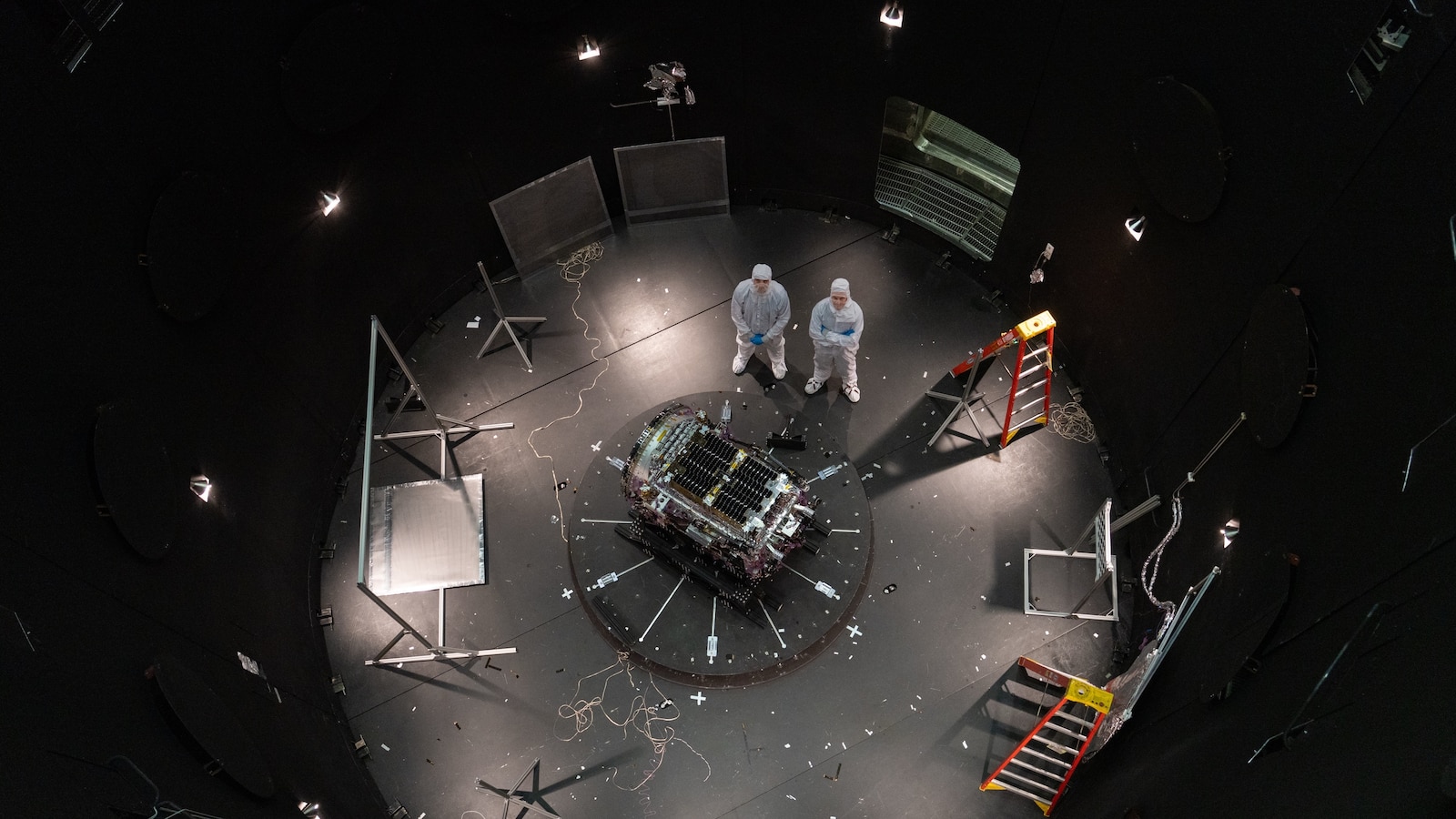
NASA contracted Katalyst Space Technologies in September 2025 for a $30 million salvage operation. The mission involves the LINK robotic spacecraft, which is designed to rendezvous with Swift and utilize xenon-fueled Hall-effect thrusters to push the observatory back to its initial altitude. The salvage attempt is considered a high-risk, high-reward endeavor, as the Swift observatory was not originally designed for docking or on-orbit servicing. The LINK spacecraft features three parallel manipulator robotic arms, each equipped with lidar sensors and grippers, intended to attach to ground-handling flanges on the bus. Prior experience with servicing missions to Hubble revealed that multi-layer insulation may become embrittled in the space environment, leading it to shatter on contact, which would risk damaging Swift.
Context and Precedent
The mission represents a policy shift for NASA, following the 2024 cancellation of the in-house OSAM-1 mission due to cost overruns. The Pegasus launch system was selected partly for its ability to launch into Swift's low, 20.6 degree inclination. LINK is to be launched using a Pegasus air-launched rocket, the last of its kind. If successful, it will be the first commercial spacecraft to dock with a government-owned spacecraft that was not designed for docking or on-orbit servicing.
Looking Ahead
Following the integration of the spacecraft and rocket, and mating of the rocket to the Stargazer aircraft, the hardware was transported to the Marshall Islands to await the launch window. While the mission is now on hold, the project team continues to evaluate technical data to determine if a secondary launch attempt is feasible. If the rescue mission moves forward, the LINK spacecraft will rendezvous, inspect, and ultimately dock with Swift approximately three to four weeks after launch, followed by a four to six week boost phase, after which LINK will undock. If successful, Swift's operational life is expected to be extended by at least ten years.
How significant is this development?
Contribute your assessment to the aggregated reader intelligence ledger.
Archypedia is dedicated to independent, evidence-backed reporting. This briefing was synthesized from primary source reporting, corroborated across independent newsrooms, and verified against our Editorial Standards.
Transparency record
Evidence behind this report
This report synthesizes 10 distinct sources. Open the source ledger below to compare the underlying coverage.
- newsbreak.com
- bostonglobe.com
- abcnews.com
- srnnews.com
- en.wikipedia.org
- arstechnica.com
- apnews.com
- yahoo.com
- themirror.com
- mynews13.com
Prepared under the Archypedia Editorial Policy by the Niko Vale editorial desk profile. AI-assisted tools may support drafting and verification; public accountability remains with Archypedia. Report an error.