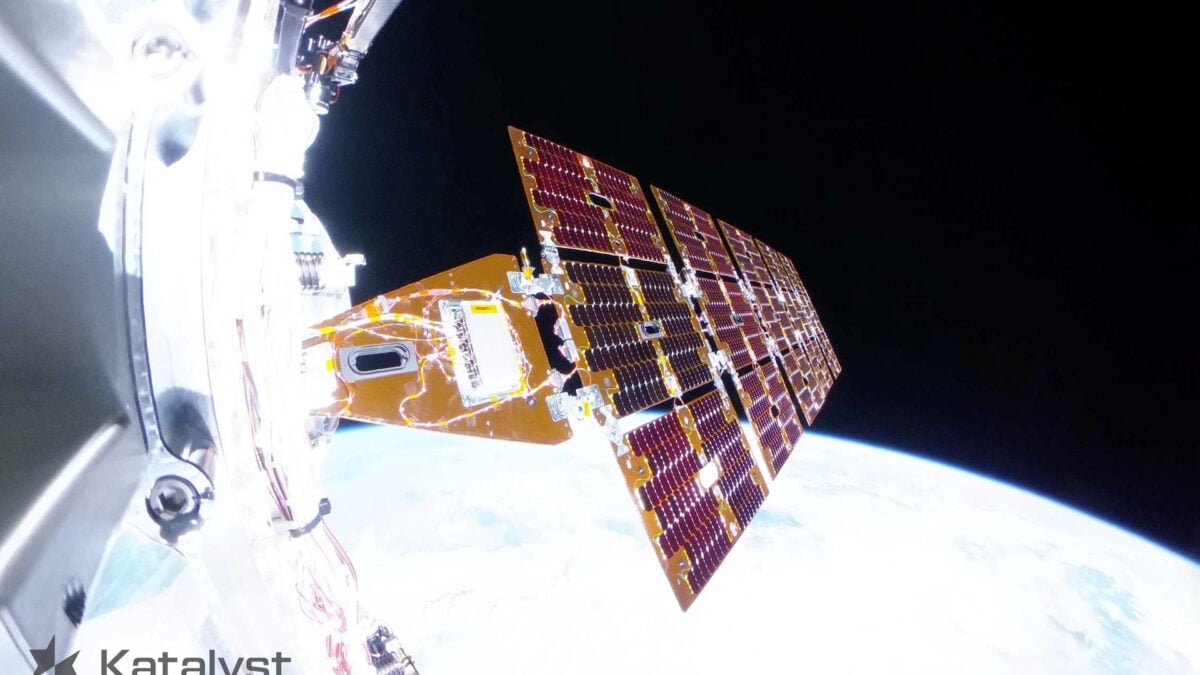
NASA launches Link spacecraft to rescue falling Swift telescope
Katalyst Space Technologies launched the Link spacecraft to stabilize the Neil Gehrels Swift Observatory, which is losing altitude due to solar activity.
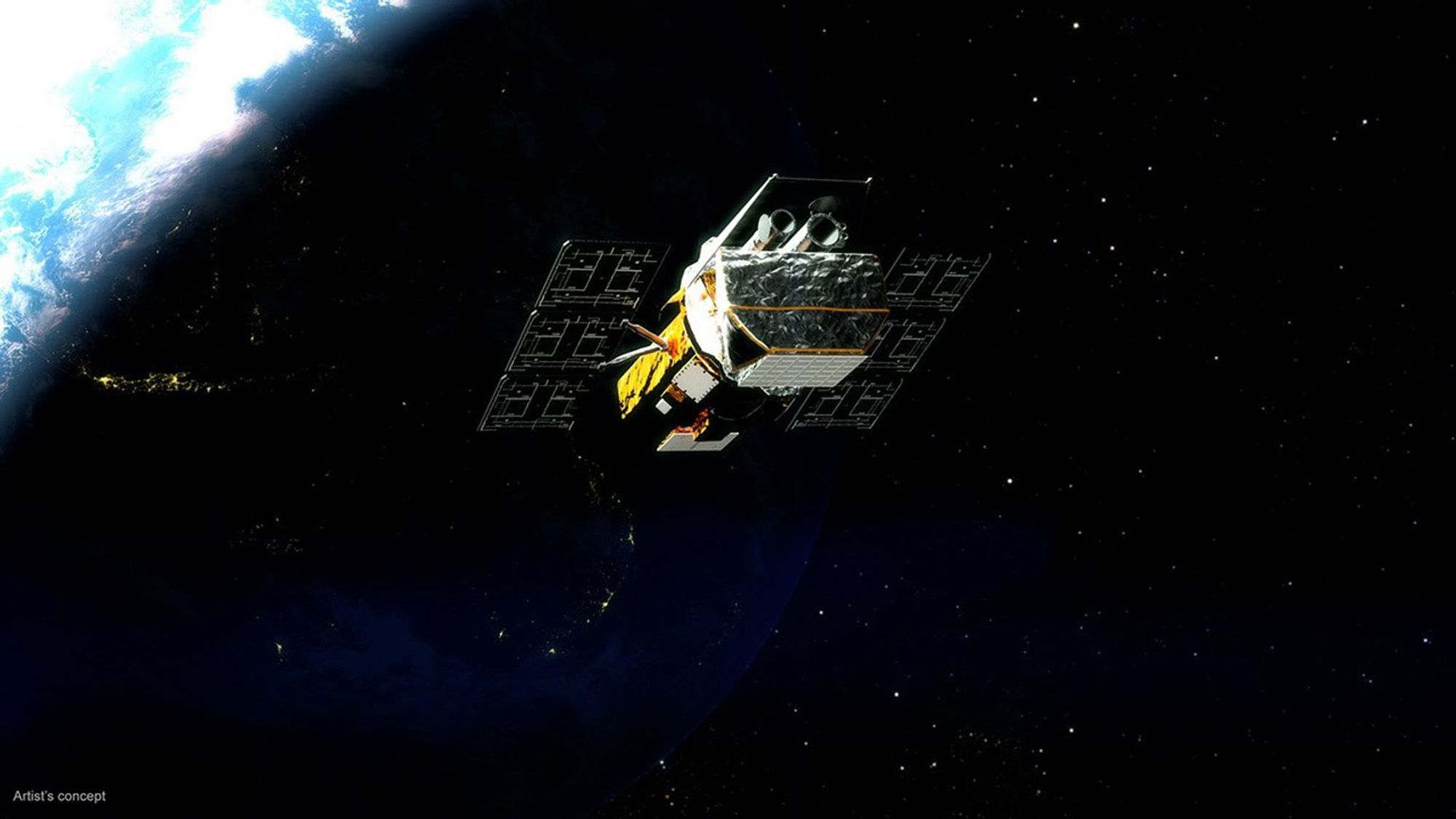
A robotic rescue mission reached orbit on Friday, 3 July 2026, marking a significant attempt to save the Neil Gehrels Swift Observatory from an untimely descent into Earth's atmosphere. The mission, led by Arizona-based Katalyst Space Technologies, successfully deployed its Link
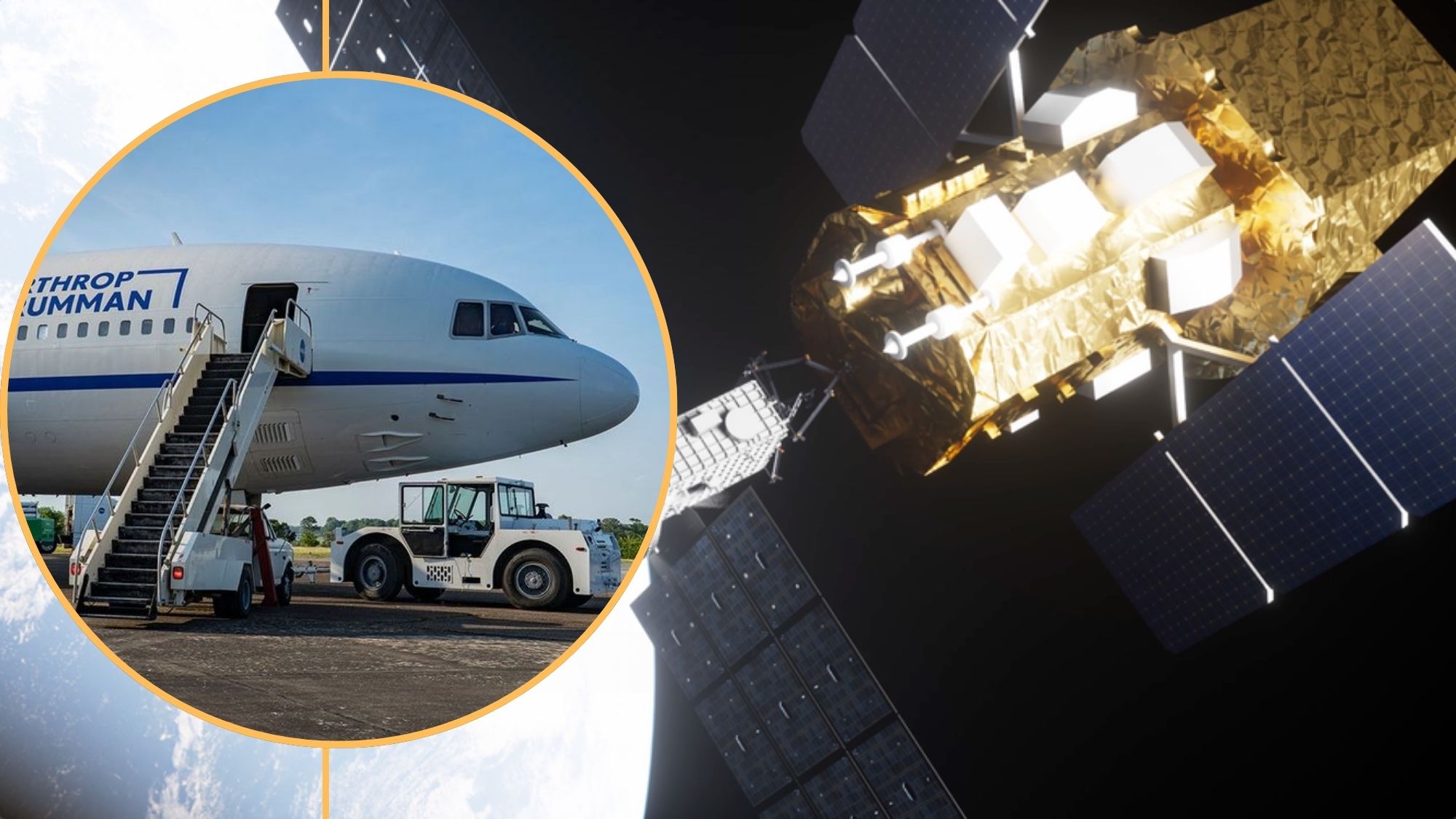
spacecraft following a series of delays caused by weather and a software-related fault earlier in the week. The launch occurred at 4:36 a.m. EDT (0836 GMT) from the Marshall Islands, utilizing a modified Lockheed Martin L-1011 airliner to carry a Northrop Grumman Pegasus XL rocket, which then delivered the robotic craft into its target orbit.
The Neil Gehrels Swift Observatory, which has been in operation since 2004, is currently experiencing a rapid loss of altitude due to increased atmospheric drag. Scientists attribute this decay to intense solar activity during the current solar cycle, which has expanded the Earth's upper atmosphere. According to NASA, the observatory, which was initially placed in a stable orbit at approximately 373 miles (600 kilometers), has dipped to an altitude of roughly 220 miles (360 kilometers). Without intervention, the telescope was projected to re-enter the atmosphere and burn up by October 2026.
Related media

A High-Stakes Technical Challenge
The rescue mission is classified as a high-risk, high-reward
operation because the telescope was never designed for in-orbit maintenance or retrieval. The Swift telescope was never designed to be caught in space and have its orbit changed,
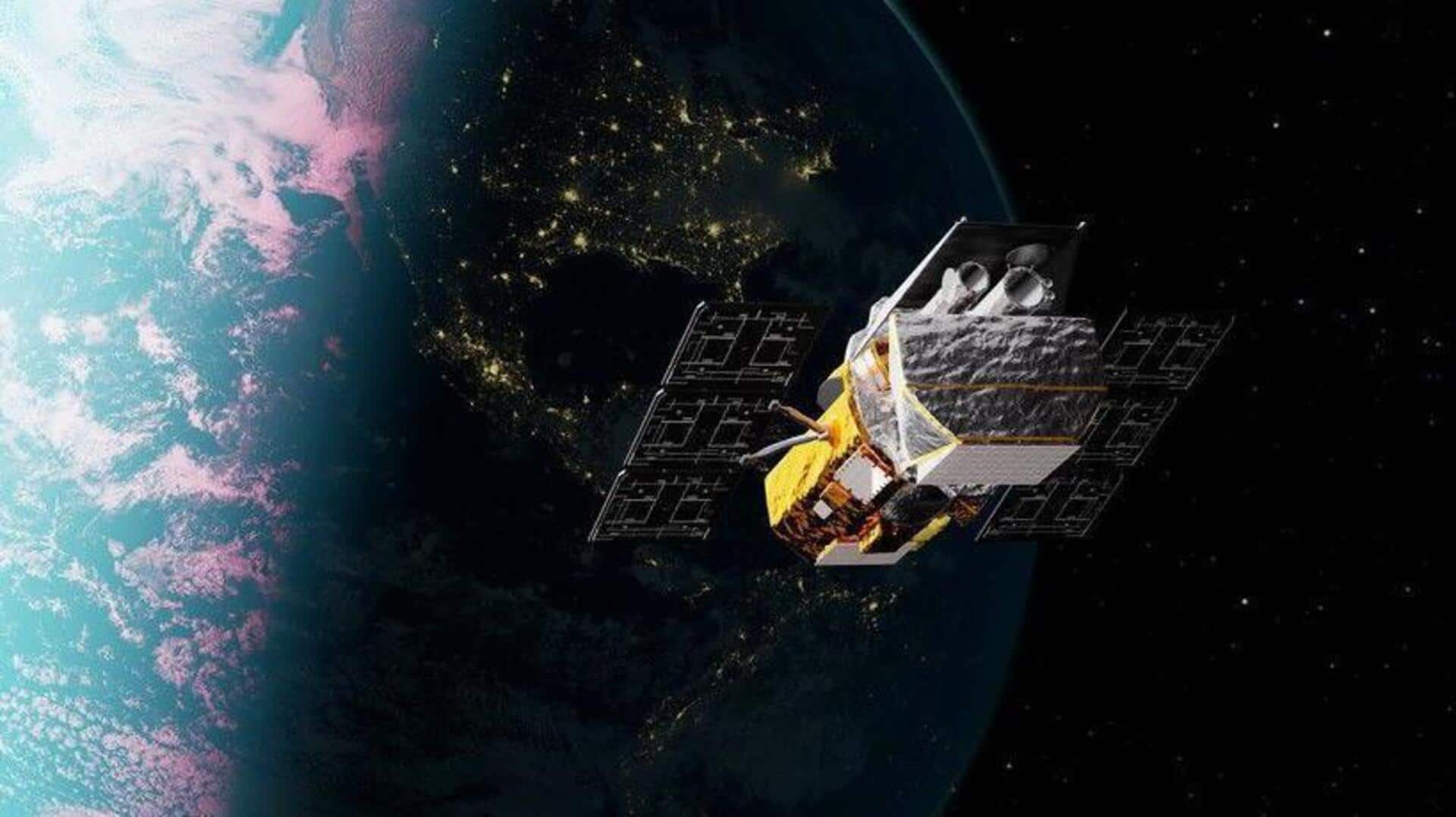
said Dr. Simeon Barber, a senior research fellow at the Open University, via Yahoo News. Consequently, the Link spacecraft must navigate a delicate process. Upon reaching the proximity of the telescope, Link will spend several weeks documenting the observatory to identify viable grapple points. Link is equipped with three robotic arms that will be used to secure the 1.6-ton (1.4-metric ton) telescope before firing ion thrusters to gradually boost the combined pair back to a higher, more stable altitude.
The decision to proceed with the rescue was driven by the unique scientific capabilities of the Swift observatory, which serves as a first responder
for transient cosmic events. Unlike other observatories, Swift can rapidly repoint to track gamma-ray bursts—short-lived, high-energy explosions associated with collapsing stars and black hole formation. NASA officials noted that replacing such a capability would be prohibitively expensive, whereas the rescue contract with Katalyst was secured for $30 million.
Projected Timeline and Future Implications
The mission has been characterized by an aggressive development cycle. NASA finalized the contract in September 2025, providing the engineering team less than a year to design, build, and test the rescue hardware. To protect the observatory during this window, mission operators at Penn State's Eberly College of Science previously placed Swift into a standby mode, minimizing power consumption and orienting the spacecraft to reduce atmospheric drag.
The following timeline outlines the primary stages of the rescue operation:
- July 3, 2026: Successful launch of the Link spacecraft via Pegasus XL rocket.
- July–August 2026: Commissioning of Link’s systems, followed by a multi-week rendezvous phase and close-proximity inspection of the Swift observatory.
- August–October 2026: Attempted capture and the subsequent months-long process of using ion thrusters to raise the observatory’s altitude.
A Model for Future Space Servicing
Beyond the immediate goal of preserving Swift, the mission is viewed as a foundational test for the future of the satellite servicing industry. If we're going to build an enduring presence beyond Earth, we need the capability to manipulate our environment in space,
said Katalyst CEO Ghonhee Lee via Livescience. Experts suggest that if the Link mission proves successful, similar robotic techniques could eventually be applied to the Hubble Space Telescope, which is also experiencing orbital decay as a result of atmospheric drag.
While the mission is the first of its kind for a U.S. Government satellite, China previously demonstrated a similar capability by boosting a satellite into a graveyard orbit. NASA’s successful deployment of Link represents a pivot toward extending the lifecycle of existing space assets rather than allowing them to succumb to natural orbital decay.
How significant is this development?
Contribute your assessment to the aggregated reader intelligence ledger.
Archypedia is dedicated to independent, evidence-backed reporting. This briefing was synthesized from primary source reporting, corroborated across independent newsrooms, and verified against our Editorial Standards.
Transparency record
Evidence behind this report
This report synthesizes 10 distinct sources. Open the source ledger below to compare the underlying coverage.
- livescience.com
- apnews.com
- newsbytesapp.com
- yahoo.com
- theadvocate.com.au
- pbs.org
- space.com
- time.com
- sciencenews.org
- moneycontrol.com
Prepared under the Archypedia Editorial Policy by the Niko Vale editorial desk profile. AI-assisted tools may support drafting and verification; public accountability remains with Archypedia. Report an error.