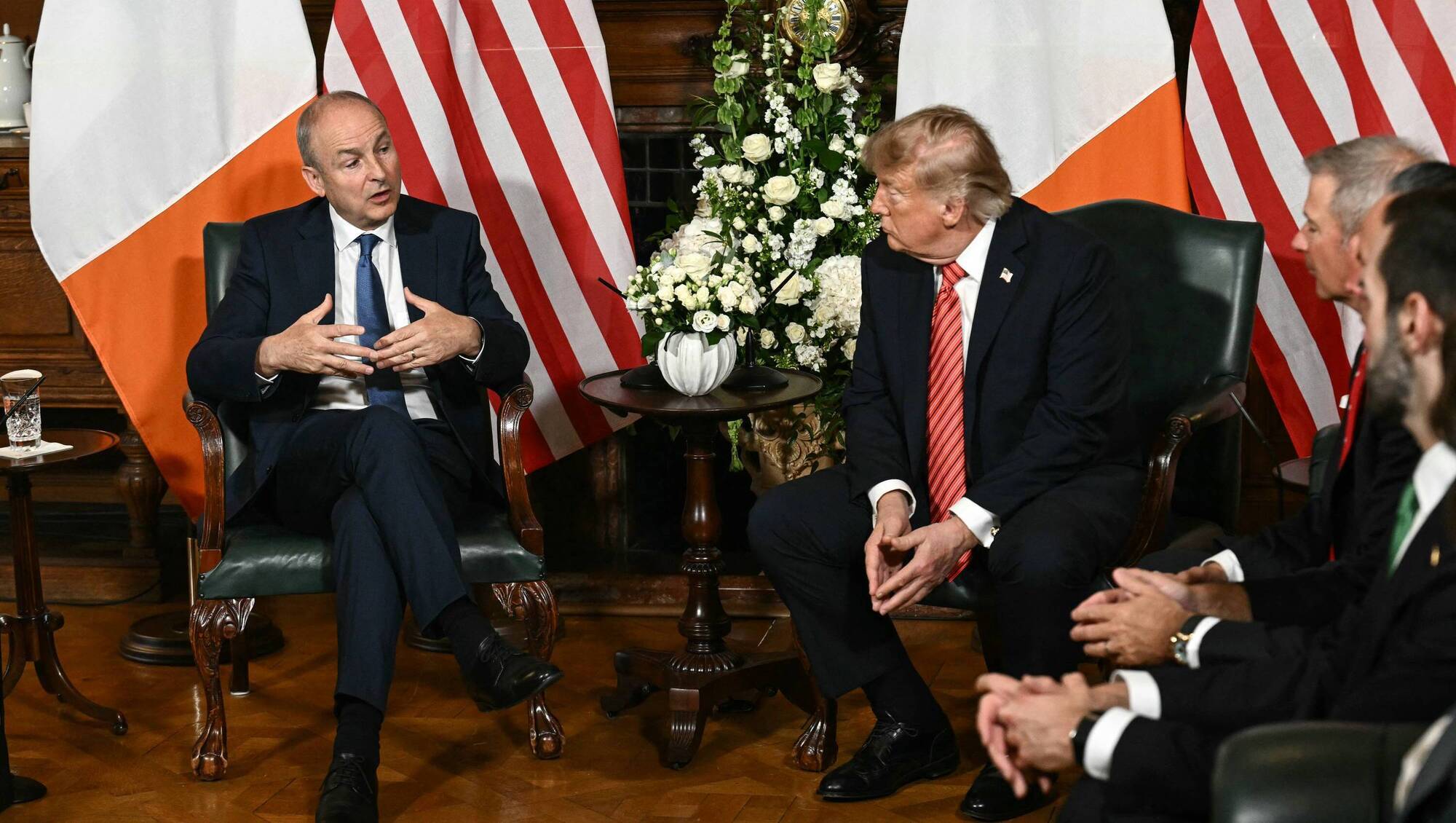
Trump orders reduction of joint military drills with South Korea
The directive to scale back Ulchi Freedom Shield exercises clashes with military warnings that North Korean troops are gaining combat experience in Ukraine.

President Donald Trump has ordered the Pentagon to substantially reduce
joint military exercises with South Korea, claiming that North Korea has been unthreatening and respectful
during his presidency. The directive, issued via Truth Social on Sunday, clashes directly with warnings from U.S. And South Korean military commanders that Pyongyang is actively evolving its battlefield capabilities through the war in Ukraine.
The order targets the Ulchi Freedom Shield drills, scheduled to run from August 17 to August 27. These exercises were designed to involve approximately 18,000 South Korean troops, U.S. Forces, and personnel from 11 of the 18 member states of the United Nations Command. While Trump acknowledged it was too late to cancel
the event entirely, he instructed Defense Secretary Pete Hegseth to scale them back, citing the high cost to the United States and the inappropriate and hostile
signal the drills send to North Korean leader Kim Jong Un.
Related YouTube video


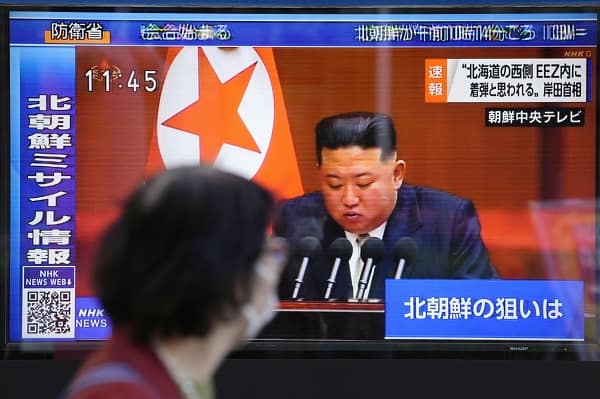
Military officials argue the timing of the reduction is precarious. In a joint briefing, Col. Ryan Donald, public affairs director for the U.S.-led commands in South Korea, stated that North Korean soldiers deployed to Ukraine have brought back contemporary combat lessons that change the capabilities of the DPRK. Specifically, this year's exercises were designed to integrate countermeasures against drones, cyber attacks, and GPS disruption—threats linked directly to North Korean troops fighting alongside Russian forces.
Lt. Gen. Scott Winter, deputy commander of the UNC, noted that North Korea has used its partnership with Russia to test various ballistic missile systems, asserting that the current drills were intended to be bigger and better than ever
to account for this experience.
The friction between Washington and Seoul extends beyond tactical readiness. Trump linked his dissatisfaction with the drills to South Korea's refusal to support U.S. Policy in the Middle East. He stated that when he asked the South Korean president to join the U.S. In the Denuclearization of the Islamic Republic of Iran
, the response was No thanks!
Trump has a history of using such measures; in 2018, following his first summit with Kim Jong Un, he suspended the Ulchi Freedom Guardian exercise and scaled back other drills to facilitate diplomacy.
Analysts and officials remain divided on whether this gesture will actually influence Pyongyang:
- The Diplomatic View: Trump believes his
very good relationship
with Kim Jong Un makes such drills unnecessary and counterproductive. - The Deterrence View: Leif-Eric Easley, a professor at Ewha Womans University, told Agence France-Presse that cost savings from downsizing are marginal while the diplomatic benefits are
doubtful
. - The North Korean View: Lim Eul-chul of Kyungnam University argued that Pyongyang is unlikely to be moved by a reduction, viewing only a total cancellation as meaningful.
The strategic risk is compounded by shifting naval assets. Retired Navy Capt. Brent Sadler warned via Fox News that moving carriers away from the Pacific during aggressive Chinese military exercises in the South China Sea sends a signal that the U.S. May not be present.
Despite the president's order, the South Korean Ministry of Defense stated on Monday that the joint drills would proceed as previously notified and scheduled
.
Pyongyang's foreign ministry has described the exercises as a rehearsal for an aggressive war
.
The South Korean presidential Blue House confirmed on Monday that it is reviewing Trump's comments. While expressing hope that a favorable U.S.-North Korea relationship could lead to meaningful talks, the Blue House is continuing diplomatic consultations regarding military cooperation and the specific details of the ongoing exercises.
Diplomatic Leverage and Regional Security
This current friction is intensified by the divergent security priorities of the allies; while the U.S.-South Korea alliance has focused on Pyongyang, Trump is now explicitly linking that cooperation to Seoul's refusal to support the Denuclearization of the Islamic Republic of Iran
.
This tension exists against a backdrop of escalating North Korean aggression. Moreover, the security environment is shifting due to the DPRK's military ties with Russia, which include a comprehensive strategic partnership pact signed in June 2024. According to reports from the Irish Times, this partnership involves the deployment of more than 14,000 North Korean troops to the Kursk region, with Ukrainian President Volodymyr Zelenskiy warning that Russia is preparing for 30,000 more.
The realignment of naval assets further complicates the deterrence posture. By moving the USS George Washington to the Persian Gulf to support the mission against Iran, the administration is shifting critical power away from the Asia-Pacific region. This movement occurs as Russia and North Korea are expected to open their new Tumen river bridge in September, potentially streamlining military logistics between the two nations.
The immediate conflict remains whether the Pentagon will follow the presidential order to scale back the training while it is already underway. While the South Korean Ministry of Defense maintains the drills will proceed as scheduled, the next step is for the Blue House to conclude its diplomatic consultations with Washington to determine the specific details of U.S. Participation through August 27.
How significant is this development?
Contribute your assessment to the aggregated reader intelligence ledger.
Archypedia is dedicated to independent, evidence-backed reporting. This briefing was synthesized from primary source reporting, corroborated across independent newsrooms, and verified against our Editorial Standards.
Transparency record
Evidence behind this report
This report synthesizes 6 distinct sources. Open the source ledger below to compare the underlying coverage.
Prepared under the Archypedia Editorial Policy by the Samir Haddad editorial desk profile. AI-assisted tools may support drafting and verification; public accountability remains with Archypedia. Report an error.