Astronomers found two rare super puff planets lighter than cotton candy
Researchers have identified two giant exoplanets with densities comparable to shaving foam, marking them as some of the lightest worlds ever discovered. These rare super-puffs challenge existing models regarding how giant planets form.
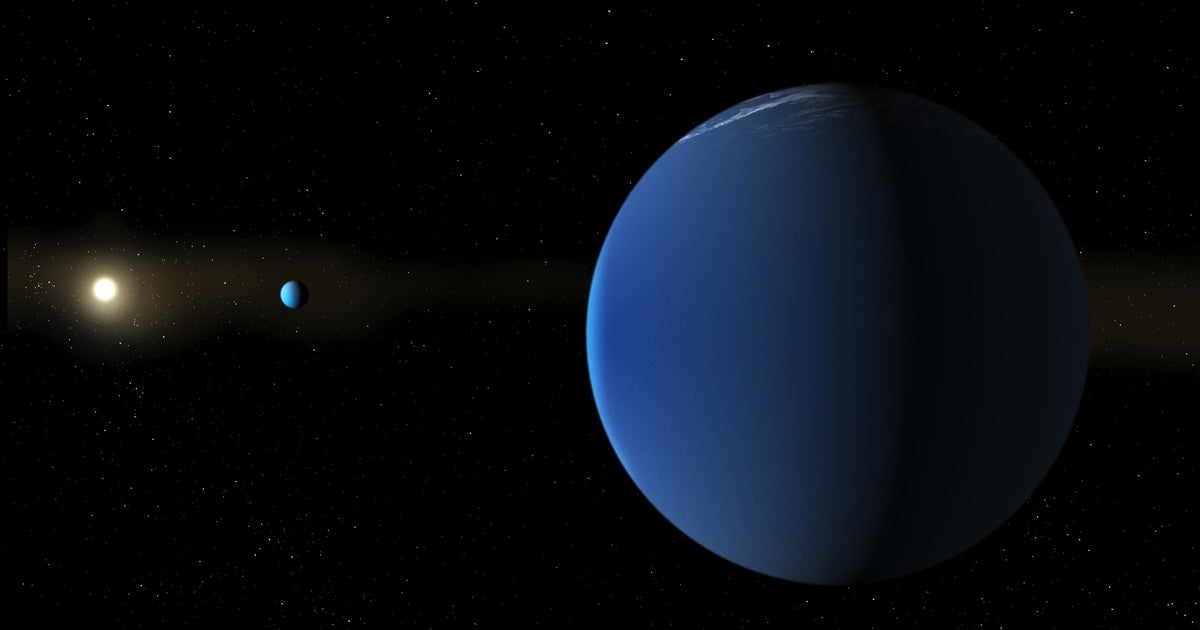
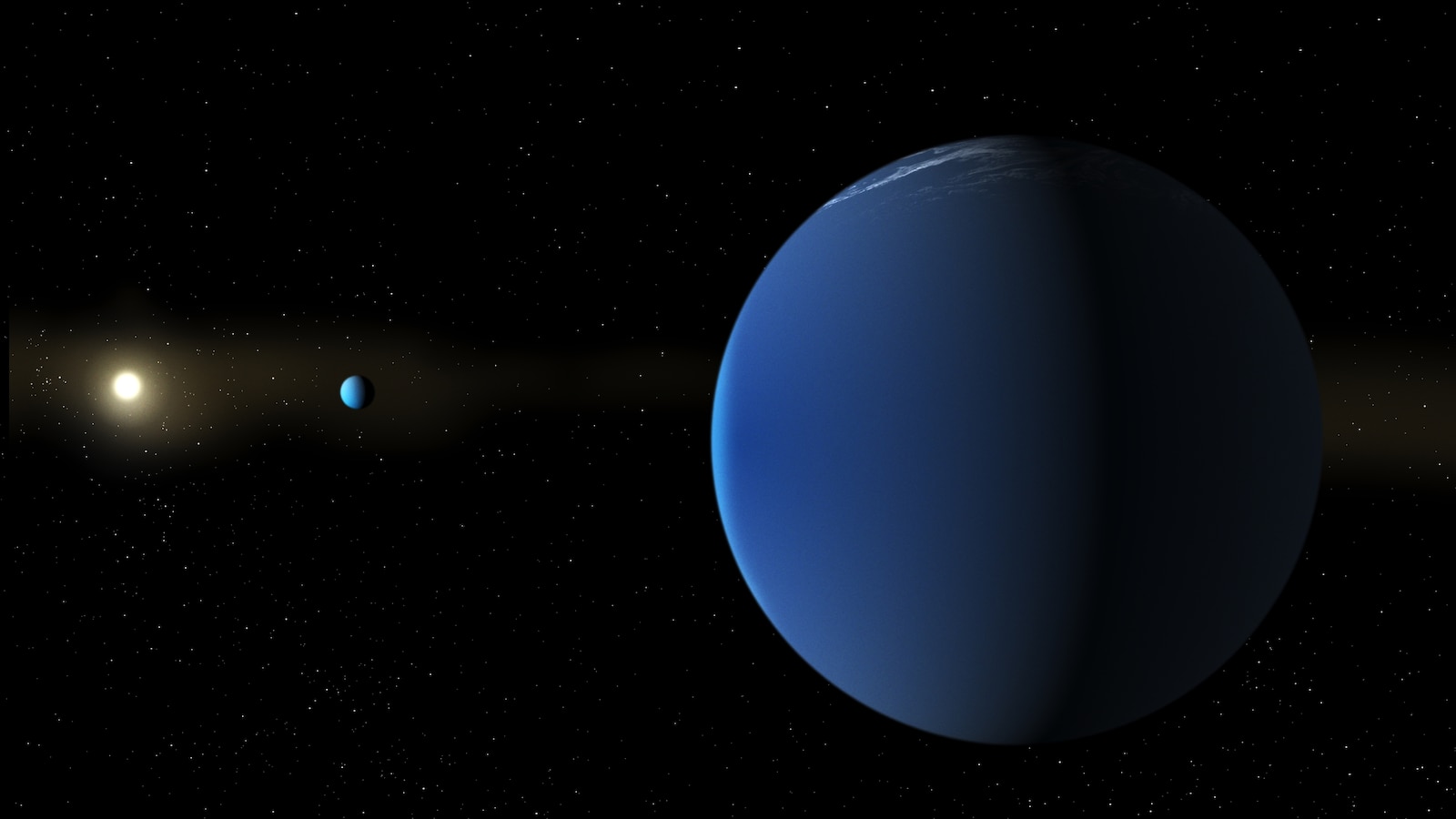
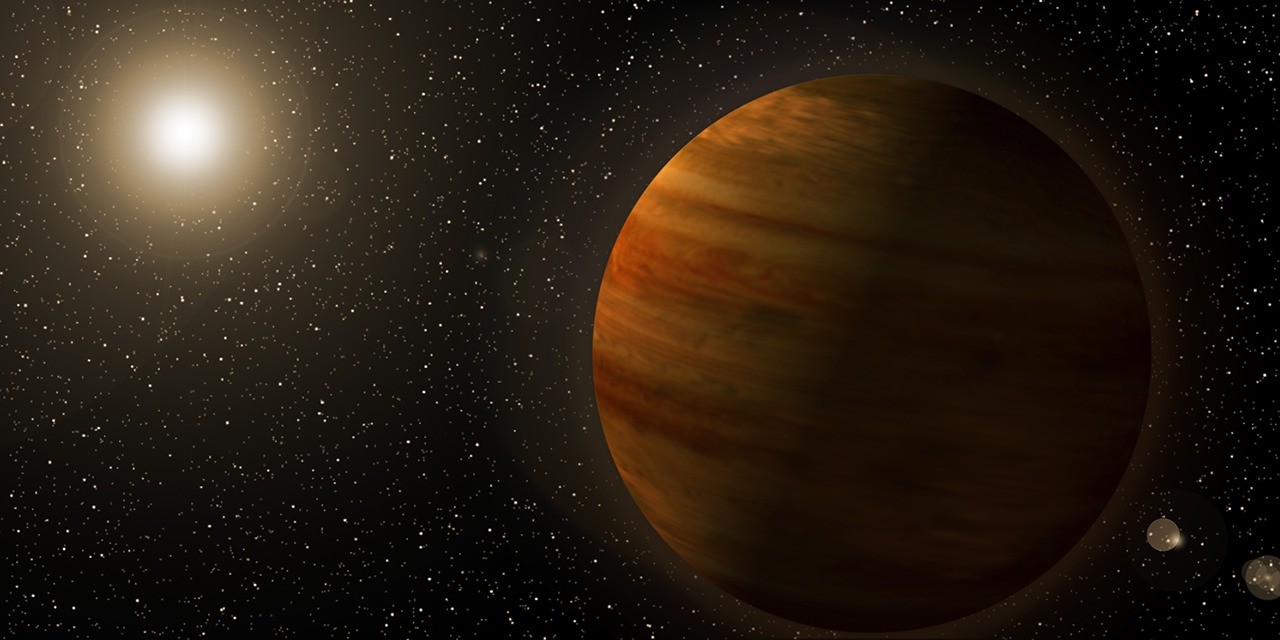
Astronomers have uncovered a pair of giant planets that are lighter than cotton candy — super-puffs the size of Jupiter. The research findings were reported Wednesday in Monthly Notices of the Royal Astronomical Society.
The duo, identified as TOI-791 b and TOI-791, orbit a star located 1,110 light-years from Earth within the southern constellation Volans, also known as the flying fish. According to George Dransfield of the University of Oxford, who led the research, these planets hold the record as the lightest known worlds of their size. To illustrate their ethereal composition, Dransfield offered a comparison to domestic materials:
"These two planets have densities comparable to a nice blob of shaving foam, fresh from the can."
While their composition remains to be confirmed through forthcoming observations by NASA’s Webb Space Telescope, researchers hypothesize that the planets consist primarily of hydrogen and helium. Dransfield suspects these fluffy, wispy worlds are probably white or blue, depending on whether the skies there are cloudy — no shades of cotton-candy pink. By comparison, Jupiter is as much as 35 times denser than these two lightweight planets.
The discovery was made using data collected by NASA’s Tess satellite over the past decade. Scientists utilized telescopes on Earth to determine their density, from 1,110 light-years away. A light-year is nearly 6 trillion miles (9.7 trillion kilometers). The newly found planets also have unusually long orbits, with one taking 139 days and the other taking 232 days to circle the host star, NASA said in a news release.
Super-puffs are considered a rarity in the cosmos. Out of nearly 6,300 confirmed exoplanets catalogued by NASA, fewer than 40 belong to this category. Jon Jenkins, the science lead for the Science Processing Operations Center at NASA's Ames Research Center, noted that the existence of such planets poses a significant challenge to conventional models of planetary evolution. "The main reason these planets are interesting to study is that we didn't expect to see them at all," Jenkins said. "They represent a puzzle for us to solve about how giant planets like Jupiter and the super-puffs form."
Considered rare in the cosmos, super-puffs are thought to form around the disk of gas and dust around a newborn star where there is more gas than dust. They shed much of the material over time, stripping down even more. A leading theory suggests that they possess vast hydrogen- and helium-rich atmospheres that accumulated rapidly around a solid core.
Reflecting on the broader implications of the discovery, Dransfield stated:
"Ultimately, by studying exotic systems containing rare planet types, we add further pieces to the puzzle of planet formation and learn more about our place in the cosmos."
The density of candy floss is about 0.05 grams per cubic centimetre. In comparison, Earth’s density is 5.5 grams per cubic centimetre, more than 100 times greater, researchers say.
How significant is this development?
Contribute your assessment to the aggregated reader intelligence ledger.
Archypedia is dedicated to independent, evidence-backed reporting. This briefing was synthesized from primary source reporting, corroborated across independent newsrooms, and verified against our Editorial Standards.
Transparency record
Evidence behind this report
This report synthesizes 6 distinct sources. Open the source ledger below to compare the underlying coverage.
Prepared under the Archypedia Editorial Policy by the Niko Vale editorial desk profile. AI-assisted tools may support drafting and verification; public accountability remains with Archypedia. Report an error.