NASA to launch robotic mission to rescue Swift observatory from orbit decay
NASA has contracted Katalyst Space Technologies to perform a robotic rescue of the Swift telescope, which is experiencing rapid orbital decay. The mission aims to prevent the satellite's reentry and preserve its ability to study cosmic events.

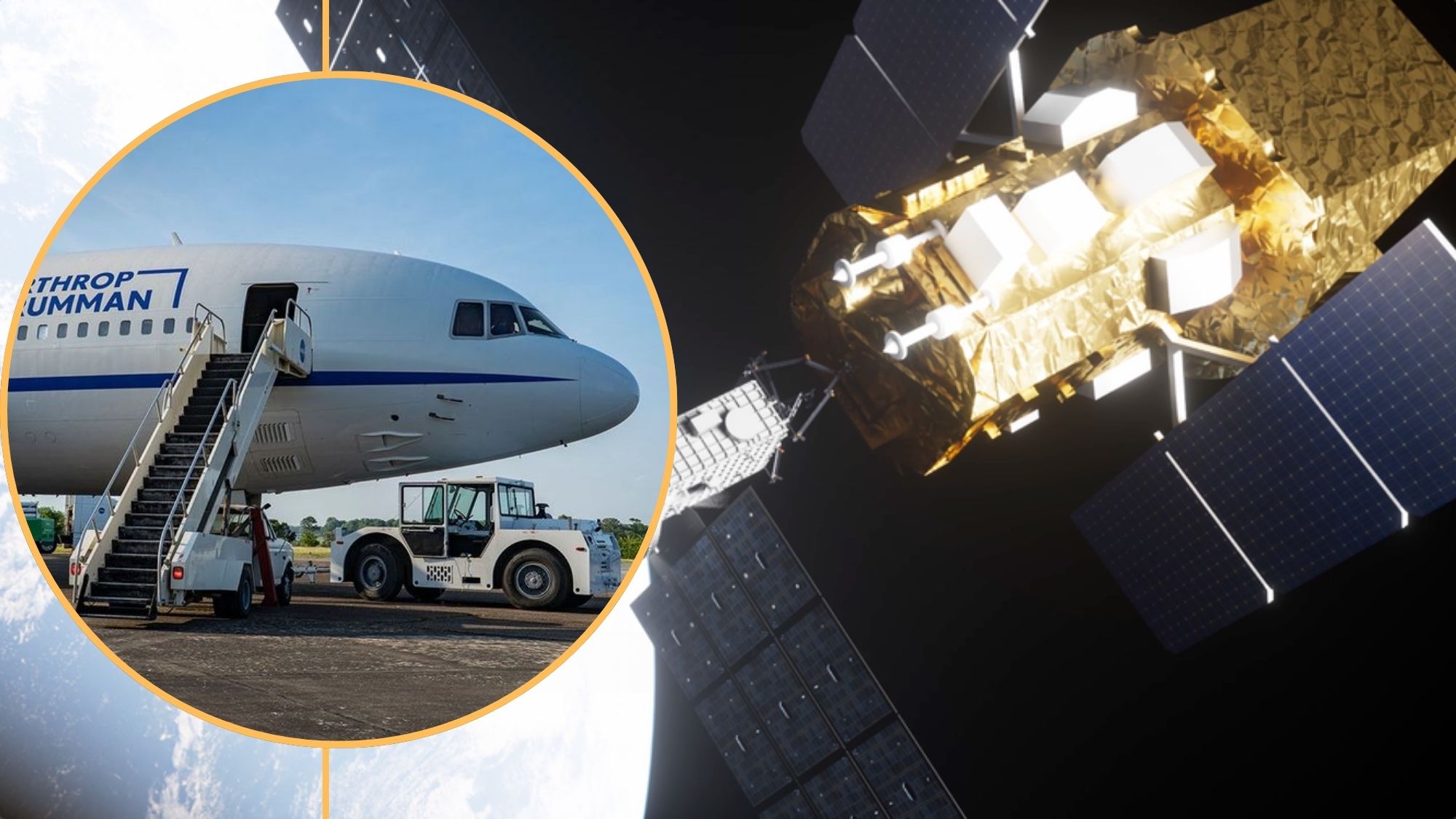
NASA is mobilizing a high-stakes salvage operation to prevent the uncontrolled reentry of the Neil Gehrels Swift Observatory, a space telescope that has served as a primary responder for cosmic events since its 2004 launch. With the mission now entering a critical phase, the agency is deploying a robotic spacecraft designed to intercept and stabilize the aging observatory before it reaches a point of no return in the atmosphere.
The urgency of the mission stems from the rapid orbital decay of the Swift Observatory. While the telescope originally maintained an orbit of approximately 373 miles (600 kilometers), intensified solar activity since late 2024 has heated and expanded Earth’s upper atmosphere. This increased density has exerted greater drag on the satellite, pulling it down to an altitude of roughly 224 to 230 miles (360 to 370 kilometers). Estimates indicate that without intervention, the 1.6-ton (1.4-metric ton) observatory faces a 50 percent chance of atmospheric reentry by mid-2026, with the probability rising to 90 percent by the end of the year. NASA expects the satellite to reach its critical minimum altitude of 185 miles (300 kilometers) by October.
Related media


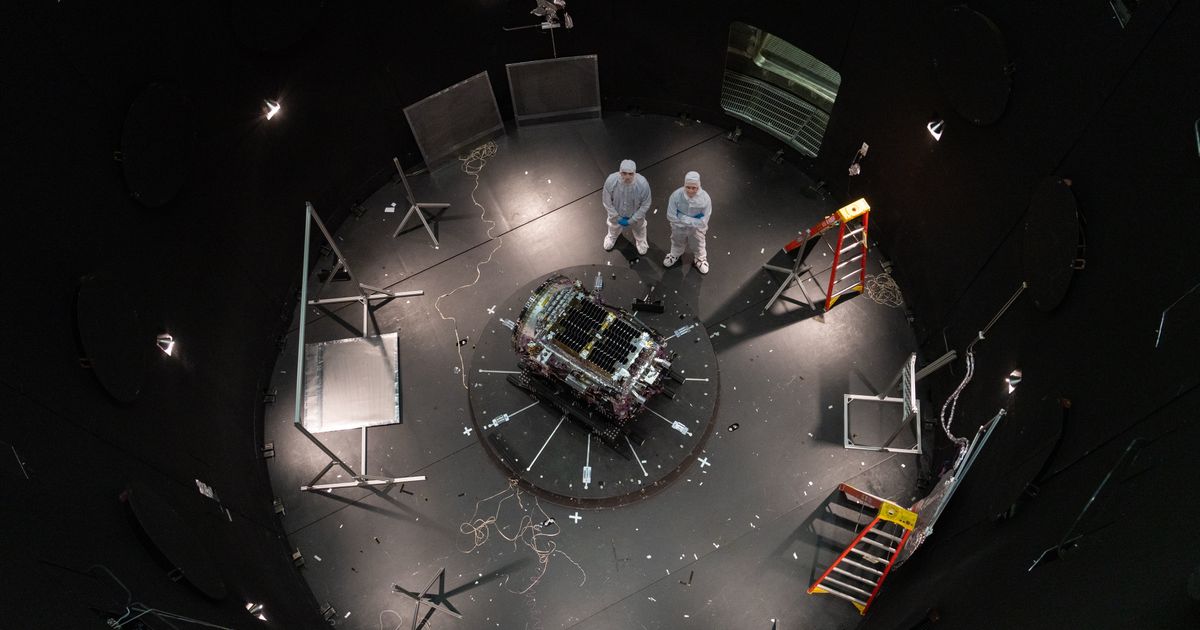
To address this threat, NASA awarded a contract in September 2025 to Katalyst Space Technologies, a Flagstaff, Arizona-based startup. The firm was tasked with creating an autonomous robotic vehicle to rendezvous with and boost the telescope. The resulting craft, known as Link, features a three-armed system with gripping mechanisms that developers have compared to a Lego mini figure
hand. Because the observatory lacks standard docking ports or grappling fixtures, the robotic servicer must perform a complex, high-precision capture of the satellite’s main structure. Development of the Link vehicle was completed in approximately 250 days.
The operation relies on a unique launch profile. A Northrop Grumman Pegasus XL rocket, carrying the Link spacecraft, will be transported via a Stargazer L-1011 aircraft to an altitude of 40,000 feet over the Pacific Ocean. Once released, the rocket will ignite, propelling the robotic servicer toward the telescope. The launch is slated to occur from the Kwajalein Atoll in the Marshall Islands, with the earliest possible date being Tuesday.
"I have to be honest. No one thought it was going to be possible. No one thought we would get as far as we’ve already gotten today."
Shawn Domagal-Goldman, astrophysics director at NASA, via The Associated Press
NASA officials emphasize that the mission is driven by both scientific necessity and a desire to foster the domestic commercial space sector. The telescope’s ability to pivot rapidly toward short-lived, high-energy events, such as gamma-ray bursts, provides unique observational data. If we let Swift reenter, we would lose that telescope. We would lose a lot of capability,
said Nicky Fox, NASA’s science mission chief. The agency confirmed that budget constraints currently preclude the construction of a direct replacement, which would likely cost between $250 million and $300 million. To minimize drag and conserve the telescope's state for the impending robotic rescue, ground operations suspended all scientific data collection from Swift in February.
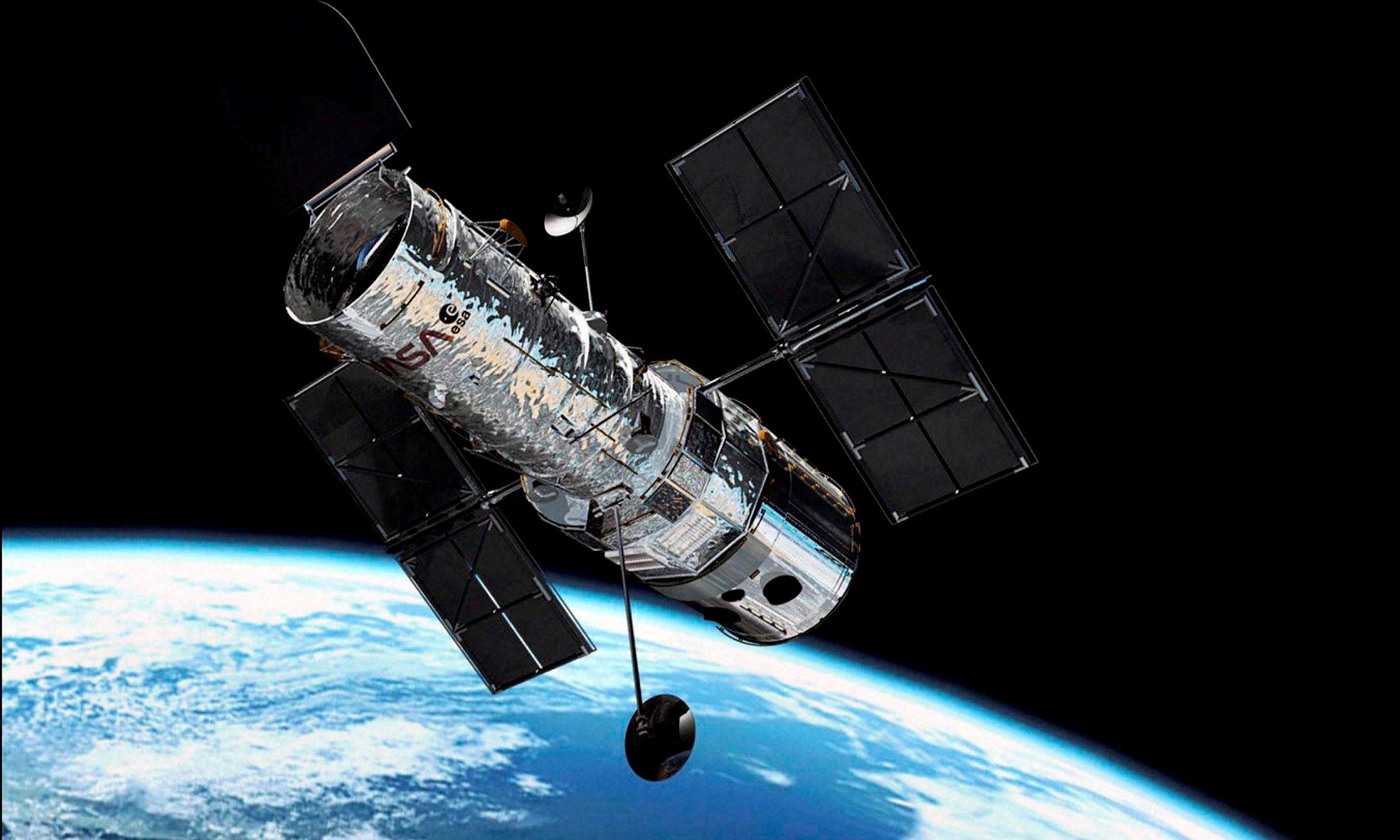
Other nations have demonstrated interest in similar technology. According to reporting, China successfully maneuvered an uncrewed satellite into a higher orbit four years ago. If the rescue succeeds, industry observers anticipate that the capability to extend the lifespans of aging satellites will become a standard component of space operations. Thirty-six-year-old Hubble, which received repeat servicing by spacewalking astronauts during the shuttle era, could follow in 2028 with a life-extending Katalyst boost.
The mission team expects to spend roughly one month for the Link spacecraft to rendezvous with Swift, followed by several months to raise the orbit. Success could see the observatory return to science operations by the fall of 2026.
How significant is this development?
Contribute your assessment to the aggregated reader intelligence ledger.
Archypedia is dedicated to independent, evidence-backed reporting. This briefing was synthesized from primary source reporting, corroborated across independent newsrooms, and verified against our Editorial Standards.
Transparency record
Evidence behind this report
This report synthesizes 9 distinct sources. Open the source ledger below to compare the underlying coverage.
- deccanchronicle.com
- bostonglobe.com
- usatoday.com
- forbes.com
- mashable.com
- astronomy.com
- the-journal.com
- timesofindia.indiatimes.com
- cbsnews.com
Prepared under the Archypedia Editorial Policy by the Niko Vale editorial desk profile. AI-assisted tools may support drafting and verification; public accountability remains with Archypedia. Report an error.