Health
WHO member states renew negotiations to finalize pandemic treaty annex
WHO diplomats are meeting in Geneva to negotiate the Pathogen Access and Benefit-Sharing annex, which aims to ensure fair distribution of medical countermeasures.
WHO diplomats are meeting in Geneva to negotiate the Pathogen Access and Benefit-Sharing annex, which aims to ensure fair distribution of medical countermeasures.

A recent study suggests that maintaining a brisk walking pace in one's eighties could be a powerful indicator of cognitive resilience. Researchers are investigating how these 'super movers' maintain sharp mental function despite potential signs of brain pathology.
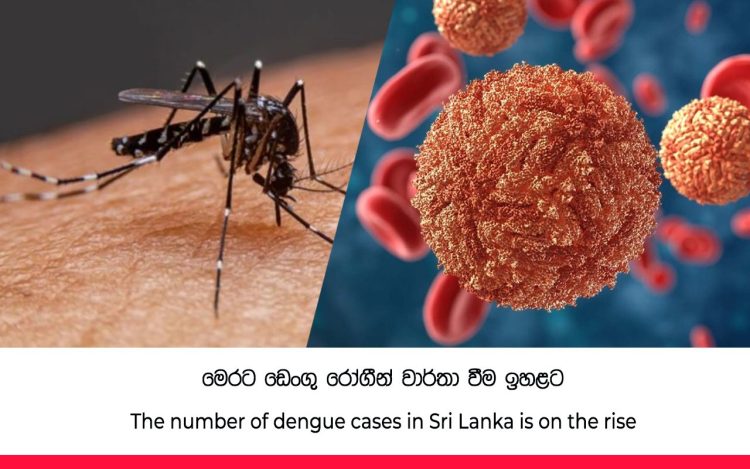
Sri Lanka is grappling with a sharp increase in dengue infections as hospitals in the Western Province reach maximum capacity. Health authorities are pivoting to proactive vector control as monsoon rains fuel the rapid spread of the virus.

Scientists have identified the hypothalamic sleep switch that triggers growth hormone pulses during non-REM sleep. This discovery provides insights into how sleep-driven hormonal repair affects metabolic health and neurological conditions.

Technology entrepreneur Bryan Johnson has revealed a diagnosis of autoimmune gastritis, an immune-mediated disorder affecting his stomach lining. He intends to explore experimental interventions to address the condition, which is currently considered incurable by medical standards.
The measles crisis in Bangladesh has intensified as health authorities report 7 new child deaths, pushing the national death toll to 738. Officials continue to manage a high volume of new infections and pediatric hospital admissions.

New South Wales is the third Australian state to detect H5N1 bird flu after finding the virus in a migratory seabird. Officials confirm the risk to the public remains low and poultry supplies are secure.
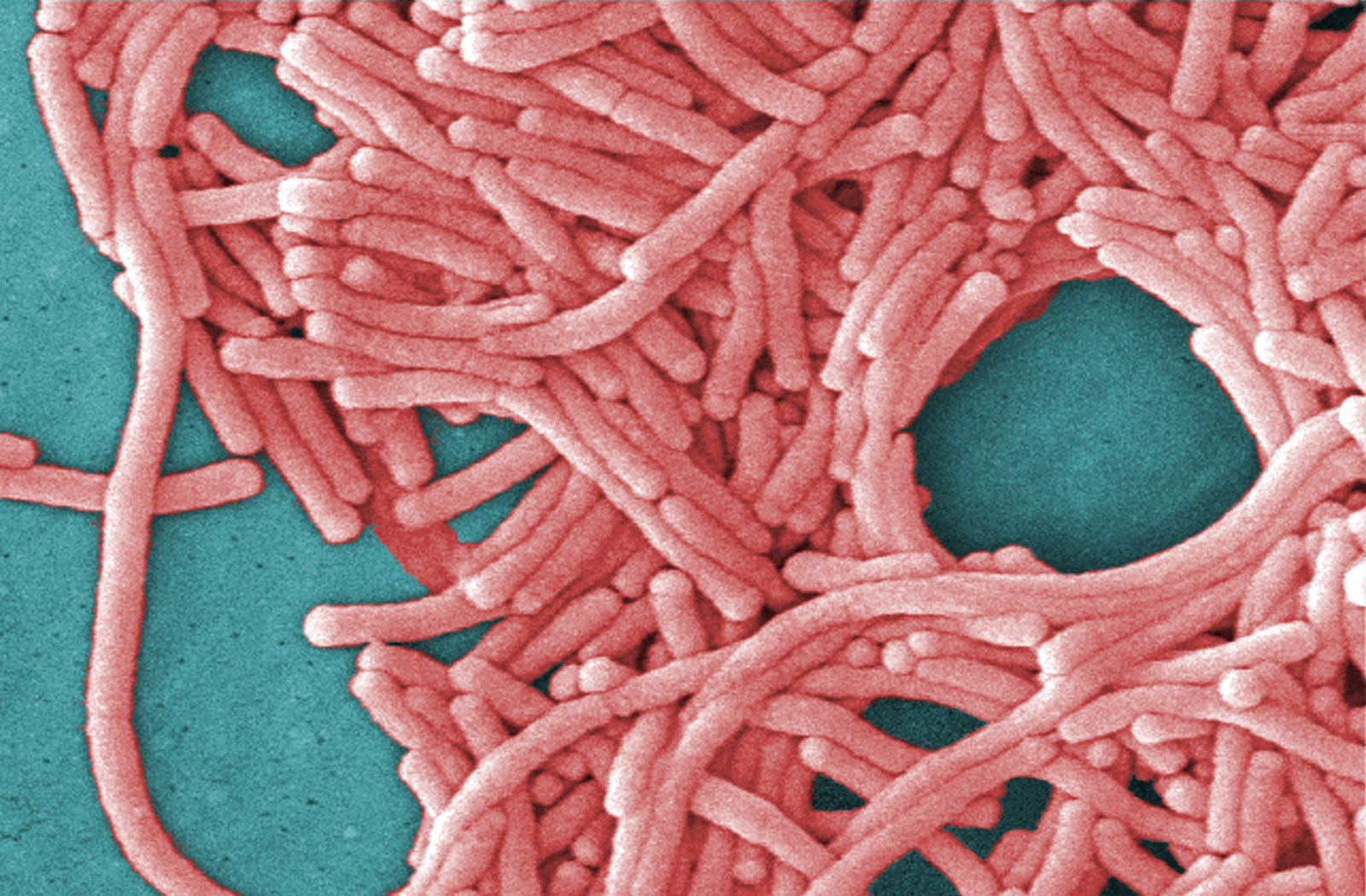
The New York City Department of Health is currently investigating a cluster of 14 cases of Legionnaires' disease in the Upper East Side neighborhoods.

Cherries can be a nutritious part of a diabetes-friendly diet when portion sizes are managed. Experts recommend fresh or frozen fruit to maintain fiber.

The World Health Organization has launched the STI Prevalence Atlas, an open-access repository consolidating research on five sexually transmitted infections. The platform aims to provide standardized data to help policymakers design targeted prevention strategies and monitor transmission.

Healthcare professionals are shifting toward a proactive model of dementia care, emphasizing early diagnostic screening and evidence-based lifestyle modifications to delay cognitive decline.

Researchers have developed AI-driven surgical navigation tools to assist clinicians in identifying critical pelvic anatomy, including nerves and vessels. These systems aim to aid surgeons in navigating the complex pelvic environment and improving the recognition of key structures.
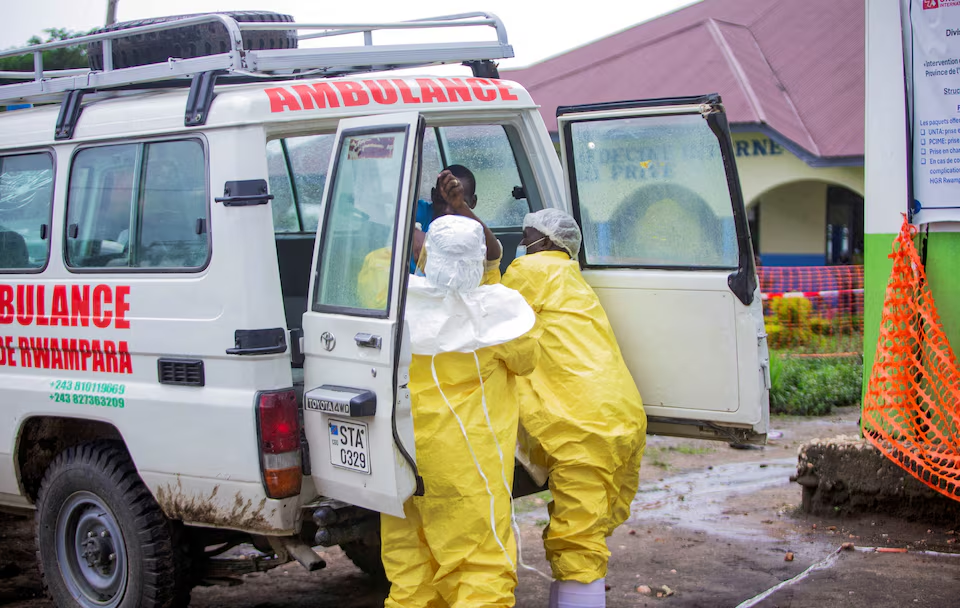
Confirmed Ebola cases in the Democratic Republic of the Congo have reached 1,502, creating a public health crisis across the nation's eastern provinces. Medical authorities face significant containment hurdles as the virus spreads through areas affected by conflict.

Agricultural authorities are urging poultry producers to upgrade biosecurity as the highly pathogenic H5N1 virus reaches Australia's east coast and continues to devastate US farms.

The World Health Organization has officially ended the outbreak of the Andes virus aboard the M/V Hondius cruise ship. The event resulted in 13 total cases and three deaths.
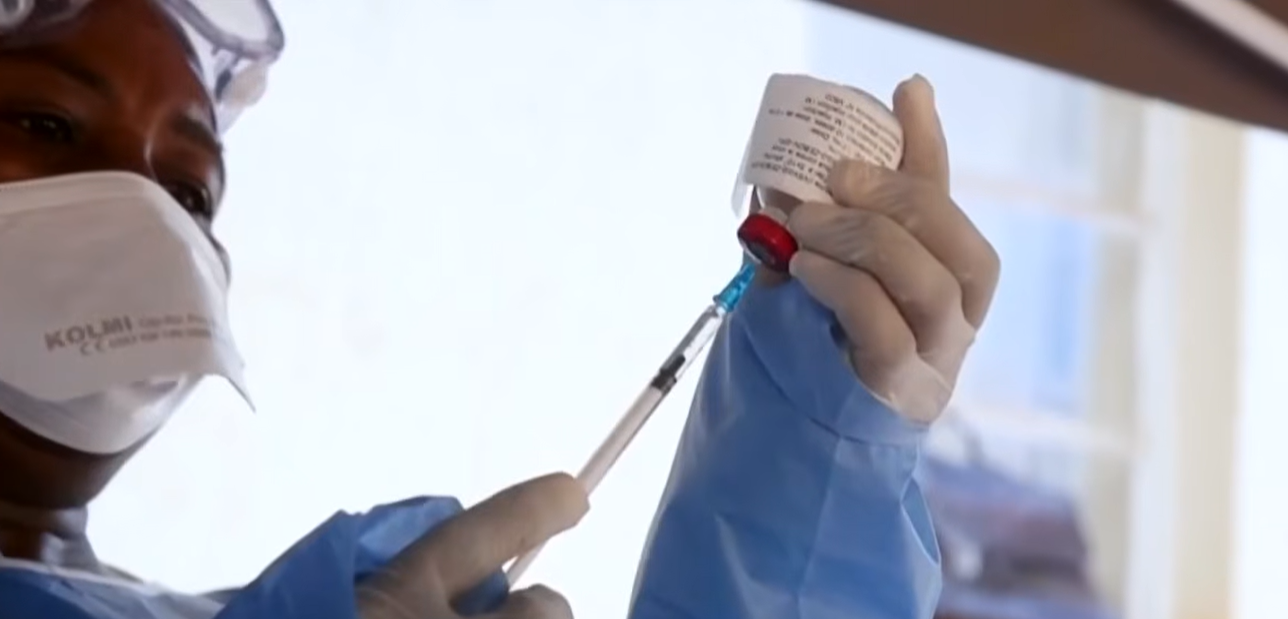
A widening Ebola outbreak in the Democratic Republic of Congo has reached 1,406 cases, spreading from Ituri province to urban hubs like Kisangani.

Researchers have identified a link between cognitive impairment in ME/CFS patients and compromised glymphatic system function. This discovery provides a mechanistic explanation for brain fog and highlights potential areas for future diagnostic and clinical development.

Federal health officials are tracking a surge in Cyclospora infections linked to contaminated produce, with localized clusters emerging in Michigan.
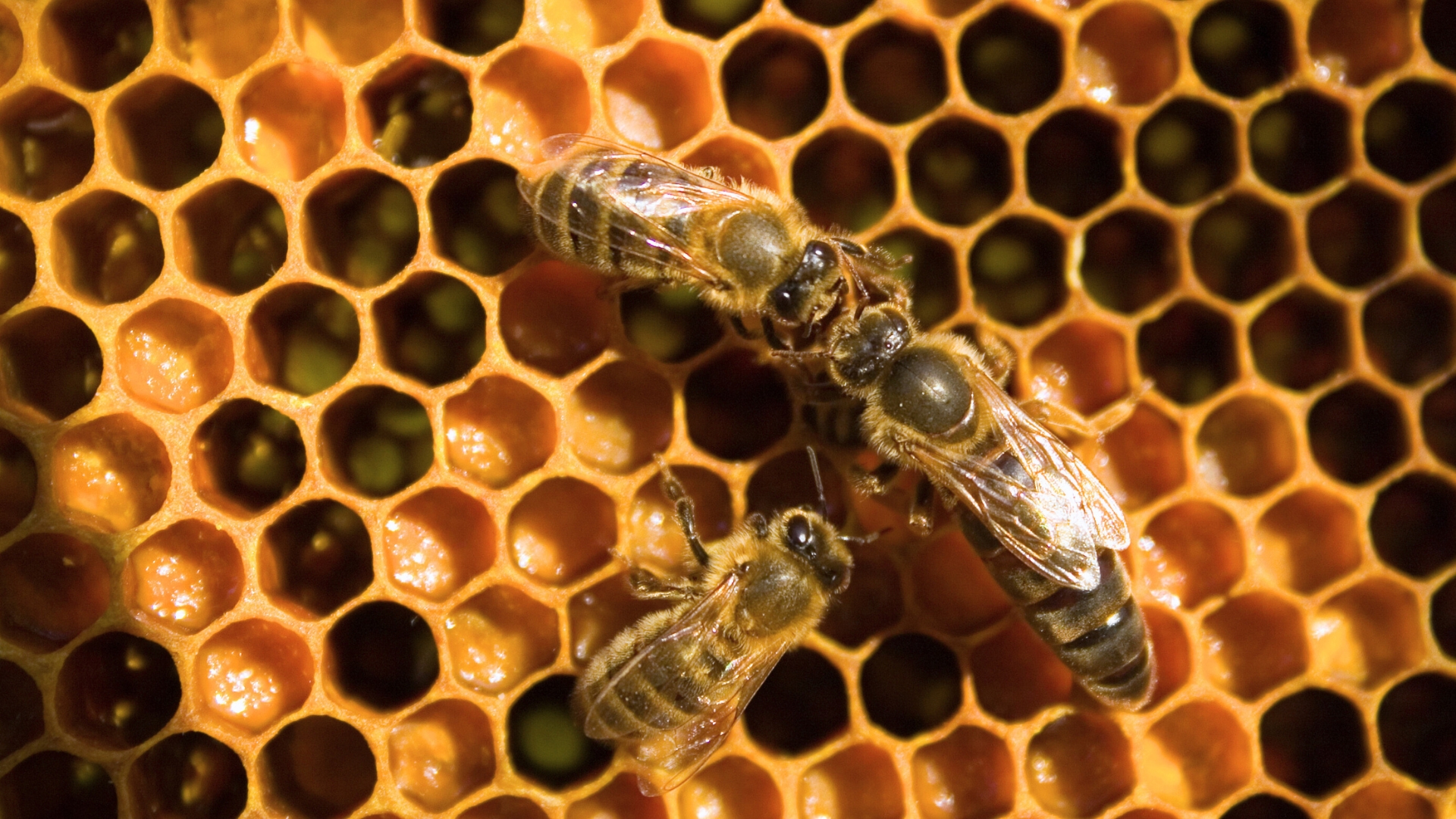
New research reveals that honeybee queens protect themselves from chronic pesticide exposure by offloading toxins into their eggs, potentially threatening the long-term stability of the colony.
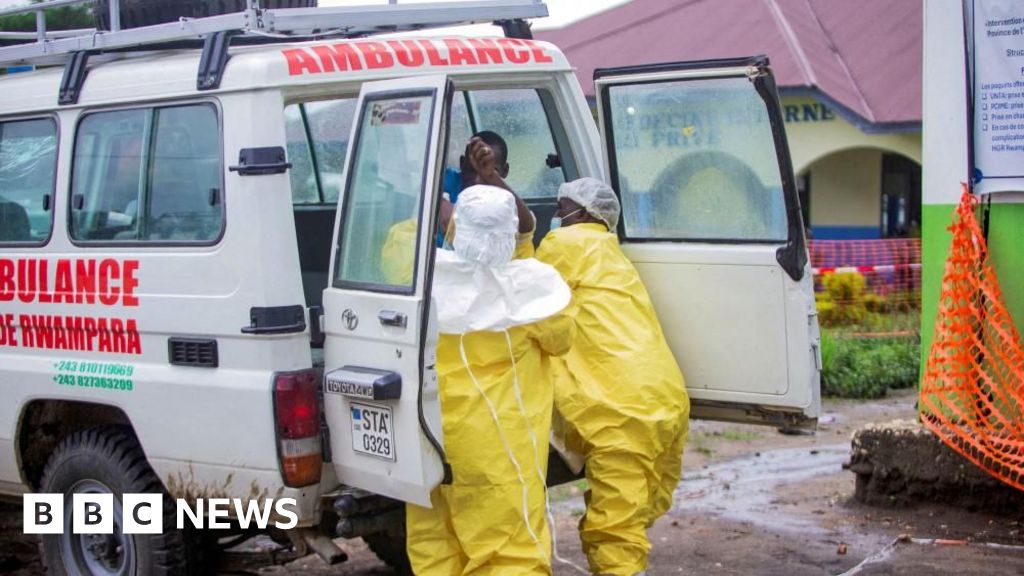
Health authorities have launched the PARTNERS clinical trial in the Democratic Republic of Congo to evaluate monoclonal antibodies and remdesivir. The study aims to determine the efficacy of these treatments against the rare Bundibugyo Ebola virus strain.