DR Congo reports 1,502 confirmed Ebola cases amid outbreak expansion
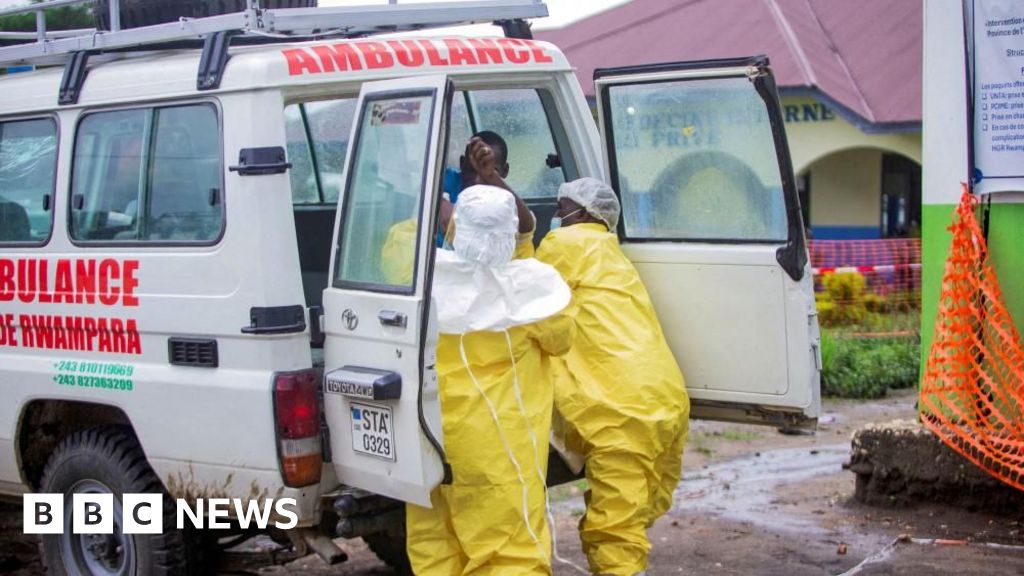
Confirmed Ebola cases in the Democratic Republic of the Congo have reached 1,502, creating a public health crisis across the nation's eastern provinces. Medical authorities face significant containment hurdles as the virus spreads through areas affected by conflict.
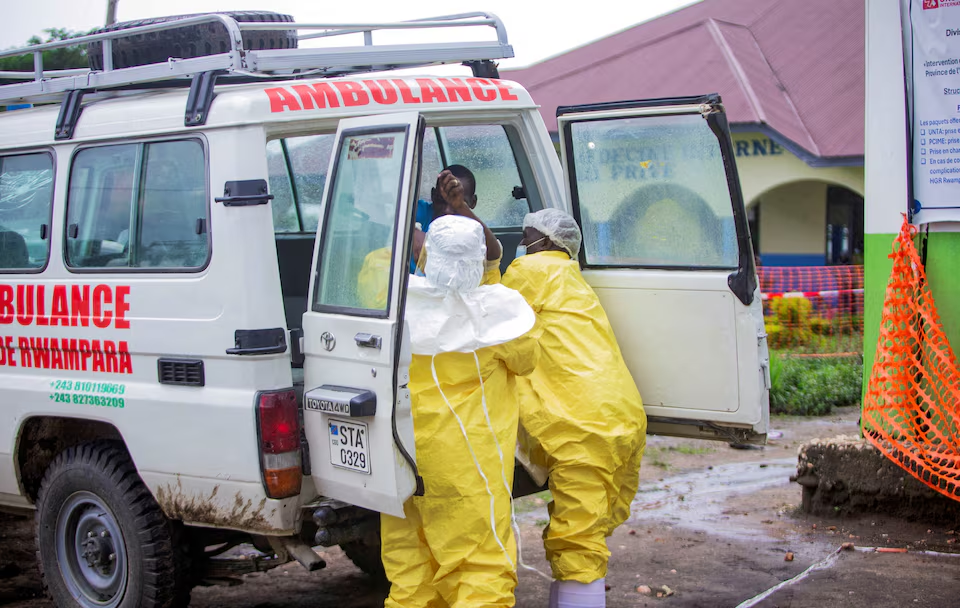
The Democratic Republic of the Congo faces an intensifying public health crisis as confirmed cases of Ebola have risen to 1,502. According to official figures, 473 deaths have been reported. The disease is currently concentrated across three eastern provinces: Ituri, North Kivu, and South Kivu.
Public health authorities report that 628 patients are currently in isolation or receiving hospital treatment, while 229 individuals have recovered from the infection. Additionally, there have been 213 suspected cases, including 63 fatalities. This surge follows the declaration of the outbreak on 15 May, though transmission had been going undetected for some time.
Related media

Challenges in Containment and Surveillance
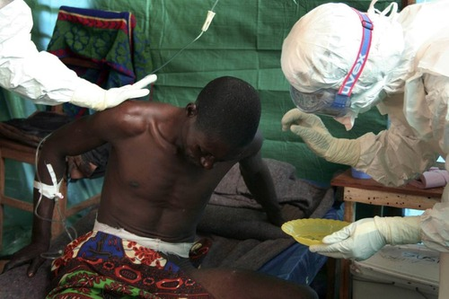
The current outbreak is identified as the largest Bundibugyo Ebola outbreak ever recorded. Because no approved vaccine or specific treatment exists, medical teams face significant operational hurdles. Containment efforts are further complicated by the volatile security situation in the eastern region. Ongoing armed conflict, including attacks by the Allied Democratic Force, has restricted access to numerous villages and forced thousands of residents to flee their homes.
Displacement has become a major factor in the spread of the disease. At the Kigonze displacement camp in Bunia, the capital of Ituri, officials reported that 10 people had died last week in unusual circumstances, raising concerns about potential undetected transmission within a population of over 20,000. Humanitarian agencies, including the United Nations refugee agency, have expressed concern regarding the risks posed to the estimated 2 million people displaced within the region.
Contact tracing remains a primary point of failure for health authorities, who have achieved a coverage rate of only 55 percent. Dr. Jean Kaseya, Director-General of the Africa Centers for Disease Control and Prevention, noted the difficulty in establishing the origins of the transmission.
"If you want to control an outbreak, especially Ebola outbreak, you must know the index case. We don't have confidence on when this outbreak started,"
Dr. Jean Kaseya, Director-General of the Africa Centers for Disease Control and Prevention, via AP News
Regional Response and Clinical Trials
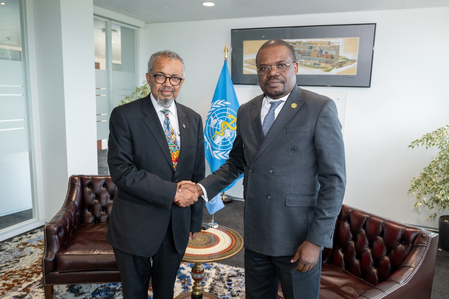
The reach of the virus has extended into neighboring Uganda, where 20 cases have been confirmed. Of these, 15 are classified as imported infections, while five individuals were detected while in quarantine. According to health experts, there is currently no evidence of community transmission within Uganda. To manage the risk of further cross-border spread, the Democratic Republic of the Congo and Uganda have signed a memorandum of understanding to bolster joint surveillance, screening, and treatment capabilities.
A clinical trial has officially launched in the Democratic Republic of the Congo. The Platform Adaptive Randomized Trial for New and Repurposed Filovirus Treatments (PARTNERS) began enrolling participants to evaluate potential therapeutic interventions for the Bundibugyo strain of the virus.
Health Guidance
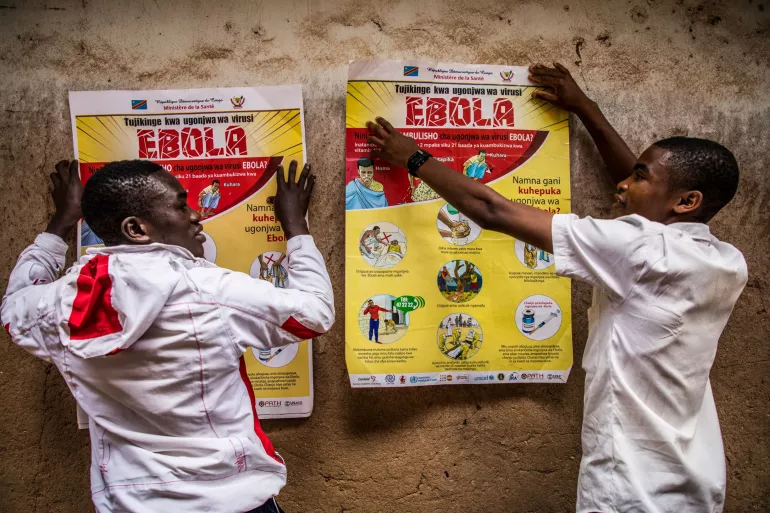
Health officials reiterate that Ebola is a severe and often fatal viral disease that spreads through direct contact with the blood, bodily fluids, or other secretions of an infected person, as well as through contaminated objects. Recommended preventive measures include:
- Observing rigorous hand hygiene.
- Avoiding contact with the bodily fluids of infected persons.
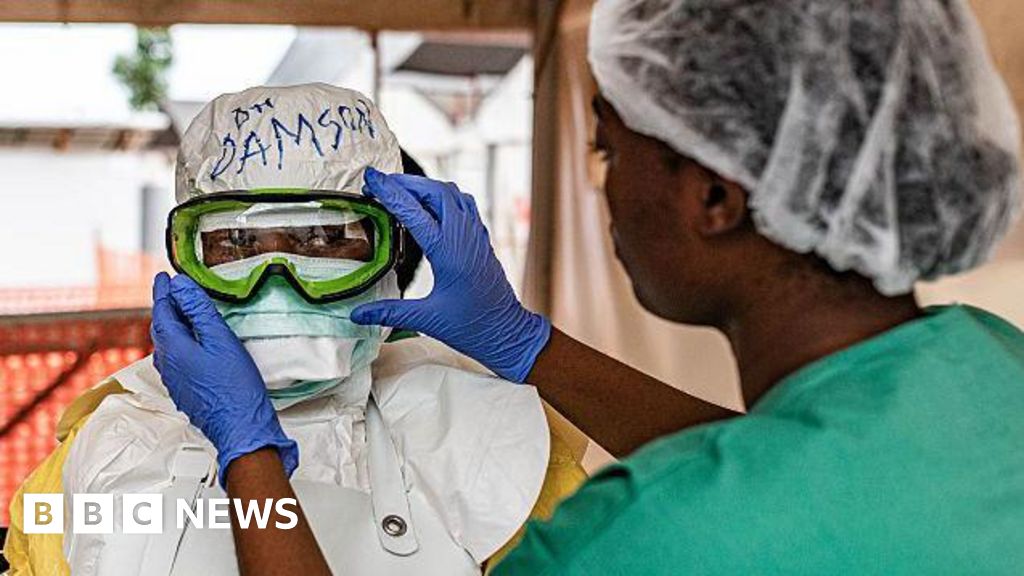
- Utilizing appropriate protective equipment when caring for patients.
- Adhering to established safe burial practices.
- Seeking immediate medical attention upon the onset of symptoms such as fever, headache, muscle pain, or sore throat.
Looking Forward
Medical teams and international organizations continue to monitor the progress of the PARTNERS clinical trial. Success in curbing the outbreak remains tied to improving contact tracing in active conflict zones and mining areas, where the frequent movement of people continues to elevate transmission risks. Officials have acknowledged that they have yet to identify the initial patient and remain concerned that the peak of the outbreak may still lie ahead.
How significant is this development?
Contribute your assessment to the aggregated reader intelligence ledger.
Archypedia is dedicated to independent, evidence-backed reporting. This briefing was synthesized from primary source reporting, corroborated across independent newsrooms, and verified against our Editorial Standards.
Transparency record
Evidence behind this report
This report synthesizes 9 distinct sources. Open the source ledger below to compare the underlying coverage.
- apnews.com
- newsonair.gov.in
- pajhwok.com
- indian.community
- lokmattimes.com
- thesudantimes.com
- cdc.gov
- cbsnews.com
- ca.news.yahoo.com
Prepared under the Archypedia Editorial Policy by the Lina Park editorial desk profile. AI-assisted tools may support drafting and verification; public accountability remains with Archypedia. Report an error.