New South Wales becomes third Australian state to confirm H5N1 bird flu case
New South Wales is the third Australian state to detect H5N1 bird flu after finding the virus in a migratory seabird. Officials confirm the risk to the public remains low and poultry supplies are secure.

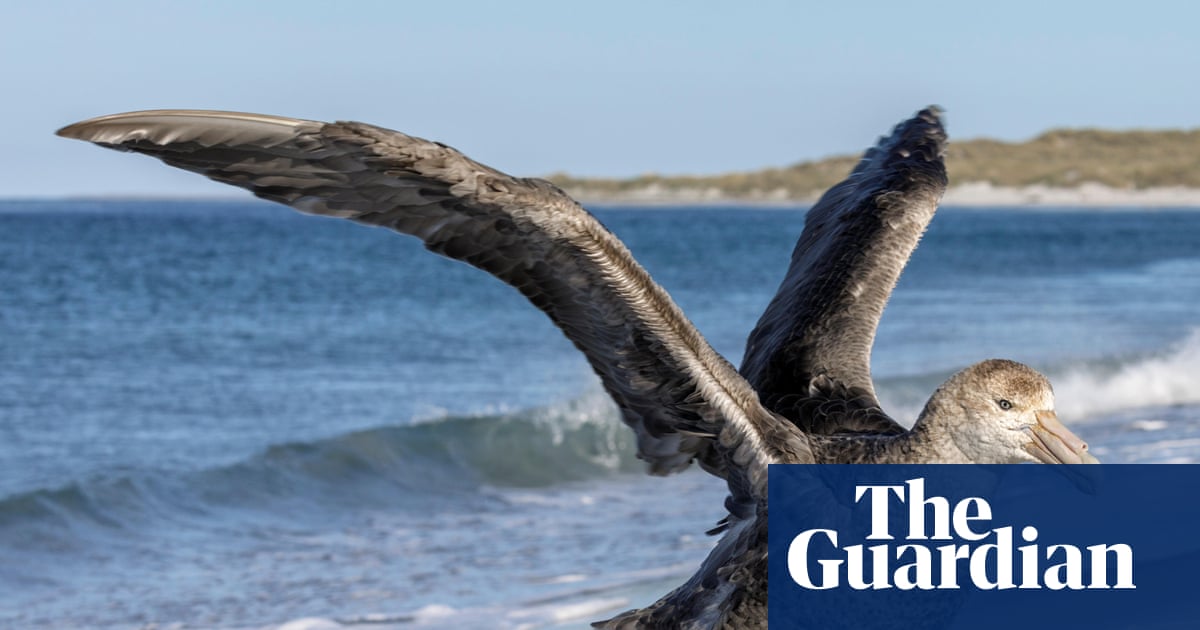
New South Wales has become the third Australian state to confirm a case of H5N1 bird flu. Authorities reported the detection of the highly pathogenic virus in a migratory seabird, specifically a giant petrel, discovered near the coastal town of Hawks Nest on the state’s Mid North Coast. The confirmation of this case was made public on 4 July 2026, marking the latest milestone in the nation's ongoing response to the virus.
This development follows earlier detections of the virus in Western Australia and South Australia. While the H5N1 virus was initially identified in the Australian sub-Antarctic territory of Heard Island in late 2025, it was not until June 2026 that Australia confirmed the first mainland case. Across the three states currently affected, a total of six infections in wild birds have now been officially recorded.
Related media
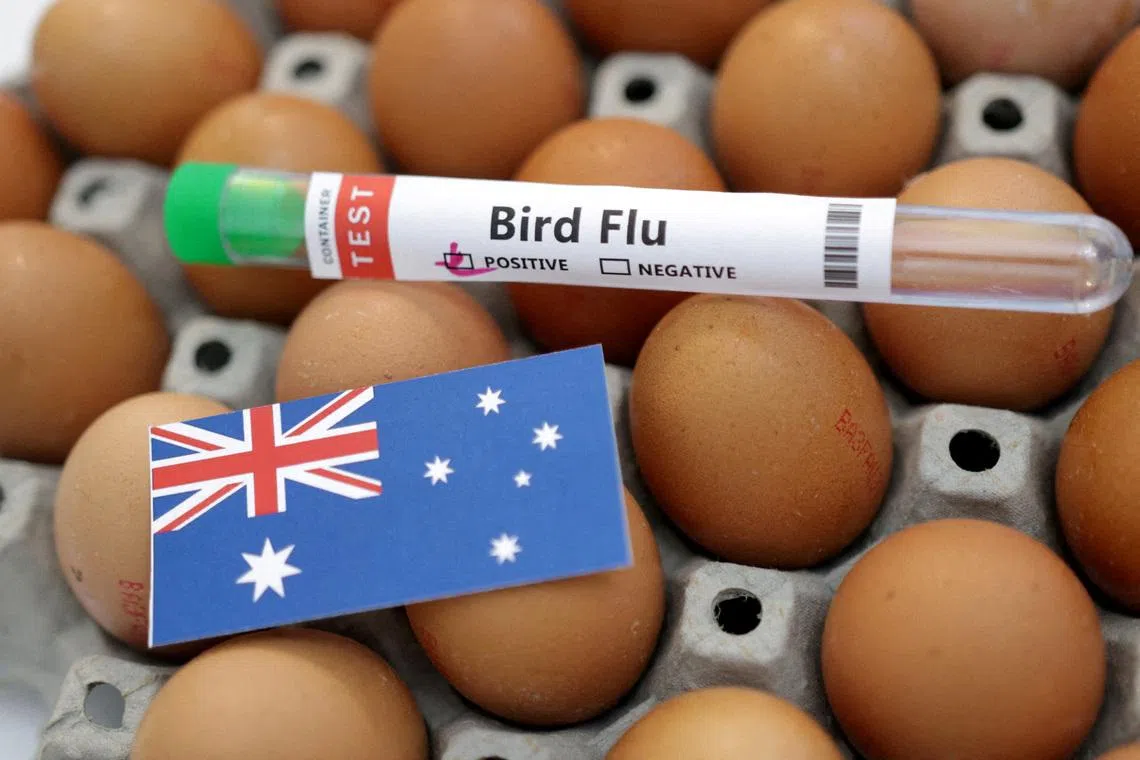
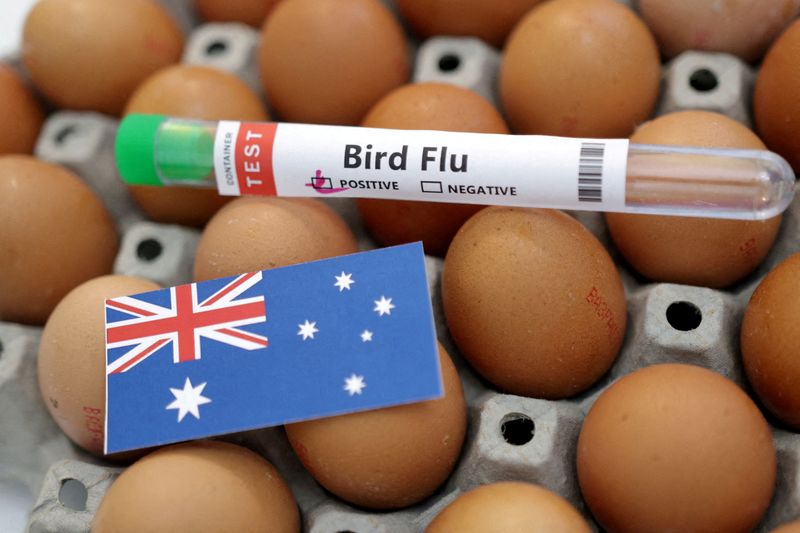
The state Agriculture Minister, Tara Moriarty, noted that this finding represents the first confirmed detection of the H5 strain within New South Wales. Despite the discovery occurring near the coastline, officials maintain there is no evidence of the virus spreading to local wildlife, captive birds, or commercial poultry flocks. Minister Moriarty further stated that there is no disruption to the state's supply of chicken meat or eggs, and she encouraged members of the public to continue purchasing these food products as normal.
In response to the arrival of the virus, the state government has activated a comprehensive response plan. This strategy includes bolstered surveillance operations and the deployment of additional staff to assist the agricultural sector. According to Dr. Jo Coombe, the Chief Veterinary Officer for New South Wales, response efforts have escalated to include ground searches, drone surveillance, and specialized boat searches to identify potentially infected wildlife along the coast. Dr. Coombe reported that the infected bird was identified quickly.
Dr. Coombe has issued a direct recommendation for poultry producers to adopt proactive measures to mitigate risk. There are many, many other measures that can be put in place, such as trying to avoid your poultry having contact with wild birds. Having meticulous hygiene and biodiversity measures on and off the farm in terms of visitors and the like,
she said. Dr. Coombe also advised that housing birds indoors remains a key preventative strategy for producers.
Federal authorities are continuing to coordinate a broader national response. Prime Minister Anthony Albanese has pledged that the government will work to curb the spread of the virus. Federal and state officials are currently monitoring migratory bird populations as they arrive along the Australian coastline, with testing conducted by the national disease preparedness laboratory.
Public health experts continue to maintain that the risk to the general public remains low. Officials emphasize that human infections are rare and are typically linked to prolonged, close contact with infected birds rather than casual exposure. There is currently no indication of community transmission in Australia.
Moving forward, the government intends to maintain its collaboration with wildlife experts, veterinarians, and the agricultural industry to protect both food production and regional biodiversity. Members of the public are advised to avoid handling any sick or dead birds and to report such sightings immediately to the relevant authorities for further investigation and testing.
Summary of Australia’s H5N1 Response
- Geographic Spread: Six confirmed cases across New South Wales, Western Australia, and South Australia.
- Timeline: Initial detection on Heard Island in late 2025, followed by the first mainland case in June 2026.
- Surveillance Methods: Expanded to include ground searches, drone operations, and boat patrols.
- Industry Guidance: Poultry producers are urged to enforce strict biosecurity and house birds indoors where possible.
- Public Health: The risk to the general public remains low; citizens should report sick or dead birds and avoid contact.
How significant is this development?
Contribute your assessment to the aggregated reader intelligence ledger.
Archypedia is dedicated to independent, evidence-backed reporting. This briefing was synthesized from primary source reporting, corroborated across independent newsrooms, and verified against our Editorial Standards.
Transparency record
Evidence behind this report
This report synthesizes 4 distinct sources. Open the source ledger below to compare the underlying coverage.
Prepared under the Archypedia Editorial Policy by the Lina Park editorial desk profile. AI-assisted tools may support drafting and verification; public accountability remains with Archypedia. Report an error.