Sri Lanka dengue cases rise to 61,060 as Western Province hospitals
Sri Lanka is grappling with a sharp increase in dengue infections as hospitals in the Western Province reach maximum capacity. Health authorities are pivoting to proactive vector control as monsoon rains fuel the rapid spread of the virus.
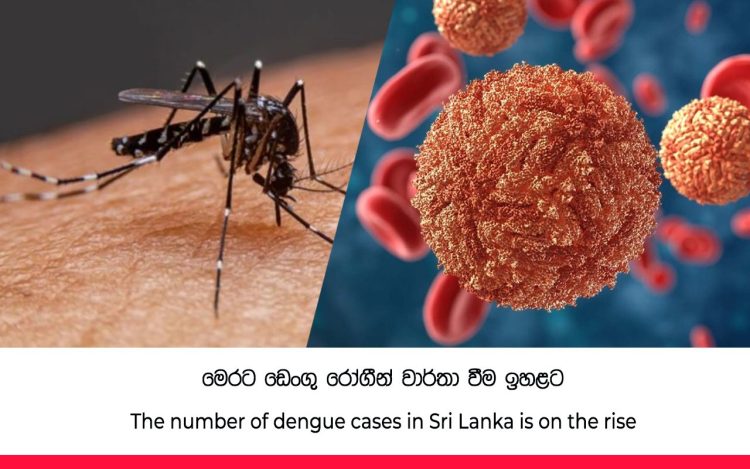
Sri Lanka faces a deepening public health crisis as the total number of recorded dengue cases reached 61,060 on Monday, 6 July 2026. Data from the National Dengue Control Unit (NDCU) indicates that the country recorded 2,604 new infections within the past 24 hours alone. With 39 deaths reported so far this year, the case fatality rate currently stands at 0.06%.
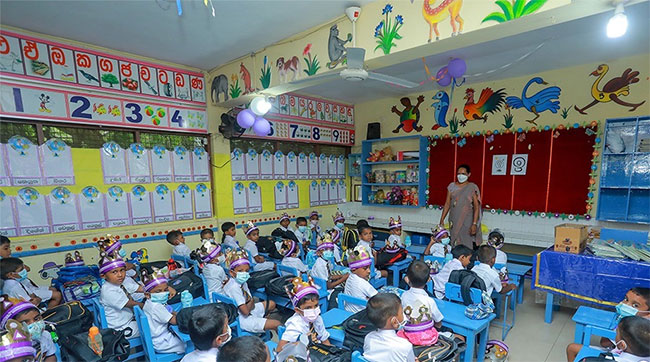
The Western Province remains the epicenter of the outbreak, accounting for 32,054 infections, or 52.5% of all cases nationwide. Within this region, the districts of Colombo and Gampaha are under intense pressure, together representing more than 40% of the national total. As hospitals reach their maximum capacity, healthcare facilities—including the Colombo National Hospital, the Infectious Disease Hospital, and the District General Hospital in Negombo—are struggling to accommodate the influx of patients.
Related YouTube video


Regional Distribution of Cases
While the Western Province reports the highest concentration of the virus, transmission is widespread across the island. Other provinces reporting significant case numbers include:
- Southern Province: 9,674 cases
- Sabaragamuwa Province: 5,237 cases
- Central Province: 4,823 cases
- Eastern Province: 2,979 cases
- North Western Province: 2,778 cases
Acting Director of the NDCU, Dr. Kapila Kannangara, stated that the current surge has created severe challenges for patient care. "The rise in infections has placed severe pressure on hospitals and made patient care increasingly difficult," he noted. Authorities are now prioritizing emergency, short-term interventions to prevent further increases in fatalities while simultaneously working on a three-phase strategy to manage the outbreak over the medium and long term.
The trajectory of the outbreak has accelerated significantly since mid-May 2026. Following heavy monsoon rains and localized urban flooding, the monthly case count peaked in June with 21,546 reported infections. Experts like Professor Neelika Malavige of the University of Sri Jayewardenepura have pointed to unplanned urbanization and shifting climate patterns as factors that allow the Aedes aegypti and Aedes albopictus mosquitoes to thrive by shortening their maturation time and increasing biting frequency.
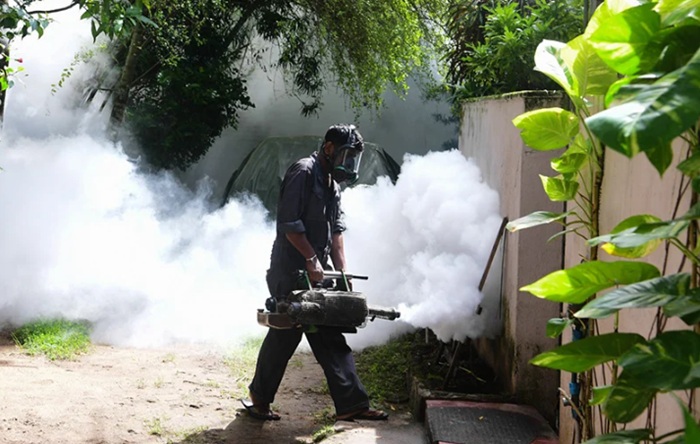
Public health officials emphasize that traditional methods, such as fogging, are proving insufficient. Chamil Muthukuda, general secretary of the Public Health Inspectors’ Union, noted that mosquito vectors have shown signs of resistance to commonly used chemicals due to past "irrational use" of insecticides. Consequently, the government has launched intensive prevention campaigns, issuing "red notice" warnings to properties, schools, and construction sites that fail to clear stagnant water, which serves as a breeding ground for larvae.
What to Watch Next
As the country remains in the high-risk monsoon period, authorities are focusing on several key areas to curb the spread:
- Enhanced Vector Control: Efforts are shifting from reactive fogging toward proactive destruction of larval breeding sites in high-density urban zones.
- Surveillance: The NDCU has designated 142 Medical Officer of Health (MOH) divisions as high-risk zones, where monitoring is being intensified.
- Clinical Management: Hospitals are adjusting bed arrangements and resource allocation to manage the continued daily admission of new patients.
- Predictive Modeling: Researchers are advocating for the integration of environmental and historical data into early warning systems to better anticipate future spikes.
Health officials continue to urge the public to seek medical attention immediately if symptoms such as high fever, severe joint pain, or bleeding occur. Experts warn that because the virus can lead to life-threatening complications, including dengue hemorrhagic fever, early intervention remains the most effective tool to improve patient outcomes during this period of high transmission.
How significant is this development?
Contribute your assessment to the aggregated reader intelligence ledger.
Archypedia is dedicated to independent, evidence-backed reporting. This briefing was synthesized from primary source reporting, corroborated across independent newsrooms, and verified against our Editorial Standards.
Transparency record
Evidence behind this report
This report synthesizes 9 distinct sources. Open the source ledger below to compare the underlying coverage.
- news.mongabay.com
- english.news.cn
- chinaview.cn
- namibiadailynews.info
- pulsefeed.lk
- lankanewspapers.com
- reliefweb.int
- cntravellerme.com
- newswire.lk
Prepared under the Archypedia Editorial Policy by the Lina Park editorial desk profile. AI-assisted tools may support drafting and verification; public accountability remains with Archypedia. Report an error.