DR Congo begins clinical trial for potential Ebola treatments
Health authorities have launched the PARTNERS clinical trial in the Democratic Republic of Congo to evaluate monoclonal antibodies and remdesivir. The study aims to determine the efficacy of these treatments against the rare Bundibugyo Ebola virus strain.
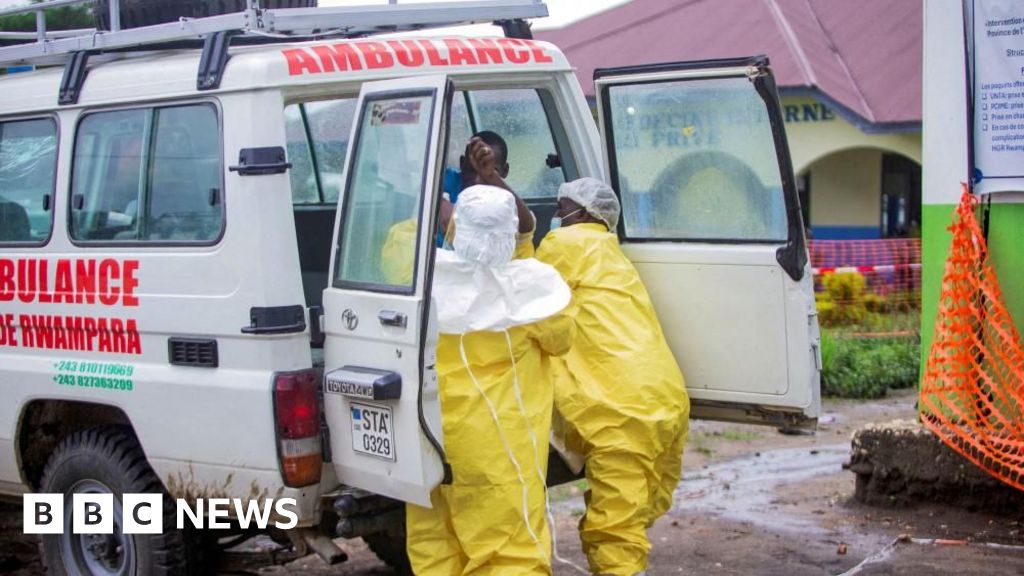
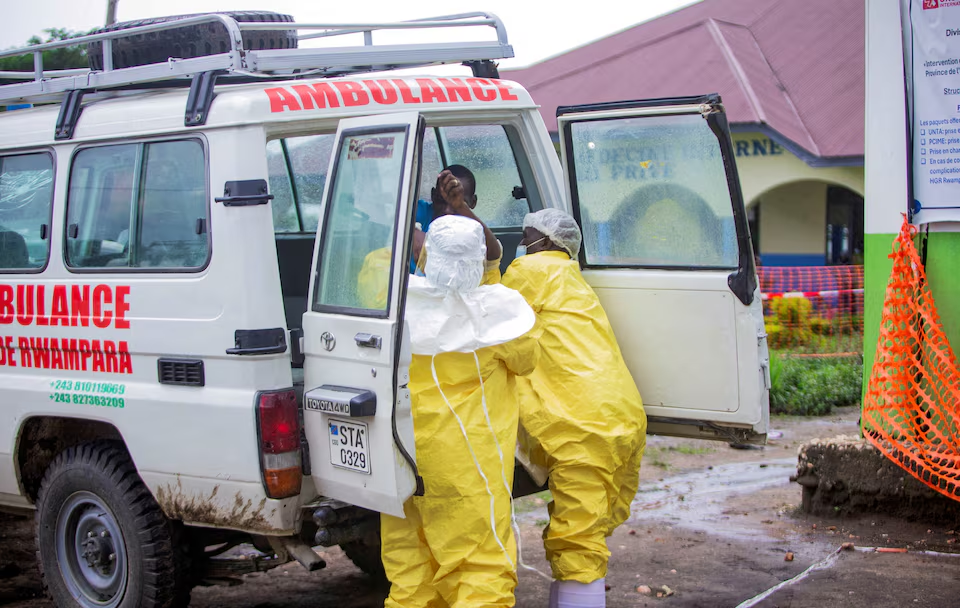
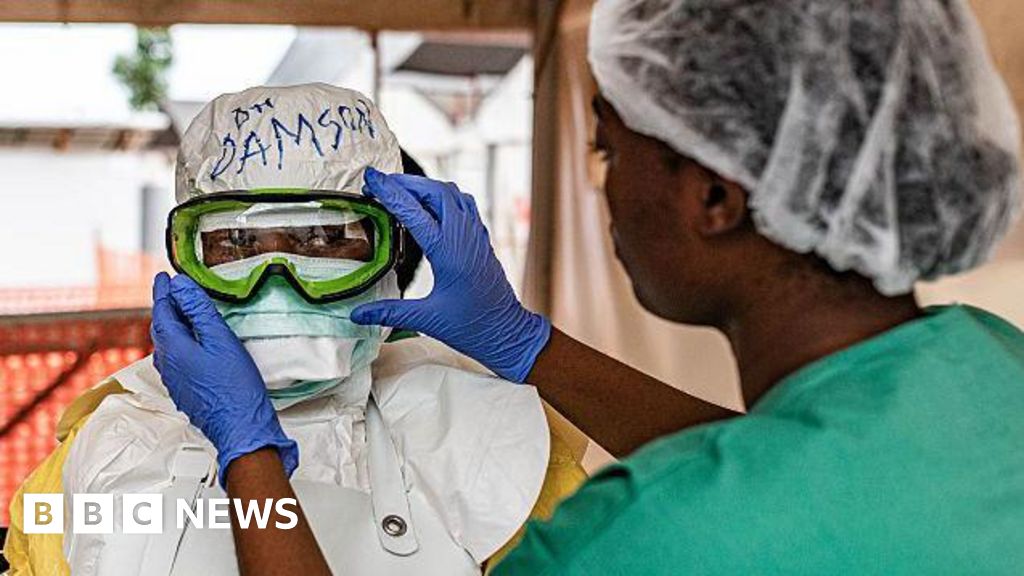
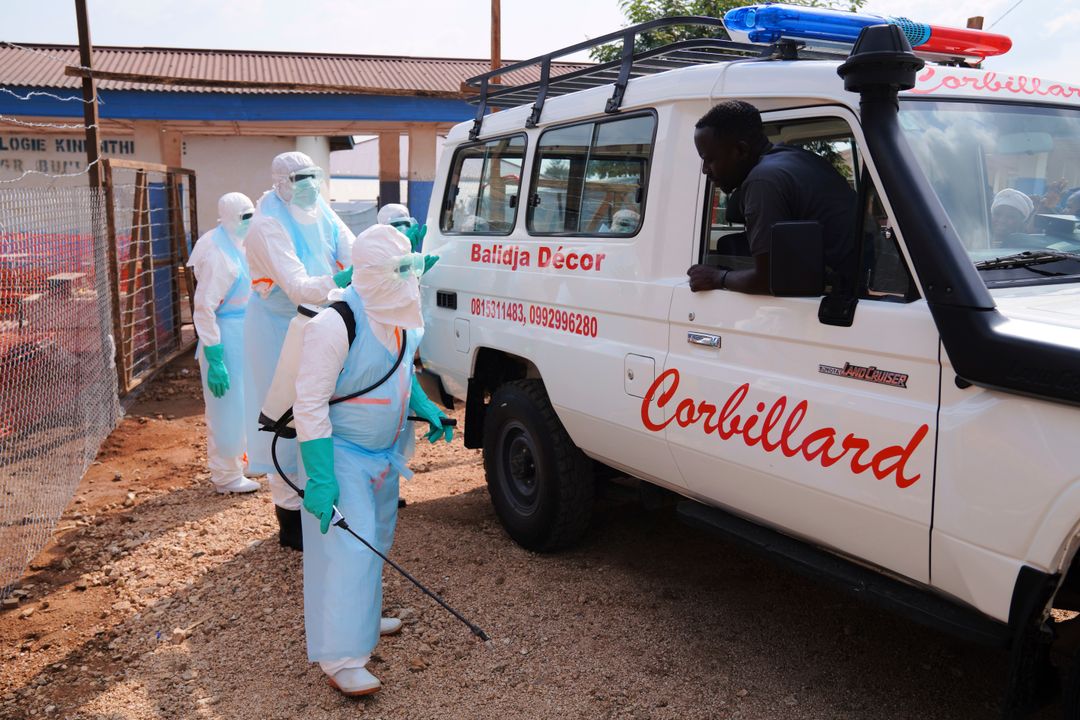
Clinical trials for potential Ebola treatments have officially commenced in the Democratic Republic of Congo (DRC) as of Thursday. This development arrives as health authorities struggle to contain the current outbreak, which involves the Bundibugyo virus species—a rare strain for which no vaccines or treatments are currently approved.
The first patient was enrolled in the study on Thursday, according to the World Health Organization (WHO). The research initiative, titled the Platform Adaptive Randomised Trial for New and Repurposed Filovirus Treatments (PARTNERS), is coordinated by an international consortium including the Institut National de Recherche Biomédicale in the DRC, the Institute of Tropical Medicine in Belgium, and the University of Oxford in the UK. The trial is sponsored by the WHO.
Related media
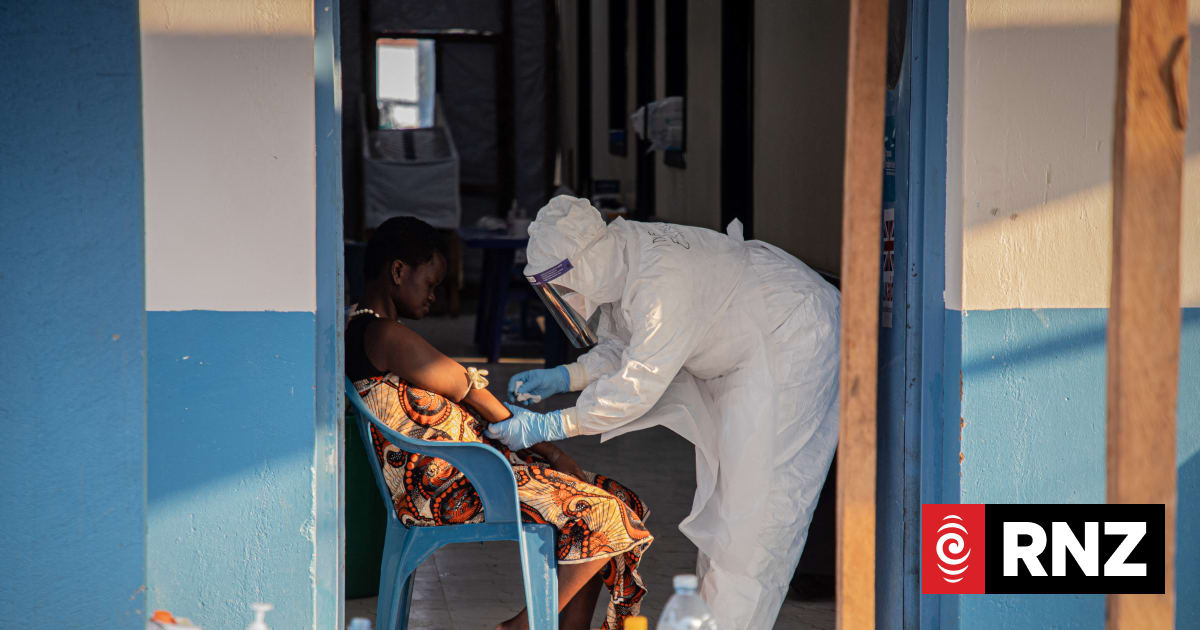

The study evaluates two primary interventions: the monoclonal antibody treatment MBP134, provided by Mapp Biopharmaceutical, and the antiviral drug remdesivir. Scientists plan to evaluate the efficacy of these drugs individually and in combination. The trial utilizes a randomization process, placing patients into four distinct study groups to determine if a combined approach offers superior survival outcomes. Researchers have indicated that the trial could span several months and may require more than 1,000 patients to yield definitive conclusions regarding safety and efficacy.
Outbreak Context and Geographic Spread
The current outbreak of Ebola in DR Congo began in May, though transmission had been going undetected for some time. The situation has been declared a public health emergency by the WHO, which says there have been 1,460 confirmed cases in DR Congo, with 150 suspected cases and 452 deaths, as of 1July. There have also been 20 confirmed cases in Uganda, leading to two deaths, and one confirmed case in France, as of 1 July. Congolese health authorities have said the outbreak is currently restricted to three eastern provinces - South Kivu, North Kivu and Ituri.
However, the Reuters and AFP news agencies report that the body of a pregnant woman tested positive for Ebola in the neighbouring Tshopo province. The woman reportedly died in Ituri, before her body was transported by motorbike to Tshopo's main city, Kisangani, which has a population of about 1.5 million people. Additionally, an individual suspected of having Ebola reportedly fled from an isolation unit in Ituri and later tested positive in the nearby Haut-Uele province. Authorities are said to have launched contact-tracing efforts across Tshopo and Haut-Uele. Earlier this week, public gatherings were banned in both these provinces, along with neighbouring Bas-Uele and the capital, Kinshsasa, in order to prevent the spread of Ebola.
Operational Hurdles and Security
As for treatment capacity, there are 650 beds in 22 health centres, though around 96 percent of beds are currently occupied. International organisations also warn that conflict in eastern DR Congo is making it more difficult to tackle the outbreak. The M23 rebel group is in control of large parts of both North and South Kivu. "Just this week, an Ebola treatment centre in Ituri province was attacked, resulting in the deaths of two people. The centre was set on fire, and patients fled," he said.
Tedros said that "every time there's an incident, this sets the whole response back". Tedros said the outbreak was continuing to expand, with an average of 38 new confirmed cases every day for the past two weeks.
Future Outlook
Beyond the current therapeutic trials, development for other medical defenses continues:
- Trial Expansion: The study began in one treatment facility in Ituri before gradually expanding to others in the province.
- Vaccine Development: Phase 1 trials could begin in July, likely in the UK and possibly Uganda.
- Financial Requirements: The WHO and the African Union’s health agency have a joint continental preparedness and response plan which is seeking $518 million.
Regarding the new clinical trials, DR Congo's Health Minister Dr Samuel Roger Kamba said the launch "represents a significant step forward, offering renewed hope to patients, their families, and affected communities".
WHO Director-General Tedros Adhanom Ghebreyesus remarked on the necessity of the initiative:
"Even without approved therapeutics, people are recovering from this disease, but of course, we could save many more lives with safe and effective therapeutics in our toolkit."
How significant is this development?
Contribute your assessment to the aggregated reader intelligence ledger.
Archypedia is dedicated to independent, evidence-backed reporting. This briefing was synthesized from primary source reporting, corroborated across independent newsrooms, and verified against our Editorial Standards.
Transparency record
Evidence behind this report
This report synthesizes 8 distinct sources. Open the source ledger below to compare the underlying coverage.
- bbc.com
- rnz.co.nz
- yahoo.com
- timeslive.co.za
- vanguardngr.com
- bbc.co.uk
- allafrica.com
- newsbytesapp.com
Prepared under the Archypedia Editorial Policy by the Lina Park editorial desk profile. AI-assisted tools may support drafting and verification; public accountability remains with Archypedia. Report an error.