Hantavirus outbreak on M/V Hondius cruise ship causes 13 cases and 3 deaths
The World Health Organization has officially ended the outbreak of the Andes virus aboard the M/V Hondius cruise ship. The event resulted in 13 total cases and three deaths.
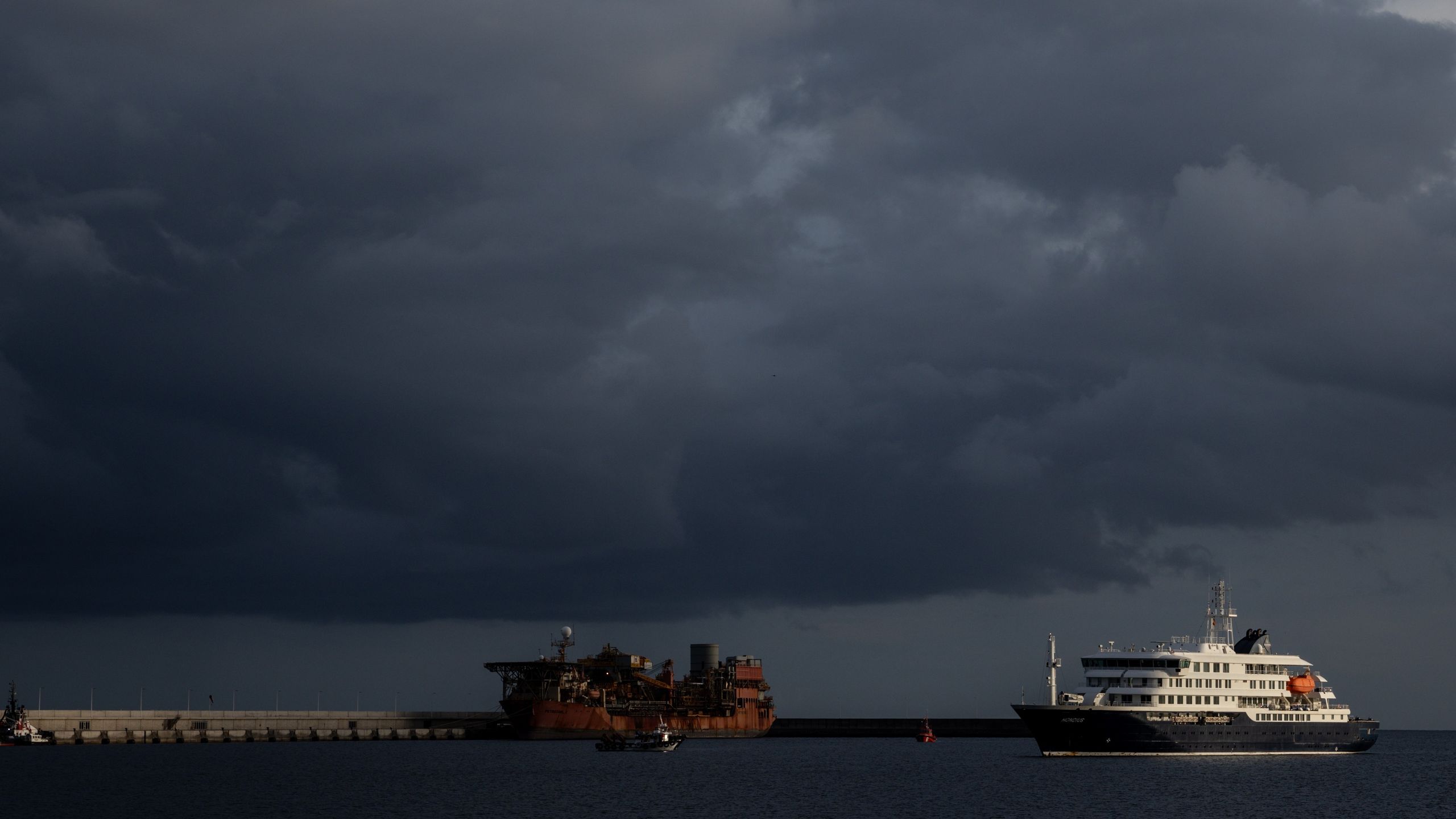
The World Health Organization (WHO) declared on Thursday, July 2, 2026, that the hantavirus outbreak linked to the cruise ship M/V Hondius has officially ended. The declaration follows the negative test result and completion of the quarantine period for the final identified contact of an exposed person.
The outbreak resulted in 13 total cases — 12 confirmed and one probable — and three deaths. The WHO reported a case fatality ratio of 23% for the event. Those who died were aged 69, 70, and 79. Of the 13 total cases, nine were male and four were female, with a median age of 65.
Related media

The illness involved the Andes virus (ANDV), a rare strain typically circulating in Chile and Argentina. According to the WHO and Live Science, ANDV is the only known hantavirus capable of spreading between humans.
Timeline of the Outbreak and Containment
- April 1, 2026: The Dutch-flagged polar exploration ship M/V Hondius departs from Ushuaia, Argentina.
- May 2, 2026: The United Kingdom notifies the WHO of a cluster of severe acute respiratory illness aboard the vessel.
- May 17, 2026: Updated guidance on managing contacts of ANDV cases from the M/V Hondius is published.
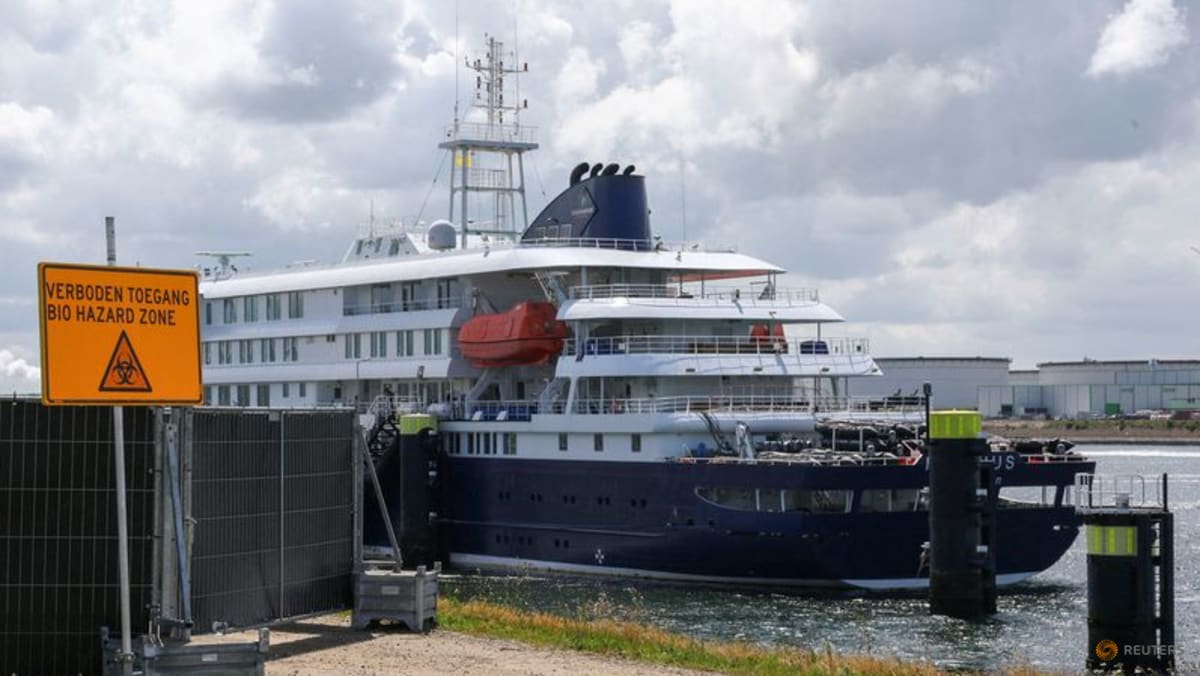
- May 18, 2026: The ship docks in Rotterdam, Netherlands.
- May 25, 2026: The date of the last reported case of the virus.
- May 30, 2026: The vessel is cleared to return to sea following disinfection and cleaning.
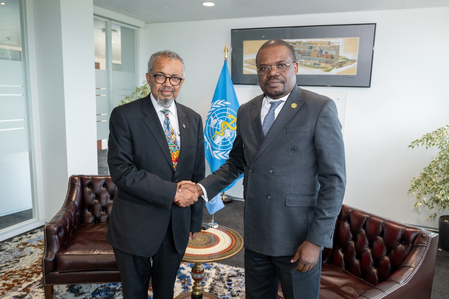
- July 2, 2026: WHO Director-General Tedros Adhanom Ghebreyesus declares the outbreak over.
Transmission and Patient Care
The WHO stated that initial cases were likely acquired on land before boarding the ship, though the exact route remains undetermined. The BBC reported that the first two cases had "travelled through Argentina, Chile and Uruguay on a bird-watching trip which included visits to sites where the species of rat known to carry the virus was present". However, Channel News Asia noted that the Argentine health ministry announced in June that an investigation in a second province had failed to find any virus-carrying rodents.
Once aboard, the confined maritime environment likely facilitated limited human-to-human transmission. While the virus did not show transmission dynamics consistent with highly airborne pathogens like measles, it caused a point source outbreak followed by short chains of secondary transmission.
Symptoms typically include fever, headache, muscle aches, and gastrointestinal issues such as nausea and abdominal pain, appearing between one and eight weeks after exposure. In severe cases, patients experience coughing, shortness of breath, and fluid accumulation in the lungs. Because there are no approved vaccines or specific antiviral treatments, care remains largely supportive.
Of the confirmed hospitalized cases, eight have recovered. Two patients, one in France and one in South Africa, remain hospitalized as of July 2.
International Response and Contact Tracing
The response involved a massive international effort to track potential exposures. More than 650 contacts were identified across 33 countries and territories. This included passengers, crew, airport staff, and healthcare workers. A total of 317 high-risk contacts underwent quarantine and monitoring for up to 42 days, while 336 low-risk contacts performed self-monitoring.
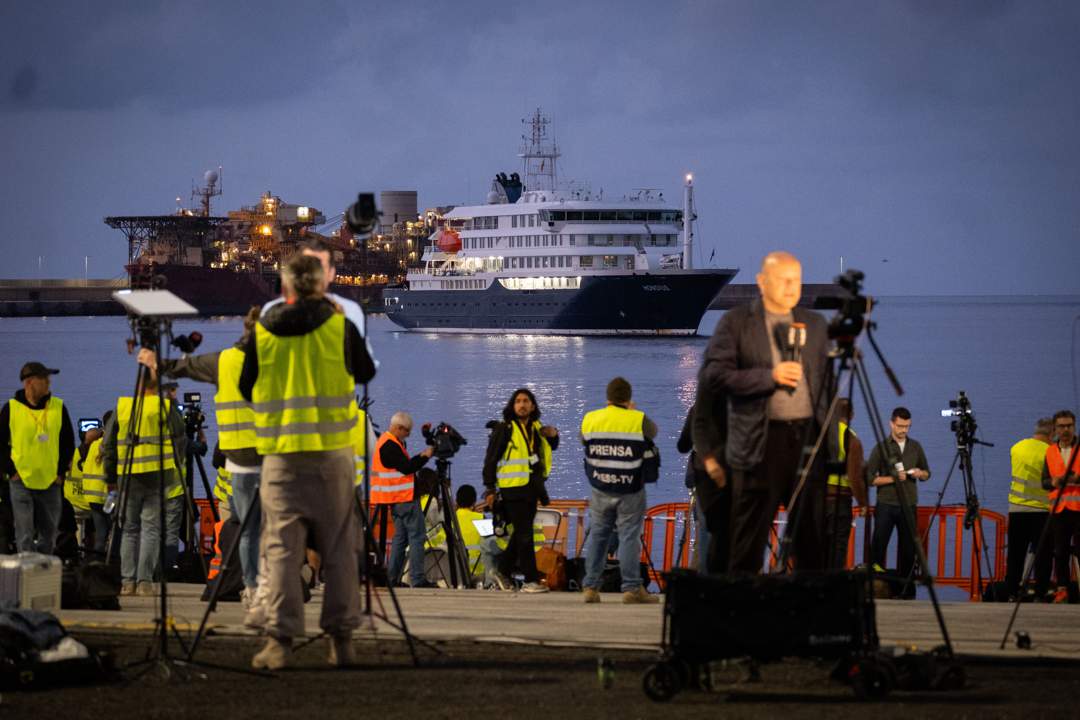
The Spanish government assisted the effort by establishing a safe zone on the island of Tenerife for passengers to disembark before being repatriated under quarantine.
Expert Perspectives and Future Risks
Despite the containment, some infectious-disease experts expressed concern that the international travel of contacts could have triggered localized pockets of disease, with some arguing the virus has "pandemic potential."
WHO medical officer Dr. Diana Rojas Alvarez stated that while this specific outbreak no longer poses a risk, Andes virus and other hantaviruses are still a public health threat for South America, and some other endemic areas
.
Director-General Tedros Adhanom Ghebreyesus emphasized the necessity of global cooperation, stating:
"The outbreaks of hantavirus, Ebola and Marburg all show why there is no alternative to international cooperation in the face of international threats. No country alone can fight."
Tedros Adhanom Ghebreyesus, WHO Director-General, via Live Science
What happens next: The WHO is coordinating a study involving 21 countries to analyze how the Andes virus develops and to improve the creation of diagnostics, therapeutics, and vaccines. Additionally, the WHO is urging member states to finalize the Pandemic Agreement later this month to ensure the framework becomes operational for future emergencies.
How significant is this development?
Contribute your assessment to the aggregated reader intelligence ledger.
Archypedia is dedicated to independent, evidence-backed reporting. This briefing was synthesized from primary source reporting, corroborated across independent newsrooms, and verified against our Editorial Standards.
Transparency record
Evidence behind this report
This report synthesizes 9 distinct sources. Open the source ledger below to compare the underlying coverage.
- modernghana.com
- who.int
- livescience.com
- channelnewsasia.com
- news24.com
- yahoo.com
- bbc.com
- aljazeera.com
- globalnews.ca
Prepared under the Archypedia Editorial Policy by the Lina Park editorial desk profile. AI-assisted tools may support drafting and verification; public accountability remains with Archypedia. Report an error.