Honeybee queens offload pesticides into eggs to survive toxin exposure
New research reveals that honeybee queens protect themselves from chronic pesticide exposure by offloading toxins into their eggs, potentially threatening the long-term stability of the colony.
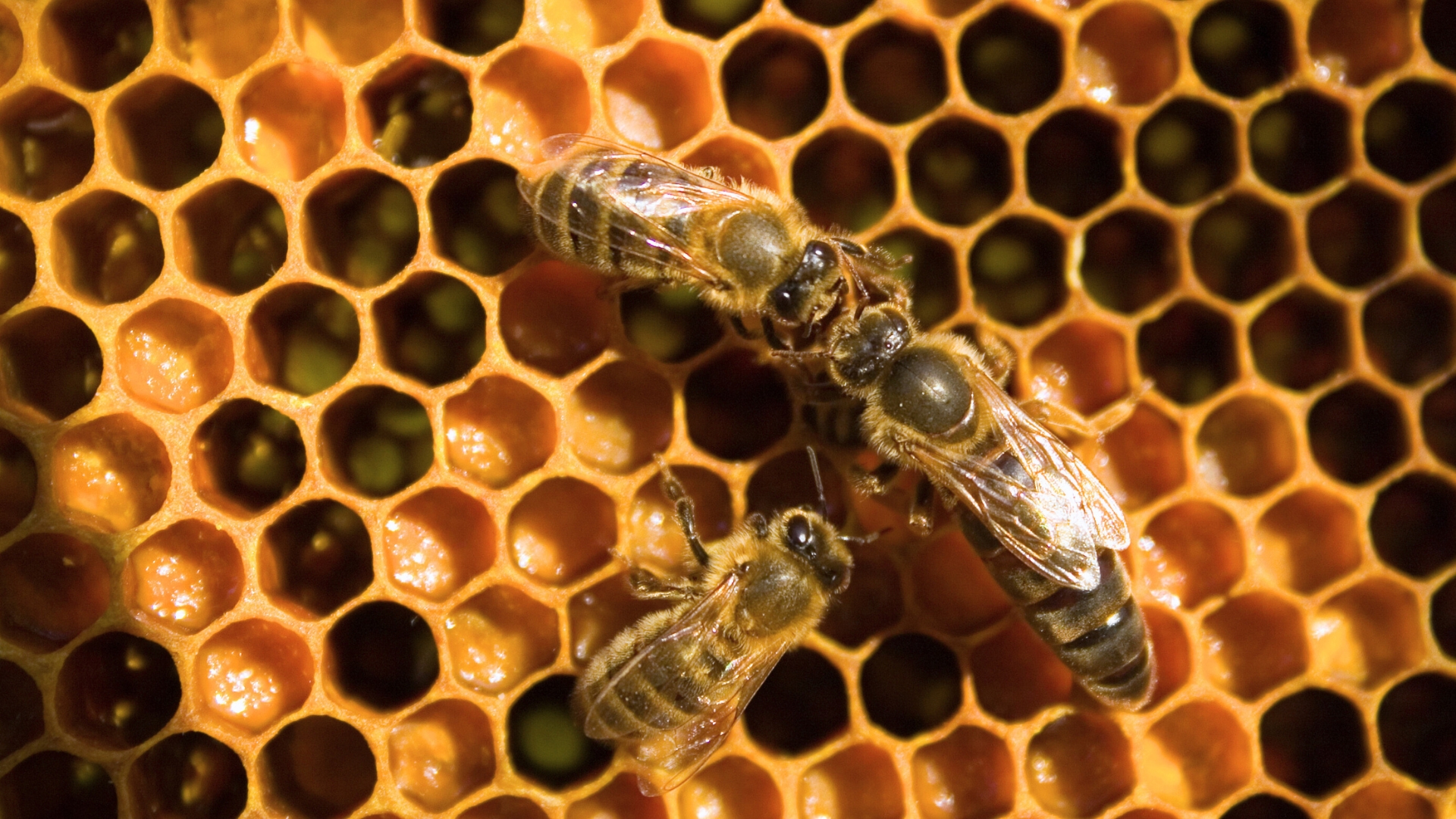
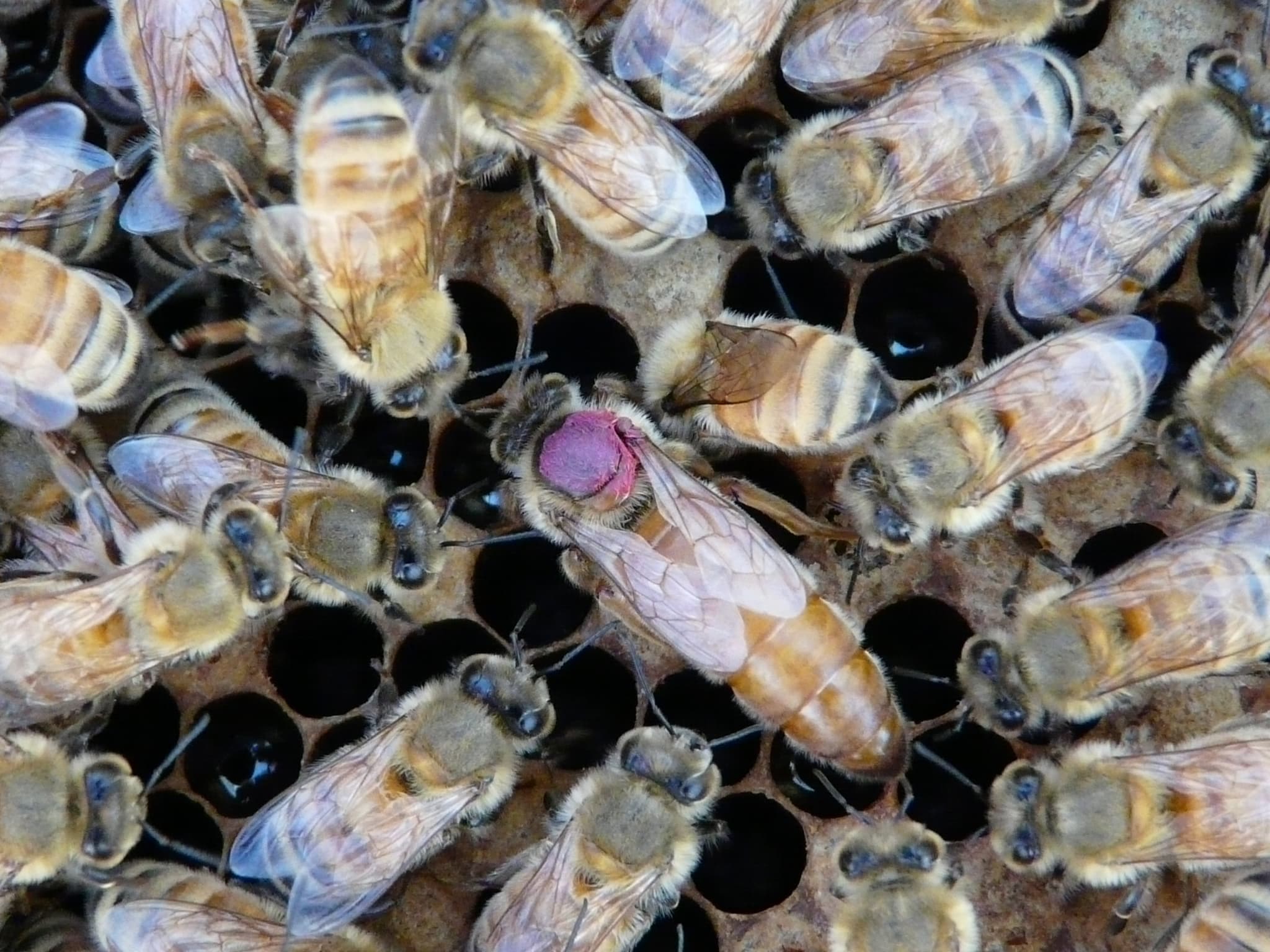
Honeybee queens are actively shunting toxic chemicals into their eggs to survive chronic pesticide exposure, according to research published in the journal Current Biology. This process, known as maternal offloading, reveals a previously undocumented biological defense mechanism that may explain how chemical residues linger within a hive long after initial contamination.
For decades, scientists believed that worker bees acted as a biological filter, processing and detoxifying food before delivering it to the queen. This social buffering system was thought to insulate the queen and her developing brood from environmental toxins. However, new experimental evidence led by the University of California, Davis, suggests that when this worker-led filtration is overwhelmed, the queen herself becomes a source of colony-wide contamination.
Related media
The Limits of Social Buffering
Researchers created "nanocolonies" — contained environments featuring a single queen and 60 worker bees — to track the movement of the pesticide methyl parathion. By using a radioactive marker to trace the substance, the team observed that worker bees initially filtered out 95% of the toxin. By day 10, however, that protective capacity dropped to 86%. As the worker filtration system strained, the internal chemical burden shifted.
"When pesticides accumulate to the extent that the queen bee has eggs that are so loaded they may no longer develop properly, there could be a tipping point. There may be a slow creeping effect of chemical accumulation that will contribute to delayed colony collapse."
Sascha Nicklisch, associate professor in the Department of Environmental Toxicology, via UC Davis
The study found that queens began depositing pesticides into their eggs at concentrations five to ten times higher than the levels found within their own bodies. While this maneuver allows the queen to purge toxic substances from her own system, it creates a significant risk for the next generation of workers.
Reproductive Disruption
Beyond the mechanisms of offloading, other research highlights how specific pesticides quietly disrupt reproductive functions. A study published in Insects examined the neonicotinoid thiamethoxam, finding that even sublethal doses impair the development of queen and drone larvae. Exposure alters crucial hormones, including ecdysone and juvenile hormone, which govern growth and metamorphosis. Consequently, these reproductive bees show lower pupation rates and physical deformities, threatening the long-term genetic stability of the hive.
A separate study in PLOS ONE found that exposure to insect growth disruptors can alter ovarian protein expression in queens. While some chemicals caused minor decreases in daily egg-laying rates, others, such as pyriproxyfen, actually increased hatching rates in certain tests, though researchers warned this could be an unpredictable stress response rather than a sign of health.
A Broader Threat to Pollinators
The cumulative effect of these exposures is a central concern for agricultural sustainability. Because honeybees pollinate approximately one-third of the world’s food crops, any decline in colony reproductive success poses a risk to global food security. Recent studies suggest that safety assessments for new pesticides often focus on lethal contact doses, overlooking the quiet, chronic impacts on internal reproductive machinery.
What to Watch Next
As researchers continue to examine the long-term impacts of chemical exposure on reproductive health, the following areas remain critical for observation:
- Developmental Viability: Future research will focus on whether pesticide-laden eggs survive to adulthood or if maternal offloading results in immediate larval mortality.
- Chemical Diversity: The current study on maternal offloading utilized methyl parathion; scientists are now working to determine if queens react identically to different classes of agrochemicals.
- Integrated Pest Management: Agricultural planners are weighing these findings against current pest control practices, specifically whether to limit pesticide application during peak foraging or brood-rearing seasons.
- Colony-Level Consequences: Researchers intend to move beyond nanocolony experiments to verify if these behaviors persist in full-sized field hives under variable environmental stressors.
The discovery that the hive's final line of defense, the queen, is essentially passing a toxic legacy to the next generation suggests that the current metrics used to monitor bee health may be significantly underestimating the true threat of agricultural chemicals.
How significant is this development?
Contribute your assessment to the aggregated reader intelligence ledger.
Archypedia is dedicated to independent, evidence-backed reporting. This briefing was synthesized from primary source reporting, corroborated across independent newsrooms, and verified against our Editorial Standards.
Transparency record
Evidence behind this report
This report synthesizes 6 distinct sources. Open the source ledger below to compare the underlying coverage.
Prepared under the Archypedia Editorial Policy by the Lina Park editorial desk profile. AI-assisted tools may support drafting and verification; public accountability remains with Archypedia. Report an error.