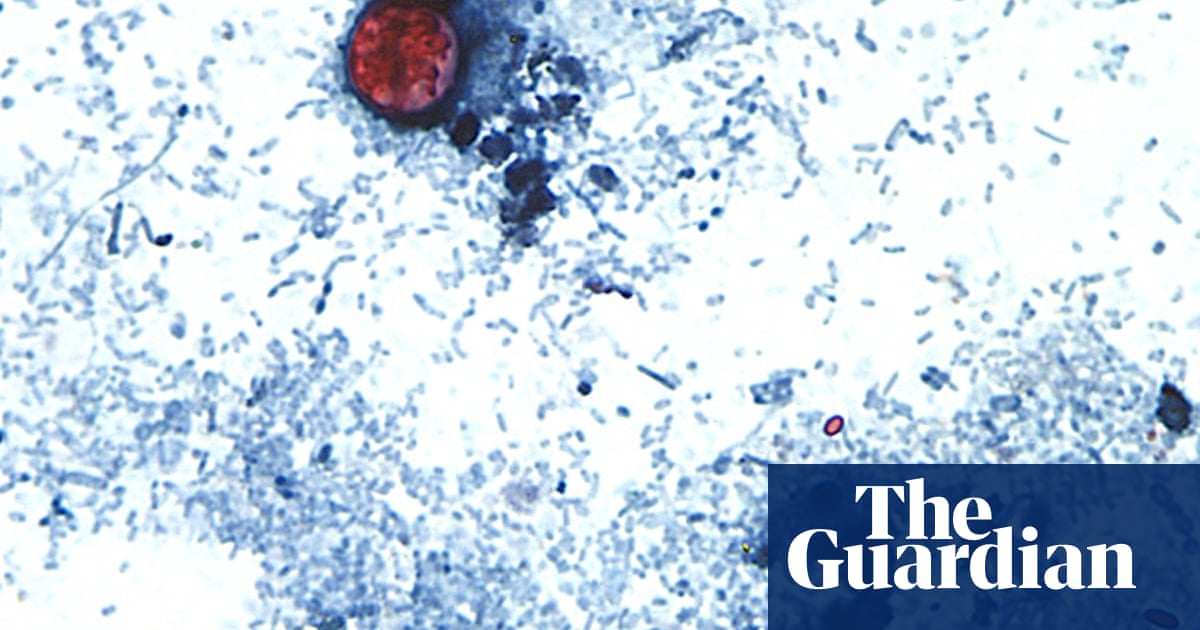
CDC investigates 145 cases of Cyclospora parasite infection across 17 states
Federal health officials are tracking a surge in Cyclospora infections linked to contaminated produce, with localized clusters emerging in Michigan.

Federal health officials are working to track the origin of a microscopic parasite that has triggered a wave of gastrointestinal illness across the United States. As of mid-June 2026, the Centers for Disease Control and Prevention (CDC) is investigating reports of 145 cases of cyclosporiasis across 17 states. These infections, acquired domestically, were identified between 1 May 2026 and 16 June 2026.
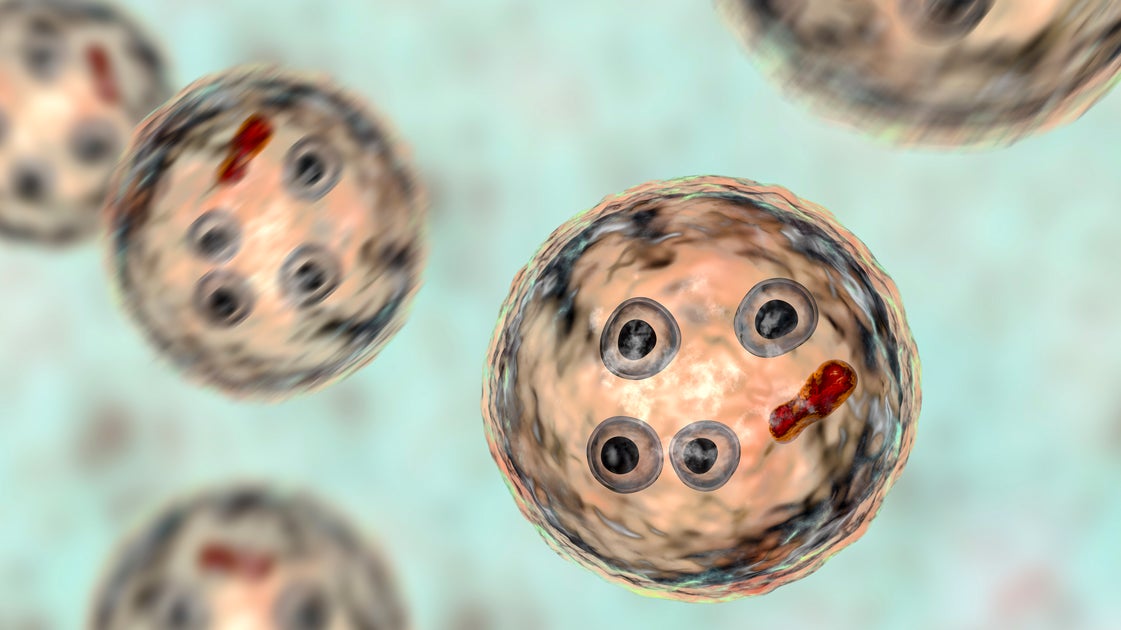
The infection is caused by the microscopic parasite Cyclospora cayetanensis. According to the CDC, the hallmark symptom is watery, often "explosive" diarrhea that can persist for weeks or months if not addressed with appropriate medical intervention. While the illness is not typically life-threatening, it has resulted in 20 hospitalizations among the 145 confirmed cases. No deaths have been reported to date.
Related media


A Seasonal Surge
The rise in cases coincides with the established health season for the parasite, which spans from 1 May through 31 August. During these warmer months, the parasite — which thrives in tropical and subtropical regions — is frequently linked to fresh, raw produce that has been contaminated with human feces. The parasite requires one to two weeks outside of a human body to become infectious, making direct person-to-person transmission unlikely. Instead, individuals typically become ill after consuming contaminated food or water.
The demographics of the current outbreak show a median age of 42, with patients ranging from 5 to 86 years old. Women account for 61% of the reported cases. Beyond the 145 domestic cases, the CDC has also tracked 45 separate instances of the illness among individuals who traveled abroad before becoming symptomatic.
Investigation and Regional Clusters
While the CDC, alongside the Food and Drug Administration (FDA) and state authorities, is actively investigating, officials have stated there is currently no evidence of a single, nationwide outbreak connecting all 145 cases. The ongoing search for a common source has proven difficult, as investigators examine whether multiple, unrelated contaminated food supplies may be entering the country.
The situation in Michigan has drawn particular attention from public health officials. Since 22 June 2026, Michigan has reported more than 170 cases of cyclosporiasis across seven counties: Monroe, Lenawee, Washtenaw, Wayne, Livingston, Shiawassee, and Jackson. This figure, which has climbed rapidly in recent days, significantly exceeds the state's typical annual count of approximately 50 cases. It remains unclear whether this regional spike is linked to the broader national investigation or stems from a separate, localized source.
Prevention and Clinical Challenges
Detecting the parasite presents a clinical hurdle. Dr. Bobbi Pritt, chair of the Division of Clinical Microbiology at the Mayo Clinic, noted that Cyclospora is not identified through standard stool tests. It requires specific diagnostic staining that may not be included in routine gastrointestinal testing, meaning the true number of infections is likely higher than the official count.
Prevention relies heavily on food safety, as chemical disinfection is largely ineffective against the organism. Experts emphasize the following recommendations:
- Wash hands thoroughly before and after handling raw produce.
- Scrub firm produce, such as melons and cucumbers, with a brush under running water.
- Recognize that while washing reduces risk, cooking is the only reliable method to kill the parasite.
Patients who experience symptoms, including persistent diarrhea, loss of appetite, stomach cramps, bloating, nausea, or low-grade fever, are urged by the CDC to contact a healthcare provider. While many individuals with healthy immune systems may recover without intervention, the infection often requires a course of antibiotics to resolve and prevent relapses.
What to Watch Next
| Metric | Status |
|---|---|
| Reported Cases (Nationwide) | 145 (as of 16 June) |
| Michigan Localized Cases | 170+ (as of 1 July) |
| Hospitalizations | 20 |
| Common Symptoms | Explosive diarrhea, cramping, fatigue |
| Investigation Status | Ongoing (No single source identified) |
Health authorities continue to monitor surveillance data. As the peak summer season progresses, medical professionals have been advised to consider cyclosporiasis when evaluating patients with prolonged gastrointestinal distress. For now, the source of contamination remains unknown, and investigations into potential produce links are continuing across all affected states.
How significant is this development?
Contribute your assessment to the aggregated reader intelligence ledger.
Archypedia is dedicated to independent, evidence-backed reporting. This briefing was synthesized from primary source reporting, corroborated across independent newsrooms, and verified against our Editorial Standards.
Transparency record
Evidence behind this report
This report synthesizes 8 distinct sources. Open the source ledger below to compare the underlying coverage.
Prepared under the Archypedia Editorial Policy by the Lina Park editorial desk profile. AI-assisted tools may support drafting and verification; public accountability remains with Archypedia. Report an error.