Poultry precautions urged as bird flu threat spreads
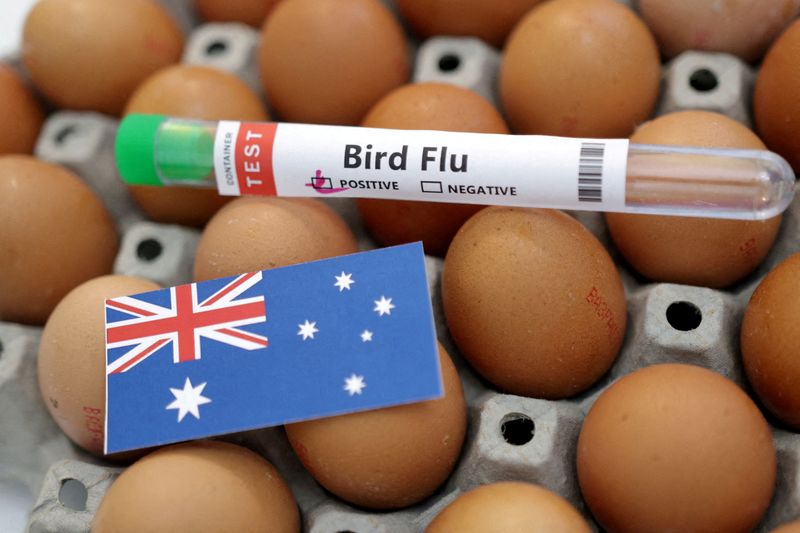
Agricultural authorities are urging poultry producers to upgrade biosecurity as the highly pathogenic H5N1 virus reaches Australia's east coast and continues to devastate US farms.

Agricultural and health authorities are issuing urgent warnings to poultry producers and backyard flock owners as the highly pathogenic avian influenza (HPAI) H5N1 virus continues to spread across the United States and into Australia. The threat has escalated following detections in migratory birds and commercial operations, prompting recommendations for immediate biosecurity upgrades and, in some regions, the temporary housing of free-range birds.
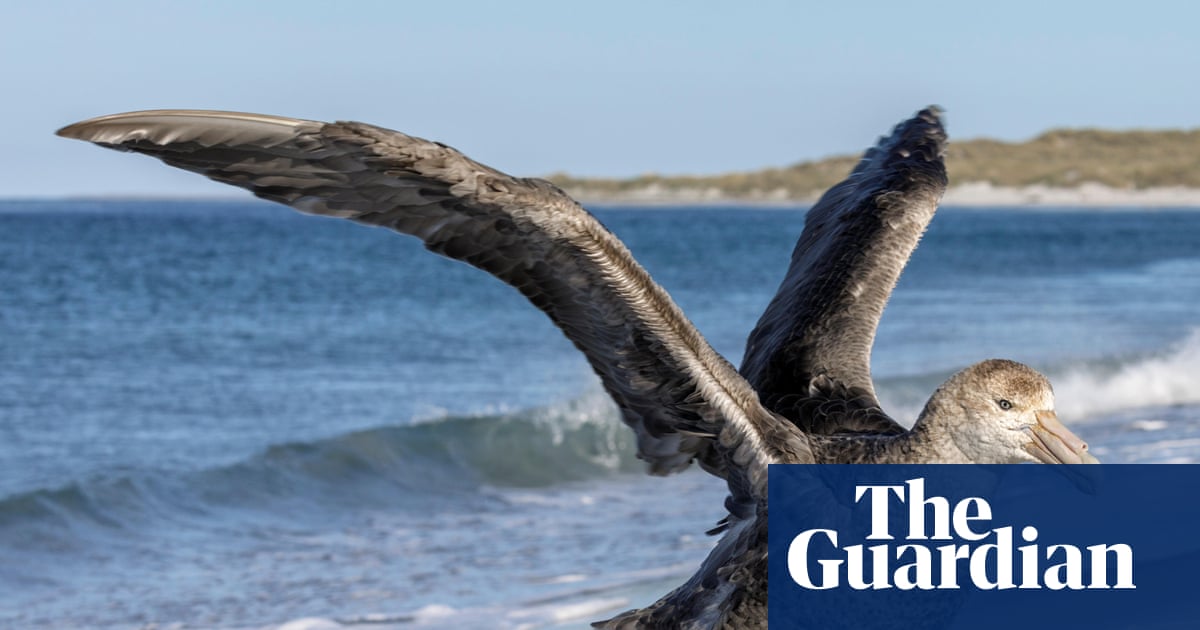
In Australia, a suspected case of H5N1 in a migratory bird in Hawks Nest, on the New South Wales Mid-North Coast, suggests the virus has reached the east coast. This follows five confirmed cases in South Australia and Western Australia, where the strain was first detected on the mainland on June 14 in a brown skua in Esperance. According to the Canberra Times, Australia's technical body for animal health emergencies has suggested commercial producers keep free-range birds indoors for two weeks while the threat is assessed.
Related media
Sam Hamilton, acting chief veterinary officer and acting chair of the Consultative Committee on Emergency Animal Diseases, stated that this is a non-mandatory recommendation and depends on state endorsement and animal welfare practicality. While detections have been limited to migratory seabirds, Mater Health Services director of infectious diseases Paul Griffin told the Canberra Times it is only a matter of time
before more cases are detected in other states.
Heidi Drummer, scientific director for research translation at the Burnet Institute, noted that while the NSW case is significant, there is no reason to panic, as detection in wild birds does not necessarily mean the virus has entered commercial poultry. However, Emma Grant of La Trobe University's Institute for Molecular Science warned that the virus could spread quickly and its impact on Australian wildlife is yet to be seen.
The Cost of Contamination
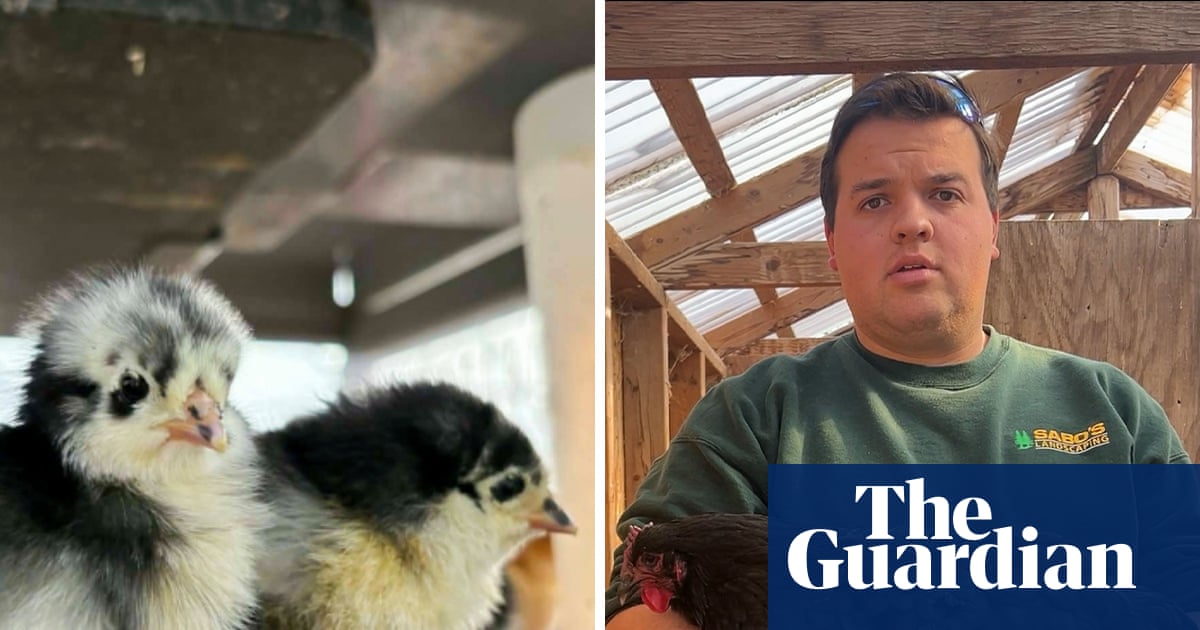
The financial and emotional toll on farmers is severe. In the U.S., a single positive case typically requires the mandatory depopulation of an entire flock. Joshua Beebe, owner of Tardif Poultry Farm in Connecticut, experienced the devastation of losing 5,000 birds in mid-2024 after state-mandated testing found salmonella. According to The Guardian, Beebe spent close to $50,000 repopulating his farm and was ineligible for USDA indemnity payments because the depopulation was deemed voluntary.
The scale of the H5N1 outbreak is immense. The virus affected more than 174 million commercial birds in the U.S. Since 2022.
Transmission Vectors and Biosecurity
The virus is primarily introduced to domestic poultry via wild birds. Even a single gram of bird droppings can contain billions of viral particles, a detail noted by virologist Ilaria Capua in The Guardian.
Maurice Pitesky, a poultry specialist at UC Davis, told UC ANR that the virus can linger in air, soil, and water long after migratory waterfowl have left. He recommends that owners assess wildlife habitats within their neighborhoods, such as nearby ponds, as outbreaks often occur three to 10 days after spikes in waterfowl abundance within 2.5 miles of a farm.
Essential biosecurity measures include:
- Strict Access: Limiting entry to essential personnel and using designated footwear and laundered clothing for each station.
- Wildlife Deterrents: Using netting, reflective ribbons, and fake owls to keep wild birds away from feed and water.
- Sanitation: Scrubbing truck tires and disinfecting shared equipment.
- Quarantine: Isolating new birds for 21 to 35 days upon arrival.
- Pest Control: Keeping rodents away from feed sources, as mice and rats can spread the disease.
Signs of infection include sudden death, lack of energy, swelling of the eyelids, comb, and wattles, purple discoloration, and respiratory issues such as coughing or sneezing.
Human Health and Pandemic Risk
While the risk to the general public remains low, health officials are monitoring the potential for human-to-human transmission. Since February 2024, there have been 71 confirmed human cases in the U.S., according to the CDC, as cited by The Guardian. Yahoo News reports that the CDC recently recorded the first human death from bird flu in Louisiana.
Regional Responses and Next Steps
In New York, Bellevue Hospital is utilizing $2 million in federal funding to shore up PPE stockpiles and conduct pandemic simulation exercises. On Long Island, one commercial farm recently began euthanizing 100,000 ducks following the detection of the virus.
The nationwide response in the U.S. Is currently in a state of limbo following President Donald Trump's return to the White House and his signals to disband the Office of Pandemic Preparedness and Response Policy. The Trump administration has also instructed federal health agencies to pause all external communications.
What to watch next:
- Confirmation of the suspected H5N1 case in New South Wales, Australia, expected over the coming weekend.
- Potential changes to federal health agency coordination and the status of the Office of Pandemic Preparedness and Response Policy under the current U.S. Administration.
How significant is this development?
Contribute your assessment to the aggregated reader intelligence ledger.
Archypedia is dedicated to independent, evidence-backed reporting. This briefing was synthesized from primary source reporting, corroborated across independent newsrooms, and verified against our Editorial Standards.
Transparency record
Evidence behind this report
This report synthesizes 10 distinct sources. Open the source ledger below to compare the underlying coverage.
- canberratimes.com.au
- theguardian.com
- ucanr.edu
- foodanimalconcernstrust.org
- yahoo.com
- poultryproducer.com
- agrinews-pubs.com
- extension.purdue.edu
- agr.wa.gov
- agriculture.delaware.gov
Prepared under the Archypedia Editorial Policy by the Lina Park editorial desk profile. AI-assisted tools may support drafting and verification; public accountability remains with Archypedia. Report an error.