DR Congo Ebola outbreak kills 438 as virus spreads to new provinces
A widening Ebola outbreak in the Democratic Republic of Congo has reached 1,406 cases, spreading from Ituri province to urban hubs like Kisangani.
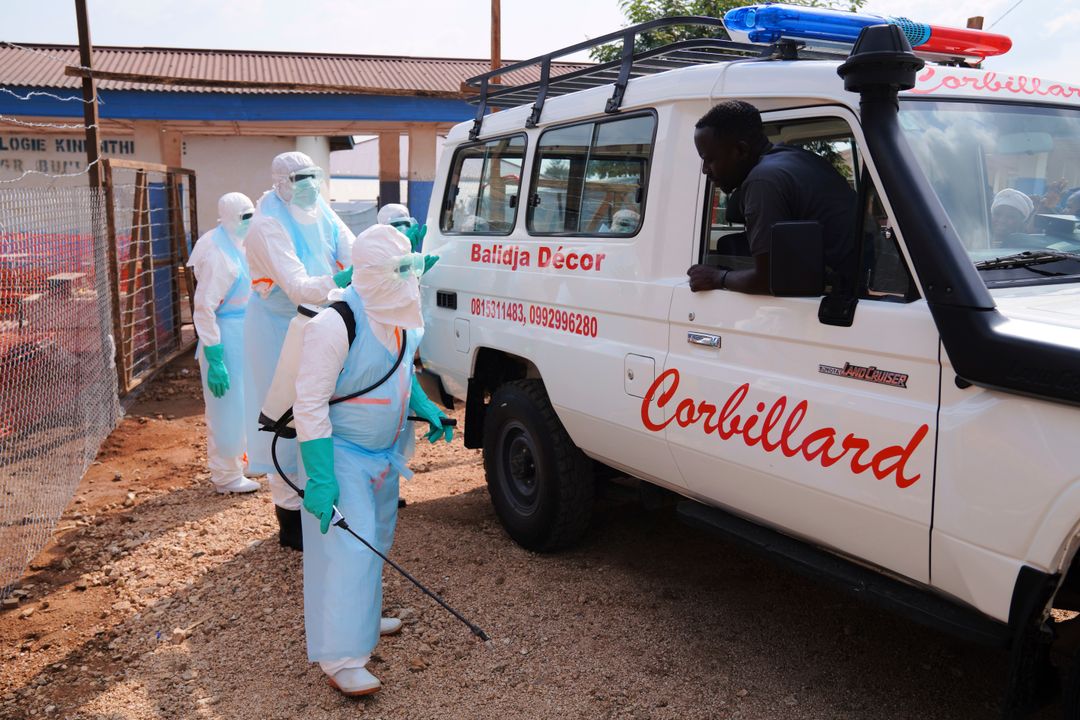
As of Saturday, 4 July 2026, the Democratic Republic of Congo (DRC) is grappling with a widening Ebola epidemic that has claimed 438 lives out of 1,406 confirmed cases. The outbreak, which was officially declared on 15 May, has seen the virus spread from its primary epicentre in Ituri province into the surrounding regions of North Kivu, South Kivu, Tshopo, and Haut-Uele. The National Institute of Public Health (INSP) reports a fatality rate of just over 31 percent. Officials continue to classify cases in Tshopo and Haut-Uele as imported from Ituri, though the presence of multiple identified contacts in these regions indicates broader movement of the pathogen.
Escalation in Kisangani and Border Risks
The geographic reach of the outbreak expanded significantly with the identification of a fatal case in the city of Kisangani, the capital of Tshopo province. A 24-year-old pregnant woman tested positive for the virus after her body was secretly transported by motorcycle from the health zone of Nia Nia in Ituri. Kisangani, a major urban hub with 1.5 million residents, lies nearly 600 kilometres from the epicentre. Because the body of a deceased Ebola victim remains highly infectious, health authorities have warned that such clandestine transport facilitates community transmission, particularly if burial rites involve physical contact with the deceased.
Related media


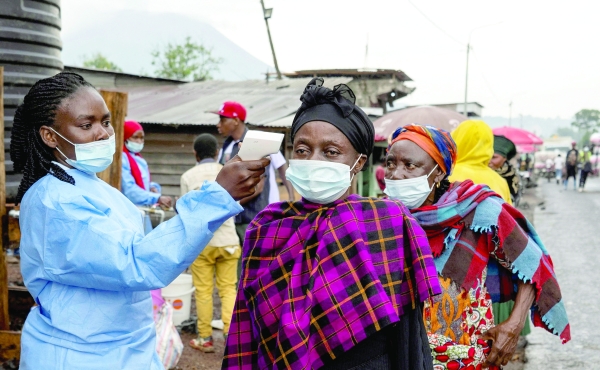
The province borders South Sudan and Uganda, which have reported 20 cases, including two deaths. Despite these regional developments, South African President Cyril Ramaphosa, during an official visit to Kinshasa on Thursday, urged the international community not to isolate the DRC, emphasizing the importance of continued cooperation. Congolese President Félix Tshisekedi maintained that epidemics do not recognise borders
.
Clinical Hurdles and Research Trials
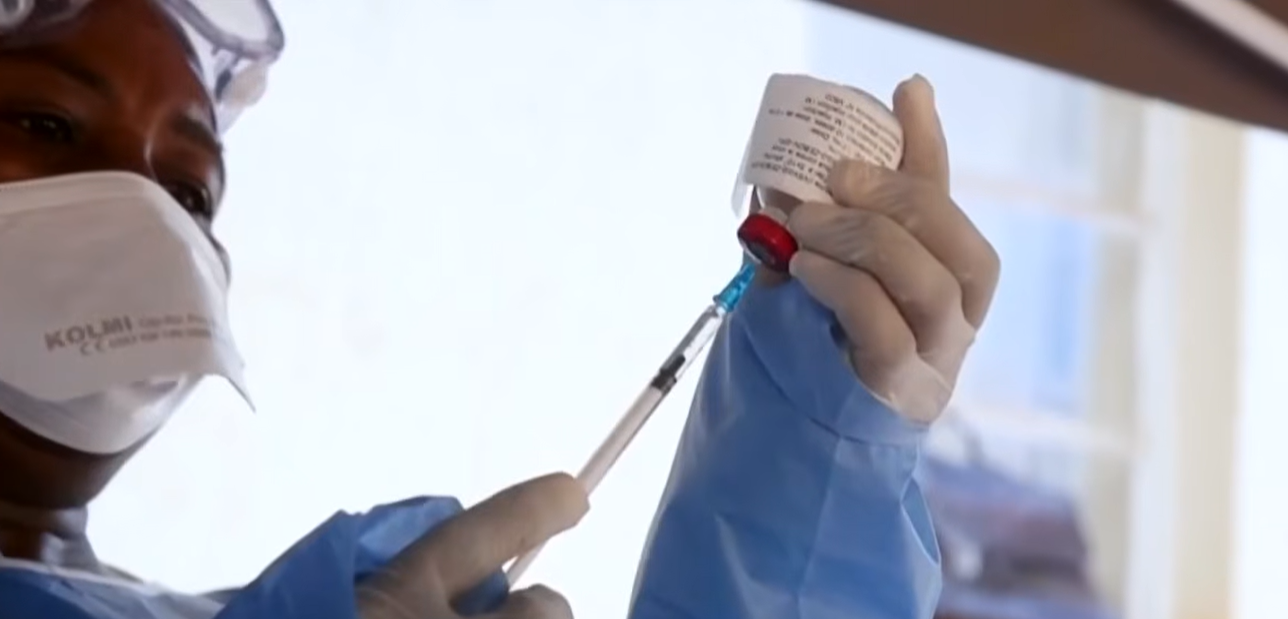
The current crisis is driven by the Bundibugyo strain of the Ebola virus. Unlike other strains, the Bundibugyo variant currently lacks approved interventions. Clinicians are instead restricted to providing supportive care. On Thursday, the World Health Organization confirmed that clinical trials have begun for two potential treatments: the monoclonal antibody MBP134 and the antiviral drug remdesivir. Experts caution that obtaining definitive efficacy results from these field trials will likely take several months. While South African President Cyril Ramaphosa expressed hope for a vaccine by the end of the year, the rarity of this specific strain has historically limited investment from pharmaceutical companies.
Security and Social Challenges
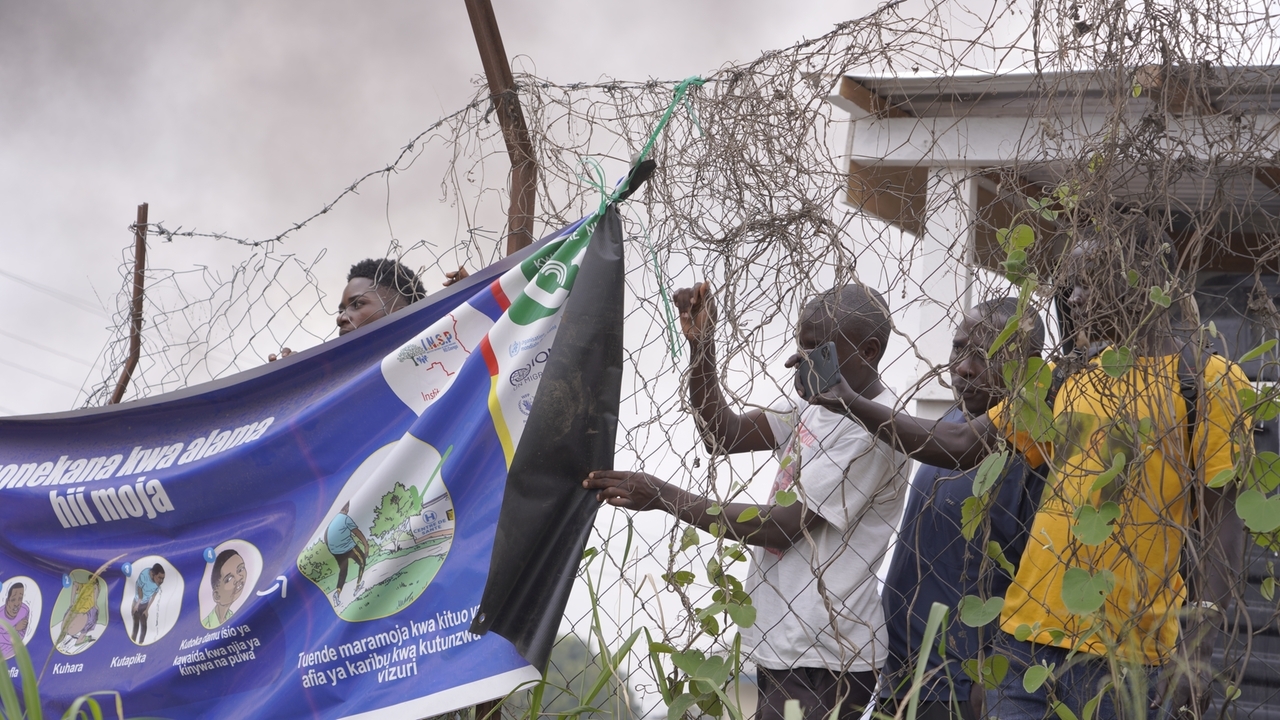
Response efforts are severely hampered by the volatile security environment in eastern DRC, where various armed groups operate. This instability complicates efforts to track the disease or provide care in remote areas. Furthermore, health workers face persistent mistrust from local populations. On Wednesday, an Ebola health centre in the health zone of Nia Nia was destroyed by fire after protesters clashed with police. The incident led to the escape of seven suspected patients and resulted in the death of a police officer, with two young people suffering serious injuries. The protesters, who sought to retrieve bodies for traditional burials, reportedly viewed the disease as a business or a fabrication.
The United States Centers for Disease Control and Prevention currently has approximately 400 personnel involved in the response, with more than 120 deployed to the affected region. While the WHO assesses the global transmission risk as low, the internal situation remains categorized as very high. The difficulty in maintaining contact tracing remains a primary obstacle for containment teams striving to reach the WHO-recommended threshold for outbreak control.
How significant is this development?
Contribute your assessment to the aggregated reader intelligence ledger.
Archypedia is dedicated to independent, evidence-backed reporting. This briefing was synthesized from primary source reporting, corroborated across independent newsrooms, and verified against our Editorial Standards.
Transparency record
Evidence behind this report
This report synthesizes 7 distinct sources. Open the source ledger below to compare the underlying coverage.
Prepared under the Archypedia Editorial Policy by the Lina Park editorial desk profile. AI-assisted tools may support drafting and verification; public accountability remains with Archypedia. Report an error.