
Health
DRC Ebola outbreak largest on record, warns WHO
A lack of vaccines for the Bundibugyo strain and widespread fear of isolation have caused prenatal clinic visits to plummet as maternal deaths nearly double in Ituri province.
A lack of vaccines for the Bundibugyo strain and widespread fear of isolation have caused prenatal clinic visits to plummet as maternal deaths nearly double in Ituri province.

The detection of H5N1 in silver gulls and greater crested terns suggests a shift from sporadic migratory arrivals to environmental spread across five states.

New neuroscientific research reveals how mental exhaustion alters human decision-making by mapping the specific brain circuits responsible for turning people away from demanding tasks.

Naturalist and broadcaster Bill Oddie has died at the age of 85, while a new study reveals potential cognitive benefits from time-restricted eating.

New research suggests doubling standard daily protein recommendations to support longevity and muscle health, but experts warn that individual needs vary.

Researchers are testing the ChAdOx BDBV vaccine on 50 volunteers to address the Bundibugyo ebolavirus strain currently spreading in the DRC.

Researchers found that lipoic acid trisulfide (LASSS) helps stabilize hepatocyte growth factor to promote muscle repair in experimental animal models. This discovery occurs amid ongoing regulatory debates regarding the clinical safety and availability of various peptide-based therapies.
In-flight medical emergencies have risen over the last decade, with cabin pressure and oxygen levels posing challenges for passengers.
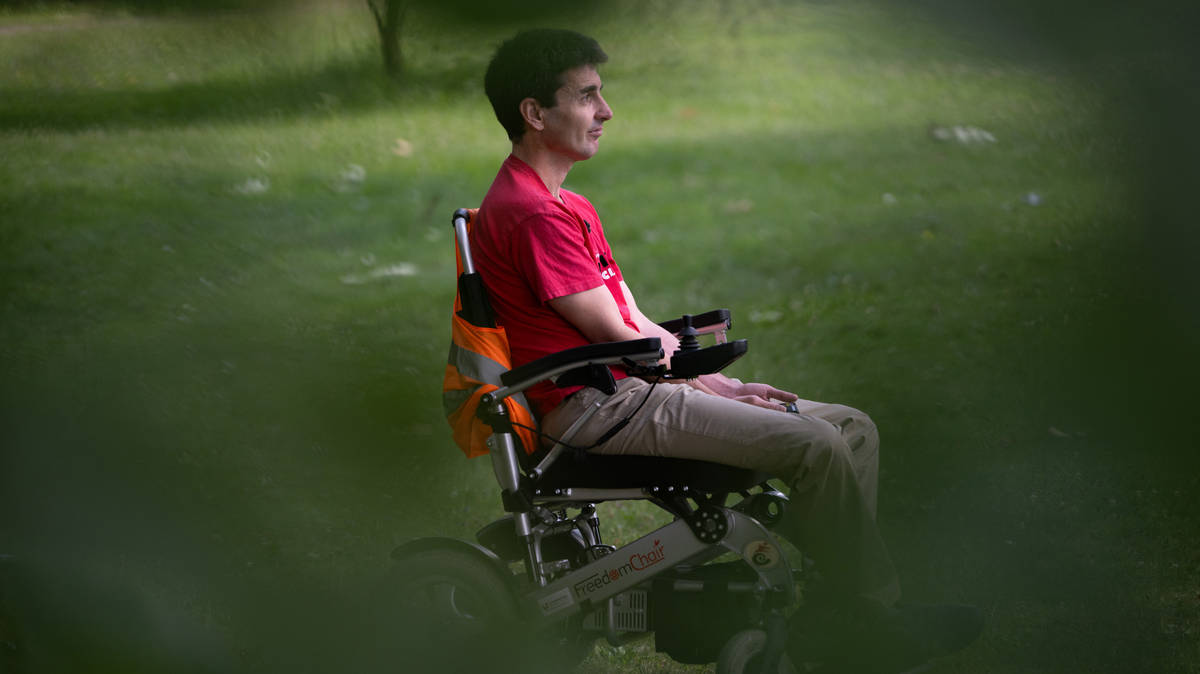
Thousands of multiple sclerosis patients across England can now access fampridine, a twice-daily pill designed to improve mobility and walking.
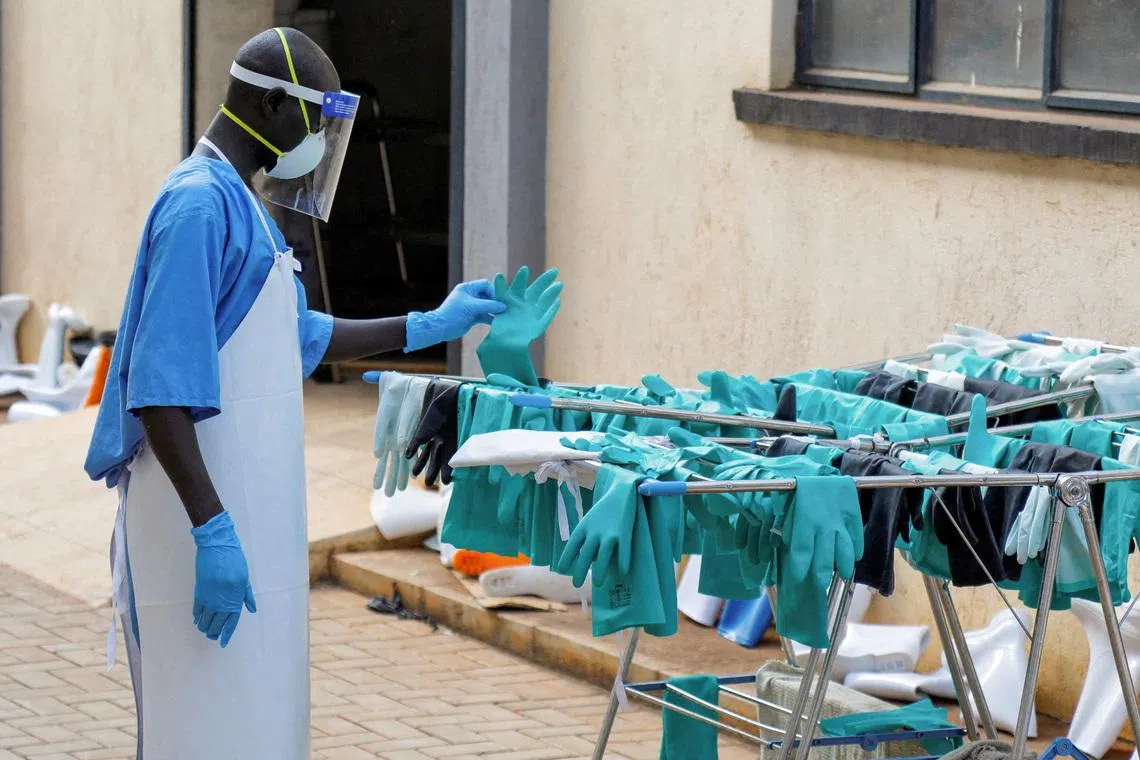
The Ebola outbreak in the Democratic Republic of Congo and Uganda has reached 1,000 fatalities, marking it as the fastest-growing epidemic on record. Efforts to contain the Bundibugyo strain are struggling against regional conflict and widespread community mistrust.

A new American Heart Association scientific statement suggests that moderate coffee consumption is not inherently harmful to heart health for most adults. Researchers emphasize the importance of limiting added sweeteners and considering individual factors like genetics.

New York City health officials have confirmed a fourth fatality linked to an Upper East Side Legionnaires' disease cluster as remediation efforts continue.
Jean Kaseya argues that Uganda no longer warrants travel measures as the country observes a 42-day countdown toward being declared Ebola-free.
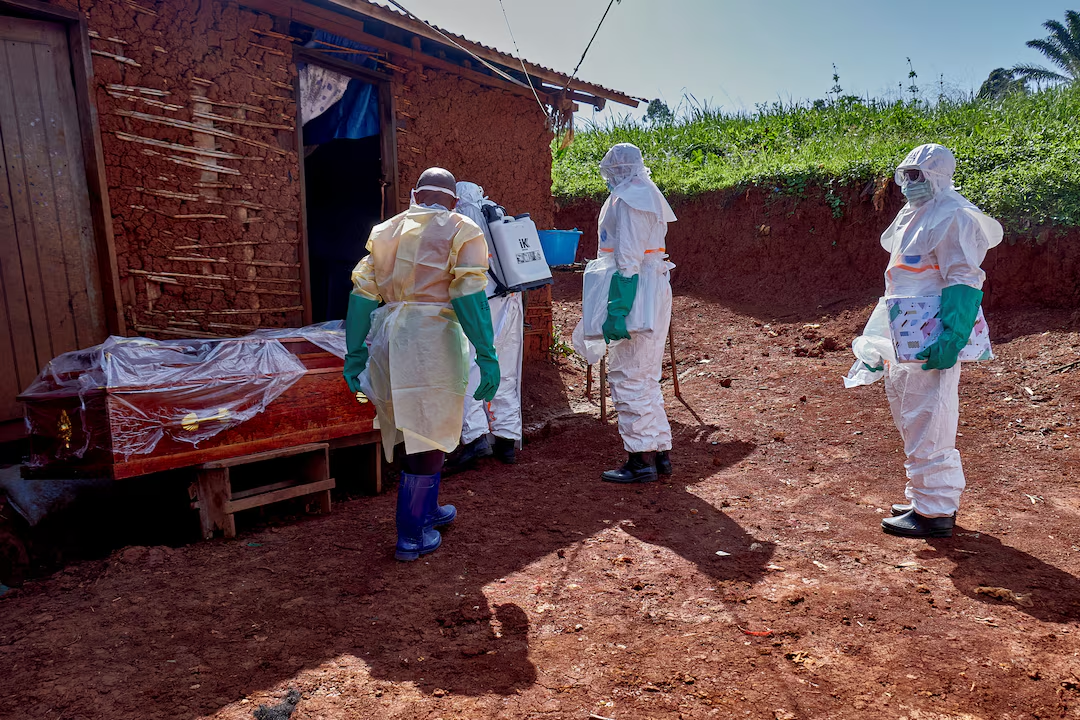
Overcrowding in displacement camps in Ituri has increased Ebola transmission risks, while maternal mortality rates have doubled amid a collapse in healthcare.

A modelling study indicates that a 20 percent tax on sugary drinks could prevent hundreds of thousands of cases of obesity and diabetes in Egypt over 25 years. This measure is positioned as a cost-effective strategy to address the rising burden of non-communicable diseases.
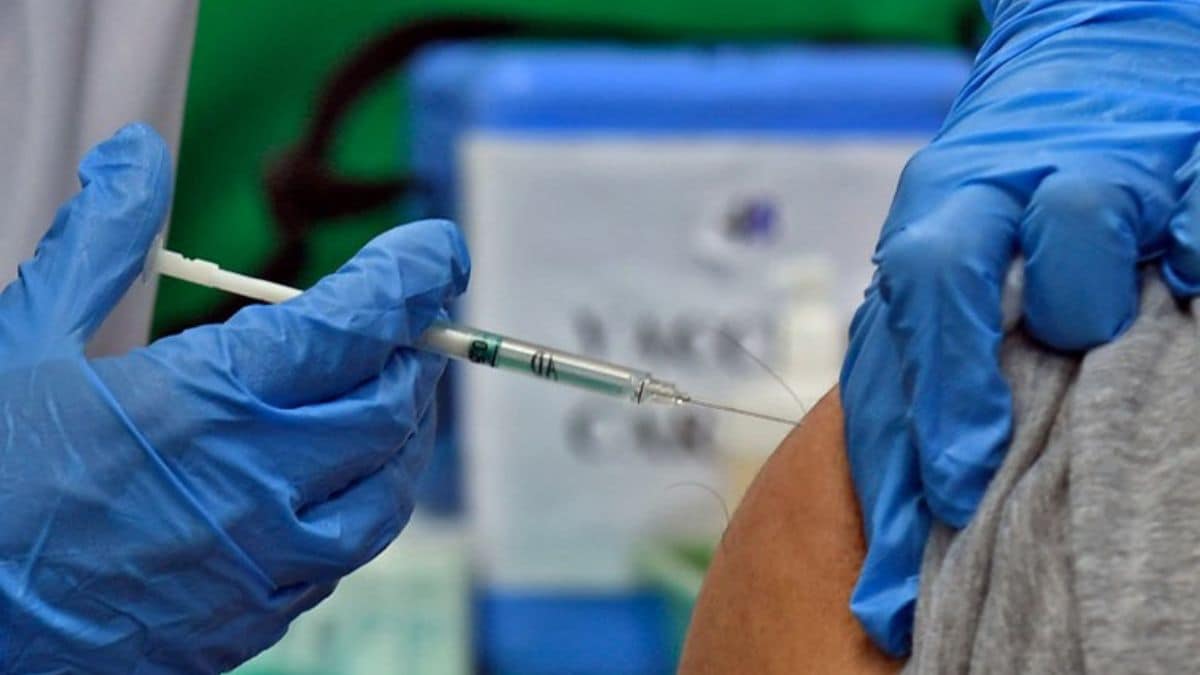
Regulators have authorized Takeda’s Qdenga vaccine for use in India, offering a new two-dose, tetravalent tool to combat the country's dengue challenges.
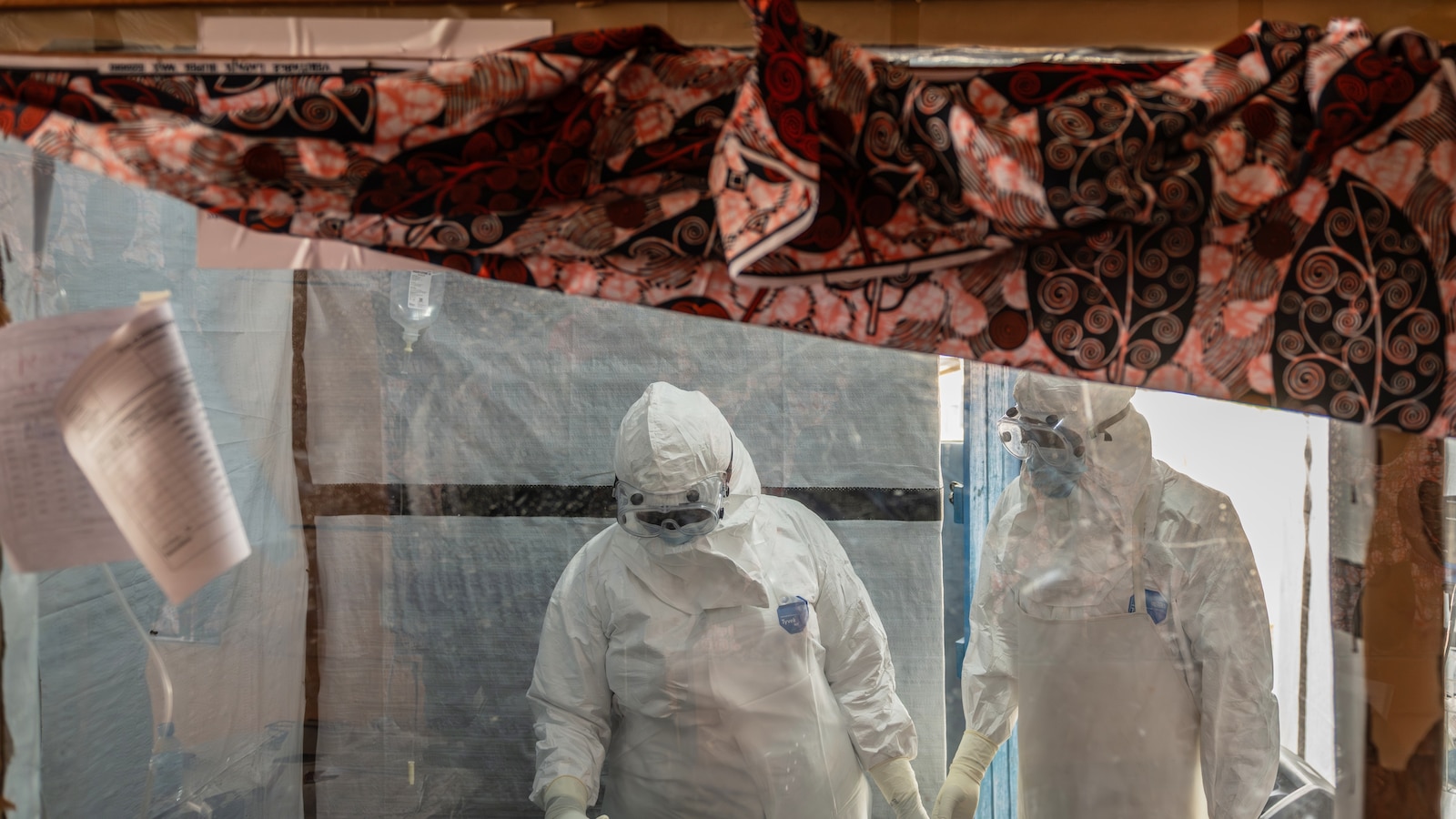
Escalating violence against health workers and medical facilities in the Democratic Republic of the Congo is threatening efforts to contain an Ebola outbreak. The response is further strained by community mistrust, staff strikes, and regional instability.
Researchers found that a blood biomarker could help identify Alzheimer’s risk in cognitively healthy adults, though experts advise against routine screening.
Scientific research is investigating whether adopting a biphasic sleep pattern can help night shift workers manage the health impacts of circadian disruption.

A study in the European Heart Journal reveals a strong link between microplastics in the bloodstream and an increased risk of acute cardiovascular events. Researchers suggest that air pollution and smoking may facilitate the entry of these particles into the body.