India approves Takeda’s Qdenga as the country’s first dengue vaccine
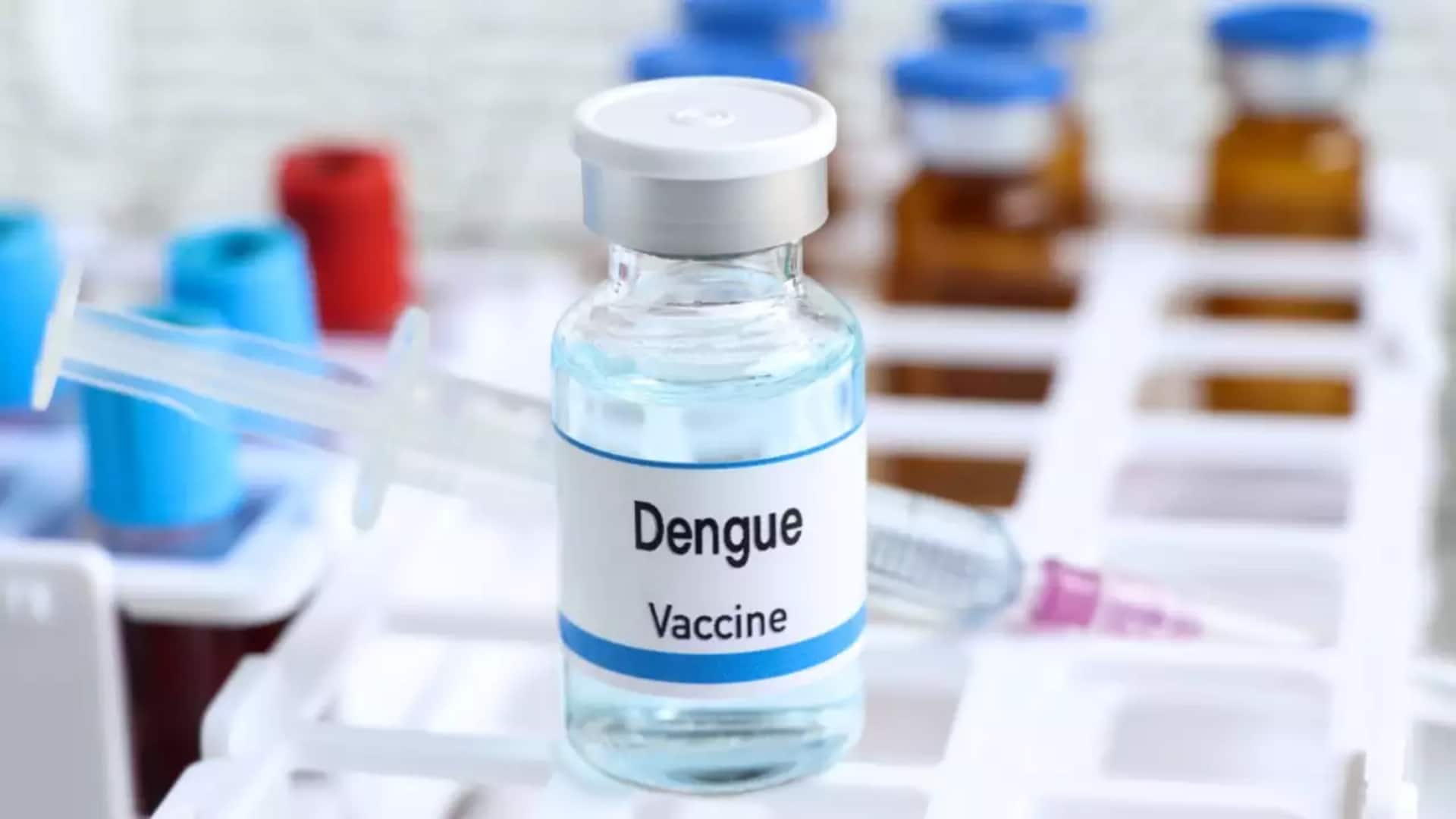
Regulators have authorized Takeda’s Qdenga vaccine for use in India, offering a new two-dose, tetravalent tool to combat the country's dengue challenges.
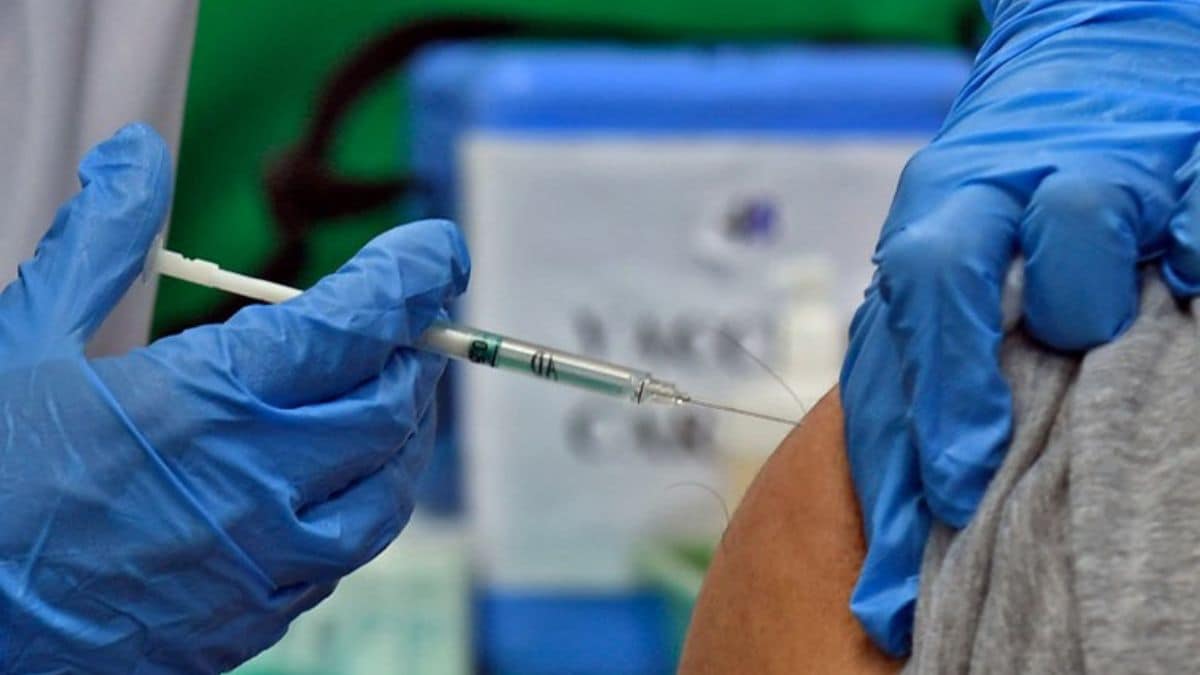
The Drug Controller General of India has granted market authorization for Qdenga, marking the first time a dengue vaccine has been approved for use within the country. This regulatory milestone, granted to Takeda Biopharmaceuticals India under the New Drugs and Clinical Trials Rules, 2019, provides a new tool for addressing a disease that constitutes a substantial public health challenge in India. The nation accounts for nearly one-third of the global dengue burden, a status driven by rapid urbanization, climate-related factors, and the co-circulation of all four virus serotypes.
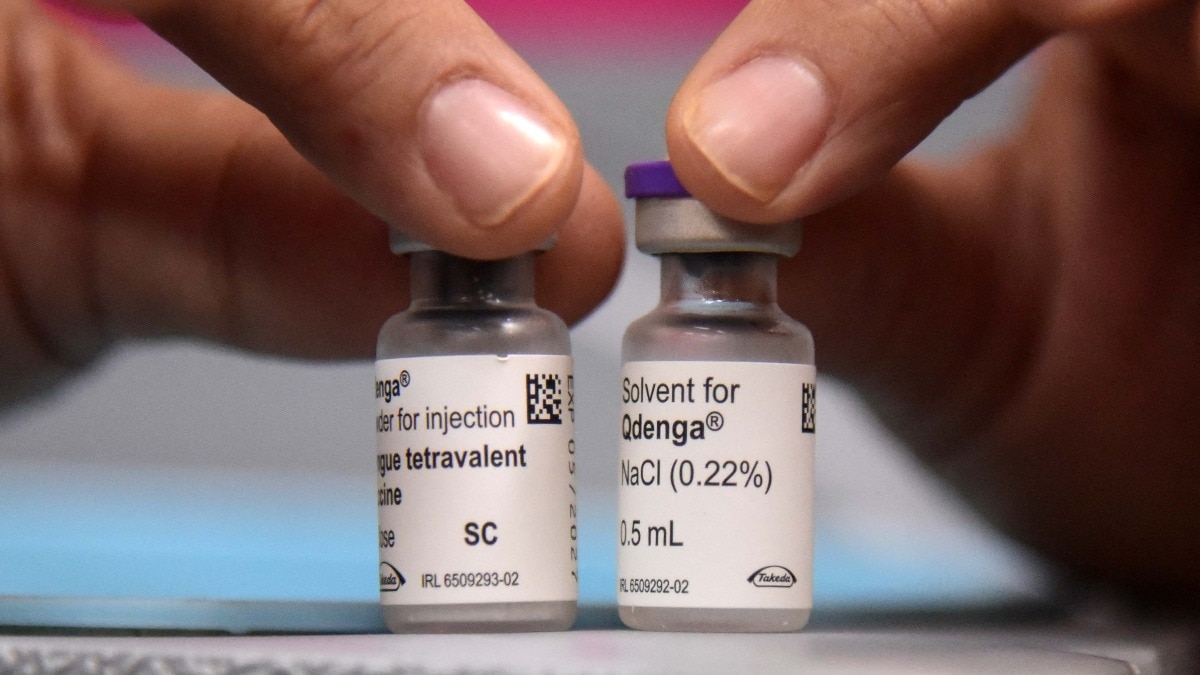
According to the approval guidelines, the vaccine is cleared for individuals aged 4 to 60. A significant component of the administration protocol is that it does not require pre-vaccination testing or screening for prior dengue exposure. This approach aligns with World Health Organization recommendations for endemic settings. Qdenga is a tetravalent, live-attenuated formulation designed to protect against all four circulating serotypes of the dengue virus. It is administered as a 0.5 mL subcutaneous dose, with the second dose given three months after the first.
Related media

Clinical Development and Efficacy
The authorization follows an extensive global clinical development program that involved 19 Phase 1, 2, and 3 clinical trials, encompassing approximately 28,000 participants across both endemic and non-endemic regions. This included the pivotal Phase III TIDES trial, which evaluated the vaccine in more than 20,000 participants over an extended period. Data from this study indicated that two doses of the vaccine provided 84.1% efficacy against dengue-related hospitalizations after 4.5 years of follow-up. Furthermore, at 18 months, the study demonstrated 90.4% efficacy against hospitalization, and 80.2% efficacy against virologically confirmed dengue 12 months following the second dose.
In addition to global data, the approval is supported by a Phase III clinical trial conducted specifically with Indian participants. This study assessed the safety and immunogenicity of the vaccine in healthy adults, adolescents, and children within the target age range. Findings from this trial showed that the vaccine was well-tolerated and immunogenic. Takeda has stated that seven-year follow-up data show continued protection against infection and hospitalization across all four serotypes.
Manufacturing and Distribution
To facilitate local access, Takeda has established a strategic partnership with Biological E. Under this agreement, the manufacturer plans to build capacity to produce 50 million doses annually in India. This effort supports the company’s broader global goal of manufacturing 100 million doses per year by the end of the decade. As of now, the vaccine has been approved in 43 countries, with more than 32 million doses distributed globally since its 2022 launch.
The vaccine has received World Health Organization prequalification, confirming it meets international standards for quality, safety, and efficacy. This prequalification enables eligibility for procurement through agencies such as UNICEF and PAHO. While the approval in India represents a major step, company officials emphasize that the vaccine is intended to function as one element of a comprehensive strategy.
"Dengue is a shared regional challenge that requires collaboration across borders and sectors. Takeda is committed to working with governments, public health authorities, healthcare professionals, and partners across South and Southeast Asia not only to support access to QDENGA, where approved and recommended, but also to strengthen broader dengue prevention efforts, including surveillance, awareness, vector control, and community engagement."
Peter Streibl, General Manager, Southeast Asia and India Cluster, via Takeda Pharmaceuticals
Public Health Context
Despite the implementation of existing preventive measures, dengue remains a persistent threat. While official government records counted over 113,000 cases in 2025, experts suspect the actual burden is significantly higher. Medical professionals have noted that dengue lacks a specific treatment and can progress rapidly to life-threatening complications requiring intensive care. Consequently, the vaccine is positioned as an additional layer of defense to be used alongside vector control and community awareness programs.
Moving forward, stakeholders are expected to monitor how the vaccine is integrated into the broader public health framework. Takeda is currently collaborating with Indian regulatory authorities and healthcare providers to plan the delivery and eventual availability of the vaccine across both public and private sectors.
Archypedia is dedicated to independent, evidence-backed reporting. This briefing was synthesized from primary source reporting, corroborated across independent newsrooms, and verified against our Editorial Standards.
Transparency record
Evidence behind this report
This report synthesizes 5 distinct sources. Open the source ledger below to compare the underlying coverage.
Prepared under the Archypedia Editorial Policy by the Lina Park editorial desk profile. AI-assisted tools may support drafting and verification; public accountability remains with Archypedia. Report an error.