Why air travel can be so hard on the body
In-flight medical emergencies have risen over the last decade, with cabin pressure and oxygen levels posing challenges for passengers.
Air travel, while maintaining a reputation as a highly safe mode of transport, imposes a distinct set of physiological stressors on the human body. As the global demand for air travel continues to grow, so too does the frequency of medical incidents recorded in the skies. Reports indicate that the rate of in-flight emergencies has increased over the last decade, rising from an estimated one in every 604 flights in 2013 to one in every 212 flights as of last year, according to data cited by both Yahoo News and the Independent.
The primary environmental challenge for passengers is cabin pressure. Aircraft cabins are typically pressurized to an altitude of up to 8,000 feet above sea level. This shift in pressure affects all bodily systems that contain gases, including the respiratory and gastrointestinal tracts. Furthermore, the oxygen concentration at this altitude is lower than at sea level; while ground-level air contains approximately 21% oxygen, the cabin environment provides an equivalent of only 15%.
Related media
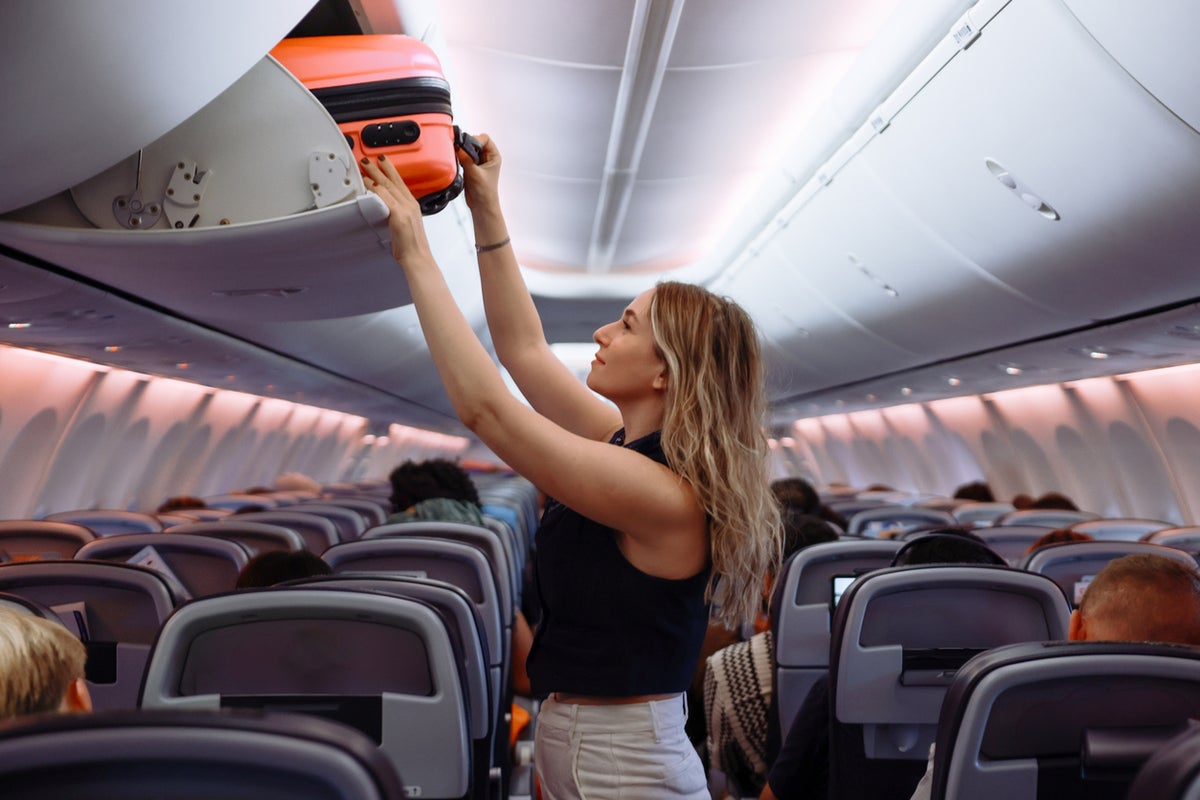
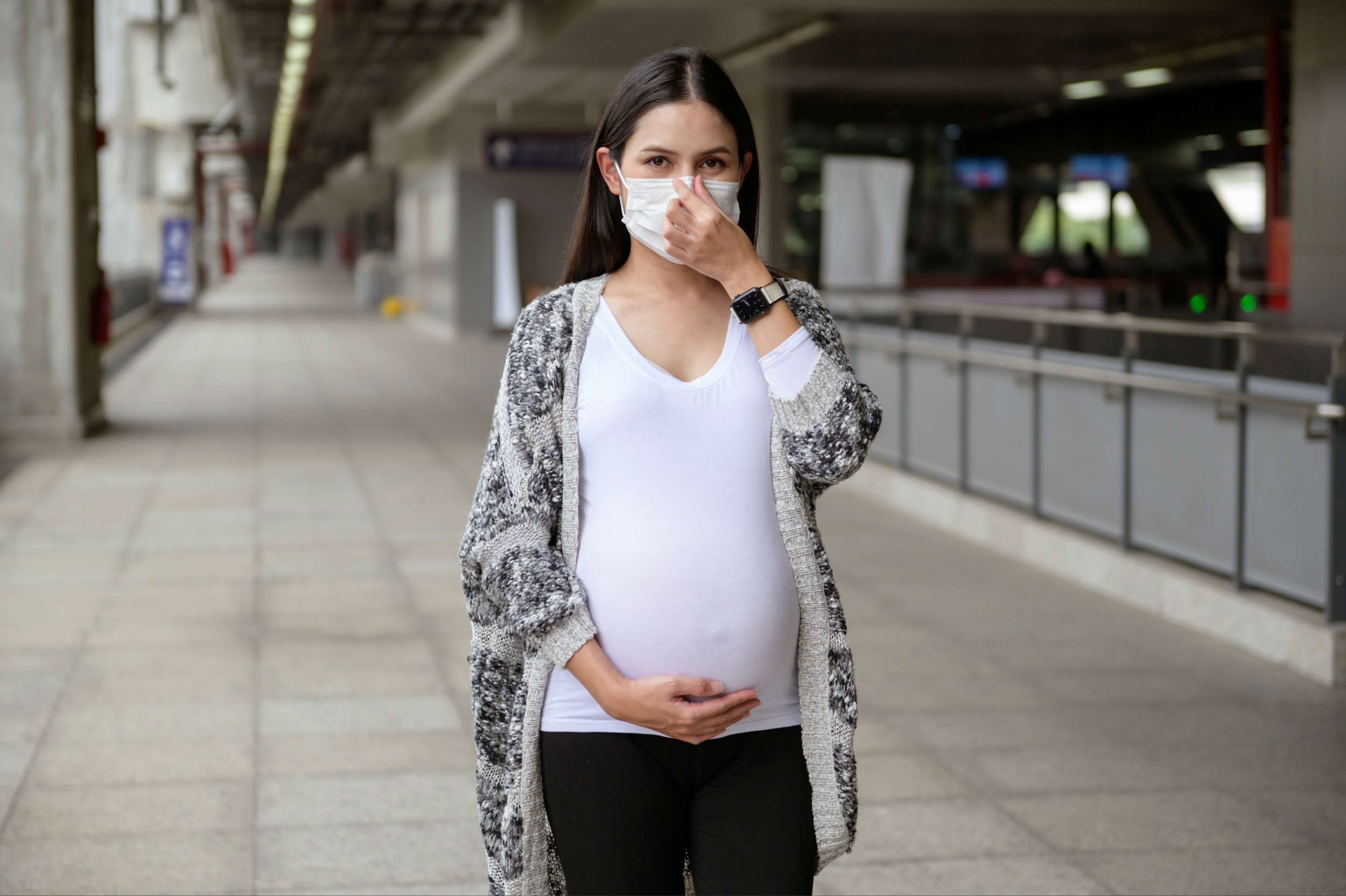
For most passengers, these environmental changes are manageable, as the body naturally compensates by increasing heart rate and respiratory frequency. However, individuals with existing cardiopulmonary conditions — such as hypertension or chronic obstructive pulmonary disease — may find these shifts detrimental. The reduction in oxygen and pressure changes all effect how well the heart and lungs can do their job. For someone whose heart and lung function are already impaired, the aircraft's unique environment can therefore have an even greater impact on these systems.
Common In-Flight Physiological Challenges
- Dehydration: In-cabin humidity is consistently low, which leads to fluid loss in the skin, eyes, nose, and throat. Passengers can lose up to 360ml of water per hour. This dehydration can cause blood to thicken, which increases the workload on the heart and raises the risk of clotting-related conditions such as deep vein thrombosis.
- Gastrointestinal Expansion: During digestion, the gut produces gas that expands significantly at high altitudes, sometimes up to four times its normal volume. This phenomenon, often referred to as high-altitude flatus expulsion, is exacerbated by the consumption of certain foods like onions, broccoli, beans, and lentils. In rare cases, severe digestive distress, sometimes dubbed "jet belly," has necessitated unscheduled flight diversions.
- Postural Hypotension: Fainting remains a frequent occurrence, accounting for at least one in three airline emergencies. Transitioning from a seated position to standing causes blood to pool in the lower limbs, reducing oxygenated blood flow to the brain. This risk is further compounded by the dehydrating effects of cabin air and alcohol consumption.
While cardiac events are rare during flight, they represent the majority of in-flight deaths. Medical professionals note that these emergencies often have poorer outcomes than those occurring on the ground, largely due to the limited medical equipment available onboard and the absence of trained specialists.
The experience of air travel is also influenced by external factors that affect sensory perception. Altitude reduces the sensitivity of tastebuds by approximately 30%, which often leads to the inclusion of extra salt in airline food. This added sodium intake can inadvertently contribute to further dehydration, potentially worsening the physiological strain on the body.
Recommendations for Managing Air Travel
To mitigate these risks, experts suggest several proactive measures:
- Maintain hydration by drinking ample water before and throughout the duration of the flight.
- Minimize or avoid alcohol, which can exacerbate the bodily stresses caused by atmospheric changes.
- Incorporate movement by walking or stretching at least once every two hours to maintain circulation and prevent muscle stiffness.
- Coordinate medication schedules to ensure consistency during travel.
- Consult with a healthcare provider if there has been recent surgery, dental work, or scuba diving, as these can increase susceptibility to pressure-related complications. A waiting period of at least 48 hours is often advised following some forms of diving.
The decision to divert a flight in the event of a medical emergency rests with the aircraft captain, who relies on input from the cabin crew, onboard volunteers with medical training, and ground-based medical teams.
Beyond the immediate physical stresses of flight, researchers are also investigating how environmental exposures, such as air pollution, interact with sensitive life stages. A study published in the Journal of Exposure Science & Environmental Epidemiology found that mixtures of ozone and fine particulate matter, even at levels considered safe by current regulatory standards, may increase the risk of preterm birth when exposure is concentrated during specific weeks of the first trimester.
Archypedia is dedicated to independent, evidence-backed reporting. This briefing was synthesized from primary source reporting, corroborated across independent newsrooms, and verified against our Editorial Standards.
Transparency record
Evidence behind this report
This report synthesizes 4 distinct sources. Open the source ledger below to compare the underlying coverage.
Prepared under the Archypedia Editorial Policy by the Lina Park editorial desk profile. AI-assisted tools may support drafting and verification; public accountability remains with Archypedia. Report an error.