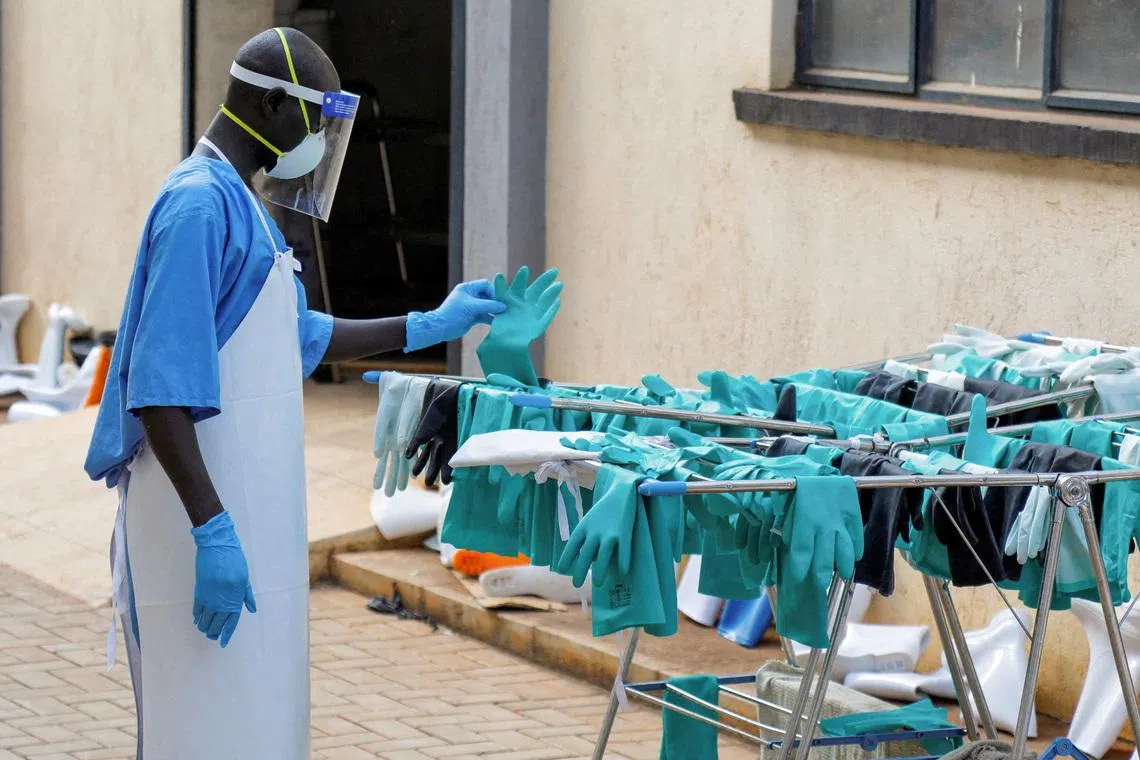
Africa CDC urges US to lift Ebola travel restrictions on Uganda
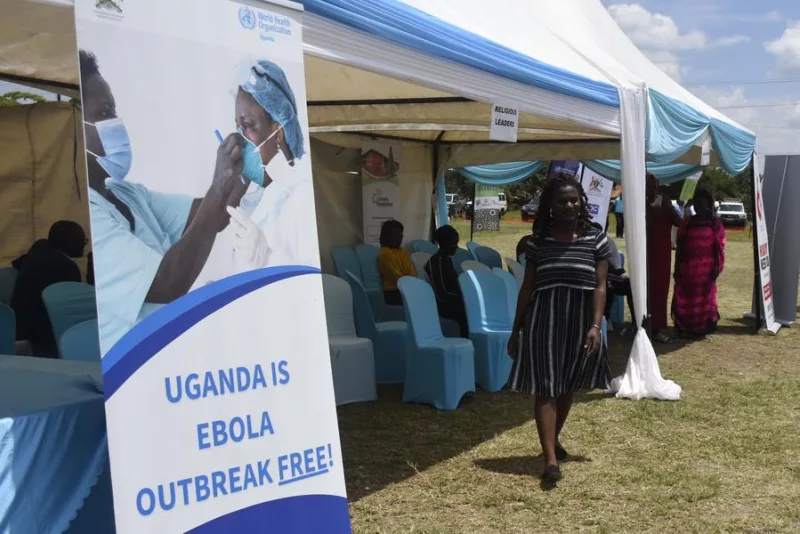
Jean Kaseya argues that Uganda no longer warrants travel measures as the country observes a 42-day countdown toward being declared Ebola-free.
The director-general of the Africa Centres for Disease Control and Prevention, Jean Kaseya, has formally requested that the United States lift current travel restrictions imposed on Uganda due to Ebola. In a letter to U.S. Health Secretary Robert F. Kennedy Jr. Disclosed on Tuesday, July 21, 2026, Kaseya argued that the nation no longer warrants such measures as it has reported no new infections for approximately one month.
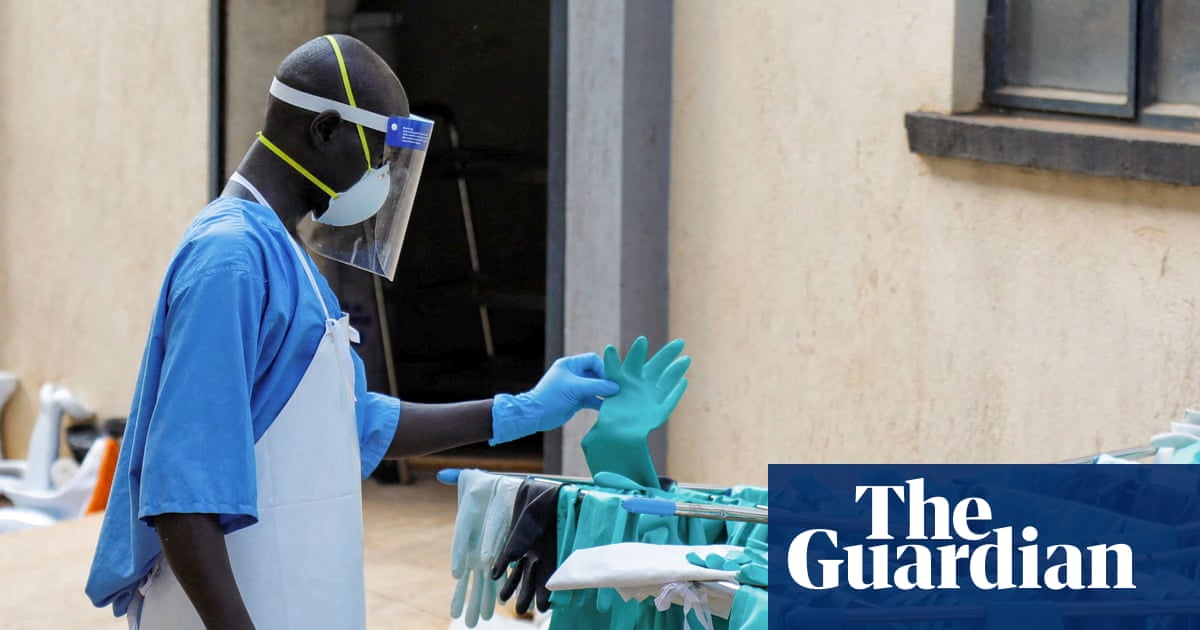
The appeal follows the discharge of Uganda’s last confirmed Ebola patient from the Mulago national referral hospital in Kampala on July 16, 2026. This milestone initiated a mandatory 42-day countdown—comprising two consecutive 21-day incubation periods—required by the World Health Organization (WHO) before an outbreak can be officially declared over. During the course of the outbreak, Uganda recorded 20 confirmed cases, including 15 imported infections, four among health workers, and one involving a driver. Two people died, marking a case fatality rate described by health officials as among the lowest recorded for the virus.
Related media

The U.S. Government currently maintains a level four "Do Not Travel" advisory for Uganda, grouping the country alongside nations experiencing significant conflict. Additionally, the U.S. Restricts entry for non-passport holders who have visited Uganda, South Sudan, or the Democratic Republic of the Congo (DRC) within the preceding 21 days. These policies are part of a broader set of measures authorized under the Public Health Service Act to mitigate the risk of the Bundibugyo ebolavirus strain entering the United States.
Ugandan health authorities have stated that these restrictions, which are mirrored by 15 other nations, have caused substantial damage to the country’s economy, impacting tourism and trade. As we make progress in managing this disease, we are engaging and asking those countries with a view to opening up so that the economy does not get injured,
said Dr. Chris Baryomunsi, Uganda’s health minister.
The Africa CDC has expressed systemic concerns regarding the use of broad travel bans during health emergencies. In an official statement, the agency emphasized that such measures can foster fear, discourage transparency, and divert travelers toward unmonitored routes, potentially increasing health risks rather than mitigating them.
"The fastest path to protecting all countries in the world is to aggressively support outbreak control at the source. Global health security cannot be achieved through borders alone. It is achieved through partnership, trust, science and rapid investment in preparedness and response capacity."
Jean Kaseya, Director-General, via Africa CDC
While Uganda marks progress, the regional situation remains complex. The DRC continues to manage an active outbreak with over 2,000 confirmed cases and hundreds of deaths. In an effort to curb cross-border transmission, Uganda has dispatched 50 health workers and mobile laboratory units to support the response within the DRC. This bilateral cooperation aims to reduce the movement of patients across borders, addressing a key priority for regional health security.
Outbreak Status and Regional Response
- Uganda: 20 cases recorded; final patient discharged July 16, 2026; 42-day countdown toward being declared virus-free is underway.
- Democratic Republic of the Congo: Serving as the epicenter of the current Bundibugyo strain outbreak, with high case numbers and ongoing containment efforts.
- Scientific Response: The Oxford Vaccine Group has initiated the first Phase I clinical trial for a vaccine candidate targeting the Bundibugyo strain, with initial patient enrollment occurring this week.
The geopolitical dimension of these health measures has sparked controversy in neighboring Kenya, where activists have raised concerns regarding an American-backed quarantine facility intended for citizens evacuated from the DRC. Despite a local court order halting the facility’s operation, reports indicate that the site is active and housing personnel.
For the immediate future, aviation and border authorities are expected to monitor the 42-day monitoring period in Uganda. Africa CDC officials have urged the international community to prioritize investments in local response capacities over general travel prohibitions, signaling a broader push to reshape how global health organizations coordinate during continental emergencies.
Archypedia is dedicated to independent, evidence-backed reporting. This briefing was synthesized from primary source reporting, corroborated across independent newsrooms, and verified against our Editorial Standards.
Transparency record
Evidence behind this report
This report synthesizes 7 distinct sources. Open the source ledger below to compare the underlying coverage.
- africanpilot.africa
- yahoo.com
- devdiscourse.com
- theguardian.com
- channelafrica.co.za
- the-star.co.ke
- apnews.com
Prepared under the Archypedia Editorial Policy by the Lina Park editorial desk profile. AI-assisted tools may support drafting and verification; public accountability remains with Archypedia. Report an error.