New Imaging Technology Tracks Cellular Roots of Alzheimer's, Parkinson
University of Houston researchers are using advanced imaging to track CTR1 protein dynamics, identifying how cellular copper regulation may influence neurodegenerative disease.

Researchers at Eastern Michigan University are using virtual reality simulations to help patients overcome flight anxiety through controlled exposure therapy.
A study of 27,375 participants reveals that metabolic syndrome markers are linked to accelerated brain ageing, with severity increasing per component.
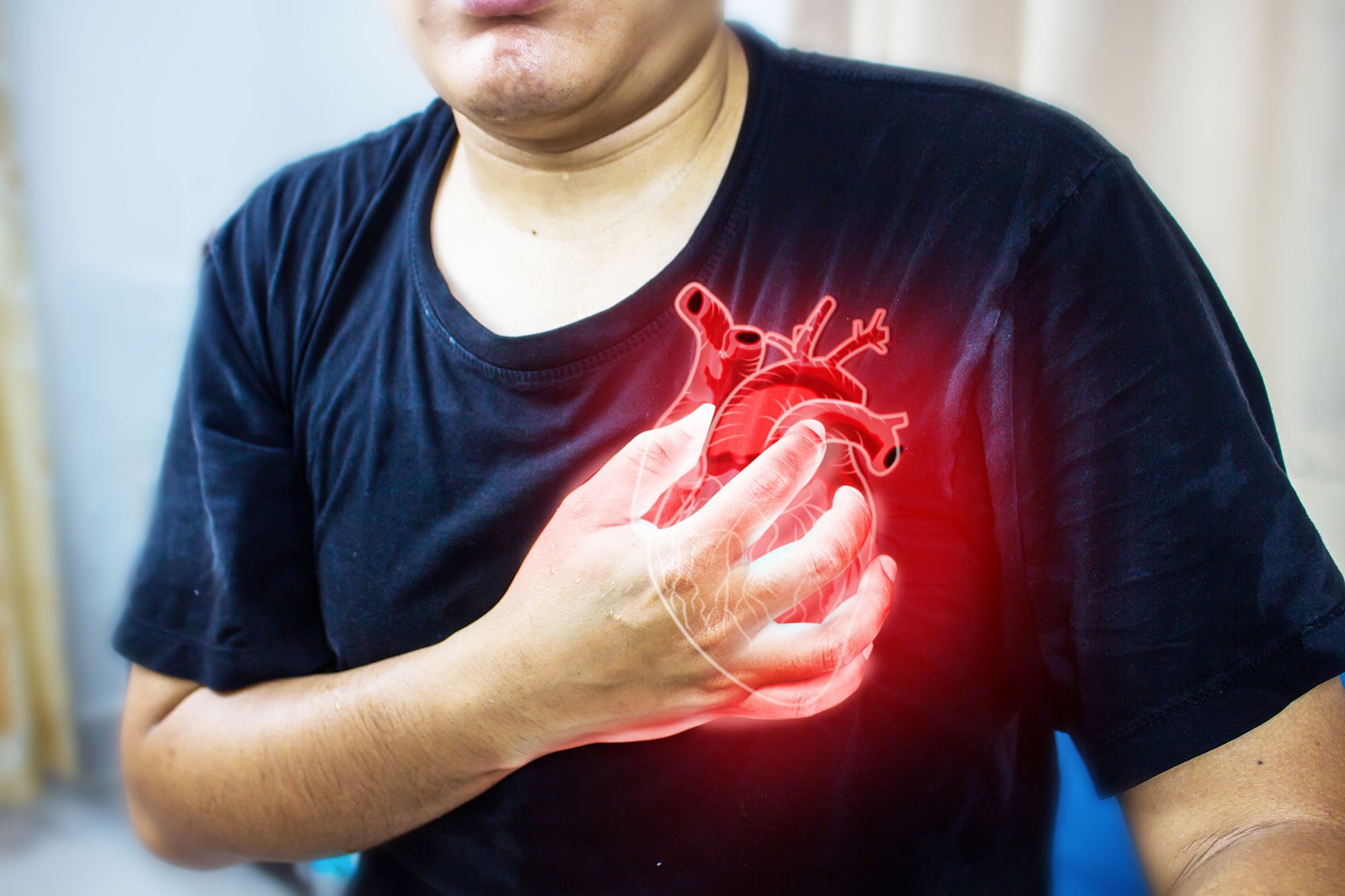
High cholesterol can silently damage arteries for years, often causing life-threatening events as the first sign of illness. Experts recommend routine lipid panel screenings to detect and manage risks early.
Recent studies suggest that frequent television viewing during midlife is associated with smaller brain structures, while cognitively stimulating sedentary tasks do not show the same negative effects.
A study reveals that environmental factors exert a cumulative influence on the cardiovascular system, as measured by coronary artery calcification. Experts suggest these neighborhood social determinants are as predictive of future health as personal health history.
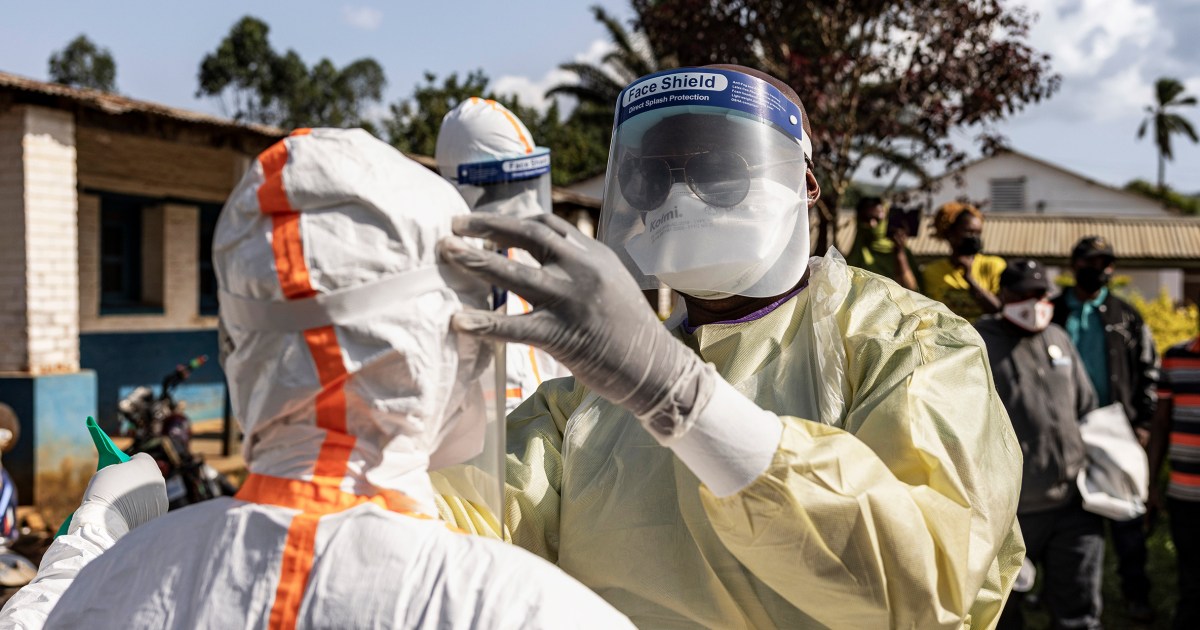
Humanitarian efforts to contain the Ebola outbreak in DR Congo are being challenged by widespread violence and displacement that complicate access to treatment.
New artificial womb and placenta technologies seek to provide a transitional bridge for extremely premature infants to mature organs before entering traditional NICU care.
Health authorities in Niger State are investigating a fatal illness in a household where children had partial immunization. Diphtheria is among the possible causes being considered.
New research from USC suggests the Mediterranean diet may protect the heart and brain by activating tiny proteins within the mitochondria.
Health authorities are tracking a rise in locally acquired, antibiotic-resistant gonorrhoea cases across the European Union. New data highlights the declining effectiveness of standard ceftriaxone treatments.
Updated WHO guidelines shift the perception of dementia from an inevitable consequence of aging to a manageable public health priority.
The transport of deceased Ebola patients across the Democratic Republic of Congo complicates containment efforts, as traditional rites drive transmission. Officials are now mandating that specialized teams perform burials to prevent further spread of the virus.
A phase I trial shows the mKRAS-VAX vaccine can stimulate long-term T-cell responses in individuals with precancerous pancreatic lesions and is well tolerated.
The World Health Organization has updated its international guidelines, identifying 14 modifiable risk factors that influence the development of dementia. These findings provide a framework for public health policy and individual cognitive health management.
Shamattawa First Nation has declared a state of emergency as it battles a hepatitis A outbreak that has strained the community's limited resources. The Assembly of Manitoba Chiefs is calling for urgent federal and provincial cooperation to provide medical support and infrastructure improvements.
Violent disruptions at medical centers in northeastern DR Congo have forced patients to flee, hampering containment efforts for the Bundibugyo strain of Ebola.
A Phase 1b trial of the immunotherapy IBC-Ab002 has successfully met safety endpoints, marking a potential shift in treating Alzheimer's as a systemic immune disorder.
New WHO-UNICEF data shows global immunization rates are slowly recovering from pandemic-era setbacks, though millions of children remain unprotected.
Emerging research indicates that the shingles vaccine might provide neuroprotective benefits beyond preventing painful rashes, potentially reducing dementia risk in older adults.