Australia confirms first H5N1 bird flu mass mortality in seabirds
The detection of H5N1 in silver gulls and greater crested terns suggests a shift from sporadic migratory arrivals to environmental spread across five states.
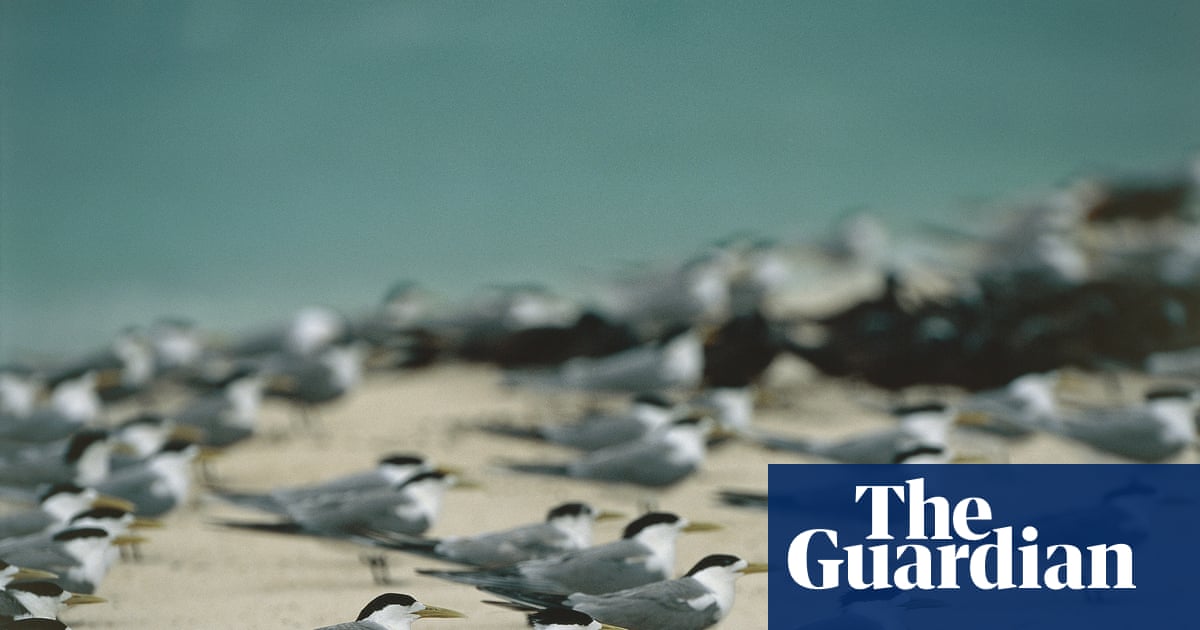
Australia has confirmed its first mass mortality event caused by H5N1 bird flu, signaling a transition from sporadic arrivals of migratory birds to local circulation within the environment. Helicopter surveillance recently identified 49 dead and 35 sick greater crested terns on rocks off Cape Jaffa, located 250 km from Adelaide, according to Agriculture Minister Julie Collins via aol.com.
The event follows a pattern of detections that began in mid-June when a migratory brown skua was found on a beach at Cape Le Grand National Park near Esperance, Western Australia. Since then, the virus has spread across five states. Agriculture Minister Julie Collins stated that there are now 74 confirmed cases: 54 in South Australia, 10 in Western Australia, seven in Victoria, two in New South Wales, and one in Queensland.
Related YouTube video

While the virus has not yet been detected on commercial farms, the infection of the silver gull introduces a new risk to national biosecurity. Unlike migratory seabirds that primarily occupy oceans and beaches, silver gulls are cosmopolitan, frequenting cities, landfills, shopping alleys, and inland freshwater systems, such as Kati Thanda-Lake Eyre during heavy rains, as reported by Abc.
Chris Purnell, the wetland and migratory shorebirds manager at Birdlife Australia, told abc.net.au that this lifestyle allows seagulls to act as a crossover species. Because they mingle in large groups with greater crested terns and defecate across diverse environments, they can transport the virus from the coast into the interior. Purnell identified these interactions as potential super-spreader events
, particularly as silver gulls and greater crested terns enter nesting seasons between June and December, forming colonies of thousands.
This potential for inland movement creates a specific vulnerability for the poultry industry via wild ducks. Ducks are considered silent spreaders
that can shed the virus into freshwater bodies for multiple days while showing few signs of illness. According to Skye Fruean, the chief veterinary officer of South Australia, the detection of the virus in waterfowl could be the trigger point for mandatory housing orders for free-range chicken operations to prevent exposure to contaminated water and feces.
Wildlife and Biosecurity Status
| Metric | Current Status / Data |
|---|---|
| Total Confirmed Cases | 74 (54 SA, 10 WA, 7 VIC, 2 NSW, 1 QLD) |
| Poultry Infection | No evidence yet on farms |
| Human Risk | Classified as low |
| Key At-Risk Species | Endangered Australian sea lions, poultry, migratory shorebirds |
The risk extends to marine mammals. Five confirmed cases at Seal Bay on Kangaroo Island have raised alarms for the endangered Australian sea lion. The clade 2.3.4.4b strain of H5N1 has already killed tens of thousands of seals and sea lions in South America and on Australia's sub-Antarctic Heard Island, according to Theland.
Environment Minister Murray Watt described the situation as the beginning of a long, difficult journey
for native fauna. He stated via theland.com.au that because wild animals cannot be stopped from moving, more mass mortality events are inevitable.
To manage these risks, a national framework of poultry biosecurity measures took effect on July 31. Farmers are urged to cover feed and water, avoid untreated surface water, and sanitize equipment moving between sheds. Public health officials maintain that the risk to humans remains low because the virus does not spread easily between people, though those in direct contact with infected animals are advised to use protective equipment.
Australian Chief Veterinary Officer Beth Cookson stated on Monday that the localized spread is following a fairly predictable curve in terms of the number of infections
, as reported by abc.net.au. Technical advice provided last week to the federal government indicates that Australia is now past the point where the virus may have been eradicated.
The most critical period for further incursion is approaching between September and November. During this window, millions of migratory shorebirds are expected to arrive from the northern hemisphere. This timeline is particularly concerning for internationally significant wetlands like the Coorong at the mouth of the Murray River, which serves as a major stopover for these birds.
Government surveillance continues to monitor whether the virus has established itself more broadly in Australian wildlife. Authorities have requested that the public report any clusters of five or more dead wild birds or unexplained deaths in poultry to the Emergency Animal Disease Hotline on 1800 675 888.
How significant is this development?
Contribute your assessment to the aggregated reader intelligence ledger.
Archypedia is dedicated to independent, evidence-backed reporting. This briefing was synthesized from primary source reporting, corroborated across independent newsrooms, and verified against our Editorial Standards.
Transparency record
Evidence behind this report
This report synthesizes 4 distinct sources. Open the source ledger below to compare the underlying coverage.
Prepared under the Archypedia Editorial Policy by the Lina Park editorial desk profile. AI-assisted tools may support drafting and verification; public accountability remains with Archypedia. Report an error.