4th person dies from Legionnaires' disease in New York City: Health officials
New York City health officials have confirmed a fourth fatality linked to an Upper East Side Legionnaires' disease cluster as remediation efforts continue.
A fourth person has died in New York City amid an ongoing cluster of Legionnaires' disease on the Upper East Side, according to health officials. The total number of confirmed cases stands at 76. While 53 people have been discharged from the hospital, seven remain under medical care. According to reporting from The Guardian, the most recent diagnosis associated with this cluster occurred on 15 July, with the peak of the outbreak having taken place one week prior.
Public Health Response and Status
New York City Health Commissioner Dr. Alister F. Martin confirmed the fourth fatality on X, following a string of deaths reported over consecutive days. Despite the rising death toll, city officials maintain that they have identified and likely eliminated the environmental source of the bacteria. On 14 July, the city ordered the owners of buildings in the affected zip codes to perform aggressive remediation and disinfection of their cooling tower systems after testing revealed the presence of living or dead Legionella bacteria.
Related media
Mayor Zohran Mamdani addressed the situation on Monday, offering condolences to the families of the victims while confirming that the city is continuing to enforce public health laws. Due to the aggressive strategy of early testing, enforcement and remediation, we believe that we have now eliminated the source of exposure,
Mayor Zohran Mamdani via The Guardian.
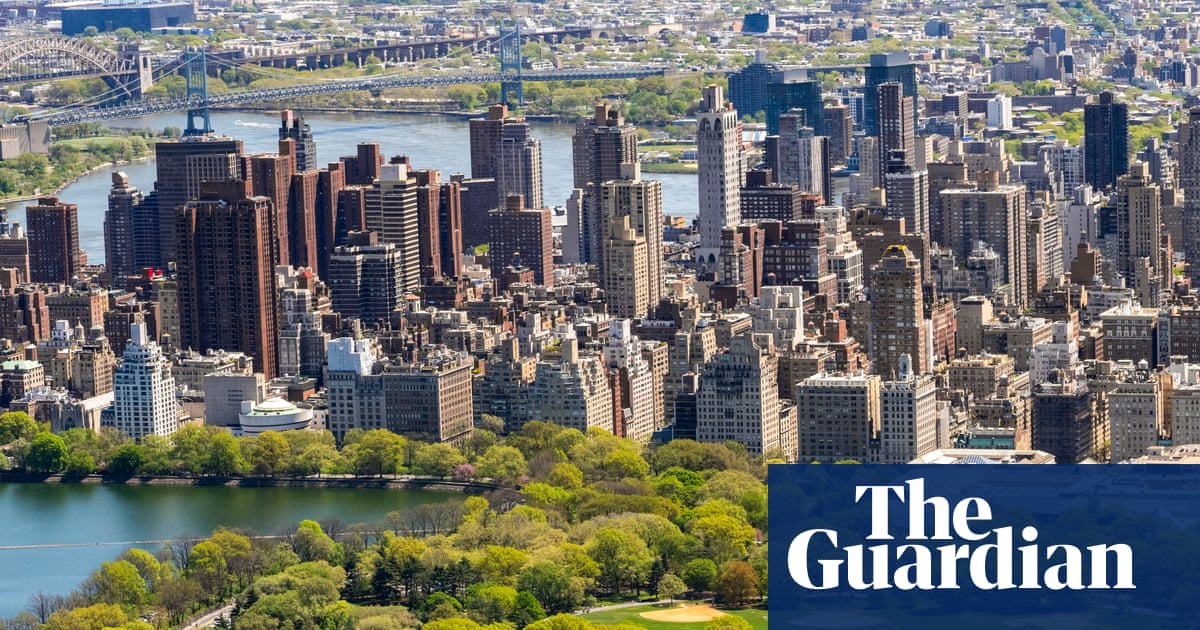
The city has emphasized that the outbreak is contained to cooling towers and is not an issue with the city's broader plumbing infrastructure. Health officials explicitly stated that residents in the affected ZIP codes — 10028, 10075, and 10128 — may continue to drink tap water, bathe, shower, cook, and use air conditioning units safely.
Understanding the Risk
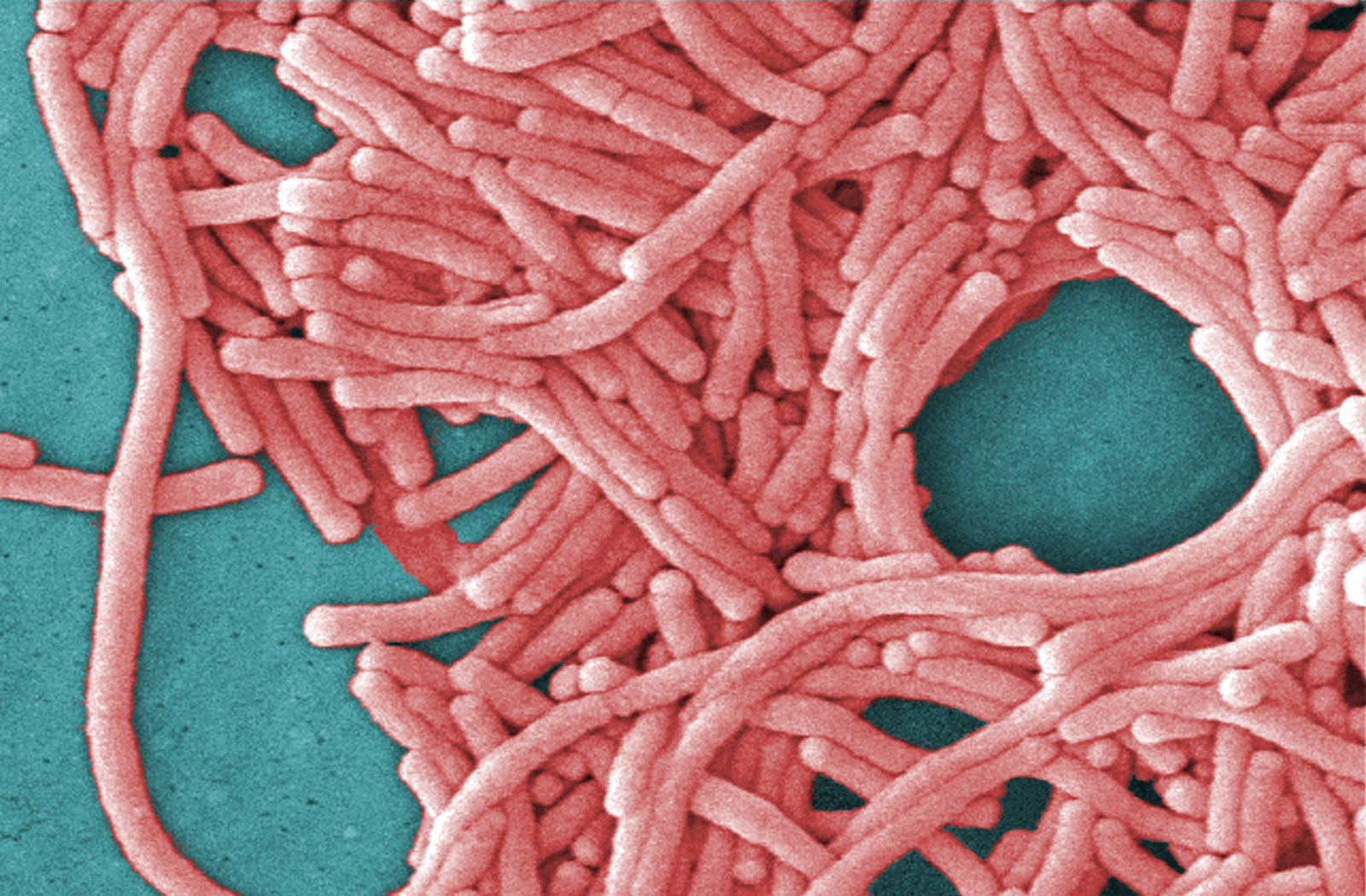
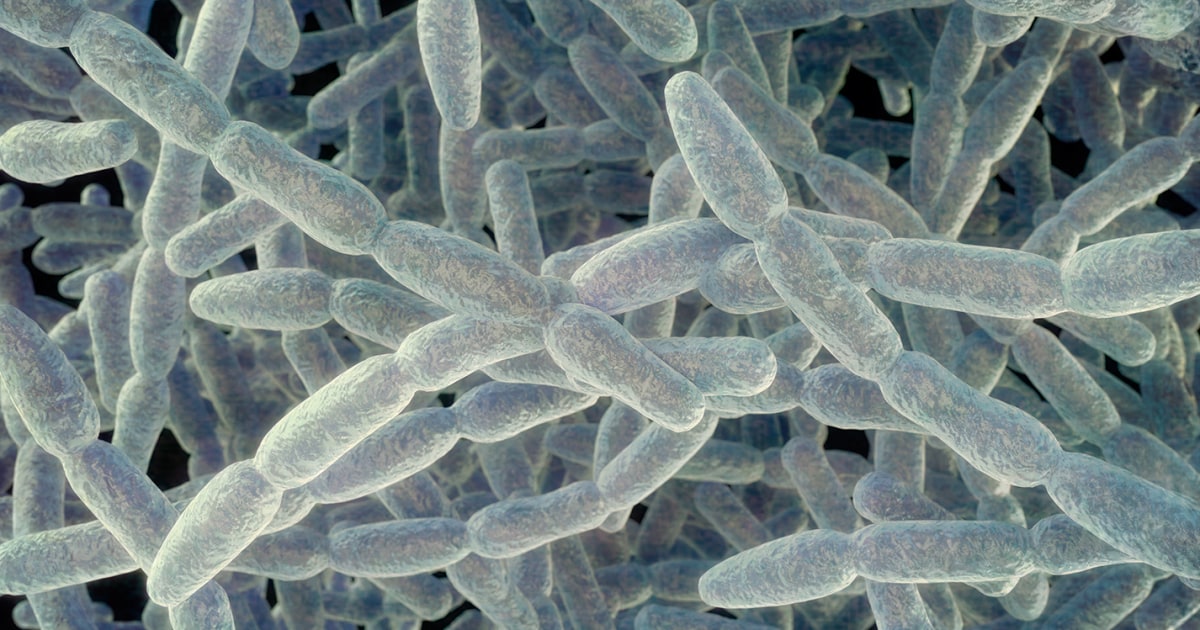
Legionnaires' disease is a severe form of pneumonia caused by inhaling Legionella bacteria, which are found naturally in freshwater environments but flourish in warm, stagnant water. The bacteria can become a health hazard when aerosolized through cooling towers, hot tubs, or showerheads, allowing the pathogens to enter the lungs.
The infection does not spread from person to person. However, it can lead to fatal complications, particularly among those who are immunocompromised or suffer from chronic lung conditions. According to the U.S. Centers for Disease Control and Prevention (CDC), approximately 10% of people who contract the illness will die from complications.
What to Watch Next
As the city transitions from the emergency response phase to continued monitoring, health officials have outlined clear expectations for the public and building owners:
- Symptom Monitoring: Anyone who has visited the affected neighborhoods, Carnegie Hill and Yorkville, since late June should watch for flu-like symptoms, including fever, cough, or difficulty breathing. Symptoms can manifest up to 14 days after exposure.
- Ongoing Enforcement: The city will continue to inspect all cooling towers that previously tested positive for the bacteria to ensure total compliance with sanitation mandates.
- Data Surveillance: Commissioner Martin noted that the city is closely watching emergency department data. As of the latest report, officials have not identified new symptoms in the community for over a week.
This event follows a previous outbreak in Harlem during August 2025, which resulted in seven deaths and over 100 illnesses. The current investigation remains active, with the Department of Health providing the most up-to-date information through their official website for those residing in the affected areas.
Archypedia is dedicated to independent, evidence-backed reporting. This briefing was synthesized from primary source reporting, corroborated across independent newsrooms, and verified against our Editorial Standards.
Transparency record
Evidence behind this report
This report synthesizes 7 distinct sources. Open the source ledger below to compare the underlying coverage.
Prepared under the Archypedia Editorial Policy by the Lina Park editorial desk profile. AI-assisted tools may support drafting and verification; public accountability remains with Archypedia. Report an error.