DRC Ebola outbreak largest on record, warns WHO
A lack of vaccines for the Bundibugyo strain and widespread fear of isolation have caused prenatal clinic visits to plummet as maternal deaths nearly double in Ituri province.

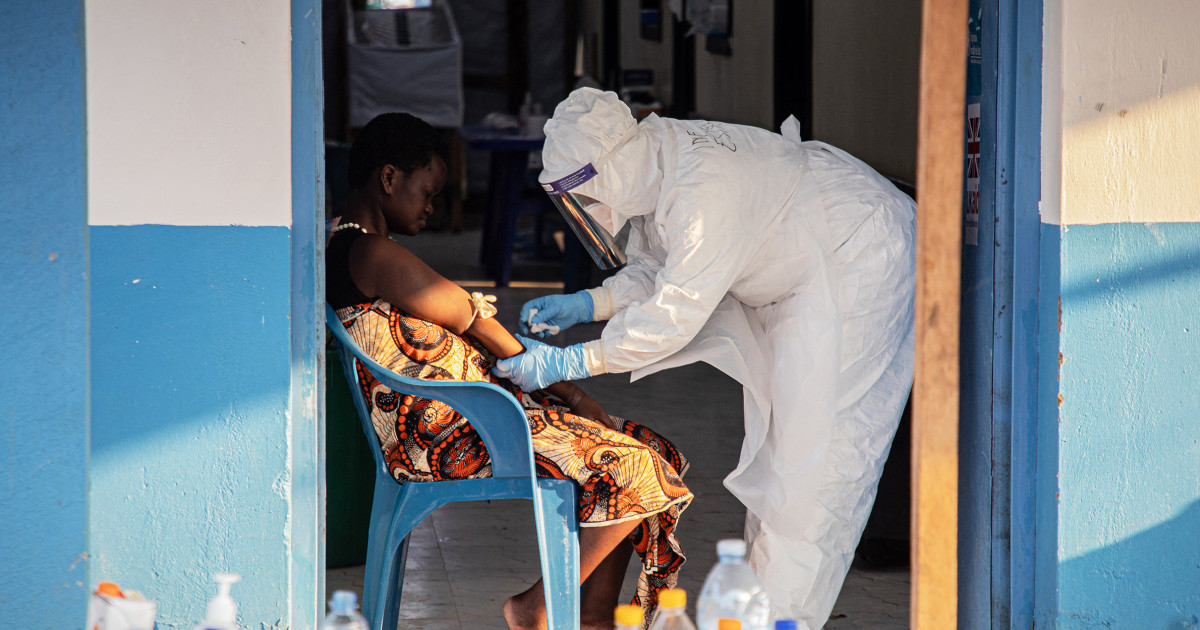
The Democratic Republic of the Congo is currently managing the largest Ebola outbreak in its history, but for pregnant women in Ituri province, the virus has created a second, invisible emergency. While health officials struggle to contain a fast-spreading epidemic, a surge in maternal deaths is occurring among women who do not have the virus but are too terrified to seek medical care.
According to Noemi Dalmonte, deputy country representative of the United Nations Population Fund (UNFPA) in Congo, maternal mortality in Ituri nearly doubled following the outbreak's declaration. Data from the UNFPA shows that before the crisis, an average of 3.1 women died weekly from childbirth complications; between May 25 and July 19, 2026, that figure jumped to 5.8 deaths per week. The proportion of these deaths occurring outside of health centers rose from 9.1% to 17.4% during the same period, as reported by AP News.
Related YouTube video

The cause of this decline in hospital attendance is a potent mix of misinformation and a fear of isolation. In Bunia, the capital of Ituri and the epicenter of the outbreak, Esther Lutula — a 26-year-old mother of four who is four months pregnant — stopped attending prenatal checkups. Lutula told the AP she feared being placed in isolation simply for having a fever, which is a common symptom of many ailments but a primary red flag for Ebola.
This fear is echoed by other residents, such as Elodie Yabiri, who is also heavily pregnant. Yabiri noted that people are scared because of the perception that anyone who feels sick and visits a hospital is immediately quarantined. The practical result of this mistrust is visible at the Bénédicte Clinic in Bunia, where Dr. Sonny Mwembo, the medical director, reported that monthly prenatal registrations have plummeted from 60 to approximately 10.
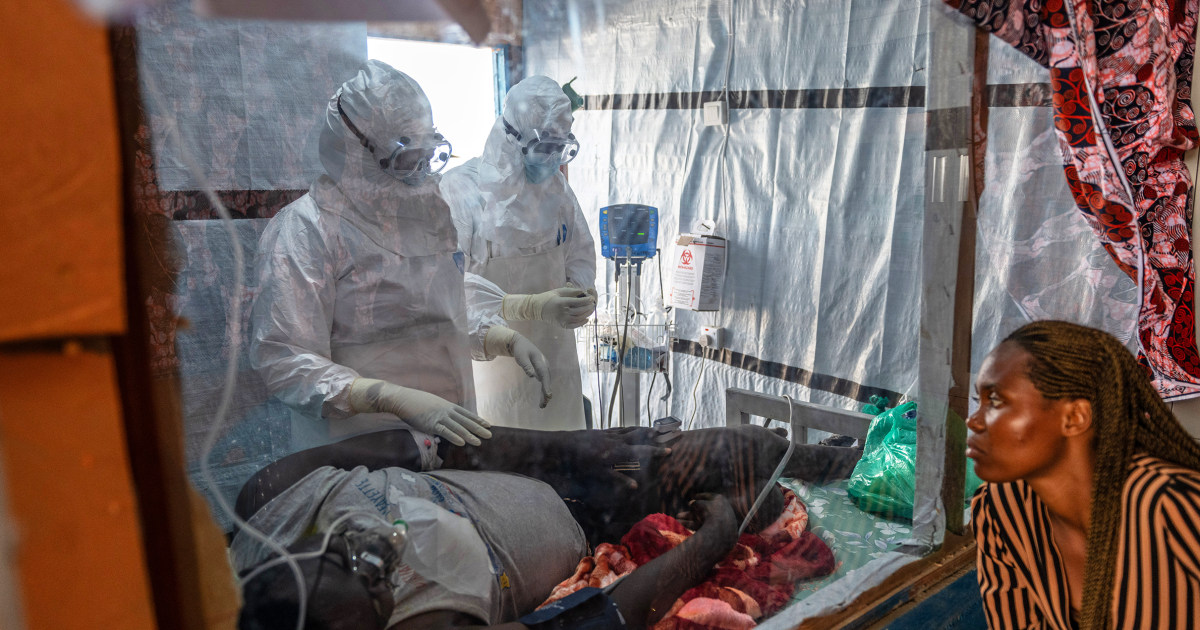
The scale of the viral outbreak itself is unprecedented for the region. As of July 30, 2026, the World Health Organization (WHO) confirmed 3,605 cases and 1,587 deaths, representing a crude case fatality ratio of 44%. This outbreak has surpassed the 2018-2020 epidemic and is now the second-largest Ebola crisis ever recorded globally, trailing only the 2014-2016 West African crisis. In the most recent complete reporting week, the pace of transmission reached a record with 567 cases and 296 deaths.
The Bundibugyo Challenge
The current crisis is driven by the Bundibugyo strain of the virus, which presents a different clinical and logistical profile than the more common Zaire strain. According to Medindia, the Bundibugyo strain is characterized by a higher prevalence of vomiting, diarrhea, and breathing difficulties rather than the bleeding often associated with other Ebola types.
Crucially, unlike previous emergencies, there is currently no approved vaccine or specific treatment for the Bundibugyo strain. This absence of medical countermeasures exacerbates public fear and leaves health workers with fewer tools for containment. The outbreak is centered in Ituri but has already expanded into North Kivu and South Kivu provinces.
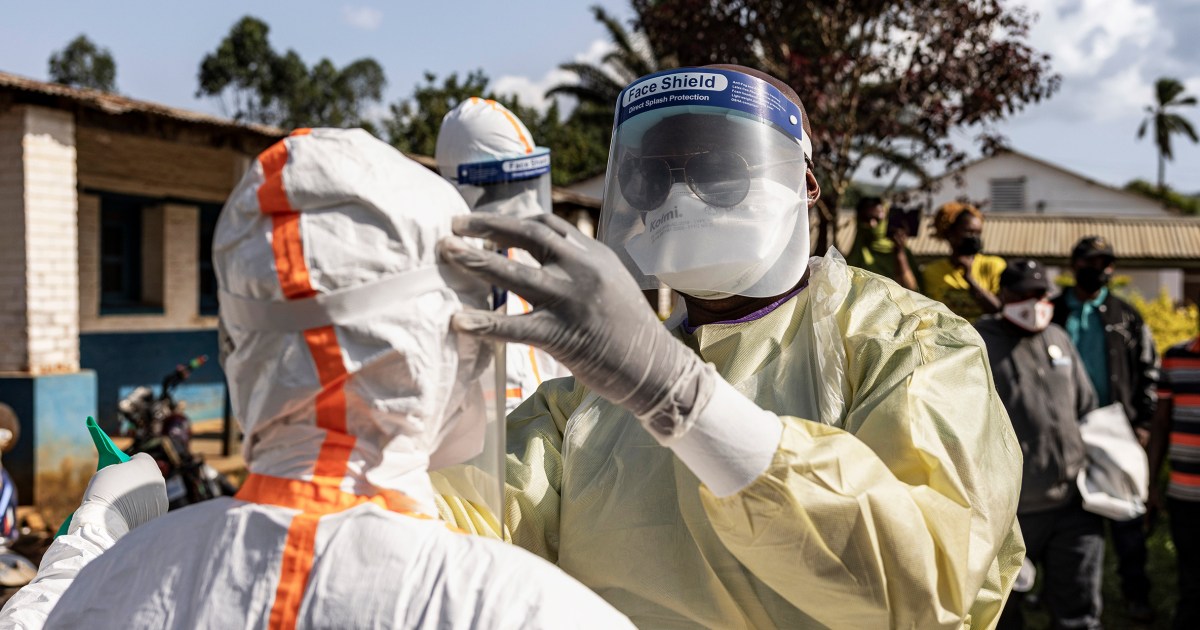
The healthcare infrastructure in these regions is nearing a total collapse. At least 44 infected health workers have died, and others have abandoned their posts to protest a lack of payment. Dr. Ghislain Maneba, an epidemiologist in Ituri’s Rwampara health zone, stated that staff are working day and night without pay. Furthermore, the response is hampered by violence; at least 12 attacks on health facilities and teams have been recorded since the outbreak began in mid-May, often fueled by misinformation or anger over strict quarantine measures.
This internal instability poses a regional risk. While Uganda recently declared itself free of local transmission after a 42-day monitoring period, it remains on high alert. The WHO considers the regional risk to be very high due to the frequency of cross-border movement and population displacement.
The total cost to fully contain the epidemic is estimated by the Africa Centres for Disease Control and Prevention at approximately $1.4 billion, though actual funding remains well below this target.
Medical hope currently rests on experimental interventions. Researchers at Oxford have developed a vaccine targeting the Bundibugyo strain, which entered its first human trials in just eight weeks. The WHO has confirmed that the first volunteer has already received a dose.
Systemic Collapse and Regional Risk
The speed of this transmission is unprecedented. Carl Skau, acting head of the United Nations World Food Programme, described the current crisis as the fastest-spreading Ebola epidemic that we have ever seen
. Health experts noted that the virus has killed approximately five times more people at this stage than previous outbreaks. This acceleration is compounded by a critical lack of resources, with the Africa Centres for Disease Control and Prevention estimating a need for $1.4 billion to fully contain the epidemic, a target that funding has not yet met.
Beyond the biological threat, the response is crippled by instability. Since the outbreak was declared on May 15, 2026, there have been at least 12 recorded attacks on health teams and facilities. These violent incidents, often driven by misinformation, occur alongside a systemic collapse of the workforce; while 44 infected health workers have died, others have walked off their jobs to protest unpaid wages.
The WHO warns that official figures likely underrepresent the true scale of the crisis because insecurity and limited surveillance hinder case detection. This lack of visibility increases the danger for neighboring states. While Uganda has declared itself free of local transmission after a 42-day monitoring period, the WHO maintains that the regional risk remains very high due to constant population displacement and cross-border movement.
With no approved vaccine for the Bundibugyo strain, the immediate priority is the validation of experimental science. The next step in the containment effort depends on the results of the Oxford vaccine trials, which moved from development to the first human dose in eight weeks.
How significant is this development?
Contribute your assessment to the aggregated reader intelligence ledger.
Archypedia is dedicated to independent, evidence-backed reporting. This briefing was synthesized from primary source reporting, corroborated across independent newsrooms, and verified against our Editorial Standards.
Transparency record
Evidence behind this report
This report synthesizes 4 distinct sources. Open the source ledger below to compare the underlying coverage.
Prepared under the Archypedia Editorial Policy by the Lina Park editorial desk profile. AI-assisted tools may support drafting and verification; public accountability remains with Archypedia. Report an error.