Ebola death toll reaches 1,001 in DRC and Uganda outbreak
The Ebola outbreak in the Democratic Republic of Congo and Uganda has reached 1,000 fatalities, marking it as the fastest-growing epidemic on record. Efforts to contain the Bundibugyo strain are struggling against regional conflict and widespread community mistrust.
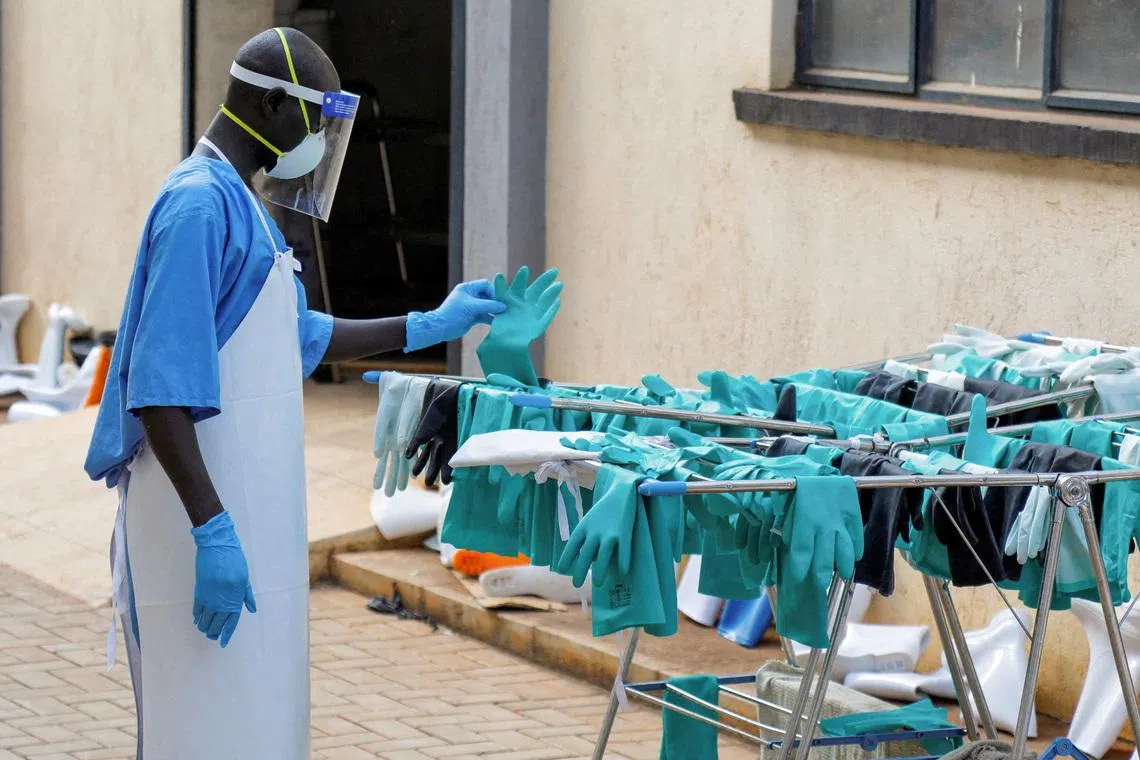
The death toll from the ongoing Ebola outbreak in the Democratic Republic of Congo (DRC) and Uganda has surpassed 1,000, according to data released by the World Health Organization (WHO) on July 22, 2026. This milestone confirms that the current crisis, driven by the Bundibugyo strain, has become the fastest-growing Ebola epidemic on record. The outbreak reached this threshold at a significantly higher speed than the 2013-2016 epidemic, which took approximately eight months to reach a similar number of fatalities.
Health authorities have recorded 2,473 confirmed cases since the outbreak was first declared on May 15, 2026. In the DRC, which remains the epicenter, officials report 999 deaths. Neighboring Uganda has recorded 20 cases and two deaths. While the US Centers for Disease Control and Prevention (CDC) monitors the situation, its figures, currently listed at 969 deaths, trail behind the tallies provided by local health ministries and the WHO.
Related media


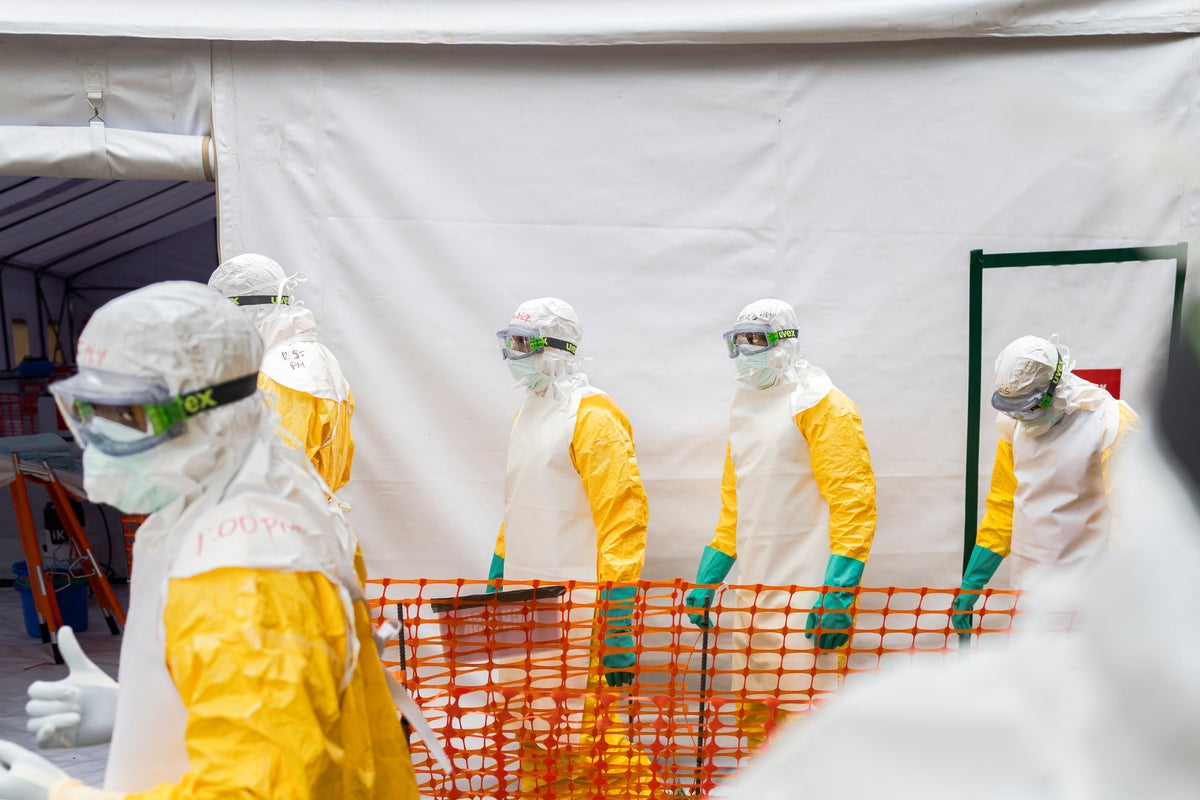
A Crisis of Trust and Security
The speed of transmission has outpaced previous major epidemics. Beyond the biological challenges of the Bundibugyo strain—for which there are currently no approved vaccines or treatments—humanitarian agencies report that systemic mistrust and violence are crippling containment efforts. The virus spreads through close contact and infected bodily fluids, often exacerbated by the continued practice of traditional, unprotected burials.
In Ituri province, healthcare workers face a surge of misinformation. Some residents falsely believe that medical staff are responsible for spreading the virus or intentionally killing patients.
. Lucie described instances where patients were so fearful of medical facilities that they avoided essential care, including childbirth, due to rumors circulating in the community. At least a dozen attacks on health facilities and personnel have been recorded, forcing humanitarian organizations to intermittently suspend operations."What surprises me most is the considerable drop in the number of patients visiting the health centre,"
Atimnedi Utondu Lucie, nurse with Action Aid, via The Independent
The conflict in eastern Congo, combined with displacement and strained aid resources, has further complicated the response. Medical staff have held protests over payment issues, and at least 36 health workers have died after contracting the virus. According to Trish Newport of Doctors Without Borders (MSF), the extreme poverty and violence in the region make basic contact tracing an exercise that requires enormous resources. Newport noted that
if traditional, unprotected burials continue."A single death can lead to up to 17 cases of transmission"
Trish Newport, director of emergency programmes for MSF, via Straits Times
Outbreak Status and Future Outlook
The WHO indicates that the outbreak has expanded beyond Ituri into the provinces of North Kivu, South Kivu, Haut-Uele, and Tshopo. While there have been reports of transmission stabilizing in select locations, WHO incident manager Thierno Balde stated on July 21, 2026, that the response remains in a phase of catching up, with approximately 80 percent of new infections linked to unknown transmission chains.
Efforts are currently underway to find a medical path forward:
- Scientists from Oxford University have initiated the first human trials of a vaccine targeting the Bundibugyo strain.
- Two potential treatment drugs are undergoing clinical trials in Ituri.
- The WHO is expanding surveillance efforts along the Congo River, a vital transport corridor for the region.
For Uganda, the outlook is different. Having discharged its last confirmed patient on July 16, 2026, the country has begun a 42-day observation period required to be declared virus-free. Jean Kaseya, head of the Africa Centres for Disease Control and Prevention (Africa CDC), has publicly urged the United States to lift travel restrictions on Uganda, arguing that the country has not reported new infections for nearly a month. Despite these requests, the US continues to restrict entry for travelers who have recently visited the DRC, Uganda, or South Sudan.
As the international community watches, the pressure to mobilize resources remains acute. Africa CDC Director-General Jean Kaseya warned on July 21, 2026, that failure to stop the virus now could lead to the worst documented outbreak in history. For residents like Heritier Bomengo, a motorbike taxi driver in Bunia, the reality is immediate: many are stockpiling hand sanitizer and living in fear as they await a resolution to the worsening crisis.
Archypedia is dedicated to independent, evidence-backed reporting. This briefing was synthesized from primary source reporting, corroborated across independent newsrooms, and verified against our Editorial Standards.
Transparency record
Evidence behind this report
This report synthesizes 4 distinct sources. Open the source ledger below to compare the underlying coverage.
Prepared under the Archypedia Editorial Policy by the Lina Park editorial desk profile. AI-assisted tools may support drafting and verification; public accountability remains with Archypedia. Report an error.
