Congo Ebola response hindered by violent attacks on medical facilities
Escalating violence against health workers and medical facilities in the Democratic Republic of the Congo is threatening efforts to contain an Ebola outbreak. The response is further strained by community mistrust, staff strikes, and regional instability.
The health crisis in the Democratic Republic of the Congo has entered a precarious phase as persistent violence against medical facilities and frontline workers threatens to derail efforts to contain a rapidly escalating Ebola outbreak. Authorities report that at least 12 distinct attacks on health centers and response teams have been recorded, forcing international aid organizations to relocate personnel from remote hotspots to the relative security of Bunia, the capital of Ituri province.
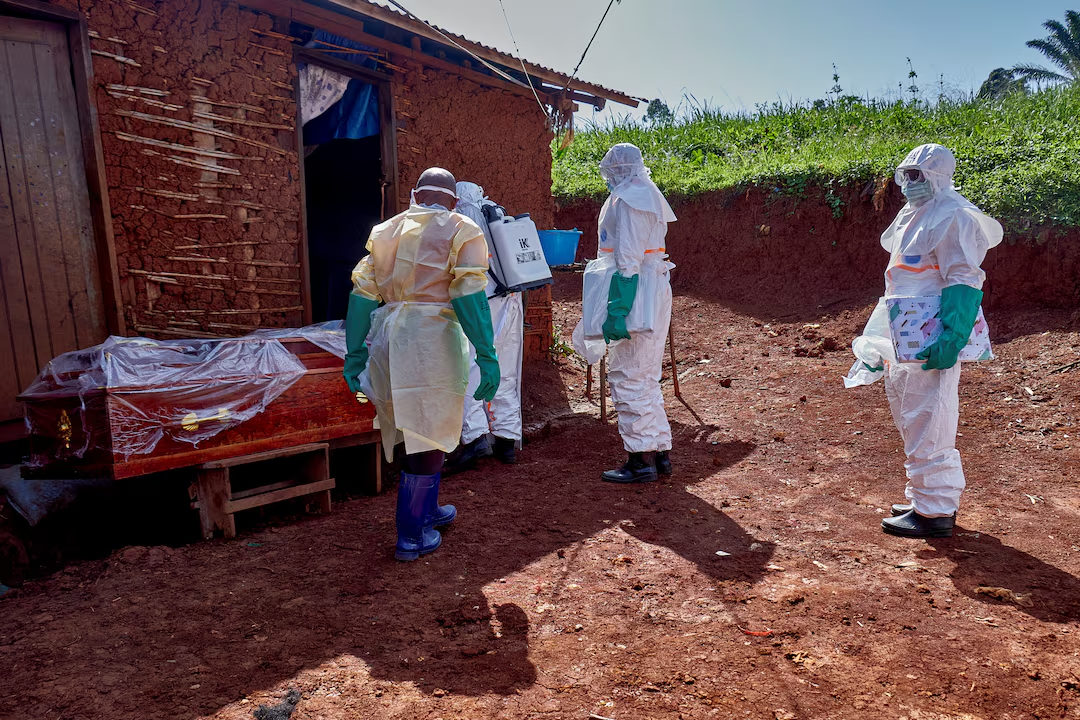
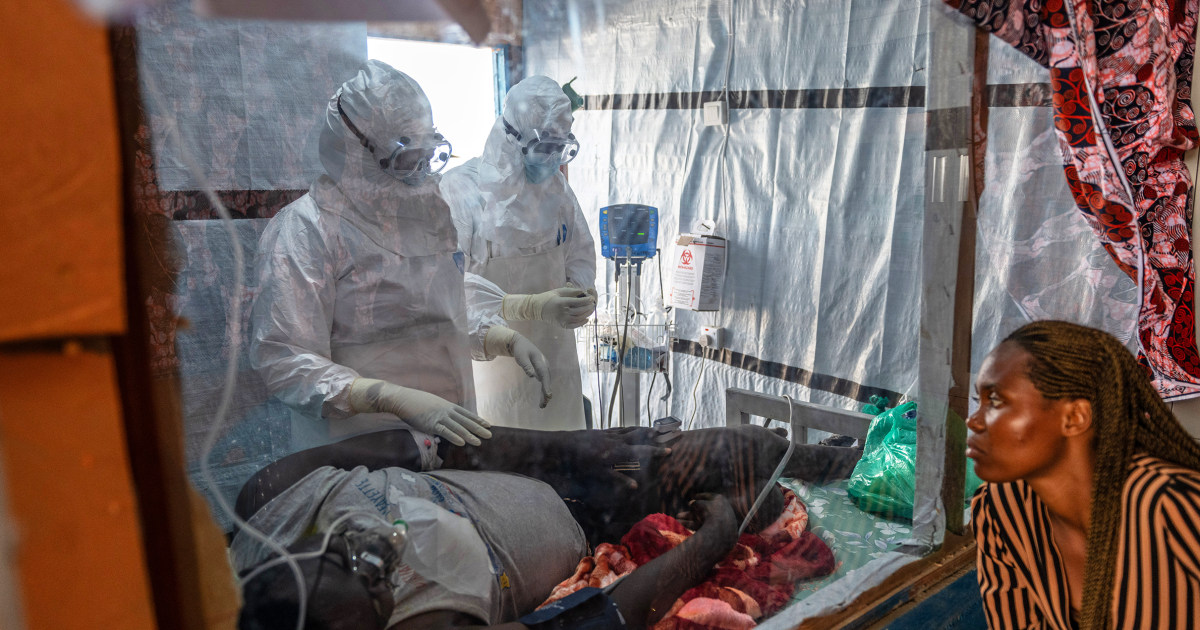
The current outbreak, which involves the Bundibugyo strain of the virus, is described by experts as the fastest-growing on record. With no approved vaccine or treatment available for this specific variant, the response relies heavily on strict isolation protocols and safe, dignified burials. However, these measures have frequently sparked intense community resistance. Local residents have stormed treatment centers, with two of three primary facilities in the region suffering significant damage from arson, according to reports from the Associated Press.
Related media
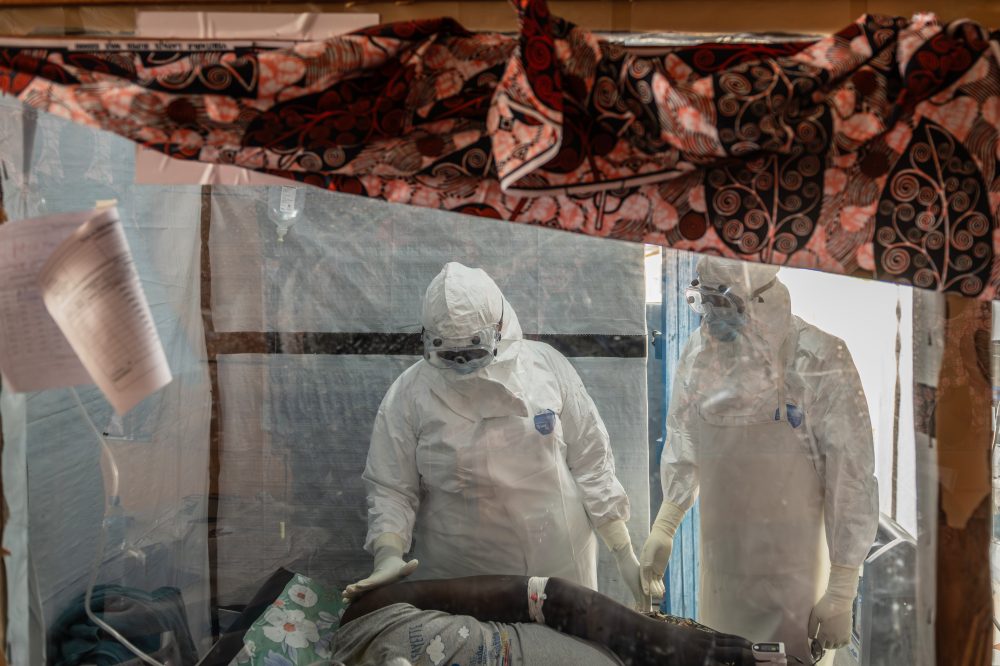


Escalating Violence and Operational Constraints
The violence is not limited to physical destruction of infrastructure. Pierre Akilimali, incident manager for the Ebola response, noted that response teams, including those tasked with safe burials, have been targeted in the field. In some instances, responders have been held captive in various health zones. Dr. Adelard Lufongola, operations manager for the response, emphasized the dangerous environment facing these teams, stating:
"Members of the various response teams have been held captive in some health zones. Teams responsible for safe and dignified burials have been threatened and continue to be threatened in some cemeteries and within several communities."
Dr. Adelard Lufongola, operations manager for the Ebola response, via ABC News
The tension is often rooted in deep-seated mistrust and misinformation. Because the Ebola virus is highly contagious, medical professionals must strictly control the handling of remains, forbidding the traditional funeral rites where family members touch or wash the body. This separation has led to local anger, with some residents speculating that medical teams may be profiting from the disease or trafficking organs, a rumor that complicates the work of health educators.
A Convergence of Crises
The Ebola response is unfolding against a backdrop of chronic instability. The eastern provinces have long been sites of conflict involving various rebel groups, including the Allied Democratic Forces and M23 rebels, which has resulted in the displacement of nearly a million people in Ituri alone. The Physicians for Human Rights organization warned that a "devastating set of emergencies are converging" in the region.
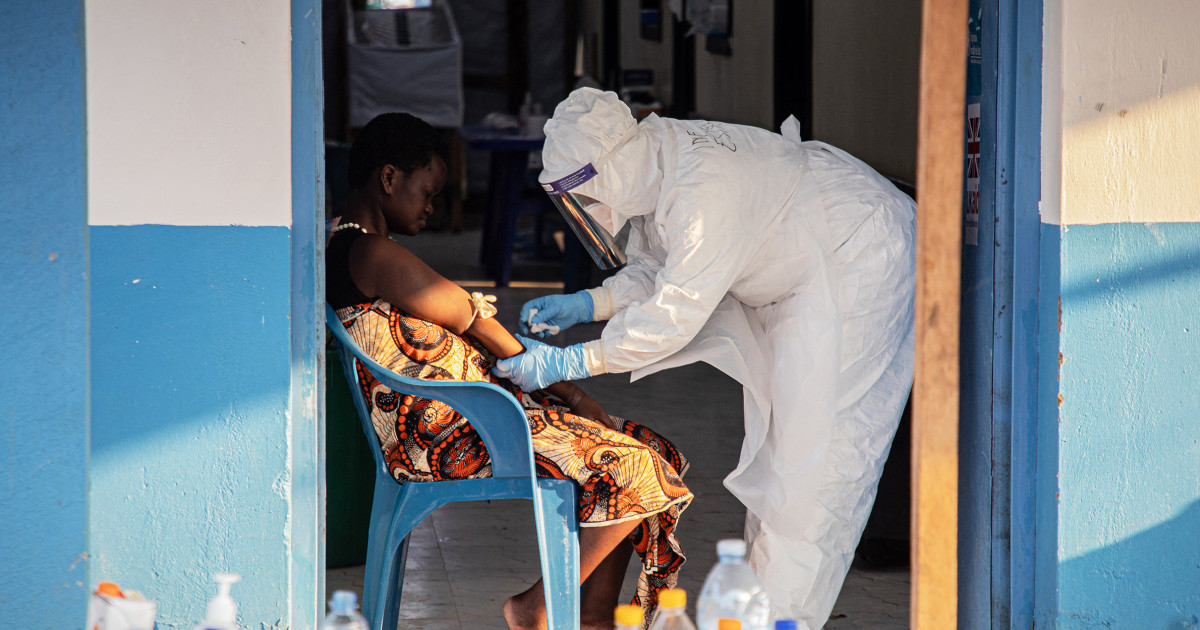
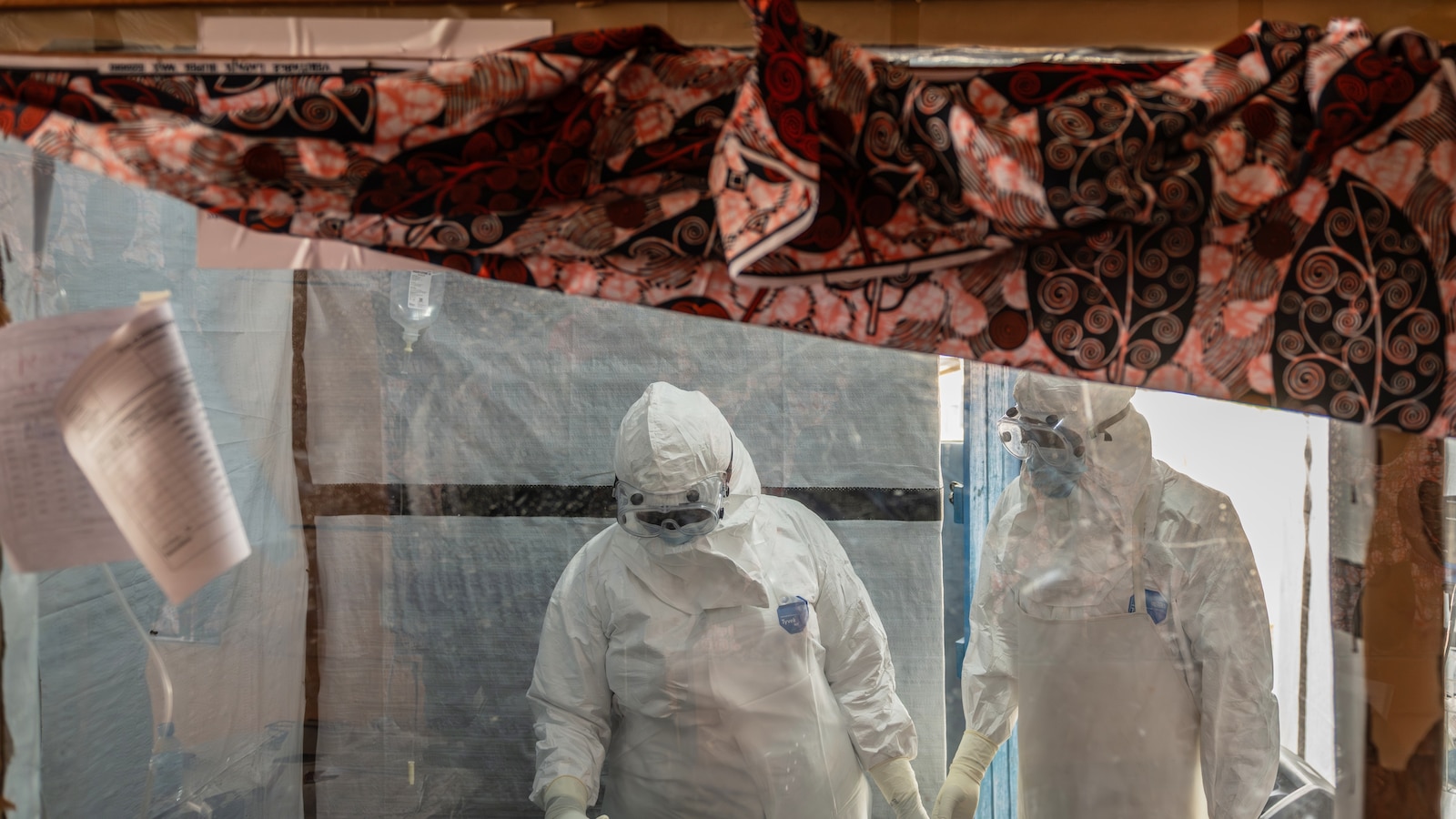
Beyond the security risks, the logistical response is further hampered by labor disputes. Health workers in Ituri province have engaged in strikes over unpaid salaries, leaving facilities understaffed and undersupplied. Many aid groups report a lack of basic protective equipment, such as face shields and suits, which are essential for maintaining infection control standards.
Ongoing Transmission Risks
The arson attacks and subsequent flight of patients from treatment centers raise significant alarms about the potential for further transmission. Following a violent incident in the town of Nyakunde on Wednesday, where residents attacked a hospital and forced patients to flee, authorities noted that while care resumed on Thursday, the temporary chaos likely increased exposure risks.
The United Nations remains, as reported by ABC News, deeply concerned by the escalating violence.
What to Watch Next
- Regional Coordination: The Democratic Republic of the Congo, Uganda, and South Sudan have initiated cross-border surveillance agreements to monitor potential spread, particularly given the recent confirmation of cases in Uganda.
- Security Developments: The United Nations and other humanitarian partners continue to evaluate the security situation in Ituri to determine when, or if, staff can safely return to remote field operations.
- Policy Responses: Authorities in Ituri have implemented new restrictions, including bans on public gatherings of more than 50 people and prohibitions on the transport of bodies, to mitigate the risk of mass gatherings serving as infection vectors.
- Resource Gaps: Continued attention is focused on whether the Congolese government can secure additional support to address the acute shortage of medical supplies and the issue of unpaid staff, which experts say are critical to preventing the outbreak from spiraling further.
Archypedia is dedicated to independent, evidence-backed reporting. This briefing was synthesized from primary source reporting, corroborated across independent newsrooms, and verified against our Editorial Standards.
Transparency record
Evidence behind this report
This report synthesizes 8 distinct sources. Open the source ledger below to compare the underlying coverage.
- abcnews.com
- srnnews.com
- apnews.com
- latimes.com
- aljazeera.com
- ground.news
- darnews.com
- theguardian.com
Prepared under the Archypedia Editorial Policy by the Lina Park editorial desk profile. AI-assisted tools may support drafting and verification; public accountability remains with Archypedia. Report an error.