Oxford University begins first human trial of Bundibugyo Ebola vaccine
Researchers are testing the ChAdOx BDBV vaccine on 50 volunteers to address the Bundibugyo ebolavirus strain currently spreading in the DRC.

Researchers at the University of Oxford have launched the first human clinical trial for an experimental vaccine targeting the Bundibugyo ebolavirus strain. The move, announced Friday, 24 July 2026, aims to address a critical vulnerability in global outbreak preparedness, as the current licensed Ebola vaccine is ineffective against this specific virus species.
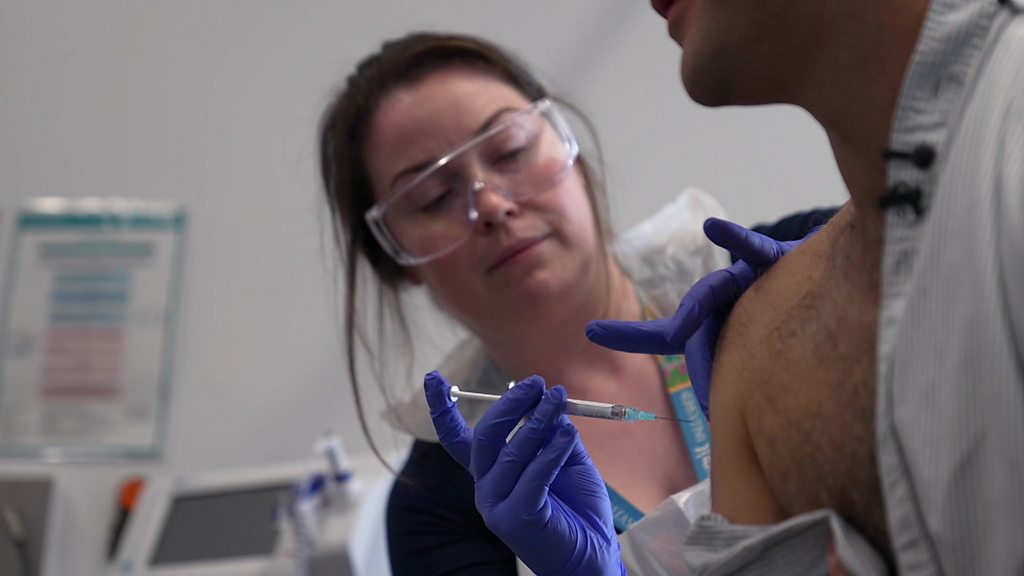
The trial, overseen by the Oxford Vaccine Group and the Pandemic Sciences Institute, is evaluating safety and immune response in 50 healthy adult volunteers. The experimental vaccine, known as ChAdOx BDBV, utilizes the same chimpanzee adenovirus vector platform employed in the development of the Oxford-AstraZeneca COVID-19 vaccine. According to reporting by Forbes, this rapid advancement into human testing reflects lessons from the COVID-19 pandemic regarding the use of adaptable technology to confront emerging infectious threats.
Related media
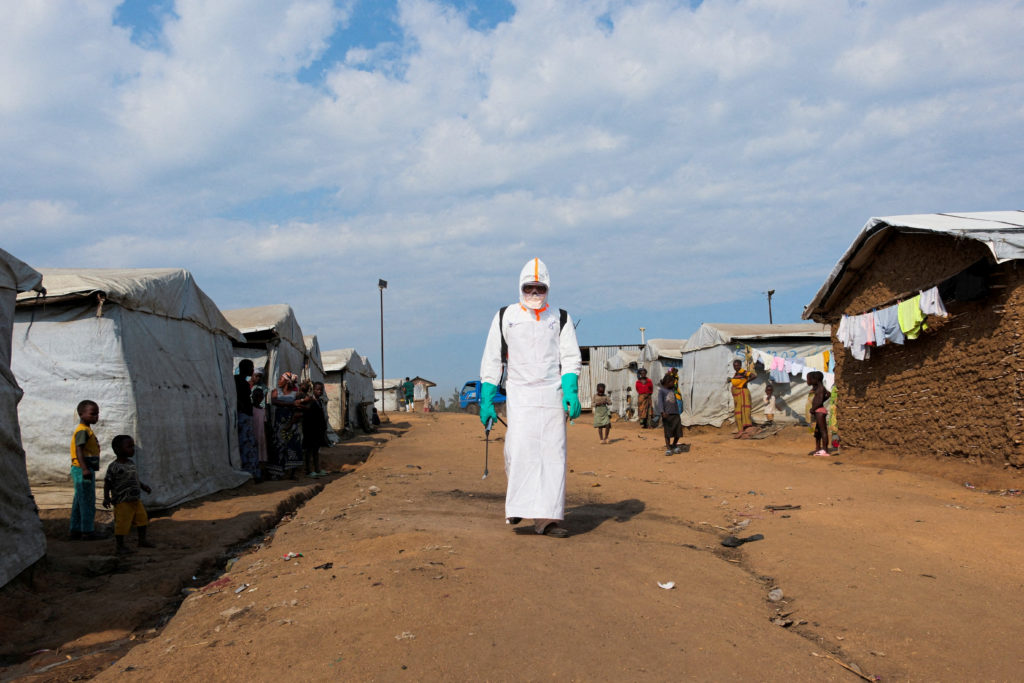
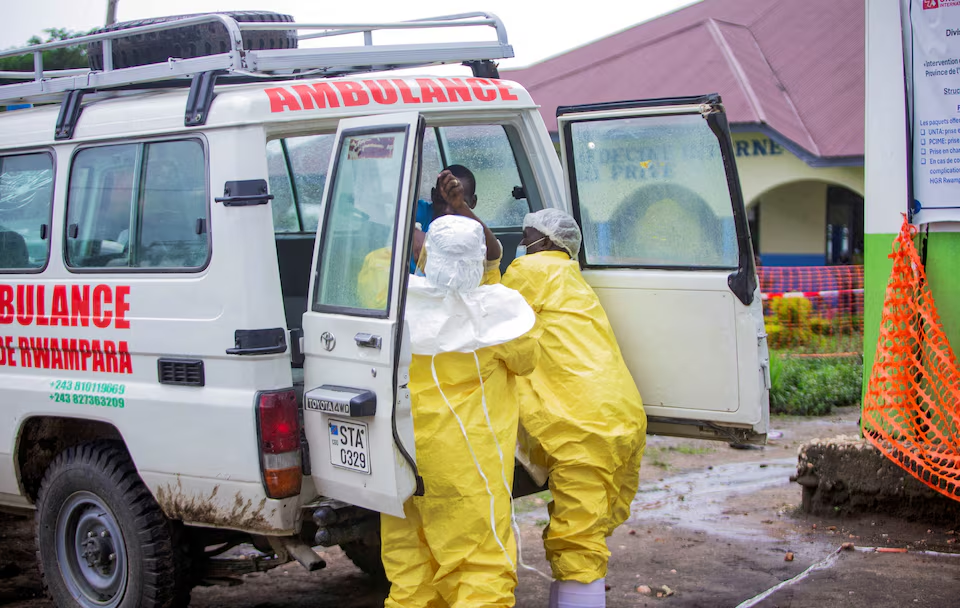
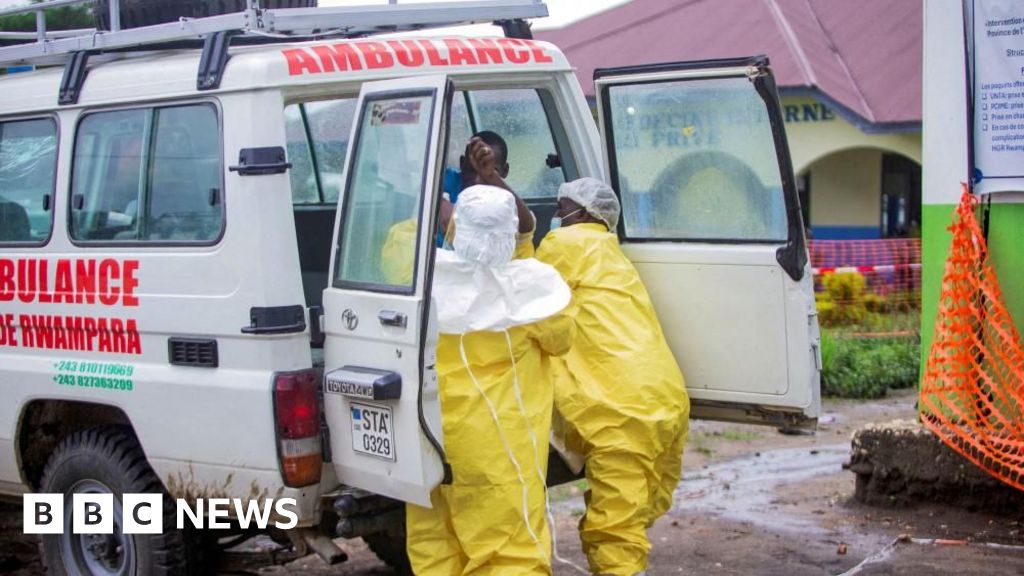
This development comes as the Democratic Republic of Congo (DRC) navigates its seventeenth recorded Ebola outbreak. The current epidemic, which began on 5 May 2026, is caused by the Bundibugyo strain. While an approved vaccine exists for the Zaire ebolavirus — a legacy of the 2014–2016 West African outbreak — it does not provide protection against the Bundibugyo virus due to significant genetic differences between the species.
Outbreak Scale and Constraints
The human toll of the current outbreak has surpassed 1,000 deaths, with confirmed cases totaling 2,536 as of mid-July 2026. The Associated Press reports that the crisis is concentrated primarily in the remote Ituri province. However, the virus has reached five provinces, including the major city of Kisangani, and has crossed international borders into Uganda. As noted by the London Review of Books, the outbreak has already been identified in a traveler who arrived in France earlier this summer, though that patient has since recovered.
Public health response efforts face substantial hurdles, including political instability and the presence of armed groups in affected zones. Local resistance, fueled by mistrust and fear of isolation centers, has hampered contact tracing. Official data from the DRC indicates that only 77 percent of known contacts are being monitored, falling short of the 95 percent threshold necessary to effectively disrupt transmission.
In addition to vaccine research, clinical trials for two potential antiviral treatments, remdesivir and the monoclonal antibody MPB-134, are currently underway in Ituri. These trials are conducted in collaboration with the World Health Organization and the Africa CDC, though officials caution that establishing efficacy may require months of data collection from as many as 1,000 participants.
Current Status of Response
| Metric | Reporting Details |
|---|---|
| DRC Death Toll | Over 1,000 |
| Confirmed Cases (DRC) | 2,536 |
| Contact Tracing Rate | 77% (Target: 95%) |
| Uganda Status | 20 confirmed cases; final patient discharged |
The World Health Organization maintains that the risk of global spread remains low, as Ebola is transmitted via direct contact with infected bodily fluids rather than respiratory pathways. Despite this, the agency classifies the risk within the DRC as "very high."
What to Watch Next
- Clinical Trial Milestones: Researchers intend to move beyond initial safety assessments if the Phase I vaccine trial demonstrates a robust immune response.
- Containment Progress: Following the discharge of the final Ebola patient in Uganda, the country has begun a 42-day countdown to declare an end to its local outbreak.
- Operational Challenges: The International Rescue Committee and other NGOs continue to manage relief efforts despite strikes by local health workers protesting pay and conditions, as well as ongoing insecurity.
- Regulatory Hurdles: While BBC reporting suggests that successful vaccine immunization could potentially begin within months, the current lack of an approved, matched vaccine leaves responders relying heavily on supportive care and community education.
As the international community monitors the situation, the focus remains on closing the gap in health preparedness. As noted by the WHO director general, Tedros Adhanom Ghebreyesus, although recoveries are occurring without current therapeutics, the deployment of safe, effective treatments and vaccines remains essential to reducing mortality in future surges.
Archypedia is dedicated to independent, evidence-backed reporting. This briefing was synthesized from primary source reporting, corroborated across independent newsrooms, and verified against our Editorial Standards.
Transparency record
Evidence behind this report
This report synthesizes 4 distinct sources. Open the source ledger below to compare the underlying coverage.
Prepared under the Archypedia Editorial Policy by the Lina Park editorial desk profile. AI-assisted tools may support drafting and verification; public accountability remains with Archypedia. Report an error.