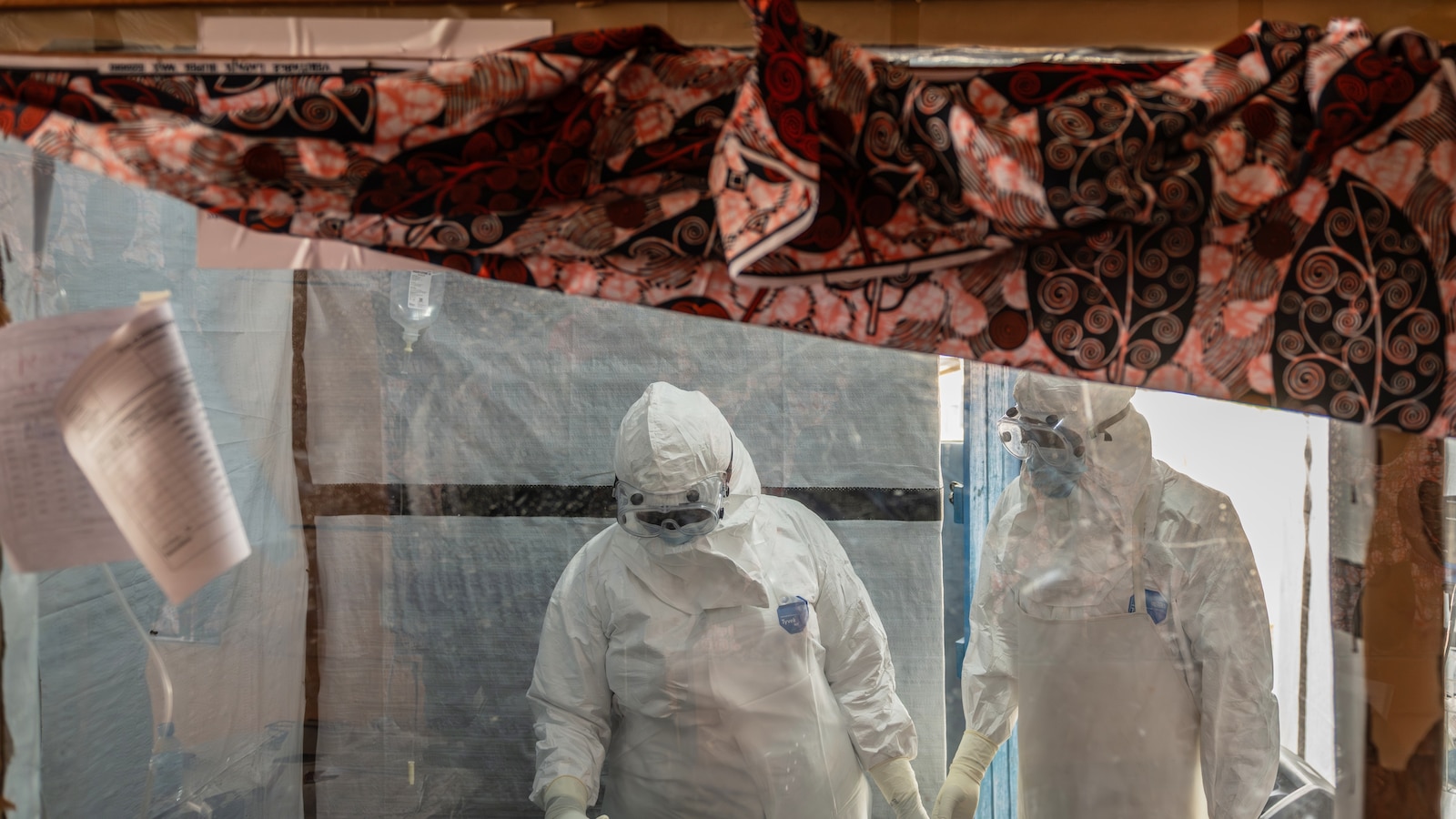
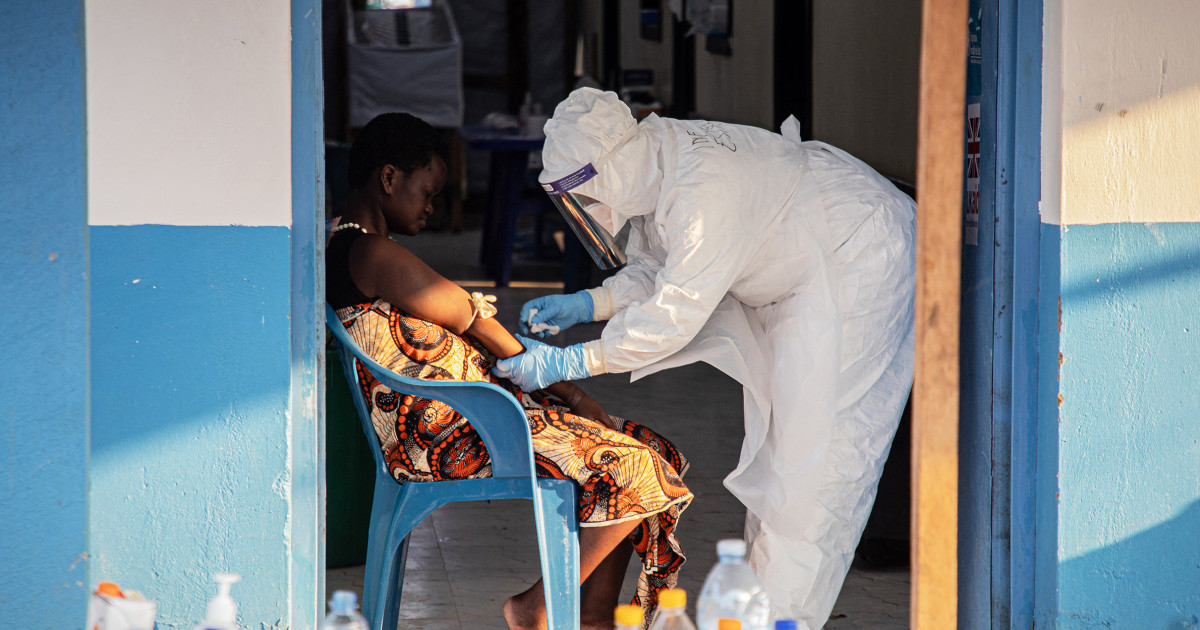
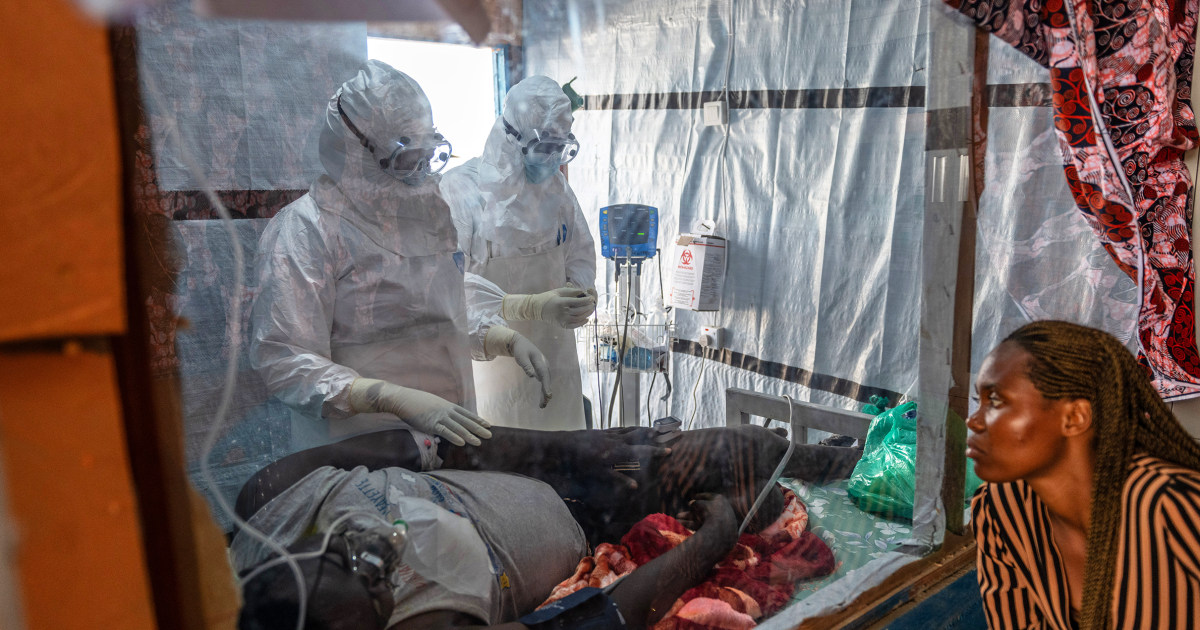
UNICEF scales up emergency response as Ebola spreads in DR Congo camps
Overcrowding in displacement camps in Ituri has increased Ebola transmission risks, while maternal mortality rates have doubled amid a collapse in healthcare.
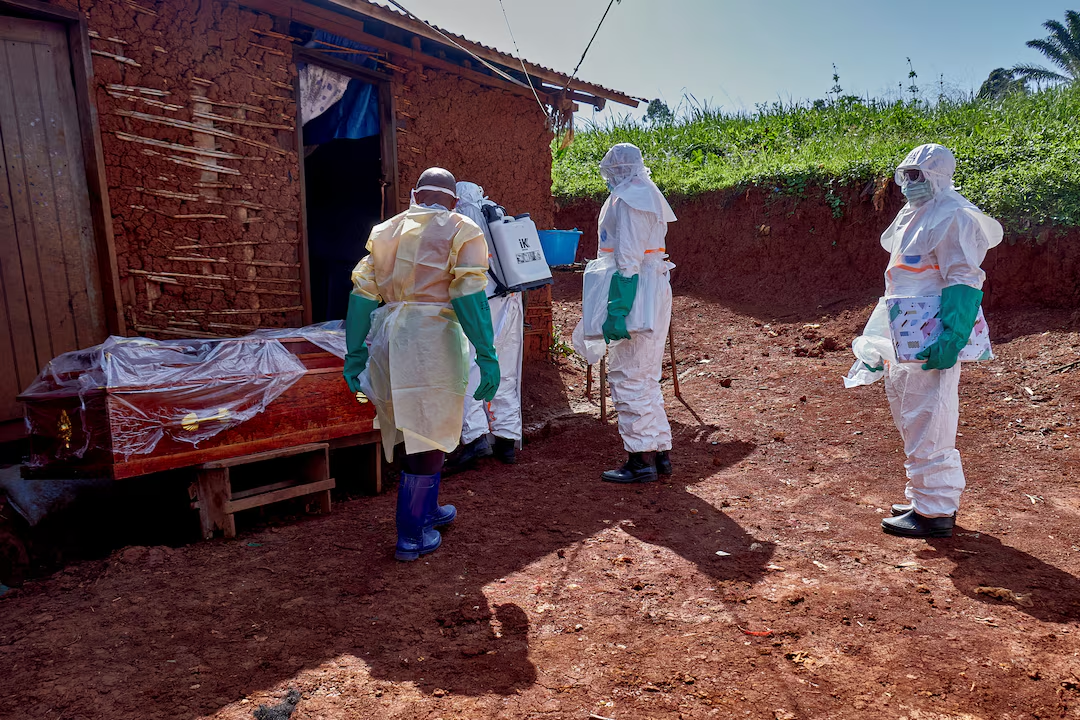
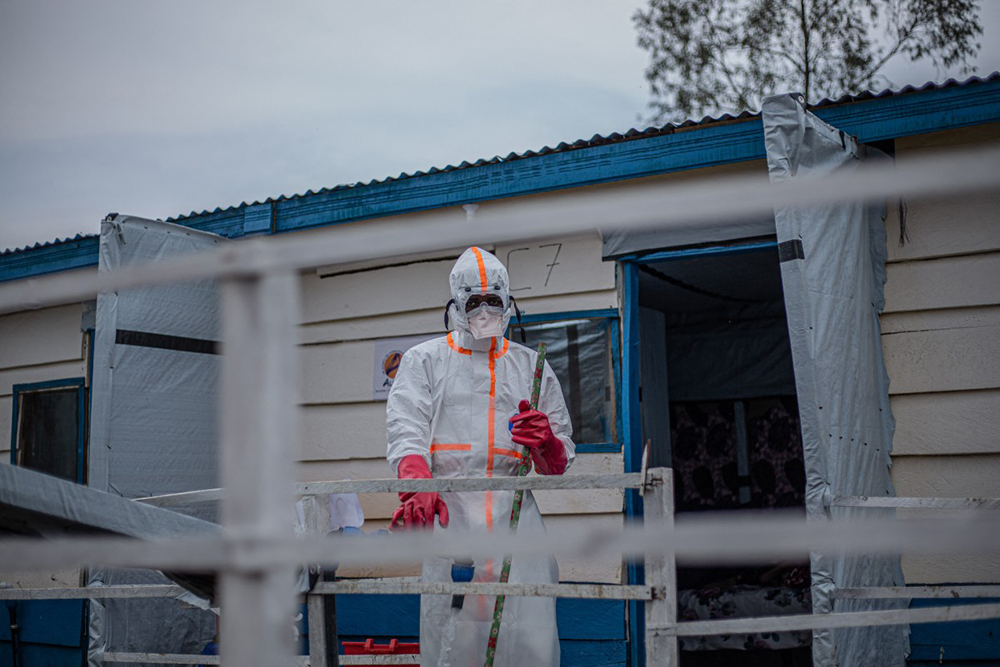
The United Nations issued a warning on Monday, 20 July 2026, regarding the heightened risk of Ebola transmission within displacement camps located in the eastern region of the Democratic Republic of the Congo (DRC). According to the UN Office for the Coordination of Humanitarian Affairs (OCHA), confirmed cases of the virus have been identified in at least 16 displacement sites throughout Ituri, the northeastern province currently at the center of the outbreak. These camps provide shelter for over 270,000 individuals, and authorities report that the combination of severe overcrowding and restricted access to fundamental services creates conditions that facilitate the spread of the disease.
The current epidemic, which involves the Bundibugyo strain of the Ebola virus, was first declared on 15 May 2026, following a series of deaths in Ituri. Because this specific strain lacks approved vaccines or existing treatments, the humanitarian response has prioritized infection prevention, including the deployment of handwashing stations and community outreach initiatives. However, OCHA stated that the scale of the population's needs currently exceeds available resources. The agency has called for urgent international support to bolster the response and provide aid to communities already affected by chronic conflict and difficult living conditions.
Related media

The Secondary Impact on Maternal and General Healthcare
The emergence of the virus has triggered a decline in the utilization of formal healthcare services, with severe consequences for maternal health. Data from the United Nations Population Fund (UNFPA) indicates that maternal mortality in the Ituri province has doubled since the outbreak began. Prior to 15 May 2026, the region saw an average of 3.1 maternal deaths per week. That figure has since risen to 6.2. Experts note that many expectant mothers are choosing to deliver at home to avoid hospitals, fearing either exposure to the virus or the social stigma associated with being identified as a suspected case.
This trend is part of a broader "silent collapse" of essential healthcare, according to medical professionals. Josué Mungwete, the deputy medical director of Panzi hospital, noted that local residents are increasingly relying on self-medication and avoiding clinical care for urgent conditions such as obstetric emergencies, kidney failure, infections, strokes, and cardiovascular complications.
"My main concern is indirect mortality. We fear that patients will not die from Ebola, but will die because they arrive too late for an obstetric emergency, kidney failure, a severe infection, a stroke, a cardiovascular complication, or another urgent medical condition."
The regional health infrastructure was already operating under extreme pressure before the onset of the current outbreak, with the World Bank reporting a ratio of one doctor for every 5,000 people. Marie Belizaire, a World Health Organization incident manager based in Bunia, characterized the system as lacking a "shock absorber." Furthermore, the risks to frontline responders are high; reports indicate that 34 healthcare workers have died since the start of the outbreak. Currently, Ebola treatment units are operating at high capacity, with recent assessments showing them at 96 percent usage.
Outbreak Scale and Geographical Spread
While Ituri remains the primary focus of the crisis, the virus has been confirmed in five DRC provinces and has spread to neighboring Uganda. According to the World Health Organization, there have been 2,344 confirmed cases of Ebola in the DRC, including 930 deaths. there are 192 suspected cases, and more than 460 patients have recovered. This event is now classified as the third-largest Ebola outbreak on record.
Epidemiological data suggests the situation is complex, with Olivier le Polain, the WHO’s head of epidemiology and analytics, indicating that the scale of the outbreak is likely larger than current surveillance reveals. While early cases were linked to travel from identified hotspots, there is evidence of local community transmission in new health zones. Challenges to containment are compounded by the presence of armed groups and the resulting instability in the region, which has led to damaged infrastructure and persistent population displacement.
Response and Future Outlook
In response to the escalating situation, Unicef has activated its highest level of emergency classification, a Level 3 Corporate Emergency. This move facilitates the acceleration of supplies—including over 50 tonnes of infection prevention materials sent to Bunia—and the deployment of emergency personnel. The organization emphasizes the necessity of maintaining "continuity of care" for routine medical needs, such as vaccinations and malaria treatments, to prevent a systemic collapse similar to those seen in past outbreaks.
Archypedia is dedicated to independent, evidence-backed reporting. This briefing was synthesized from primary source reporting, corroborated across independent newsrooms, and verified against our Editorial Standards.
Transparency record
Evidence behind this report
This report synthesizes 5 distinct sources. Open the source ledger below to compare the underlying coverage.
Prepared under the Archypedia Editorial Policy by the Lina Park editorial desk profile. AI-assisted tools may support drafting and verification; public accountability remains with Archypedia. Report an error.