Mediterranean diet linked to heart-protecting mitochondrial microproteins
New research from USC suggests the Mediterranean diet may protect the heart and brain by activating tiny proteins within the mitochondria.
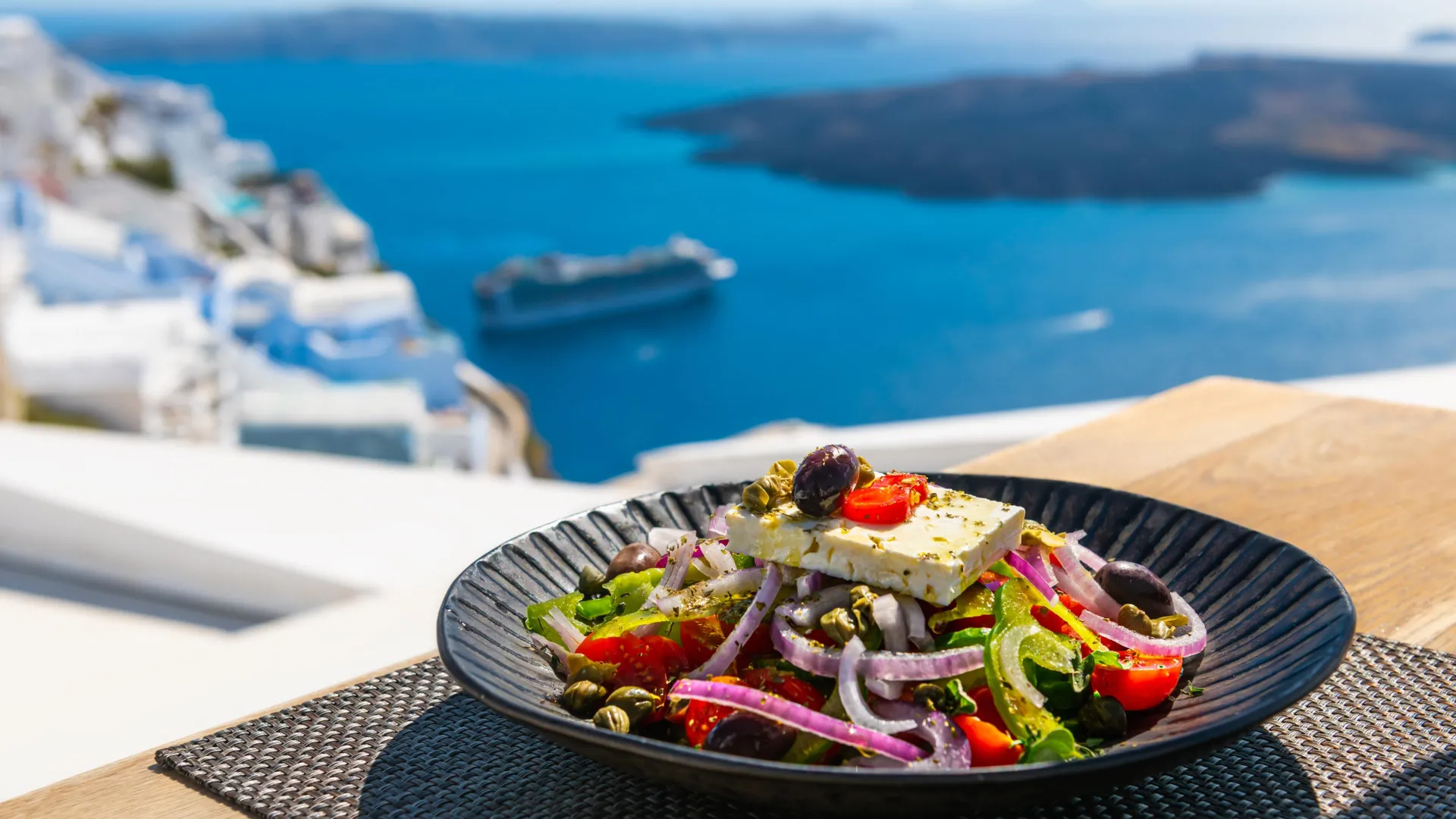
A new study from the USC Leonard Davis School of Gerontology suggests the long-observed health benefits of the Mediterranean diet may be driven by a previously unexpected biological pathway: the activation of tiny proteins produced inside the mitochondria. These microproteins appear to act as molecular messengers that translate dietary intake into cellular function and aging processes.
The research, published March 9, 2026, in Frontiers in Nutrition, identifies two specific mitochondrial microproteins — humanin and SHMOOSE — that are found at higher levels in older adults who adhere closely to a Mediterranean-style eating pattern. Both proteins have been previously linked to the protection of the heart and the prevention of neurodegeneration, such as the loss of nerve cell function seen in Alzheimer's disease.
Related media


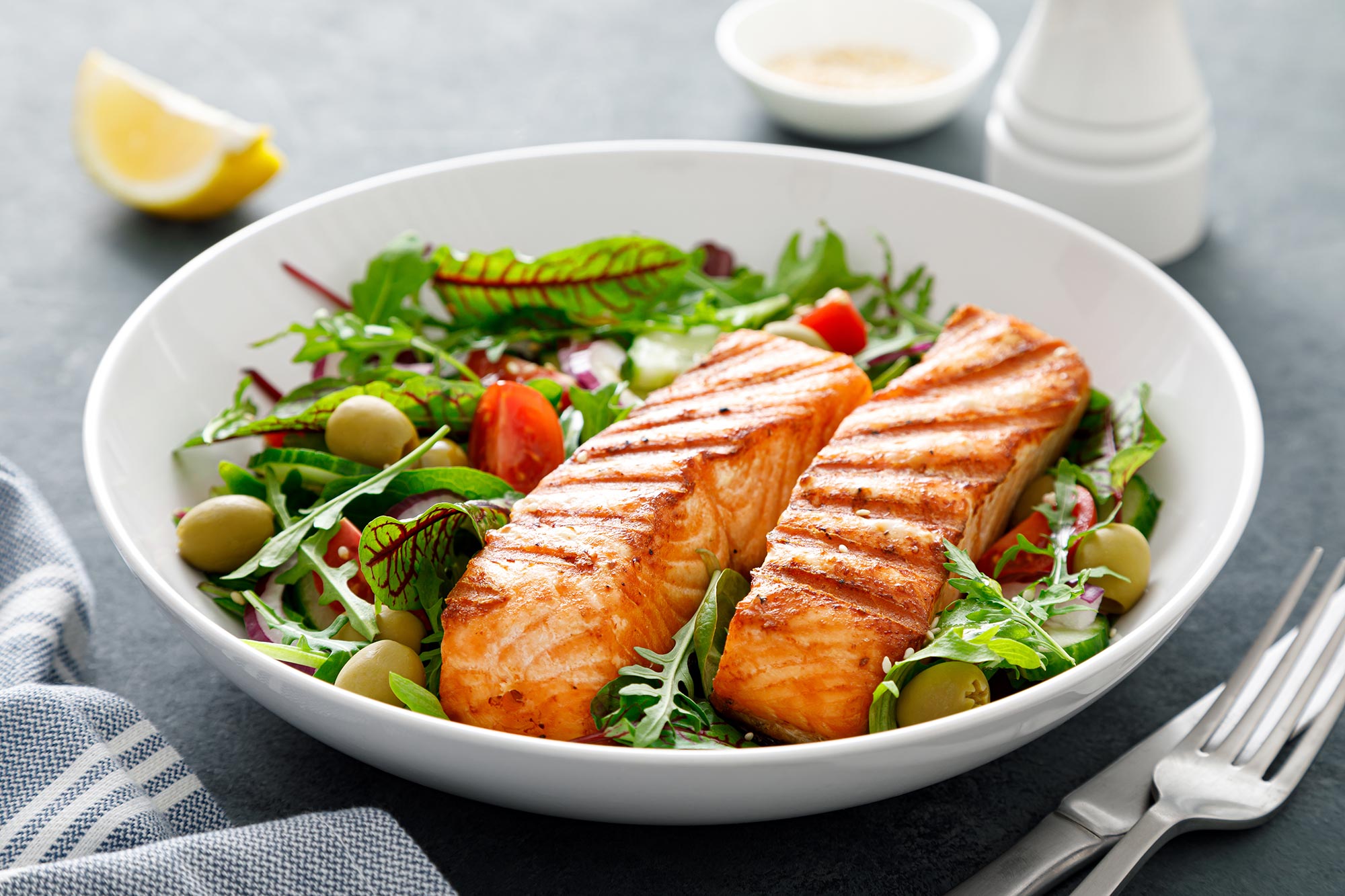
The Role of Mitochondrial "Messengers"
Mitochondria are commonly known as the energy producers of the cell, but researchers now recognize them as sources of chemical signals that influence inflammation, stress responses, and metabolism. Unlike most proteins, which are created from DNA in the cell nucleus, humanin and SHMOOSE are produced from "small open reading frames" within the mitochondrial genome, regions scientists once believed had no function.
According to the study's senior author, USC Distinguished Professor and Dean Pinchas Cohen, these peptides are emerging as key regulators of aging biology
that connect nutrition to mitochondrial function and chronic diseases. Cohen and his colleagues first identified humanin in 2003; subsequent work linked it to longevity, improved insulin sensitivity, and cardiovascular protection.
SHMOOSE (Small Human Mitochondrial ORF Over SErine tRNA) is more closely tied to brain health. While one genetic variant of SHMOOSE is associated with a higher risk of Alzheimer's, the normal form of the protein appears to protect neurons from damage caused by amyloid, the protein that forms plaques in the brain.
Dietary Components and Cellular Impact
The research team found that different elements of the Mediterranean diet contribute differently to the production of these microproteins. This suggests that the diet's power is not derived from a single source, but from a combination of specific foods and the avoidance of others.
| Dietary Factor | Associated Mitochondrial Benefit |
|---|---|
| Olive oil, fish, and legumes | Increased levels of humanin |
| Olive oil and low refined carbohydrate intake | Increased levels of SHMOOSE |
| General Mediterranean adherence | Lower indicators of oxidative stress |
The researchers also identified a potential cardioprotective mechanism involving the enzyme Nox2. Higher levels of humanin were associated with lower Nox2 activity. Because Nox2 is involved in producing reactive oxygen species, unstable molecules that can cause oxidative stress and damage DNA, proteins, and fats, humanin may help limit this cellular damage to protect blood vessels and the heart.
Roberto Vicinanza, an instructional associate professor of gerontology at USC who led the study, proposes that the diet works through a dual mechanism: it directly reduces oxidative stress while simultaneously boosting microproteins that restrain damaging cellular pathways.
From Observation to Precision Nutrition
Despite the findings, the study was relatively small and observational. Because it was observational, it identified associations rather than proving that the diet directly caused the increase in microproteins. Factors such as genetics, medication, and physical activity could have influenced the results.
However, the findings point toward precision nutrition, an approach where biomarkers like humanin and SHMOOSE could be used to design individualized dietary recommendations. By measuring these proteins, scientists may eventually determine how a specific person's body is responding to a Mediterranean eating pattern.
Vicinanza notes that these findings bridge the gap between centuries-old dietary traditions with cutting-edge molecular biology
. He suggests that avoiding ultra-processed foods mimics the conditions to which mitochondria, which evolved from bacteria over a billion years ago, are naturally adapted.
Global Advocacy and Future Outlook
The scientific effort is coinciding with a broader cultural movement. Vicinanza has collaborated with the Municipality of Pollica in Italy to establish an International Day of the Mediterranean Diet at the United Nations, to be observed annually on November 16. This initiative aims to promote the diet as a model for environmental sustainability and global health.
What to watch next: Future research will aim to move from observing associations to understanding causality. Scientists plan to test whether specific dietary interventions can directly raise the levels of humanin and SHMOOSE and whether those increases result in a measurable reduction in the risk of heart disease and neurodegeneration.
Archypedia is dedicated to independent, evidence-backed reporting. This briefing was synthesized from primary source reporting, corroborated across independent newsrooms, and verified against our Editorial Standards.
Transparency record
Evidence behind this report
This report synthesizes 12 distinct sources. Open the source ledger below to compare the underlying coverage.
- scitechdaily.com
- sciencedaily.com
- europesays.com
- gero.usc.edu
- linkedin.com
- dnascience.plos.org
- pmc.ncbi.nlm.nih.gov
- diabetes.co.uk
- bionity.com
- insideprecisionmedicine.com
- scientificdiet.org
- knowridge.com
Prepared under the Archypedia Editorial Policy by the Lina Park editorial desk profile. AI-assisted tools may support drafting and verification; public accountability remains with Archypedia. Report an error.