Pancreatic cancer vaccine shows safety and durable immune response in trial
A phase I trial shows the mKRAS-VAX vaccine can stimulate long-term T-cell responses in individuals with precancerous pancreatic lesions and is well tolerated.

A new clinical approach aimed at intercepting pancreatic cancer before it progresses has yielded promising initial results. A phase I clinical trial has demonstrated that a vaccine targeting common KRAS mutations—the primary oncogenic drivers in more than 90% of pancreatic ductal adenocarcinoma (PDAC) cases—is safe and capable of stimulating a durable immune response in individuals at high risk for the disease. The findings, published in the journal Cancer Discovery, suggest a potential pathway for preventing the condition in patients who currently have few non-invasive options.
Pancreatic ductal adenocarcinoma is frequently diagnosed at advanced stages and is characterized by a low five-year survival rate. Approximately 10% of cases are linked to hereditary factors, where specific pathogenic mutations are passed down through families. The disease often evolves over time from precursor lesions, such as pancreatic intraepithelial neoplasia or intrapapillary mucinous neoplasms. For those at high risk due to these genetic predispositions or the presence of suspicious lesions, such as pancreatic cysts, the current standard of care involves intensive surveillance. If imaging suggests a transformation to malignancy, surgery is typically required. However, such procedures carry significant risks and, according to researchers at the Sidney Kimmel Comprehensive Cancer Center at Johns Hopkins University, the risk of recurrence remains as high as 80%.
Related media
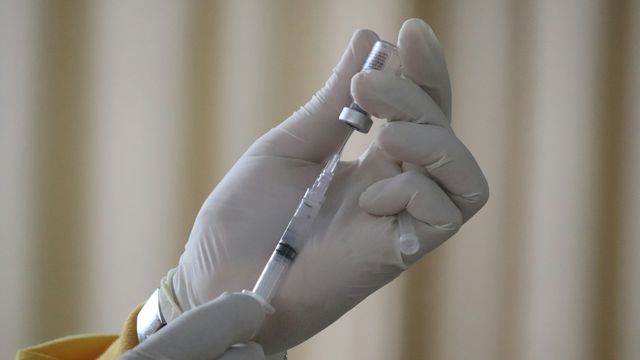
The experimental vaccine, known as mKRAS-VAX, is an off-the-shelf synthetic long peptide designed to target the six most frequent KRAS mutations found in pancreatic precancer lesions. The trial enrolled 20 participants with a median age of 66.5 years, ranging from 46 to 81. A majority of these individuals had a first-degree relative diagnosed with PDAC and carried a germline mutation in a predisposition gene. All participants had radiographic evidence of a pancreatic abnormality, typically a small cyst.
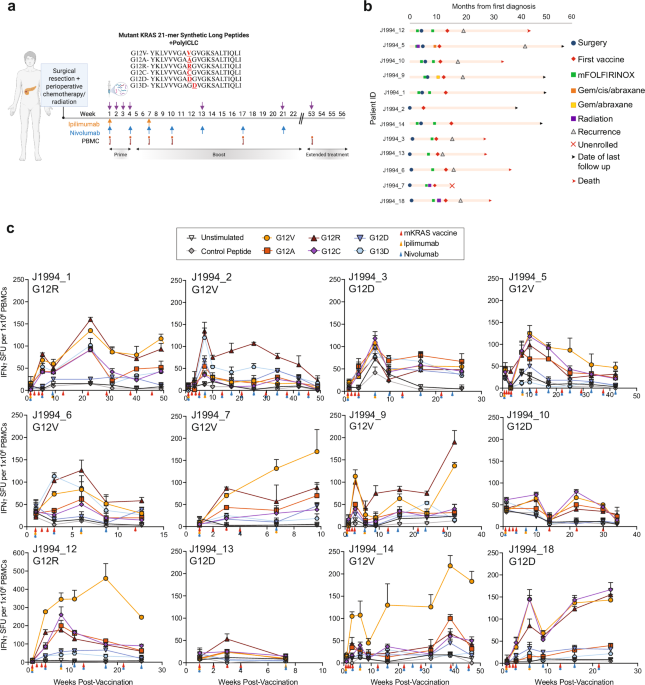
In the trial, participants received the vaccine through a series of subcutaneous injections, with priming doses administered at weeks one, three, and five, followed by a boost dose at week 13. Safety data provided by the investigators indicates that the vaccine was well tolerated. No grade 3 or higher adverse events were reported, with most side effects consisting of mild injection site reactions, fatigue, chills, or flu-like symptoms. Following a median follow-up period of 16.5 months, no participants had developed cancer.
The study results revealed that 18 of the 20 participants, or 90%, developed mutant-KRAS-specific effector and central memory T-cell responses. These immune responses were not only robust but, according to the research team, remained detectable in the blood for up to two years post-vaccination. Neeha Zaidi, an associate professor of oncology at the Sidney Kimmel Comprehensive Cancer Center, noted that this longevity is essential for cancer interception, as the process requires sustained immunity to identify and destroy rogue cells as they arise. Elizabeth Jaffee, deputy director of the center, highlighted that the vaccine is a piece of protein rather than a cancer-inducing agent, meaning it degrades once the immunization process is complete and does not integrate with DNA.
Beyond immune markers, researchers observed an exploratory clinical endpoint involving pancreatic cysts: 37.5% of vaccinated individuals saw their cysts shrink or resolve, compared to only 6.8% in an unvaccinated cohort with similar clinical characteristics. While these results are encouraging, the research team emphasizes that the small sample size means clinical efficacy cannot yet be confirmed.
What to Watch Next
- Larger Interception Studies: Future, larger-scale and multicenter studies are required to establish whether the vaccine is the direct cause of the cyst regressions observed and to bring the treatment to a broader high-risk population.
- Tissue-Level Analysis: An ongoing clinical trial is currently evaluating whether the T cells generated by the vaccine are capable of infiltrating precancerous tissues in individuals undergoing surgery, rather than just being detectable in peripheral blood.
- Refining Protocols: Investigators continue to work toward identifying optimal targets and the most effective timing for administration to maximize long-term memory responses.
The research effort was funded by the National Cancer Institute, the Lustgarten Foundation, and Stand Up To Cancer. Jaffee emphasized that while this development is a significant milestone, it is only the first step in a longer research trajectory. "More studies are needed to find the best vaccine approaches, the best targets, and the ideal timing for vaccination," she said.
Archypedia is dedicated to independent, evidence-backed reporting. This briefing was synthesized from primary source reporting, corroborated across independent newsrooms, and verified against our Editorial Standards.
Transparency record
Evidence behind this report
This report synthesizes 8 distinct sources. Open the source ledger below to compare the underlying coverage.
- aacr.org
- medicinenet.com
- brightsurf.com
- healio.com
- mskcc.org
- facingourrisk.org
- technologynetworks.com
- nature.com
Prepared under the Archypedia Editorial Policy by the Lina Park editorial desk profile. AI-assisted tools may support drafting and verification; public accountability remains with Archypedia. Report an error.