UN humanitarians step up Ebola response amid growing violence in DR Congo
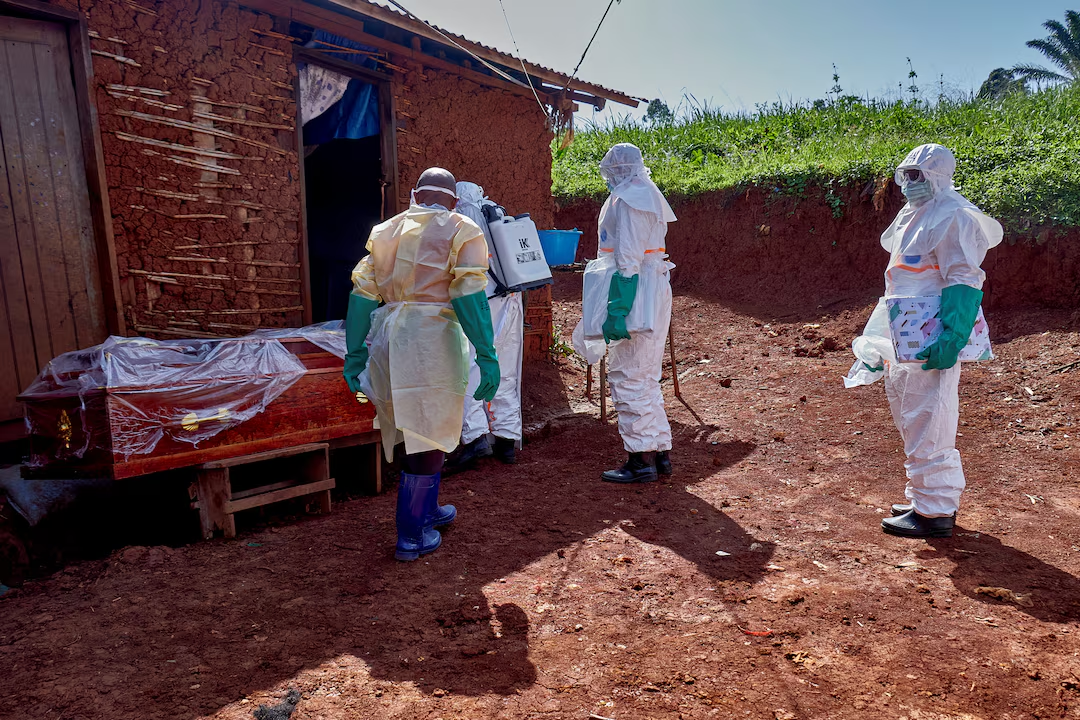
Humanitarian efforts to contain the Ebola outbreak in DR Congo are being challenged by widespread violence and displacement that complicate access to treatment.
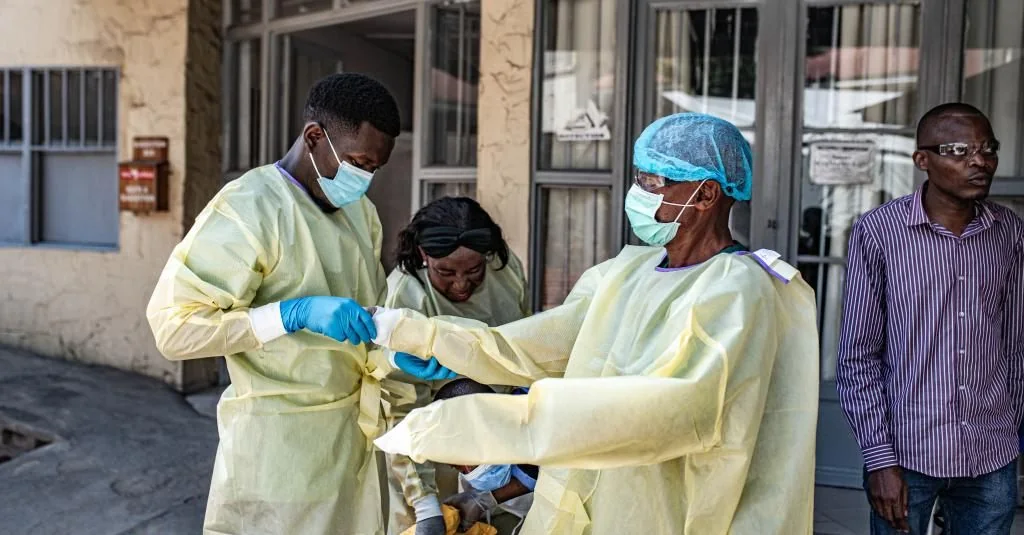
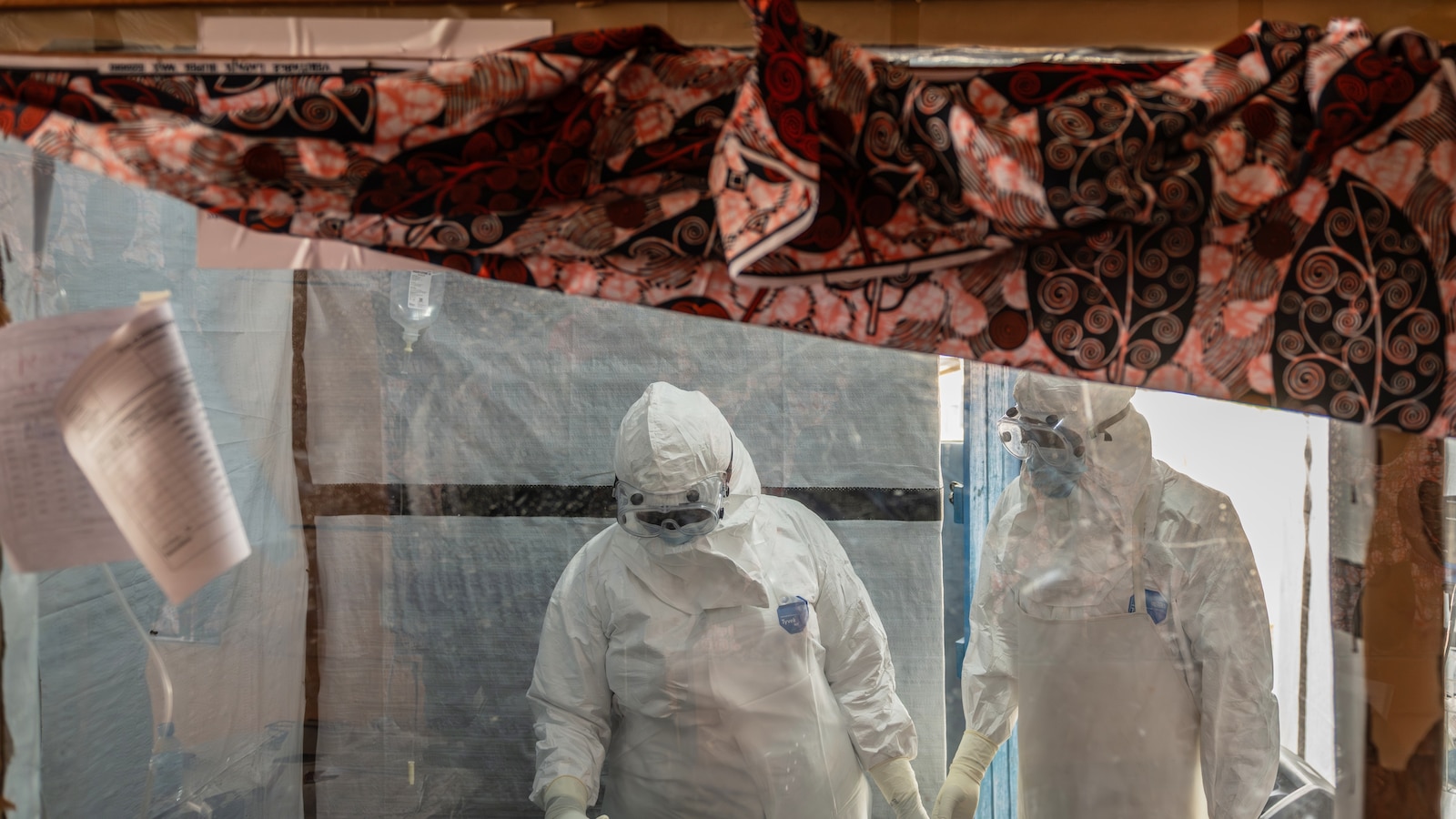
The response, coordinated by the UN Office for the Coordination of Humanitarian Affairs (OCHA) in partnership with the national government, focuses on strengthening surveillance, laboratory testing, and treatment capacity. These efforts come as officials confirmed on Thursday that the current epidemic is the third-largest Ebola outbreak on record.
The operational landscape remains volatile. In the Beni territory of North Kivu, at least 10 people were killed and seven others injured during an attack on Wednesday. This violence is part of a wider trend that has claimed at least 22 lives since Sunday, according to OCHA. The surge in hostility has resulted in civilian displacement, which humanitarian organizations report is further complicating access to areas already suffering from the virus.
As of Wednesday, national authorities recorded 2,124 confirmed cases across five provinces: Ituri, North Kivu, South Kivu, Haut-Uele, and Tshopo. Ituri remains the epicenter of the outbreak, with transmission continuing at a very high level and evidence that many cases are still going undetected in the community.
To bolster the emergency response, the DRC government delivered 10 ambulances to Ituri on Thursday. These vehicles are intended to facilitate patient transport and improve case management. Meanwhile, Médecins Sans Frontières (MSF) has called for an urgent, large-scale international surge in support. According to the organization, the speed of the outbreak — which is caused by the Bundibugyo virus — is unprecedented, with confirmed cases having tripled in less than five weeks as of 12 July.
Operational Challenges and Medical Needs
MSF reports that the outbreak has already exceeded half the total case count recorded during the 2018–2020 epidemic in the DRC. Trish Newport, the emergency programme manager for MSF, noted the systemic difficulty of the current response:
"Every delay costs lives. We are still chasing the outbreak instead of staying ahead of it."
The strain on medical facilities is acute. The 90-bed Elikiya Ebola treatment center in Bunia consistently operates at full capacity. Sylvie Kaczmarczyk, an MSF emergency coordinator in Bunia, reported that families often delay seeking care due to the lack of available beds, resulting in patients arriving in critical condition with reduced chances of survival. MSF currently operates seven treatment centers and more than 15 isolation units across the affected provinces, managing a total capacity exceeding 430 beds.
Current Status of the Response
| Metric | Reported Data |
|---|---|
| Confirmed cases | 2,124 (as of Wednesday) |
| Key affected provinces | Ituri, North Kivu, South Kivu, Haut-Uele, Tshopo |
| Primary intervention goals | Surveillance, lab testing, isolation, safe burials |
| Recent surge in violence | At least 22 killed since Sunday (per OCHA) |
Beyond the direct response to the virus, humanitarian workers are navigating a complex environment characterized by armed conflict and other concurrent health emergencies, including malaria and cholera. Experts warn that the upcoming rainy season is likely to exacerbate malaria transmission, further taxing the overstretched health infrastructure.
Movement restrictions imposed by authorities in the DRC and neighboring countries, including border closures and strict monitoring requirements, have also created logistical hurdles for the rotation of specialized staff. Despite these obstacles, OCHA has emphasized that the protection of civilians and the safety of health workers remain fundamental requirements for containment.
What to Watch Next
- Humanitarian Access: Monitors will track whether the security situation in Beni and other areas allows for sustained access to critical health zones.
- Capacity Expansion: Efforts are underway to prepare additional isolation and treatment facilities across the five affected provinces to mitigate the "wait-at-home" behavior reported by medical teams.
- Surveillance Integration: The effectiveness of the response will hinge on whether health authorities can successfully bring diagnostic and treatment services closer to communities to detect cases before they become critical.
Archypedia is dedicated to independent, evidence-backed reporting. This briefing was synthesized from primary source reporting, corroborated across independent newsrooms, and verified against our Editorial Standards.
Transparency record
Evidence behind this report
This report synthesizes 5 distinct sources. Open the source ledger below to compare the underlying coverage.
Prepared under the Archypedia Editorial Policy by the Lina Park editorial desk profile. AI-assisted tools may support drafting and verification; public accountability remains with Archypedia. Report an error.