What if a shingles jab could also protect your brain?
Emerging research indicates that the shingles vaccine might provide neuroprotective benefits beyond preventing painful rashes, potentially reducing dementia risk in older adults.

As of Thursday, 16 July 2026, a growing body of scientific evidence suggests that a common medical intervention long used to prevent a painful skin rash may also provide a previously unrecognized benefit: a lowered risk of developing dementia. While the medical community maintains that the primary purpose of the shingles vaccine remains infection prevention, recent observational studies have sparked a shift in how clinicians discuss the jab with aging patients.
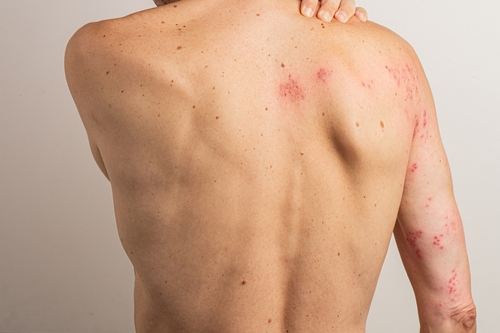
The shingles virus, known as the varicella-zoster virus, remains dormant in the nervous system after a childhood chickenpox infection. As the immune system naturally weakens with age, the virus can reactivate, causing shingles. Beyond the characteristic painful blisters, the virus is known to trigger widespread inflammation in the central nervous system. Experts believe this inflammatory response may damage blood vessel linings and contribute to the buildup of proteins associated with Alzheimer’s disease, such as amyloid and tau.
Related media


Evaluating the Evidence
Much of the current enthusiasm stems from observational research—including studies in the US and Wales—which consistently links vaccination to a reduction in dementia incidence. In one natural experiment examining health records in Wales, researchers compared similar groups of people who were or were not eligible for the vaccine based on birth-date cutoffs. Those who had received the vaccine showed a 20% lower risk of developing dementia over the following seven years.
Researchers have also compared the older, now-discontinued live vaccine, Zostavax, with the newer recombinant vaccine, Shingrix. While Shingrix is the current standard for adults aged 50 and older, evidence indicates it may offer even greater potential for neuroprotection. Experts have suggested that the potent immune-boosting adjuvant found in Shingrix might play a key role in its performance compared to its predecessor. Nonetheless, experts caution that because these findings are observational, they do not definitively prove the vaccine causes the decline in dementia rates.
Studies have yielded varied findings regarding the scale of this potential protection. One analysis of nursing facility patients found that those who received at least one dose of the shingles vaccine had a 5.8% lower risk of developing dementia over the following four years. Other research suggests the vaccine may be associated with slowed cognitive decline in individuals already diagnosed with dementia, or even a reduction in the severity of cognitive impairment.
Key Considerations for Patients
- Vaccine Type: Shingrix is a two-dose series and is currently the primary recommendation for adults 50 and older.
- Previous Infection: Even those who have already experienced a bout of shingles or received the older Zostavax jab are encouraged to get Shingrix.
- Beyond Prevention: Clinical discussions are evolving to view the vaccine as part of a broader strategy for brain health, similar to blood pressure control or diabetes management.
The Road Ahead
Despite the potential benefits, uptake of the vaccine remains inconsistent. In many regions, including South Africa, a lack of awareness regarding these brain-health findings has slowed demand. Practitioners note that even when the vaccine is available, competing healthcare crises often push preventative medicine to the periphery. Furthermore, the absence of reporting requirements for shingles makes it difficult for researchers to track the full scope of the disease burden in many populations.
While the data is described as provocative
, exciting
, and fascinating
by specialists, the medical establishment is waiting for randomized controlled trials to confirm these initial signals. Until then, the primary clinical recommendation remains unchanged: vaccination is a critical tool for avoiding the debilitating pain of post-herpetic neuralgia and potential vision loss, with the prospect of long-term cognitive protection serving as an increasingly compelling secondary argument.
Archypedia is dedicated to independent, evidence-backed reporting. This briefing was synthesized from primary source reporting, corroborated across independent newsrooms, and verified against our Editorial Standards.
Transparency record
Evidence behind this report
This report synthesizes 12 distinct sources. Open the source ledger below to compare the underlying coverage.
- sundaytimes.timeslive.co.za
- elizabethstorymd.com
- timesnownews.com
- yahoo.com
- womenshealthmag.com
- forbes.com
- helpdementia.com
- nbcnews.com
- theconversation.com
- technology.org
- medicalnewstoday.com
- nature.com
Prepared under the Archypedia Editorial Policy by the Lina Park editorial desk profile. AI-assisted tools may support drafting and verification; public accountability remains with Archypedia. Report an error.

