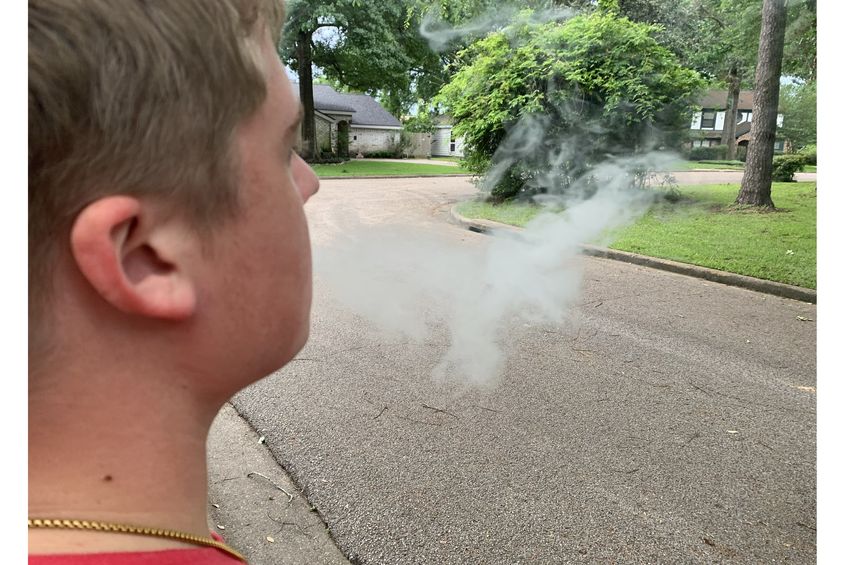
High cholesterol increases risks of heart disease and stroke without symptoms
High cholesterol can silently damage arteries for years, often causing life-threatening events as the first sign of illness. Experts recommend routine lipid panel screenings to detect and manage risks early.

High cholesterol often persists for years or even decades without causing outward symptoms, leaving many individuals unaware that their cardiovascular health is steadily declining. Because the condition typically does not manifest as pain, dizziness, or sickness, medical professionals stress that relying on physical feelings to gauge health is a dangerous miscalculation. This silent progression is particularly problematic among young adults, who may mistakenly assume that their age acts as a protective shield against heart disease.
The Mechanism of Silent Damage
Cholesterol is a waxy substance that the body requires to build cells and produce hormones. However, when excess LDL — often termed "bad" cholesterol — circulates in the bloodstream, it penetrates the walls of the arteries. Once inside, this cholesterol undergoes oxidation and triggers an immune response, leading to the formation of foam cells and, eventually, hardened plaque. This process, known as atherosclerosis, causes arteries to narrow and stiffen over time. According to the National Heart, Lung, and Blood Institute, this buildup can continue silently for many years before an individual experiences chest pain or a stroke.
Related media
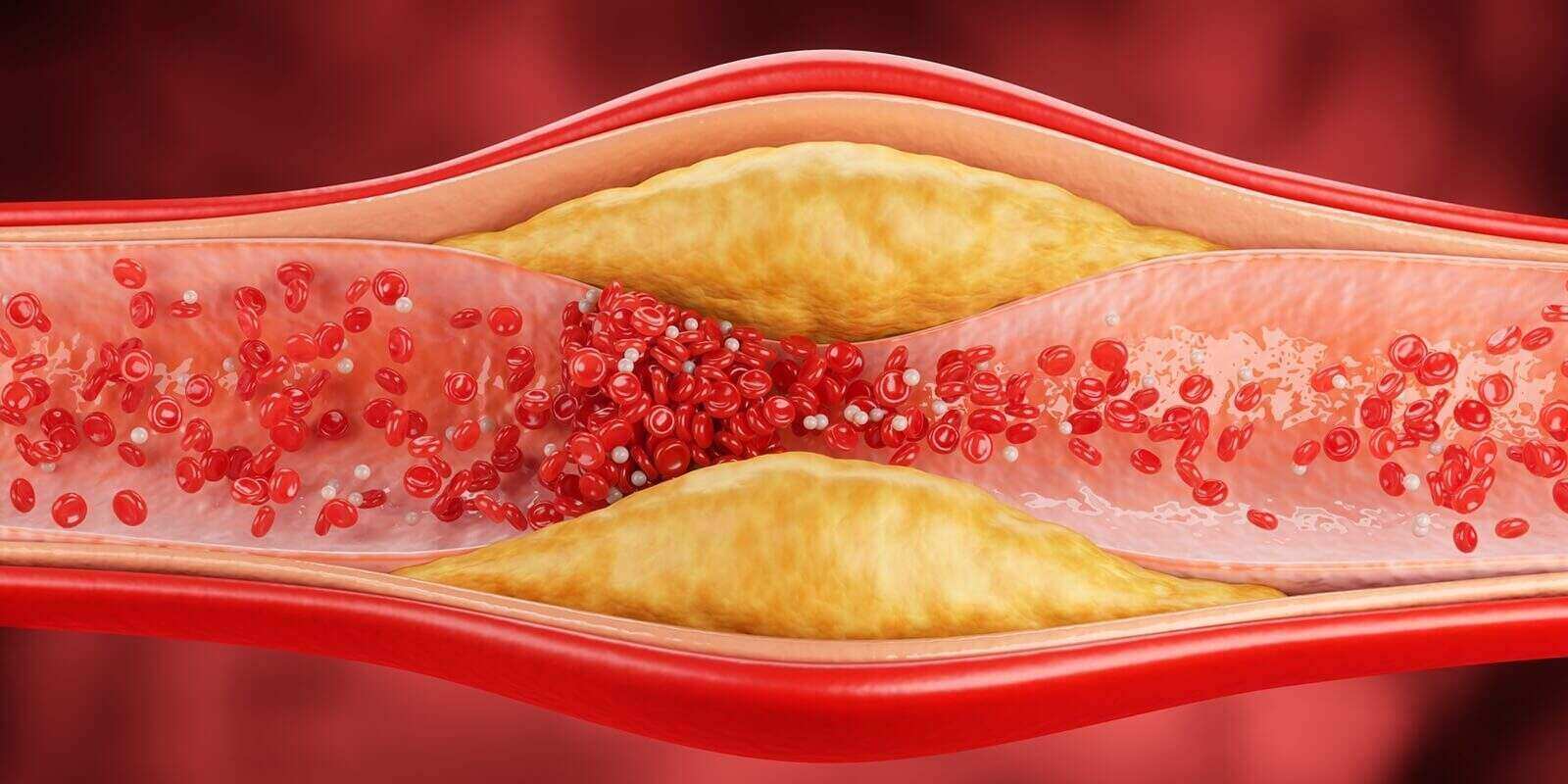

The lack of early warning signs is a primary reason why routine screening is critical. For many, the first symptom of high cholesterol is a sudden, life-threatening cardiac event. When plaque deposits become unstable, they can rupture, leading the body to form a blood clot that blocks blood flow to the heart or brain. According to the Centers for Disease Control and Prevention, high LDL cholesterol significantly increases the risk of heart disease and stroke, even in people who feel physically well.
The Importance of Early Screening
Medical experts emphasize that cardiovascular risk behaves like an investment; early management allows for the compounding of positive health outcomes over a lifetime. While some individuals may notice physical indicators like xanthomas, yellow-colored skin bumps caused by fat deposits under the skin, these are rare. For the vast majority, a blood test known as a lipid panel remains the only reliable method for detection. This test measures total cholesterol, LDL, HDL, and triglycerides.
Guidelines for testing vary based on individual risk factors:
- Childhood/Adolescence: Pediatricians typically screen between the ages of 9 and 11, and again between 17 and 21.
- General Adult Population: Starting at age 20, the American Heart Association recommends a screening every four to six years, provided risk levels remain low.
- Increased Risk: Individuals with a family history of heart disease, diabetes, or other chronic conditions often require annual or bi-annual monitoring.
Factors Influencing Risk
High cholesterol is rarely the result of a single cause. It is frequently driven by a combination of genetics and lifestyle choices. Genetic conditions, such as familial hypercholesterolemia, can cause dangerously high levels regardless of diet. Lifestyle factors that contribute to higher LDL and lower "good" HDL cholesterol include:
- Diets high in saturated and trans fats, such as red meat, high-fat dairy, and processed foods.
- A lack of regular cardiovascular and strength-training exercise.
- Smoking, which damages blood vessels and lowers HDL levels.
- Consumption of excessive alcohol.
Furthermore, underlying conditions such as diabetes, hypothyroidism, and chronic kidney disease can exacerbate the buildup of plaque in the arteries.
Taking Proactive Control
Managing cholesterol is widely considered a highly treatable endeavor. The first line of defense generally involves lifestyle modifications: reducing saturated fat intake, quitting smoking, and increasing physical activity to meet recommended weekly guidelines. When lifestyle changes are insufficient, or when genetics play a significant role, medical professionals may prescribe statins to lower cholesterol and stabilize existing plaque.
Ignoring these numbers until middle age is a significant risk, as clinical studies indicate that atherosclerosis can begin in childhood. Early intervention allows individuals to protect their arteries while damage is still potentially reversible. Proactive management serves as a vital safeguard, preventing the "puzzle" of potential future cardiac events before they occur.
For those looking to assess their health, medical providers recommend starting with a baseline measurement that includes cholesterol, blood sugar, and blood pressure. Understanding one's family history and engaging in regular, informed consultations with a healthcare provider can identify risks before they manifest as critical emergencies.
Archypedia is dedicated to independent, evidence-backed reporting. This briefing was synthesized from primary source reporting, corroborated across independent newsrooms, and verified against our Editorial Standards.
Transparency record
Evidence behind this report
This report synthesizes 4 distinct sources. Open the source ledger below to compare the underlying coverage.
Prepared under the Archypedia Editorial Policy by the Lina Park editorial desk profile. AI-assisted tools may support drafting and verification; public accountability remains with Archypedia. Report an error.