New Imaging Technology Tracks Cellular Roots of Alzheimer's, Parkinson
University of Houston researchers are using advanced imaging to track CTR1 protein dynamics, identifying how cellular copper regulation may influence neurodegenerative disease.

A new wave of research is shedding light on the molecular origins of neurodegenerative conditions, offering a refined look at how the brain manages essential metals. Scientists are utilizing advanced single-molecule imaging to track the behavior of copper-regulating proteins, a development that could transform the understanding of Alzheimer’s, Parkinson’s, and ALS.
For years, researchers have recognized that copper imbalances within neurons are linked to severe neurological decline. While the precise origins of these conditions remain elusive, the scientific focus has shifted toward how cells maintain copper homeostasis. Recent findings suggest that copper dysregulation may be a primary driver in the progression of these diseases, influencing the aggregation of proteins like amyloid-beta and impacting tau phosphorylation, according to academic reviews on the subject.
Related media


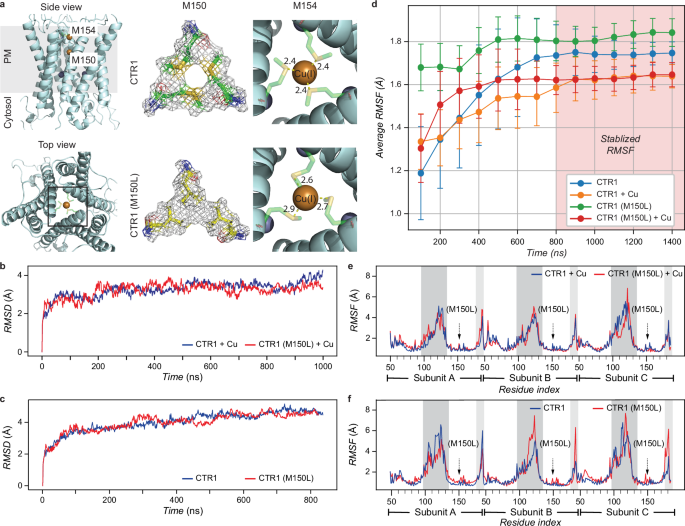
Dynamics of the CTR1 Protein
At the center of this research is a protein known as CTR1. This protein is responsible for transporting copper into cells. New evidence indicates that CTR1 is more responsive to changing environments than previously understood. Research published in Nature details how elevated levels of intracellular copper trigger a structural shift in CTR1. The protein transitions from a trimeric state to a monomeric state, a process that effectively stops further copper uptake to prevent toxicity. This structural reconfiguration occurs prior to endocytosis, serving as a rapid internal check on copper levels.
Tai-Yen Chen, an associate professor of chemistry at the University of Houston, has been instrumental in characterizing these dynamics. His lab has pioneered the use of single-molecule localization microscopy to observe these events in real time. By watching individual protein complexes, researchers can now identify rare behaviors that are typically obscured by traditional biochemical methods. Standard approaches usually measure the average signal from large groups of cells, which can mask the specific, short-lived molecular events that may be critical to the onset of disease.
"We discovered that a protein called CTR1, which brings copper into cells, is much more dynamic than scientists previously thought. We found that when copper levels become too high, CTR1 changes its structure in a way that helps reduce copper uptake. This appears to be an important mechanism that cells use to maintain healthy copper levels."
Tai-Yen Chen, Associate Professor of Chemistry, University of Houston, via HeadTopics
Future Implications for Therapy
The ability to quantify these molecular behaviors provides a new path for investigating signaling pathways in human neurons. The current research effort, supported by a significant grant from the National Institute of General Medical Sciences, aims to connect these copper-regulating behaviors to the mechanisms that fail in patients with neurodegenerative disorders. The goal is to develop foundational knowledge that could lead to new therapeutic strategies, moving beyond current medications that primarily manage symptoms.
"Some neurological diseases have been pretty much unsolvable in the past because there were no effective approaches to ask these complex questions. Now, with our unique imaging approach, new questions can be asked quantitatively, which can provide insight and move the field forward."
Tai-Yen Chen, Associate Professor of Chemistry, University of Houston, via University of Houston News
Understanding the Research Timeline
- 2019: Initial findings on cellular copper homeostasis are backed by a grant from the National Institute of General Medical Sciences.
- Recent: The discovery of CTR1 monomerization is published, challenging long-standing views on copper transport.
- July 2026: A five-year grant renewal is awarded to investigate how copper-regulating behaviors relate to signaling in human neurons.
As the scientific community continues to explore the role of metal ions in brain health, this single-molecule approach may extend to other biological processes where rare molecular events play an important role. By pinpointing exactly where these pathways fail at the individual cell level, researchers hope to overcome long-standing barriers to understanding the cellular roots of neurodegeneration.
Archypedia is dedicated to independent, evidence-backed reporting. This briefing was synthesized from primary source reporting, corroborated across independent newsrooms, and verified against our Editorial Standards.
Transparency record
Evidence behind this report
This report synthesizes 4 distinct sources. Open the source ledger below to compare the underlying coverage.
Prepared under the Archypedia Editorial Policy by the Lina Park editorial desk profile. AI-assisted tools may support drafting and verification; public accountability remains with Archypedia. Report an error.