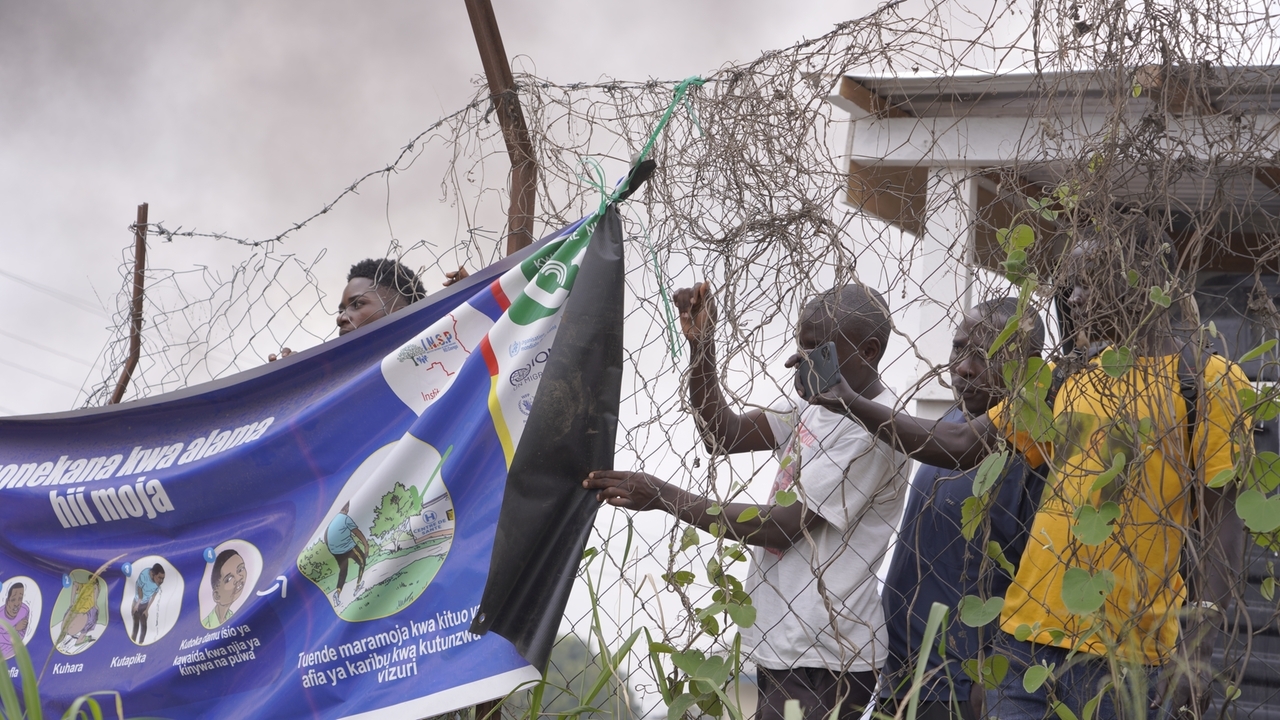
UN warns transport of Ebola bodies within Congo risks further virus spread
The transport of deceased Ebola patients across the Democratic Republic of Congo complicates containment efforts, as traditional rites drive transmission. Officials are now mandating that specialized teams perform burials to prevent further spread of the virus.
The transport of deceased Ebola patients across districts in the Democratic Republic of Congo poses a severe threat to public health as the outbreak continues to expand, according to the International Organization for Migration. While authorities have confirmed no international movement of bodies, the domestic transfer of victims for burial in their home communities remains a common practice that complicates containment efforts, the organization warned on Friday, 17 July.
Ebola, specifically the rare Bundibugyo strain currently circulating in the region, remains highly infectious after death. Because traditional funeral customs often involve washing, shrouding, and direct physical contact with the deceased, these rites serve as primary drivers for viral transmission.
"If we don't really manage the dead bodies well, if we don't engage the community ... then it means there will be more spread within the community,"
Andrew Mbala from IOM
Outbreak Status and Transmission Risks
As of July 14, more than 2,000 Ebola cases and 700 deaths have been recorded in Congo and neighbouring Uganda. A significant portion of these fatalities occurred outside of medical facilities, preventing health officials from performing safe burials or conducting prompt contact tracing. The World Health Organization reported on Tuesday that 80 percent of new infections stem from unknown chains of transmission, suggesting the disease is outpacing existing response capabilities.
The virus has reached multiple provinces, including Ituri, which remains the epicenter, and Haut-Uele, where authorities confirmed infected individuals recently traveled. In one instance, the body of a pregnant woman was transported over 180 miles by motorcycle to Tshopo province before the infection was identified at a morgue. This high mobility, combined with armed conflict involving dozens of groups in the region, has hindered the work of health personnel trying to monitor nearly 12,000 contacts.
Operational and Economic Challenges
The epidemic has evolved into a substantial development emergency, with a United Nations assessment projecting a potential economic loss exceeding $1 billion for Congo. Beyond the direct health impacts, the outbreak threatens to push nearly 1 million additional people into poverty due to trade disruptions and travel restrictions. The United Nations Development Programme noted that women, who frequently lead informal cross-border trade, are expected to bear a disproportionate share of the economic burden.
Response efforts currently face several logistical hurdles:
- Healthcare Staffing: Personnel at treatment centers have engaged in strike actions over unpaid salaries, causing temporary closures and limiting patient access to care.
- Security: Attacks on health facilities and checkpoints—including the burning of a facility north of Bunia—have undermined trust and safety.
- Facility Capacity: Despite efforts to scale up laboratories from 1 to 14 and expand bed capacity in cities like Bunia, facilities remain overcrowded and under-resourced.
What to Watch Next
As the government and international agencies work to mitigate the spread, focus has shifted toward clinical trials and community engagement. Officials are attempting to counter misinformation that often leads to resistance against safe burial protocols. In Ituri province, local government orders now require burials to be performed only by specialized teams and prohibit the transport of human remains via non-medical vehicles. Meanwhile, the United Nations has released approximately $60 million in emergency funding to address the logistical challenges and combat the growing reach of the virus.
| Indicator | Status |
|---|---|
| Vaccine Availability | None approved |
| Primary Virus Strain | Bundibugyo |
| Burial Policy | Prohibited transport by non-medical vehicles |
| WHO Risk Assessment | Very High |
The situation remains fluid as authorities monitor the potential for the virus to migrate into additional health zones. International travel restrictions, including those imposed by the United States and Rwanda, remain in effect to manage the movement of individuals from the affected regions. Health workers continue to advocate for strict adherence to safe burial guidelines to prevent further undetected transmission chains.
Archypedia is dedicated to independent, evidence-backed reporting. This briefing was synthesized from primary source reporting, corroborated across independent newsrooms, and verified against our Editorial Standards.
Transparency record
Evidence behind this report
This report synthesizes 6 distinct sources. Open the source ledger below to compare the underlying coverage.
Prepared under the Archypedia Editorial Policy by the Lina Park editorial desk profile. AI-assisted tools may support drafting and verification; public accountability remains with Archypedia. Report an error.