Ebola patients flee DR Congo hospitals following violent attacks
Violent disruptions at medical centers in northeastern DR Congo have forced patients to flee, hampering containment efforts for the Bundibugyo strain of Ebola.
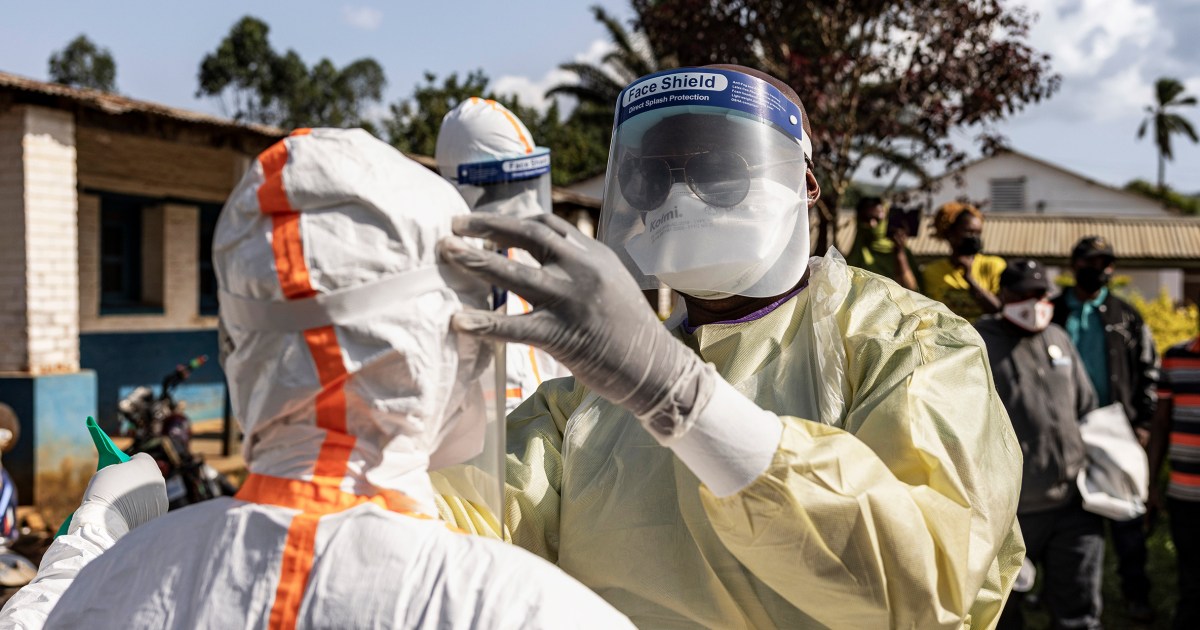
Violent disruptions at medical facilities in the northeastern province of Ituri are hampering containment efforts as the World Health Organization struggles to manage a rapidly spreading outbreak of the rare Bundibugyo strain of Ebola. Recent attacks at the Mongbwalu General Referral Hospital have forced patients to flee into the community, raising concerns about further transmission of the virus.
Under current health protocols, the bodies of Ebola victims are deemed highly infectious, requiring specialized handling by professionals to prevent further spread. When families are denied access to these bodies for traditional burials, tensions have frequently escalated into physical violence.
Related media


Dr. Richard Lokodu, the medical director at the Mongbwalu facility, reported that the hospital endured multiple waves of attacks, including four separate incidents on Sunday. These events followed a Saturday attack in which unidentified individuals burned isolation tents established by Médecins Sans Frontières. During that incident, 18 patients escaped the facility. While subsequent testing of some of those individuals showed mixed results, Dr. Lokodu confirmed that at least one positive Ebola case remained at large within the community.
A History of Mistrust
The current volatility mirrors the challenges faced by medical responders during previous crises in the region. The pattern of violence targeting health infrastructure recalls the 2018–2020 outbreak in eastern Democratic Republic of the Congo, which resulted in the deaths of more than 25 health workers. Analysts and researchers suggest that deep-seated local suspicions are fueled by historical neglect and the sudden influx of resources into conflict-ridden areas, leading some residents to view the outbreak response with extreme skepticism or characterize it as a hoax.
This atmosphere of hostility is further complicated by the security situation in the region. The virus has spread from its origin in Ituri to North and South Kivu provinces, including zones where Rwanda-backed M23 rebels operate. Furthermore, the infection has crossed international borders, with AP News reporting that Uganda confirmed two additional cases on Monday, bringing its total to seven.
Official Response and Data Discrepancies
Global health authorities are currently attempting to recalibrate their response. WHO chief Tedros Adhanom Ghebreyesus noted on Sunday that responders are struggling to keep pace, describing their current position as "playing catch-up." The difficulty is compounded by inconsistencies in reporting. While the Congolese Ministry of Communication cited 904 suspected cases in an update provided via X, regional breakdowns of mortality data have shown internal contradictions. Officials stated there were 119 suspected deaths in one instance, yet regional tallies added up to 220, leaving a statistical gap that authorities have yet to reconcile.
The timeline of the outbreak remains under scrutiny. The International Federation of Red Cross and Red Crescent Societies indicated on Saturday that three of its volunteers succumbed to the virus in Mongbwalu. The agency suggested these individuals may have been exposed on March 27 while performing duties related to the handling of bodies—a date that precedes the first reported case in the town of Bunia in late April.
What to Watch Next
- Regulatory Enforcement: The government implemented a ban on funeral wakes and gatherings exceeding 50 people in northeastern Congo to mitigate transmission risks.
- Security Developments: The deployment of police and soldiers to protect health facilities and the use of armed escorts for safe, professional burials are expected to continue.
- Containment Progress: Observers will track the status of the 18 patients who escaped from the Mongbwalu facility to see if further community clusters emerge from these individuals.
- Vaccine Status: There is no available vaccine for the Bundibugyo virus, increasing the reliance on behavioral changes and isolation protocols.
As the government attempts to suppress the outbreak through bans on large gatherings and the militarization of burial processes, the primary challenge remains the reconciliation of public health directives with local customs and the reality of life in a region defined by long-standing insecurity.
Archypedia is dedicated to independent, evidence-backed reporting. This briefing was synthesized from primary source reporting, corroborated across independent newsrooms, and verified against our Editorial Standards.
Transparency record
Evidence behind this report
This report synthesizes 5 distinct sources. Open the source ledger below to compare the underlying coverage.
Prepared under the Archypedia Editorial Policy by the Lina Park editorial desk profile. AI-assisted tools may support drafting and verification; public accountability remains with Archypedia. Report an error.


