
Science
Astronomers detect first atmosphere on rocky exoplanet LHS 1140b
Researchers led by Collin Cherubim identified a helium-rich atmosphere on the rocky exoplanet LHS 1140b, marking a milestone in the study of terrestrial worlds.
Researchers led by Collin Cherubim identified a helium-rich atmosphere on the rocky exoplanet LHS 1140b, marking a milestone in the study of terrestrial worlds.
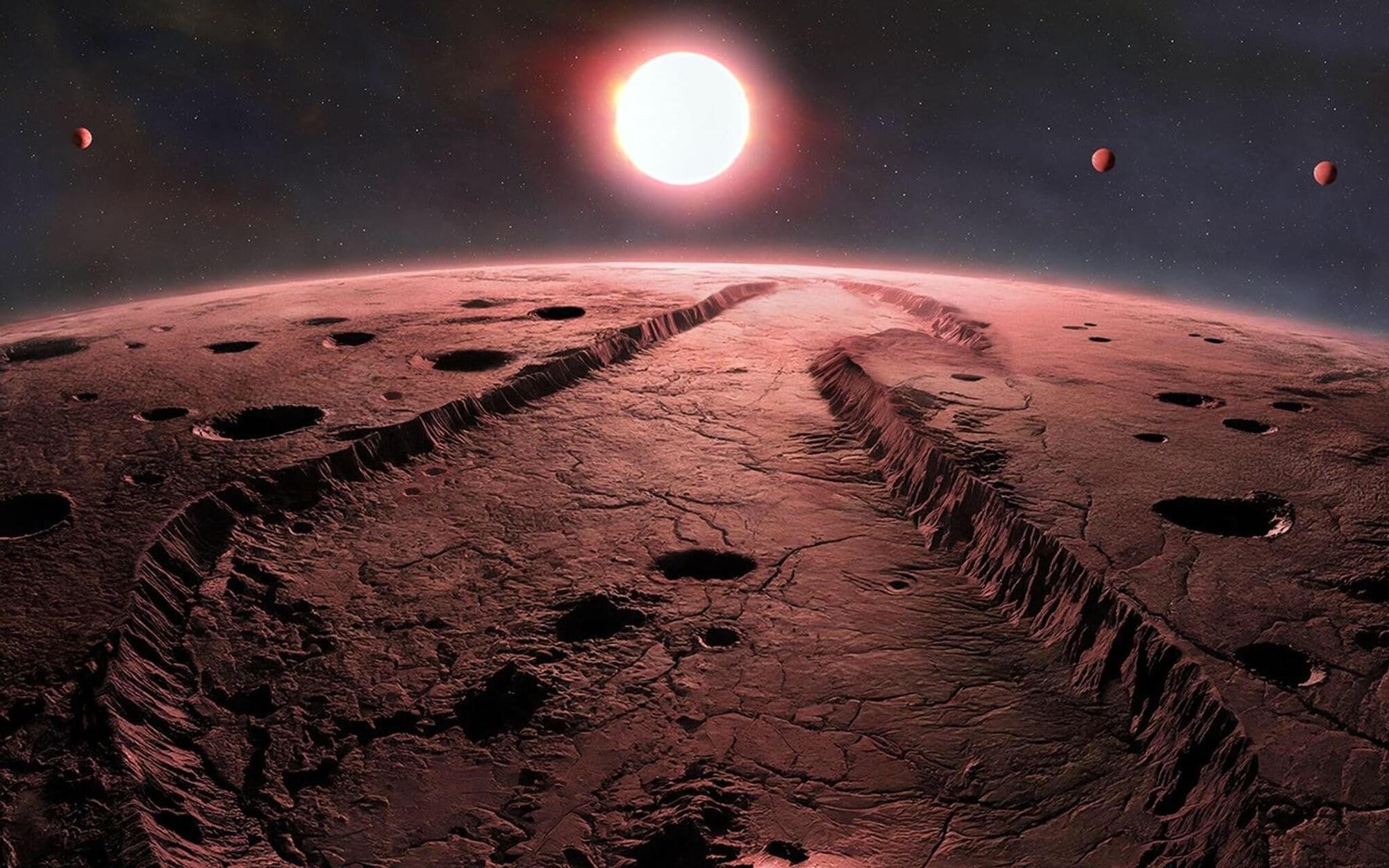
Scientific analysis has ruled out habitability for the four exoplanets orbiting Barnard's Star due to extreme heat, volatile geology, and atmosphere loss.

Researchers identified the dimmest planet ever directly imaged, uncovering a cold gas giant within the Beta Pictoris system after it remained hidden for 11 years.
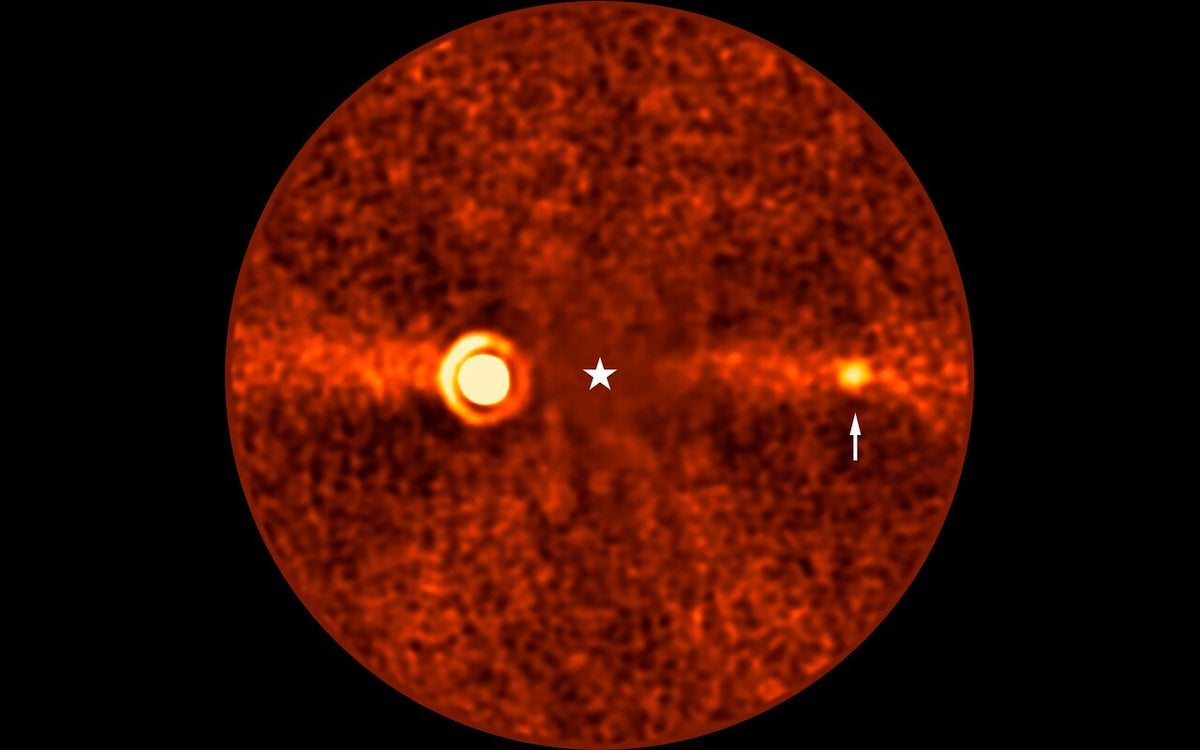
Researchers have confirmed the discovery of Beta Pictoris d, a gas giant 63 light-years away, while a separate study revealed four previously obscured stellar remnants.

Researchers have identified a pair of low-density exoplanets, TOI-791 b and c, that challenge existing theories on how planetary systems form and evolve.
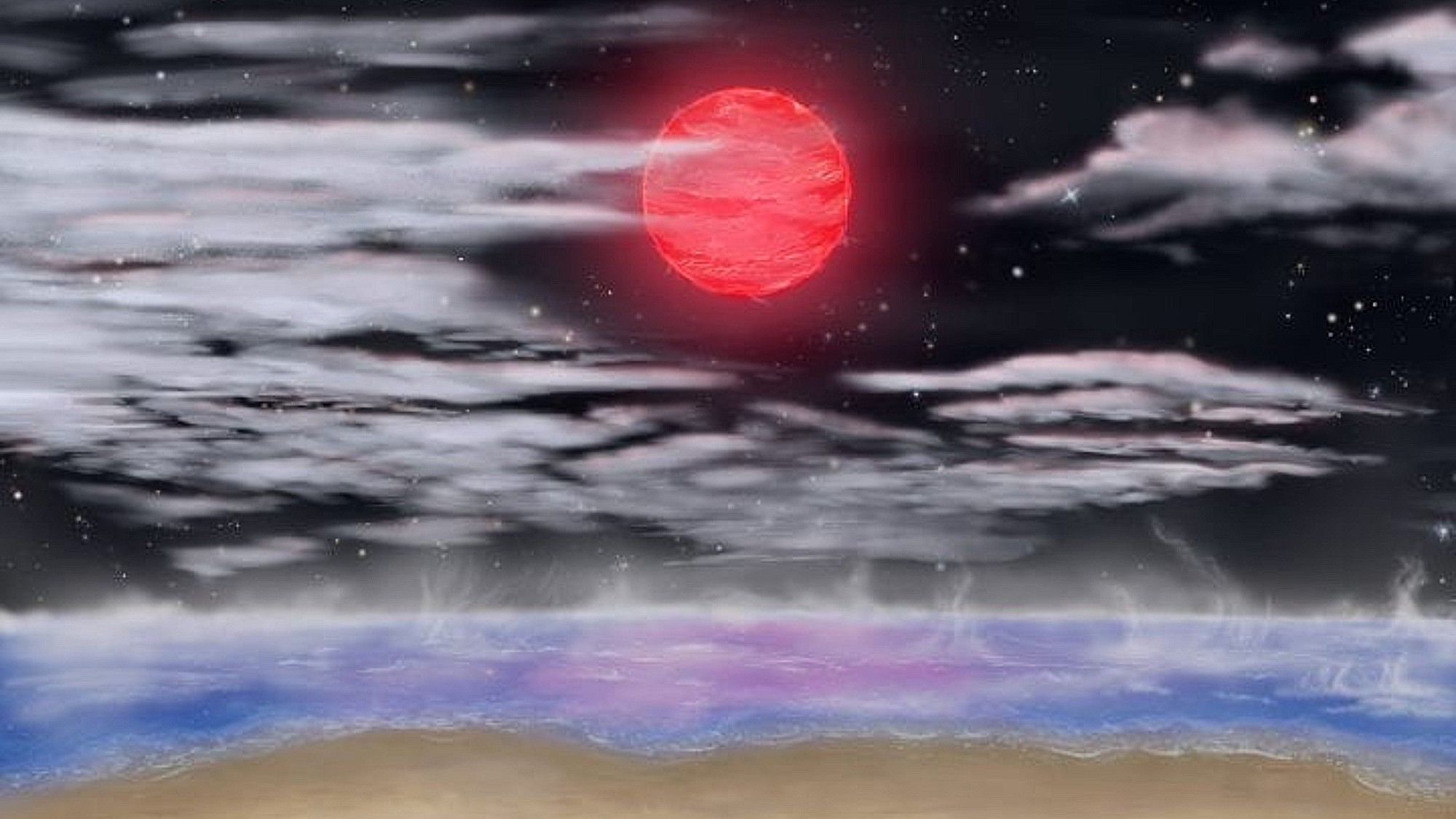
New research indicates that GJ 3378b is a rocky super-Earth rather than a gas giant, making it a key candidate for future studies of habitability.
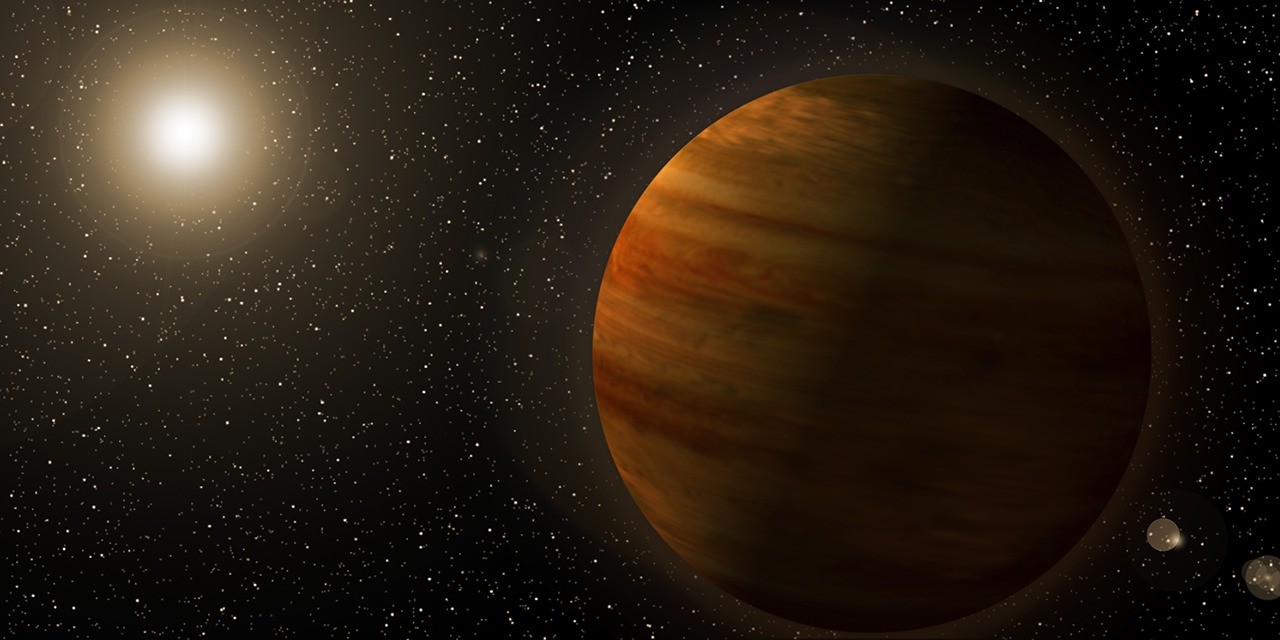
NASA's TESS satellite has successfully utilized gravitational microlensing to discover a super-Jupiter 40,000 light-years away, marking an evolution in its capabilities.
The ESA has unveiled a high-resolution mosaic of the Milky Way’s galactic bulge captured by the Euclid space telescope. This detailed image of 60 million stars provides researchers with a critical tool for identifying and characterizing planets beyond our solar system.
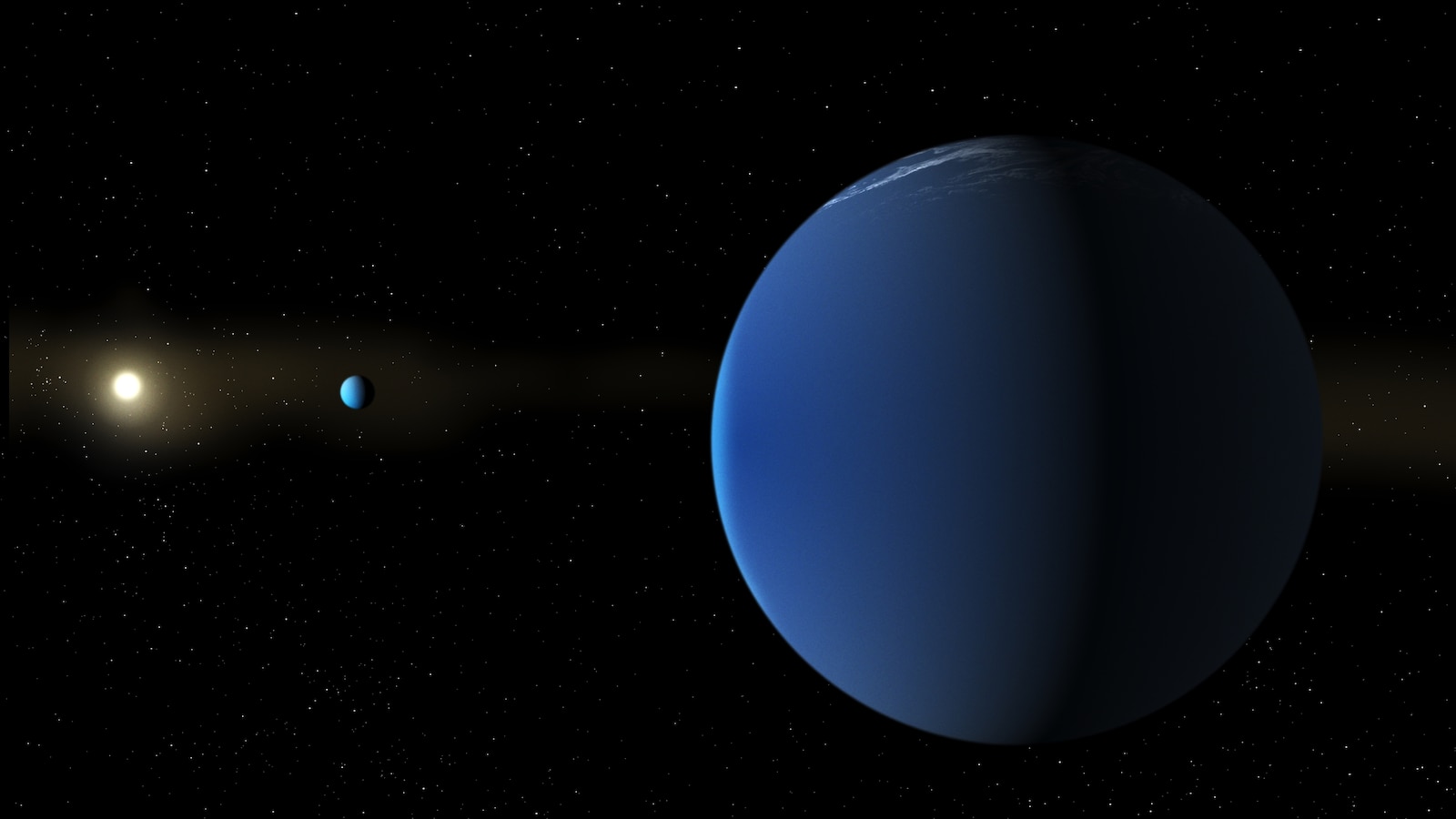
Researchers have identified a pair of exceptionally low-density gas giants that defy existing astronomical theories regarding how massive planets form. These super-puff worlds, located 1,110 light-years away, possess vast radii despite having only a small fraction of Jupiter's mass.
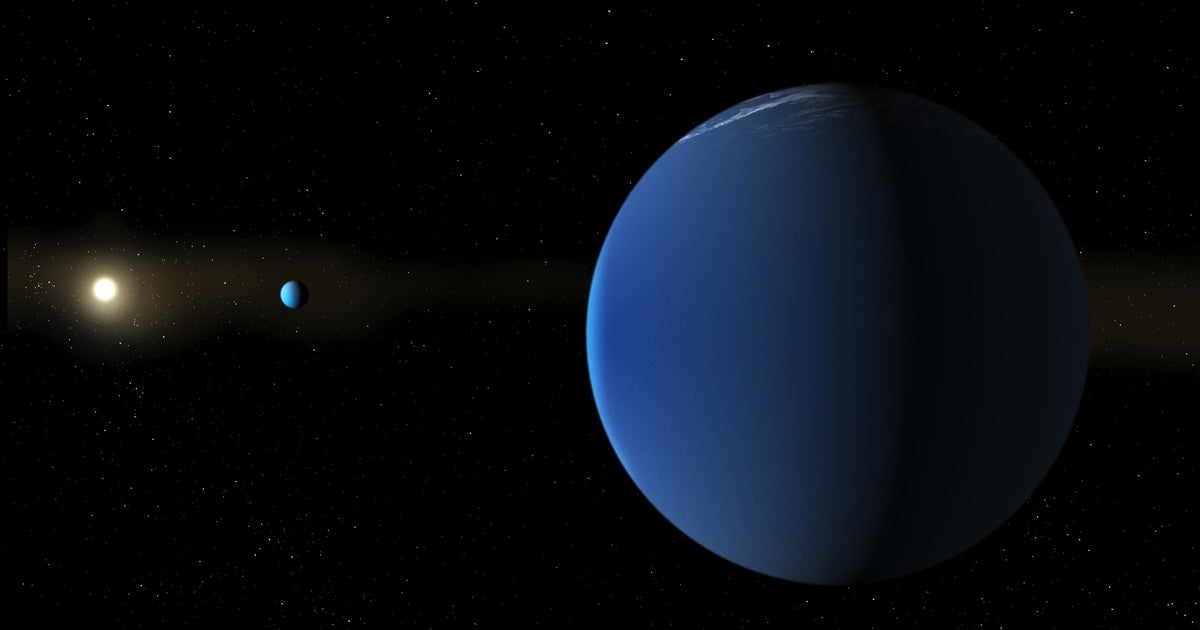
Researchers have identified two giant exoplanets with densities comparable to shaving foam, marking them as some of the lightest worlds ever discovered. These rare super-puffs challenge existing models regarding how giant planets form.