Beta Pictoris hosts a newly discovered faint planet after decade-long search
Researchers identified the dimmest planet ever directly imaged, uncovering a cold gas giant within the Beta Pictoris system after it remained hidden for 11 years.

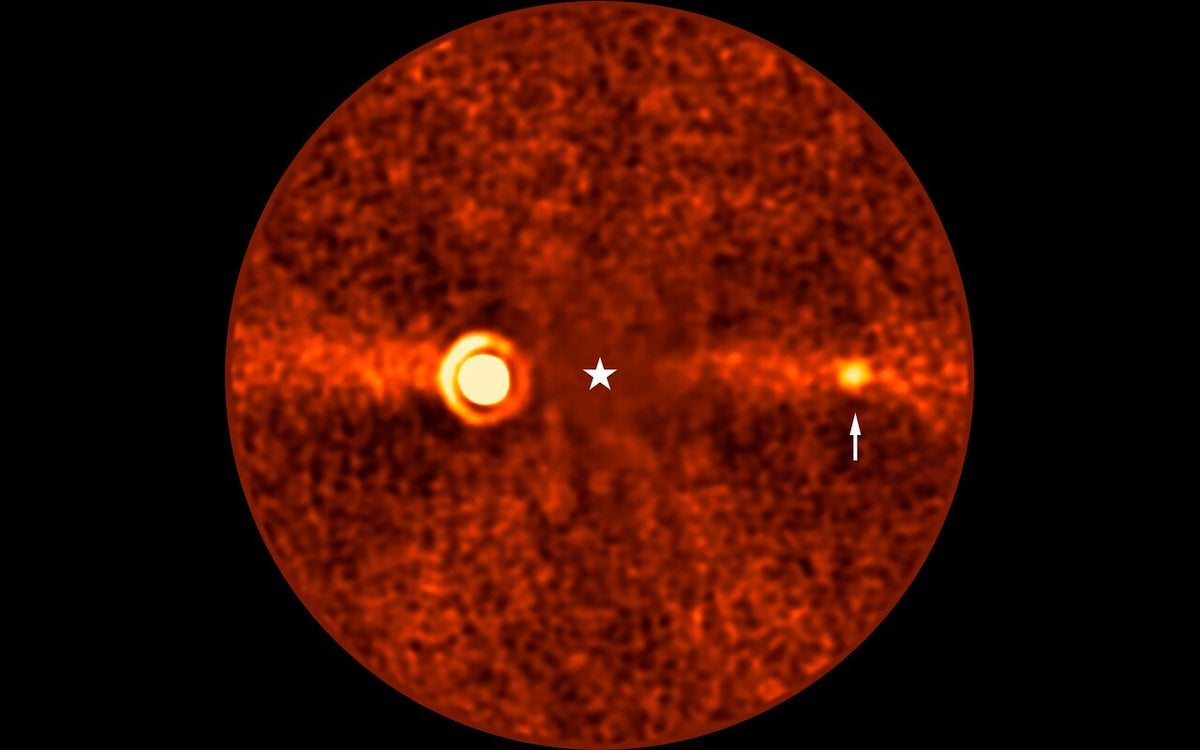
Astronomers have identified a faint, cold gas giant orbiting the star Beta Pictoris, concluding a period of observation that spanned more than a decade. The discovery marks the detection of the dimmest planet ever directly imaged from Earth. The planet had effectively remained obscured within existing data, overshadowed by the intense light of its host star and the presence of two previously identified companion planets.
The identification of this celestial body was the result of a serendipitous, independent effort by two separate research groups. Working without knowledge of each other’s findings to prevent bias, both teams detected the planet late last year. A Scottish and German-led team utilized the European Southern Observatory’s Very Large Telescope located in Chile. By reviewing archived observations, the researchers were able to confirm the planet’s orbit after it had remained hidden for 11 years. Simultaneously, a California-led team successfully identified the planet using only two observations from NASA’s Webb Space Telescope.
Related media

"It was very much playing hide-and-seek for 11 years,"
Markus Bonse, European Southern Observatory, via AP News
The findings, which were published in the Astrophysical Journal Letters, describe the new planet as being slightly larger than Jupiter. It follows an orbital path around its parent star that lasts 91 years. The star system itself is estimated to be approximately 20 million years old, placing it in a vastly different developmental stage than our own solar system, which has existed for 4.5 billion years.
The discovery is particularly significant for researchers studying planetary formation. Because Beta Pictoris is still stabilizing — a process involving active interactions with asteroids and comets — it offers a rare opportunity to observe a system in its early, formative years. According to researchers, while the giant planets within the system have already established their orbits, the potential for smaller, terrestrial planets to be in the process of forming remains.
"The giant planets have formed, but smaller terrestrial planets could still be forming. Beta Pictoris is probably our best look at a planetary system just after it has formed and is still in the process of stabilizing."
Aidan Gibbs, University of California San Diego, via SRNNews
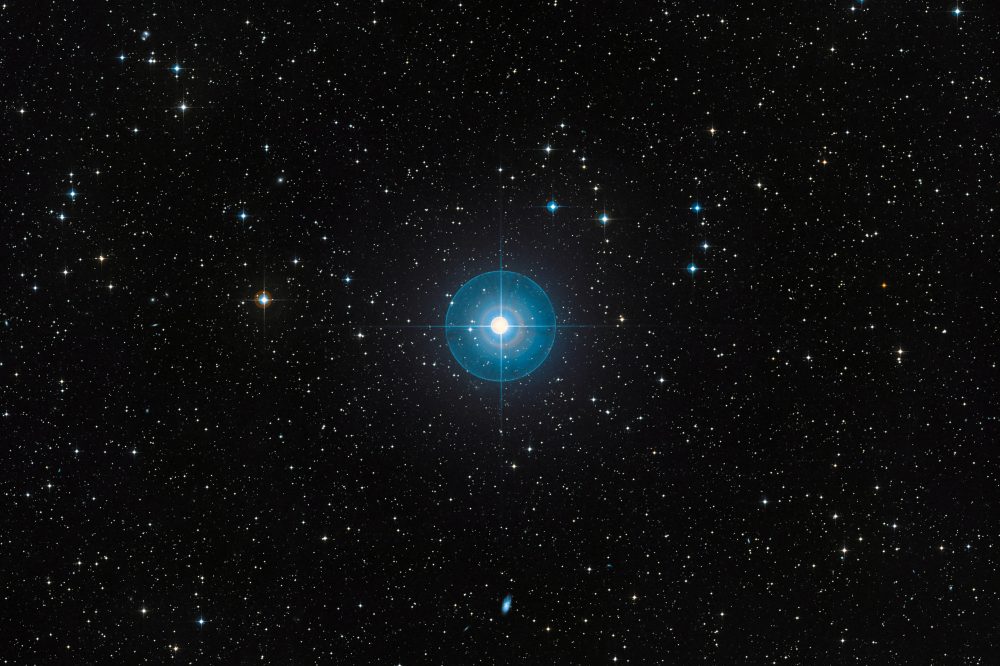
Beta Pictoris is situated in the southern constellation of Pictor, at a distance of 63 light-years from Earth. For context, a single light-year represents nearly 6 trillion miles, or more than 9 trillion kilometers. The planet identified by the teams is 100 times fainter than those already known to occupy the system, making it an extreme outlier in terms of visibility.
Direct Imaging vs. Traditional Detection
Most of the more than 6,000 confirmed exoplanets identified by scientists were discovered by monitoring the transit method, detecting the slight dimming of a star as a planet passes in front of it. Direct imaging, the technique used here, is significantly more challenging. According to NASA, fewer than 100 exoplanets have been successfully detected through direct imaging to date.
| Feature | Details |
|---|---|
| Host Star Age | 20 million years |
| Orbital Period | 91 years |
| Distance from Earth | 63 light-years |
| Relative Brightness | 100 times fainter than known companions |
"We’ve now built a picture of this planet, and we are very excited to see what more can be learned about it."
Ben Sutlieff, University of Edinburgh, via AP News
Archypedia is dedicated to independent, evidence-backed reporting. This briefing was synthesized from primary source reporting, corroborated across independent newsrooms, and verified against our Editorial Standards.
Transparency record
Evidence behind this report
This report synthesizes 4 distinct sources. Open the source ledger below to compare the underlying coverage.
Prepared under the Archypedia Editorial Policy by the Niko Vale editorial desk profile. AI-assisted tools may support drafting and verification; public accountability remains with Archypedia. Report an error.