Foreign container ship runs aground in Strait of Hormuz
A foreign vessel grounded in the Strait of Hormuz after deviating from a path enforced by the IRGC, complicating diplomatic talks regarding transit rights.
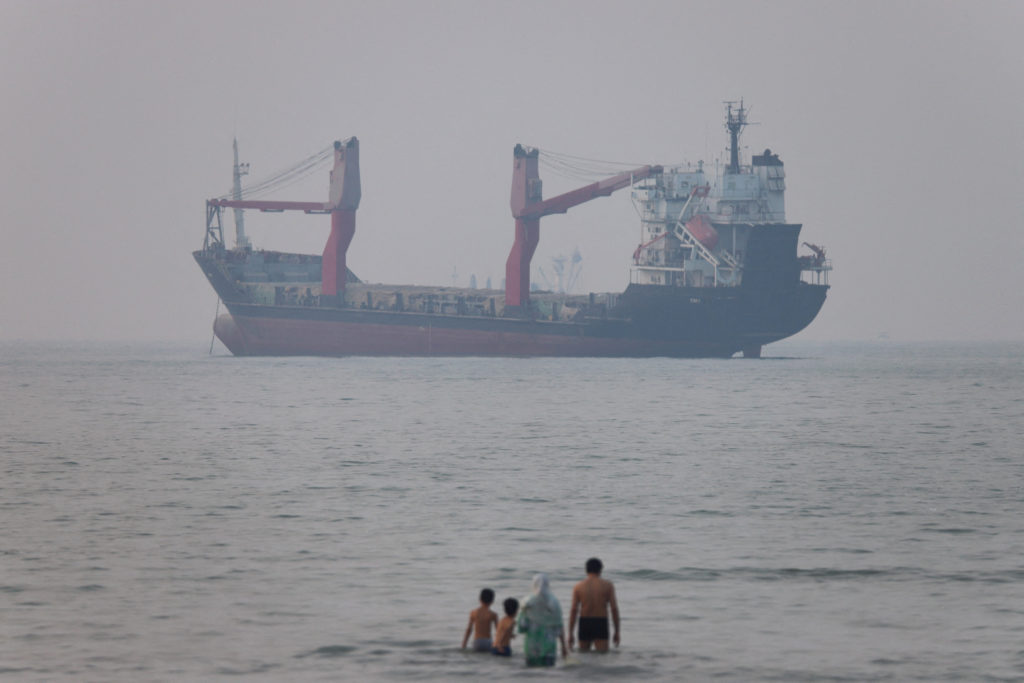
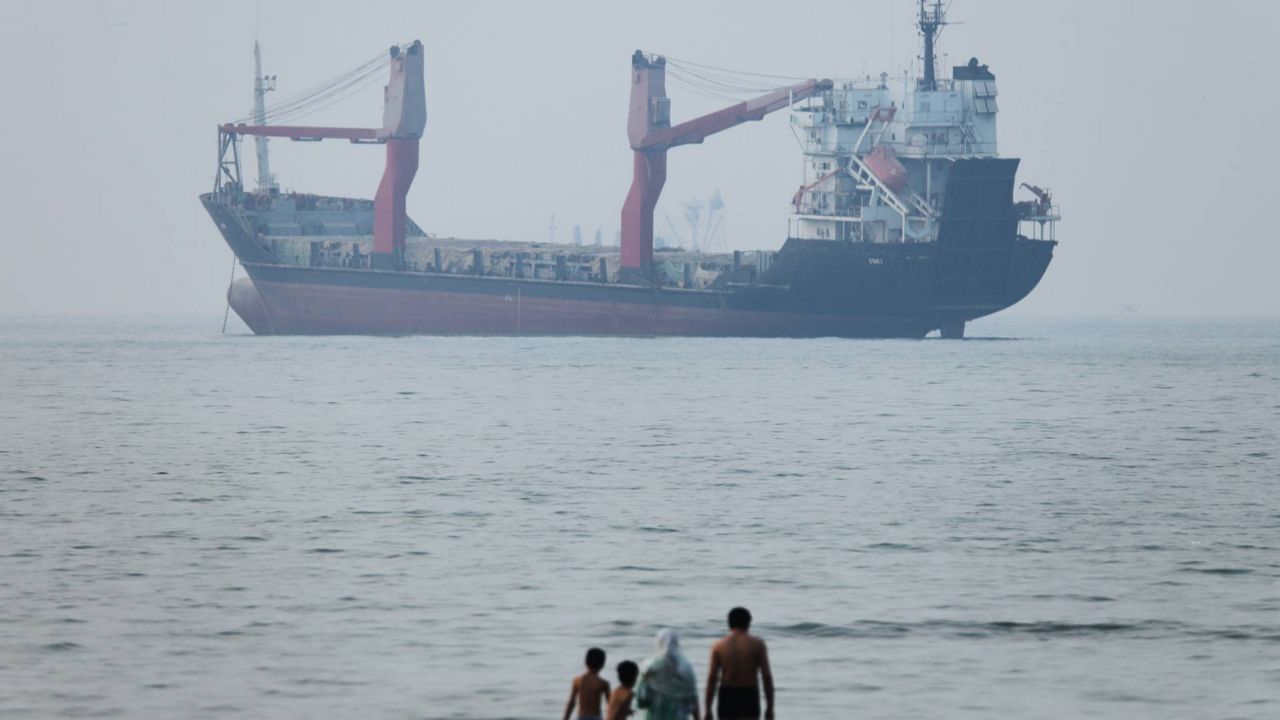
A foreign container ship ran aground in the Strait of Hormuz on Wednesday, an event Iranian state television attributed to the vessel’s failure to navigate the maritime corridor mandated by Tehran. The ship reportedly entered shallow waters while attempting to bypass the waterway’s designated “Route of Authority,” a path enforced by the Islamic Revolutionary Guard Corps (IRGC).
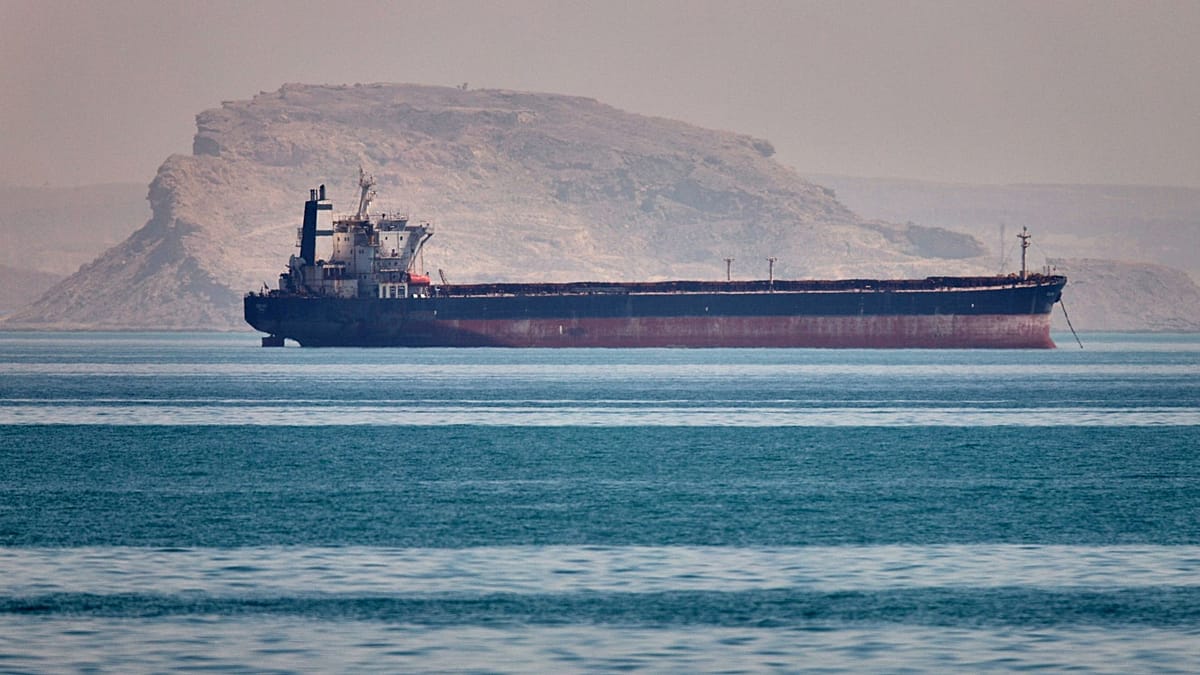
The grounding underscores a widening confrontation over navigation rights in one of the world's most critical energy transit points. While the international community has historically treated the strait as an international waterway—through which approximately one-fifth of global oil and natural gas flowed during peacetime—Iran has moved to assert sovereignty over the passage. The IRGC navy has frequently warned that transit attempts outside of its approved corridor may lead to what it describes as "irreparable incidents."
Related media
Diplomatic Negotiations in Doha
The incident occurred as diplomatic efforts to stabilize the region intensified in Doha, Qatar. U.S. Special envoy Steve Witkoff and White House adviser Jared Kushner held meetings on Wednesday with Qatar’s leadership, including the emir, Sheikh Tamim bin Hamad Al Thani, and Foreign Minister Sheikh Mohammed bin Abdulrahman Al Thani. A delegation led by Iranian negotiator Kazem Gharibabadi is also in Doha for indirect technical discussions.
Negotiations are currently anchored to an interim accord signed in June, which established a 60-day window for toll-free commercial transit. Despite this, a significant divide remains between the parties: Iran seeks to solidify its authority to dictate routes and eventually impose transit fees, a position that the United States and various Gulf Arab states have rejected. The U.S. Treasury previously sanctioned the Persian Gulf Strait Authority in May, labeling it a mechanism for extortion.
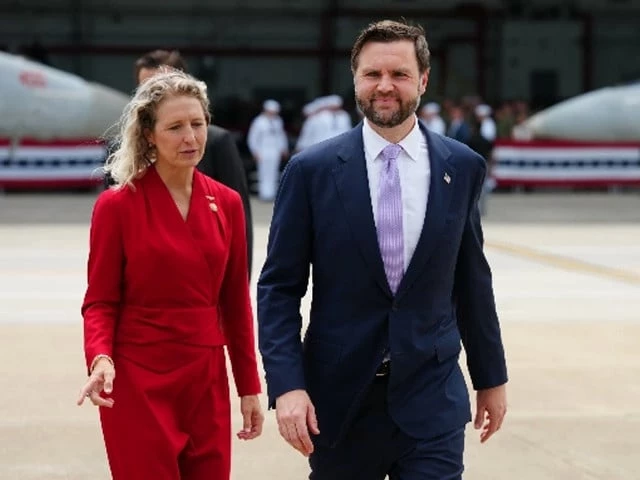
While U.S. Vice President JD Vance noted that discussions are in their early stages, he emphasized that Washington remains focused on the commercial shipping dispute before potentially moving to address Iran’s nuclear program. Regarding the potential for a return to combat, Vice President Vance stated on Wednesday, "I can't commit to anything, because obviously it depends on what the Iranians are ultimately going to do."
Regional Volatility
The security situation remains fragile, compounded by broader geopolitical conflicts. Iranian officials have linked the Doha talks to the status of frozen assets and the ongoing conflict in Lebanon, where Iran-backed militia Hezbollah is engaged in fighting with Israeli forces. Adding to the tension, the U.S. Navy’s 5th Fleet reported an aviation incident in the Arabian Sea at 3:30 a.m. On Wednesday. An MH-60S Sea Hawk helicopter conducted an emergency water landing, prompting a search for one missing crew member. Three of the four personnel were recovered, and the Navy noted there was no indication the event resulted from hostile action.
Meanwhile, the flow of maritime traffic remains unpredictable. Data indicates that most Thai and South Korean vessels have managed to clear the area safely in recent days, yet the regional shipping environment remains volatile.
Strait of Hormuz Status: What to Watch Next
- Navigation Dispute: The viability of alternative routes, including a corridor near the Omani coast coordinated by a U.N. Agency, remains in question following recent military strikes.
- Interim Accord: The 60-day immunity period for shipping continues to progress, with no public indication of an agreement on permanent transit frameworks or fee structures.
- Technical Talks: Negotiators in Doha are expected to transition from shipping regulations to the status of frozen Iranian assets and nuclear capabilities.
- Military Readiness: U.S. Officials have indicated that while the administration prefers a diplomatic solution, the possibility of a return to full combat operations remains if security objectives are not met by the deadline.
How significant is this development?
Contribute your assessment to the aggregated reader intelligence ledger.
Archypedia is dedicated to independent, evidence-backed reporting. This briefing was synthesized from primary source reporting, corroborated across independent newsrooms, and verified against our Editorial Standards.
Transparency record
Evidence behind this report
This report synthesizes 5 distinct sources. Open the source ledger below to compare the underlying coverage.
Prepared under the Archypedia Editorial Policy by the Samir Haddad editorial desk profile. AI-assisted tools may support drafting and verification; public accountability remains with Archypedia. Report an error.


