Wallmakers completes restaurant made from shipping containers
Architectural firm Wallmakers has transformed 12 discarded shipping containers into a thermally efficient, 200-seat restaurant in Tuticorin, India. The project uses a poured earth facade to reduce the building's cooling load by 38 percent.
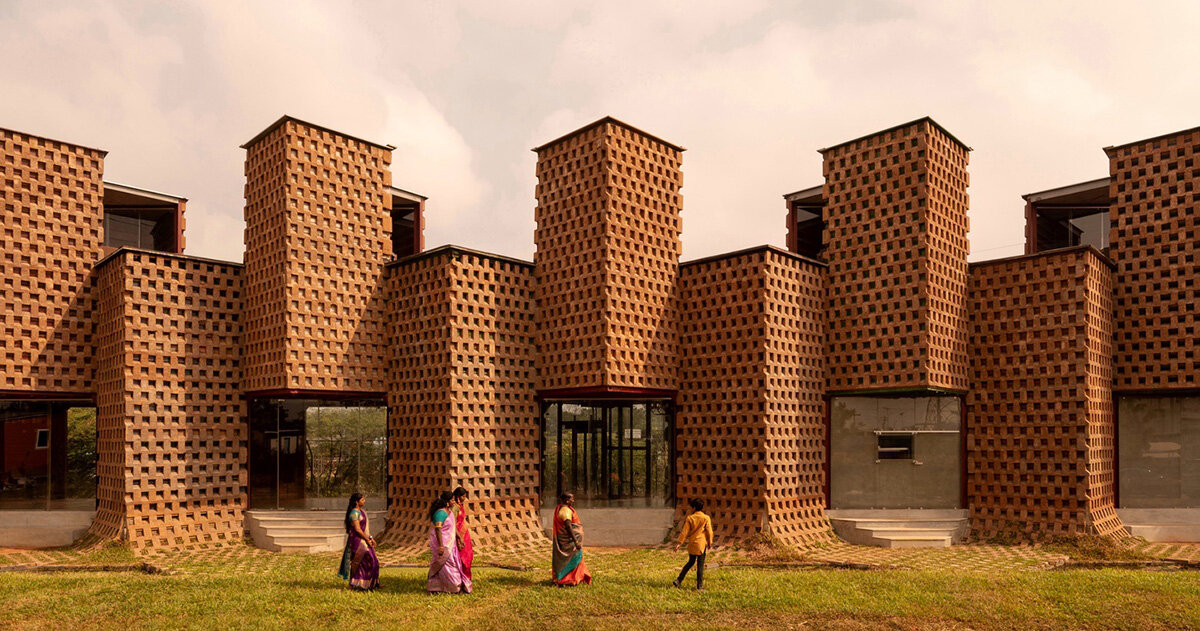
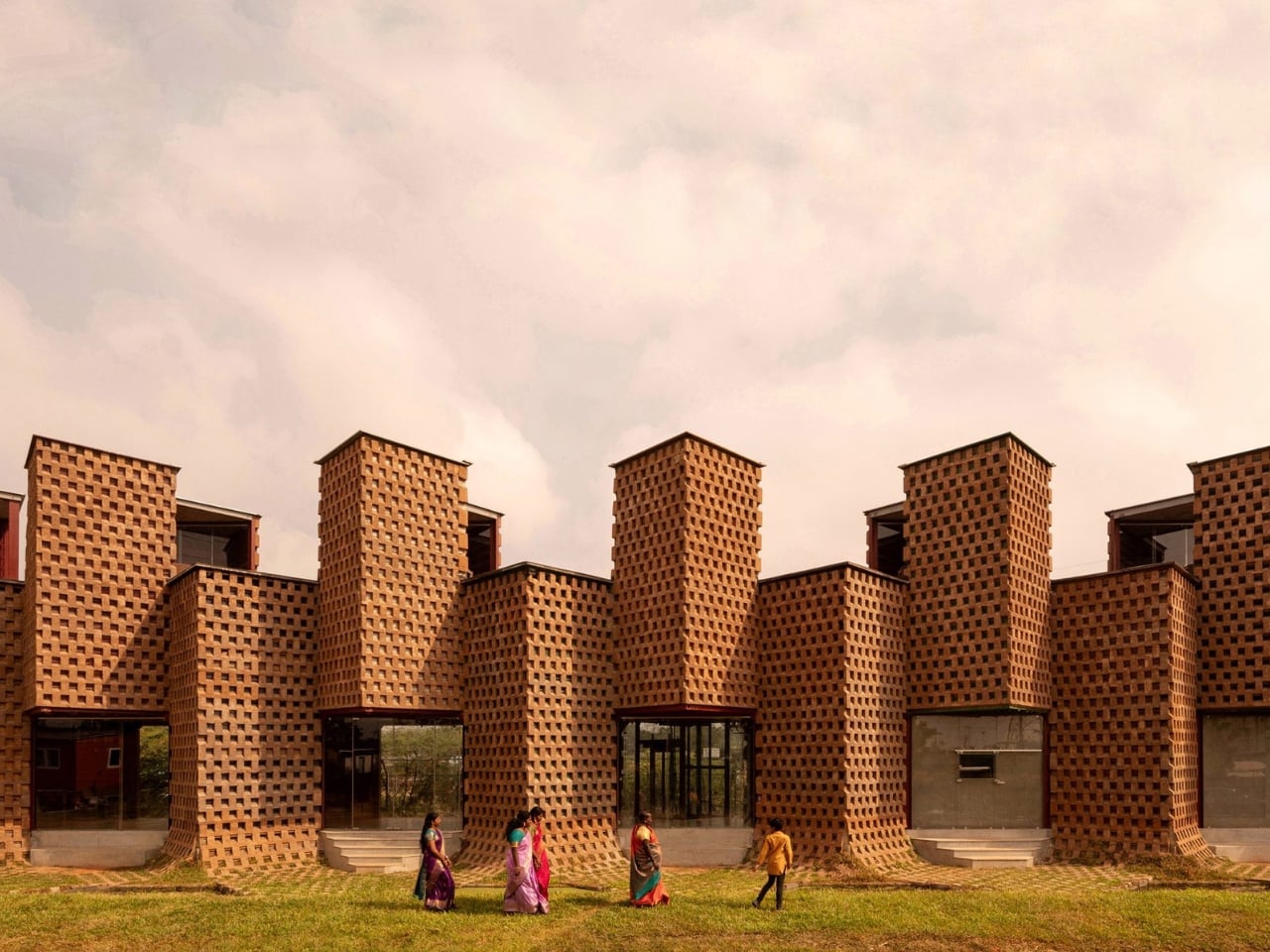
In a significant development, Wallmakers has completed the Petti Restaurant in Tuticorin, India, a 200-seat dining space made from 12 discarded shipping containers. The project showcases the firm's innovative approach to reusing industrial waste and addressing climate conditions through material choice. By combining shipping containers with poured earth, Wallmakers has created a thermally efficient and spatially rich environment that challenges traditional notions of sustainability and design.
The Petti Restaurant is situated in a narrow, linear plot in the port city of Tuticorin, where maritime trade has left behind a surplus of discarded shipping containers. Wallmakers' design takes this surplus as its starting point, assembling the containers vertically to create a continuous structural frame. The building's facade is wrapped in a porous layer of poured earth, which reduces heat gain and lowers reliance on mechanical cooling. According to Wallmakers, this approach has resulted in a significant drop in energy demand, with the building's cooling load reduced by 38 percent.
Related media

The interior of the restaurant features a sequence of dining areas, each set into a corner or edge condition, creating a sense of enclosure while maintaining visual continuity across the plan. The scale of the rooms remains intimate, despite the linear footprint, with each group of guests occupying a defined niche along the length of the building. Light enters from above through skylights, shifting across the day and settling into a warm glow in the evening through custom fixtures assembled from reused materials.
Key Features of the Petti Restaurant
- 200-seat dining space made from 12 discarded shipping containers
- Containers assembled vertically to create a continuous structural frame
- Facade wrapped in a porous layer of poured earth to reduce heat gain and lower reliance on mechanical cooling
- Interior features a sequence of dining areas, each set into a corner or edge condition
- Light enters from above through skylights, with custom fixtures assembled from reused materials
- Building's cooling load reduced by 38 percent through the use of poured earth and natural ventilation
The project's use of shipping containers and poured earth is a response to the local climate and available materials. Tuticorin's hot climate and abundance of discarded shipping containers made it an ideal location for this type of project. Wallmakers' design takes advantage of the containers' modular nature, stacking them vertically to create a compact and sculptural mass. The poured earth facade adds a layer of thermal insulation, reducing the need for mechanical cooling and creating a unique and striking appearance.
The Petti Restaurant's design is not only sustainable but also visually striking. The combination of industrial shipping containers and natural poured earth creates a unique and intriguing aesthetic. The building's facade is sculpted into a pattern of recesses and projections, increasing shading and encouraging airflow. The interior is warm and intimate, with reclaimed wood and oxide flooring adding to the sense of tactility and reuse.
Wallmakers' approach to the project is rooted in a broader ethos of sustainability and reuse. The firm's use of discarded materials and modular construction techniques reduces waste and minimizes the building's environmental impact.
The restaurant's name, Petti, means "box" in Tamil, reflecting the building's origins as a shipping container. The name is a nod to the humble beginnings of the project, which has been transformed into a unique and striking piece of architecture.
How significant is this development?
Contribute your assessment to the aggregated reader intelligence ledger.
Archypedia is dedicated to independent, evidence-backed reporting. This briefing was synthesized from primary source reporting, corroborated across independent newsrooms, and verified against our Editorial Standards.
Transparency record
Evidence behind this report
This report synthesizes 6 distinct sources. Open the source ledger below to compare the underlying coverage.
Prepared under the Archypedia Editorial Policy by the Niko Vale editorial desk profile. AI-assisted tools may support drafting and verification; public accountability remains with Archypedia. Report an error.


