US launches additional military strikes against Iran after ceasefire collapse
Military tensions in the Middle East have escalated as the U.S. targets Iranian military facilities following a failed ceasefire and drone strikes on vessels.

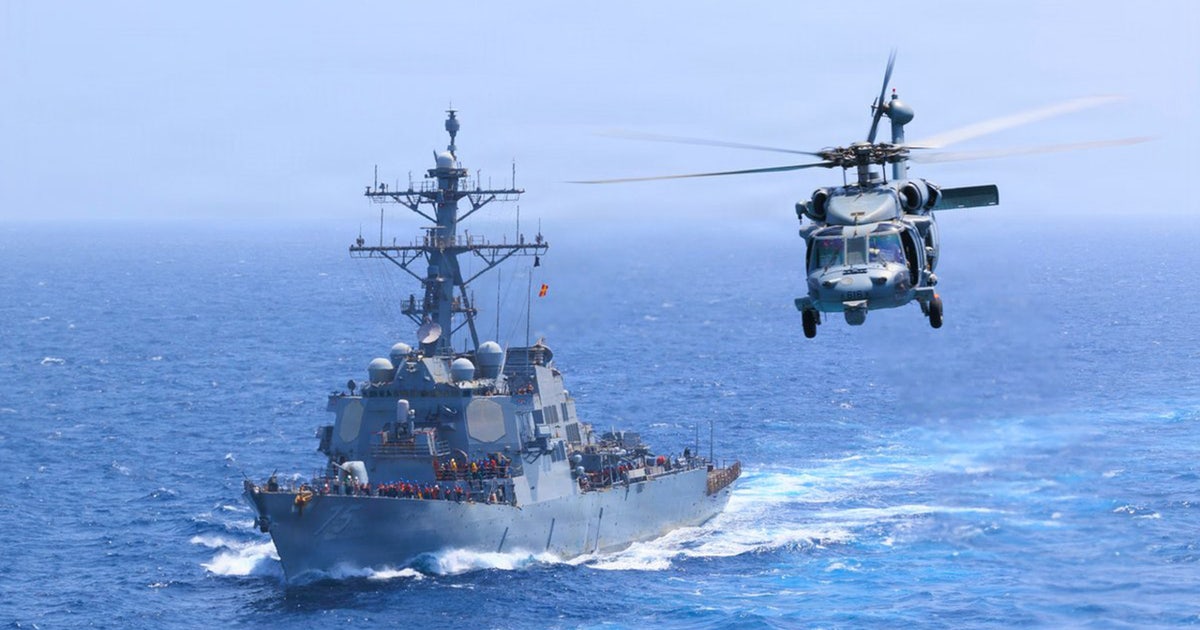
The tenuous ceasefire between the United States and Iran has effectively collapsed, triggering a renewed wave of large-scale military operations across the Middle East. U.S. Central Command confirmed it had launched additional strikes against multiple targets in Iran at the direction of President Donald Trump. This escalation follows a violent period in the Strait of Hormuz, where both sides engaged in direct combat operations, shattering a memorandum of understanding that had been signed only one week earlier.
The current hostilities erupted on Thursday, when Iranian forces launched drone attacks against commercial shipping vessels. U.S. Central Command reported that at least four drones were deployed against ships in the Strait of Hormuz, including the Singapore-flagged M/V Ever Lovely, which sustained damage to its upper deck. President Trump stated that U.S. Forces successfully intercepted three of the drones.
Related media

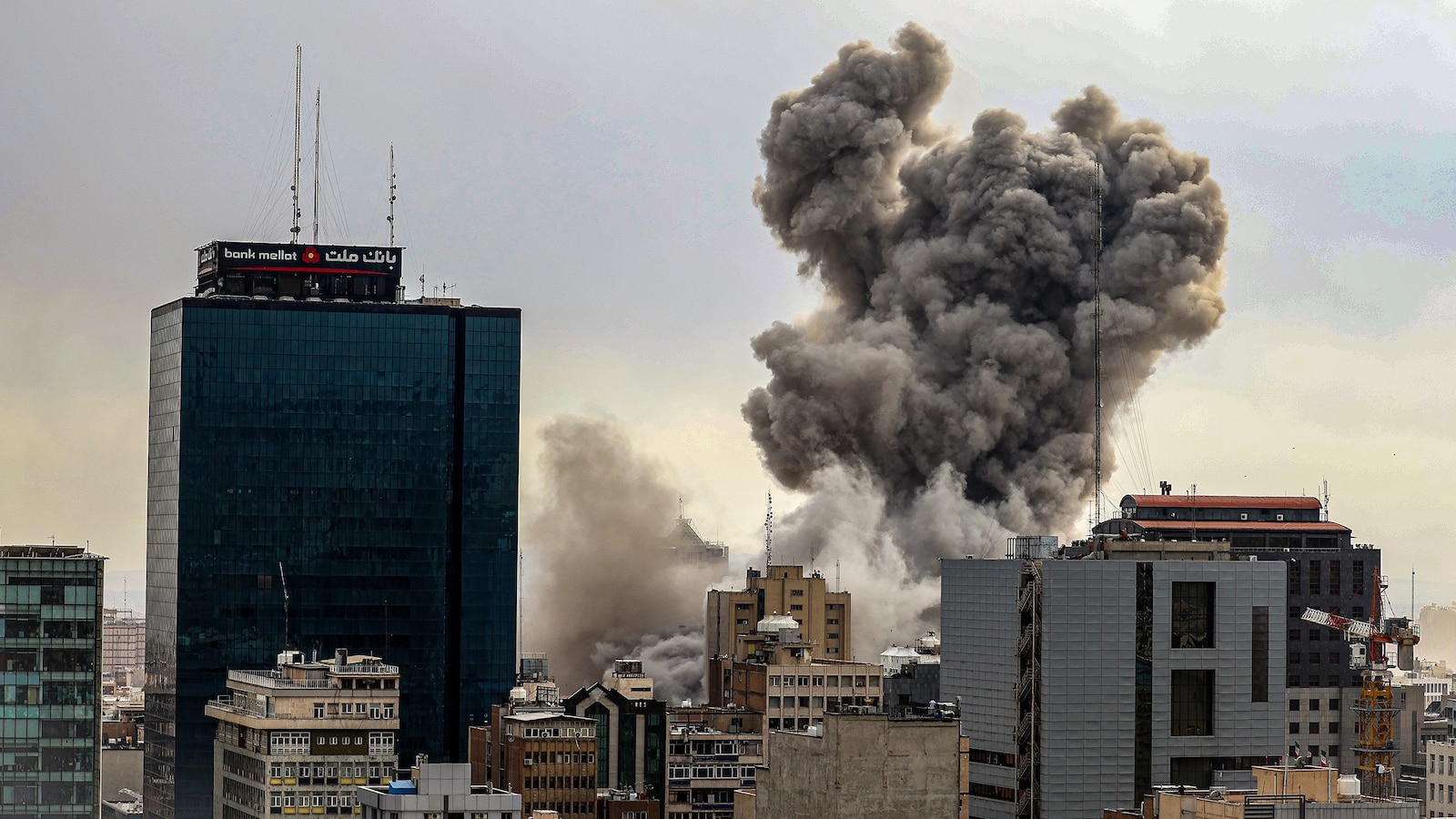

The Pentagon described its subsequent retaliatory strikes as a direct response to what it termed unwarranted aggression against commercial shipping
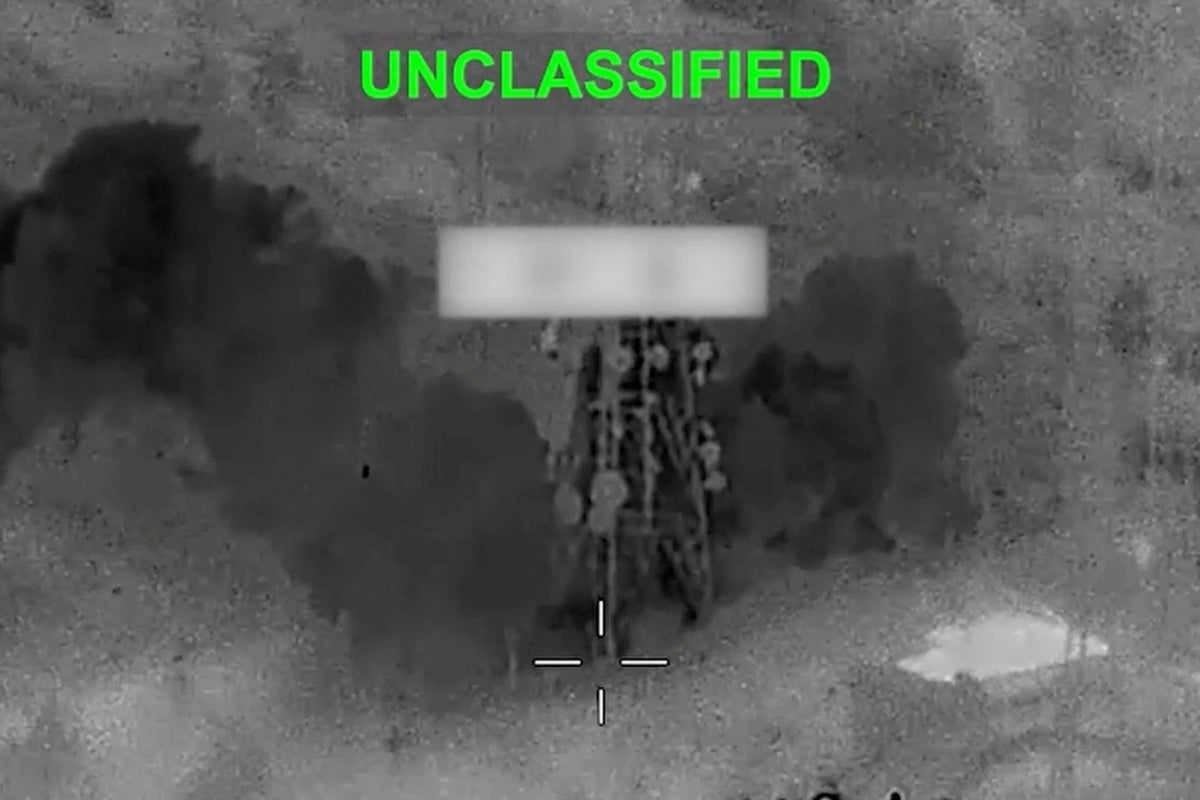
by Iranian forces. U.S. Military aircraft targeted a broad range of Iranian military infrastructure, including air defense sites, drone storage facilities, communication systems, and minelayer capabilities. According to U.S. Central Command, Iran had been provided an opportunity to honor the ceasefire but elected not to, necessitating further action to protect the freedom of navigation in the vital trade corridor.
In response, Iran’s Ministry of Foreign Affairs condemned the U.S. Strikes as a violation of international law and the previously established memorandum of understanding. The Islamic Revolutionary Guard Corps (IRGC) warned that any further aggression would be met with a swift and decisive
response. Iranian state media also reported that strikes had been launched against targets linked to the American aggressor forces
in the region. Tensions deepened when the government of Bahrain reported an Iranian drone attack on its territory, characterizing the strike as a flagrant violation of its sovereignty.
Escalating Conflict Context
The rapid breakdown of the ceasefire has complicated ongoing diplomatic efforts. The agreement had sought to reopen the Strait of Hormuz and secure a commitment from Iran to forgo further military operations. However, the U.S. Military has simultaneously been conducting a separate, broader campaign—referred to in reports as Operation Epic Fury
—targeting Iranian ballistic missile programs, naval headquarters, and command infrastructure. While the U.S. And Israel have reported the destruction of over 1,250 targets in the early stages of this operation, they have also faced international scrutiny.
The geopolitical fallout extends beyond the immediate combatants:
- Diplomatic Stalling: President Trump has insisted that he will not rush into a deal despite the approaching U.S. Midterm elections, signaling a willingness to continue the current offensive if negotiations fail to produce favorable terms.
- Regional Security: The UKMTO has raised the maritime threat level in the Strait of Hormuz to
substantial
, warning mariners to expect naval presence and the presence of underwater mines. - Energy Impact: The instability in the Strait, which facilitates the passage of approximately 20% of the world’s oil, has created volatility in global energy markets.
What to Watch Next
As the conflict intensifies, observers are focused on the following developments:
- Strait Security: The effectiveness of naval clearance operations and whether Iran carries out its threats to deploy further sea mines in the Gulf.
- Proxy Dynamics: Whether the conflict between Israel and Hezbollah in Lebanon remains localized or serves as a catalyst for a wider regional war, as Iran has insisted any ceasefire must encompass all fronts.
- Nuclear Negotiations: The status of Iran’s enriched uranium stockpile, which remains a primary point of friction. While analysts have proposed third-party involvement to secure the material, no formal agreement for its transfer has been finalized.
The U.S. Maintains that its presence in the region remains focused on ensuring adherence to the terms of the memorandum and protecting commercial interests. Conversely, Iranian officials, including Ebrahim Azizi of the national security commission, have accused the U.S. Of showing a total lack of commitment to diplomatic principles. With both sides currently prioritizing military posture over negotiation, the risk of further miscalculation in the Strait of Hormuz remains high.
How significant is this development?
Contribute your assessment to the aggregated reader intelligence ledger.
Archypedia is dedicated to independent, evidence-backed reporting. This briefing was synthesized from primary source reporting, corroborated across independent newsrooms, and verified against our Editorial Standards.
Transparency record
Evidence behind this report
This report synthesizes 7 distinct sources. Open the source ledger below to compare the underlying coverage.
Prepared under the Archypedia Editorial Policy by the Mara Ionescu editorial desk profile. AI-assisted tools may support drafting and verification; public accountability remains with Archypedia. Report an error.